Why Draining Your Basement Water Heater Matters More Than You Think
Most homeowners never think about their water heater until something goes wrong. That is understandable. It sits in the basement, quietly doing its job, and you go about your day. But sediment builds up over time inside that tank, and if you are not flushing it out on a regular schedule, you are shortening the life of one of your home’s most essential appliances. Draining a water heater in the basement is one of those maintenance tasks that feels intimidating the first time, but once you understand the process, it becomes a manageable part of responsible homeownership. This guide walks you through everything you need to know, including why it matters, how to do it right, and what a home warranty can do to protect you when things go sideways.
What Happens Inside Your Water Heater Over Time
Water carries dissolved minerals, and over time those minerals settle at the bottom of your water heater tank. Calcium and magnesium are the primary culprits, especially in areas with hard water. That layer of sediment acts like insulation between the heating element and the water, which forces the unit to work harder, consume more energy, and wear out faster. You might start noticing strange popping or rumbling sounds coming from the tank. That noise is the heating element struggling to push heat through the sediment layer. It is essentially your water heater telling you it needs attention. Flushing the tank removes that buildup and lets the unit operate the way it was designed to.
Tools and Supplies You Will Need Before You Start
Preparation makes this job significantly easier. Before you touch anything, gather the following items so you are not scrambling mid-process.
- A standard garden hose long enough to reach a floor drain or sump pit
- Work gloves rated for heat exposure
- Safety goggles
- A flathead screwdriver
- A bucket (optional, for initial drainage testing)
- A water heater drain valve replacement kit (just in case the existing valve is corroded)
The basement location adds a layer of complexity because gravity drainage is not always straightforward. If your floor drain is at roughly the same level as the drain valve, you may need a utility pump to assist. Plan for that before you get started.
Step-by-Step Guide to Draining a Basement Water Heater
Start by turning off the power supply to your water heater. If you have an electric unit, locate the breaker in your panel and switch it off. If you have a gas unit, turn the thermostat dial to the pilot setting. Next, shut off the cold water supply valve, which is typically located on the pipe entering the top of the tank. Connect your garden hose to the drain valve at the bottom of the unit, making sure the other end is directed toward a drain or outside. Open a hot water faucet somewhere in the house, like a bathroom sink, to allow air into the system and help the water flow out more freely. Then open the drain valve slowly using your flathead screwdriver. Water will begin flowing through the hose. Depending on the size of the tank and how much sediment is present, this can take anywhere from 20 minutes to well over an hour. Once the tank is empty, briefly turn the cold water supply back on to flush out any remaining sediment, then shut it off again. Close the drain valve, disconnect the hose, and refill the tank by reopening the cold water supply. Once water flows steadily from the open faucet inside the house, the tank is full. Restore power or relight the pilot, and you are done.

Common Problems You Might Encounter in the Basement
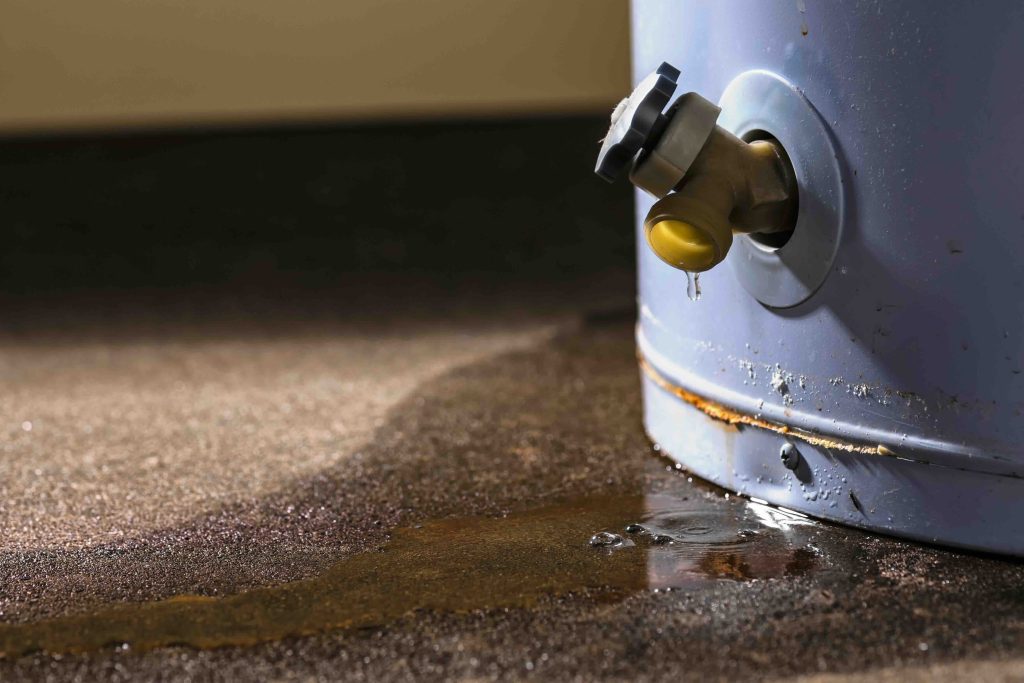
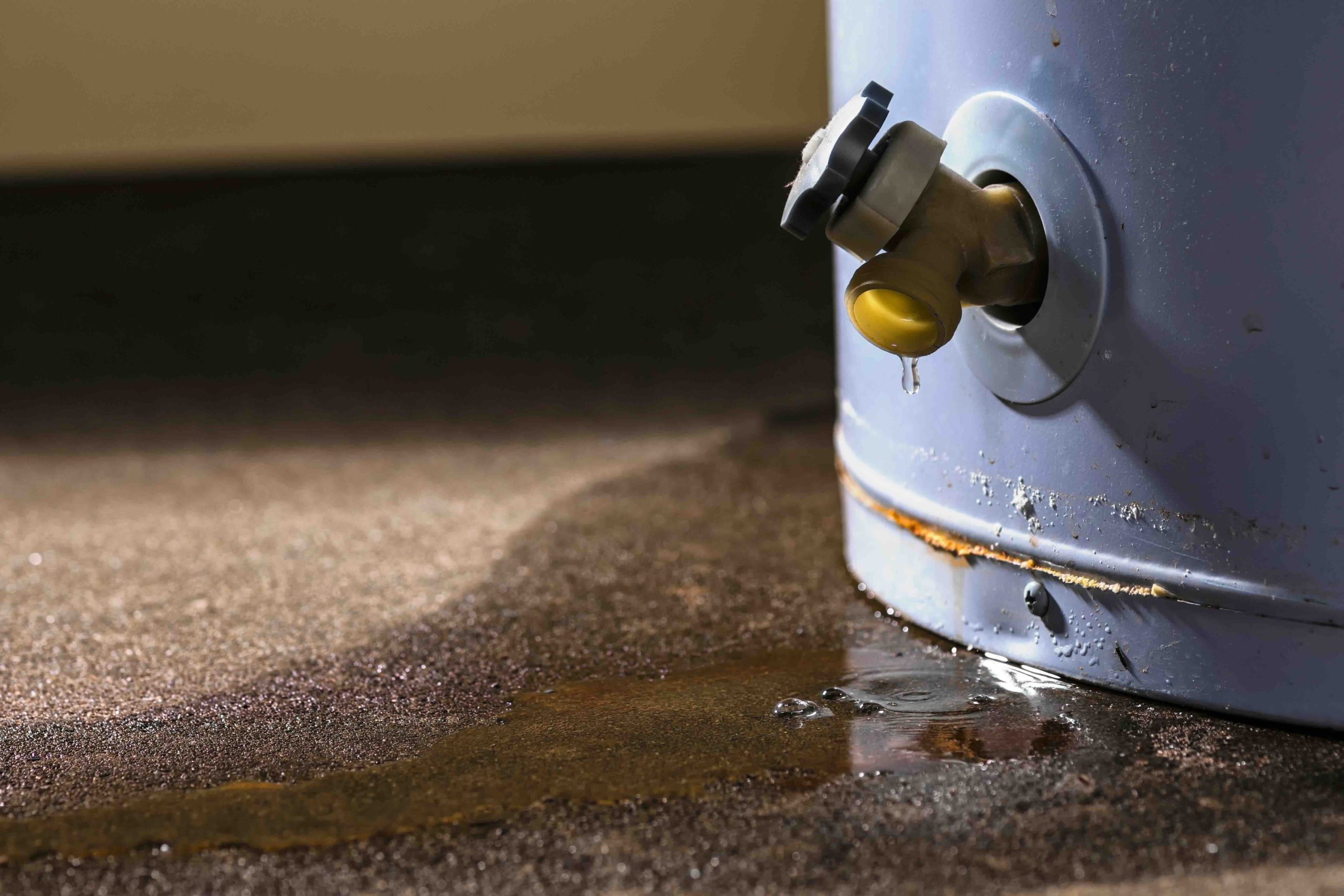
Basement water heaters present a few unique challenges compared to units installed in a utility closet or garage. The biggest issue is drainage. If your basement floor drain is higher than or level with the drain valve on the tank, water will not flow on its own. In that case, a submersible utility pump placed inside a bucket can move the water upward and out through a laundry tub or another exit point. Another common issue is a seized drain valve. If the valve has not been opened in years, it may be corroded or mineral-clogged and refuse to turn. Do not force it aggressively. Applying penetrating oil and letting it sit for a few minutes can help, but if the valve cracks or breaks, you are looking at a more involved repair. That is where having proper coverage becomes relevant.
How Often Should You Drain Your Basement Water Heater
A good general rule is to drain and flush your water heater once a year. If you live in an area with particularly hard water, twice a year is a reasonable approach. The more frequently sediment is cleared out, the better the unit performs and the longer it lasts. New water heaters typically have a lifespan of 8 to 12 years for tank-style units. Consistent maintenance can push that toward the higher end of the range. Skipping it regularly, on the other hand, can cause failure years ahead of schedule. Consider setting a recurring reminder at the same time each year so it does not slip through the cracks.
Key Benefits of Regular Water Heater Maintenance
Staying on top of this task pays off in multiple ways. Here is a quick look at what regular draining actually does for your home.
- Extends the operational lifespan of your water heater by reducing internal stress on components
- Lowers energy bills because the unit heats water more efficiently without sediment interference
- Reduces the risk of unexpected failure, leaks, or tank corrosion
- Improves hot water quality by clearing out mineral deposits that can affect taste and clarity
- Keeps manufacturer warranty requirements in good standing, as some warranties require documented maintenance
When to Call a Professional Instead of DIY
There are situations where the smart move is stepping back and calling a licensed plumber. If the drain valve is damaged or leaking after you attempt to open it, that needs professional attention. If you notice water discolored with rust or a strong sulfur smell during the flush, that could indicate internal tank corrosion or a failing anode rod, both of which deserve expert evaluation. Similarly, if your unit is approaching the end of its expected lifespan and you are seeing performance issues, a technician can assess whether a repair or full replacement is the better financial decision. Attempting repairs beyond basic maintenance without proper knowledge can cause more damage than the original problem.
How a Home Warranty Fits Into This Picture
Maintenance is within your control, but mechanical failure is not always preventable. Even a well-maintained water heater can fail due to a defective part, a faulty thermostat, or a heating element that simply gives out. That is where a home warranty earns its value. A quality home warranty plan covers repair or replacement costs for major home systems and appliances when they fail due to normal wear and tear. For a system like a water heater, which is costly to replace out of pocket, that kind of coverage can translate to real financial relief at exactly the moment you least expect to need it.
When you are comparing home warranty providers, look for plans that clearly define water heater coverage, include both parts and labor, and have a straightforward claims process. Avoid plans with excessive exclusions buried in the fine print. The right coverage should feel like a safety net, not a maze.

Why Armadillo Is the Right Partner for Water Heater Protection
You are already doing the right things by staying informed and keeping up with maintenance. But even the most diligent homeowner cannot predict when a water heater will fail at the worst possible time. Armadillo exists precisely for that scenario. As a trusted home warranty provider built for modern homeowners, Armadillo offers straightforward plans that cover the systems and appliances you rely on daily, including your water heater. There are no confusing tiers designed to mislead you, and no coverage that exists only on paper. If you want to stop worrying about what a water heater repair or replacement would cost and start feeling genuinely protected, take a moment to get a free home warranty quote for water heater and appliance coverage and see exactly what a plan looks like for your home. It takes about 60 seconds, and the peace of mind lasts a lot longer than that.
Frequently Asked Questions About Draining a Basement Water Heater
How long does it take to drain a basement water heater?
It typically takes between 20 minutes and 90 minutes depending on tank size, sediment level, and drainage setup. Basement units may take longer if a utility pump is required to move water uphill to a drain.
Do I need to turn off the water heater before draining it?
Yes. For electric units, shut off the breaker. For gas units, set the thermostat to pilot mode. Never drain a water heater while the heating element is active, as it can burn out without water surrounding it.
What if my basement does not have a floor drain?
You can use a submersible utility pump placed in a bucket connected to the drain valve hose, then route the discharge line up and out through a utility sink, window, or exterior access point.
How do I know if my water heater needs to be flushed?
Common signs include rumbling or popping sounds during heating cycles, reduced hot water output, longer recovery times, and visible rust or discoloration in your hot water. These all point to sediment accumulation.
Can draining a water heater fix a broken drain valve?
No. If the drain valve is cracked, corroded, or leaking, it needs to be replaced before or after draining the tank. This is a repair best handled by a licensed plumber.
Is draining a water heater covered under a home warranty?
Routine maintenance tasks like draining are typically not covered because they are considered homeowner responsibilities. However, if a component such as the drain valve, thermostat, or heating element fails, that repair or replacement may be covered depending on your plan terms.
How much sediment is too much in a water heater?
There is no precise threshold, but if flushing produces consistently heavy sediment flow or if the tank makes persistent noise even after a flush, the buildup may have already caused damage that warrants professional inspection.
Can I drain a water heater myself or should I hire a plumber?
Most homeowners can safely drain their own water heater following proper safety precautions. However, if you encounter damaged valves, signs of corrosion, or unusual water color, calling a licensed plumber is the safer choice.
Does flushing a water heater really extend its life?
Yes. Removing sediment reduces strain on the heating elements and tank lining, which directly contributes to longer operational life. Annual flushing is one of the most cost-effective maintenance habits a homeowner can develop.
What temperature should I set my water heater to after draining it?
The U.S. Department of Energy recommends 120 degrees Fahrenheit for most households. This temperature is hot enough to prevent bacterial growth while reducing scalding risk and energy consumption.