Why Your Windows Might Be Costing You More Than You Think
There is a specific kind of frustration that comes from sitting near a window in the middle of winter, wrapped in a blanket, and still feeling cold air creeping in. You turned up the heat. You checked the thermostat. Everything looks fine on paper. But that chill is real, and it is coming from somewhere. Window drafts are one of the most common and most overlooked sources of energy loss in a home, and the good news is that most of them are fixable without a full renovation. Understanding how to stop drafts from windows is genuinely useful knowledge for any homeowner who wants a more comfortable, energy-efficient home.
What Causes Window Drafts in the First Place
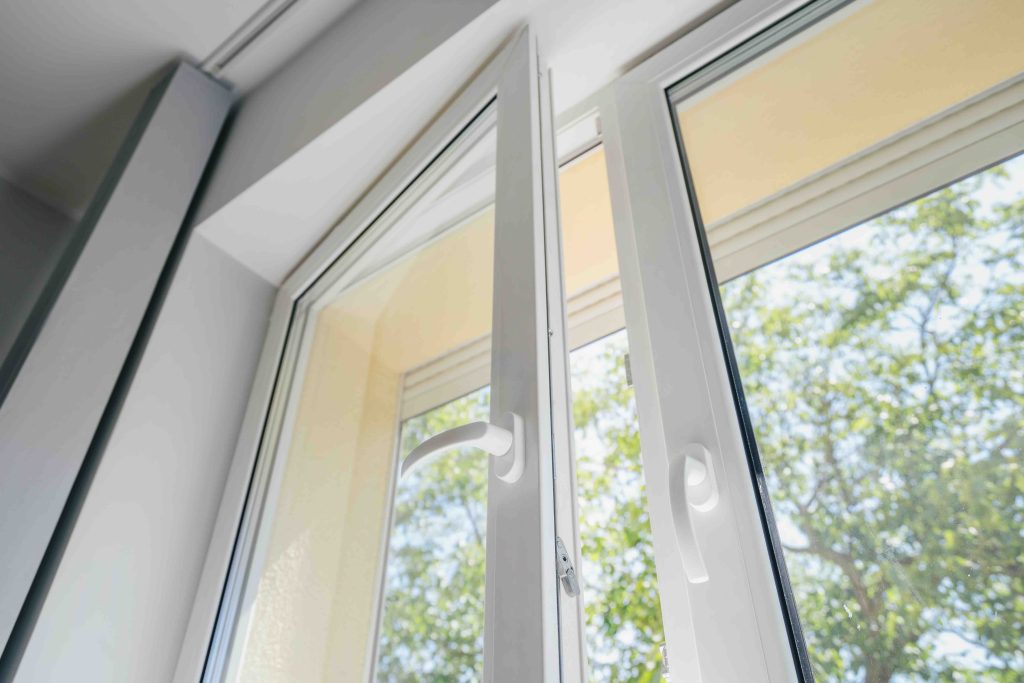
Before fixing the problem, it helps to understand why it happens. Window drafts occur when there are gaps or failures in the seal between the window frame and the surrounding wall, or within the window unit itself. Over time, the materials around windows expand, contract, and age. Caulk dries out and cracks. Weatherstripping compresses and loses its shape. The glazing compound holding glass panes in place can deteriorate. Even the window frame itself can warp slightly, especially in climates with extreme seasonal temperature swings. All of these issues create small pathways where outside air can enter and conditioned air can escape. It is not always dramatic. Sometimes it is just a faint, constant seep of cold or warm air that adds up over months and years into a noticeably higher energy bill.
How to Detect Drafts Around Your Windows
You cannot fix what you cannot find. Fortunately, locating window drafts does not require professional equipment. There are a few reliable methods homeowners use to identify problem areas before taking action.
- Hold a lit candle or stick of incense near window edges on a windy day and watch for flickering or smoke movement
- Use the back of your hand to feel for temperature differences along window frames and sills
- On a cold day, look for condensation forming at the edges of window glass, which often signals a compromised seal
- Purchase an inexpensive thermal leak detector or infrared thermometer for a more precise reading
- Shine a flashlight along the window frame from outside at night and have someone inside look for light bleed-through
The Most Effective Ways to Stop Drafts from Windows
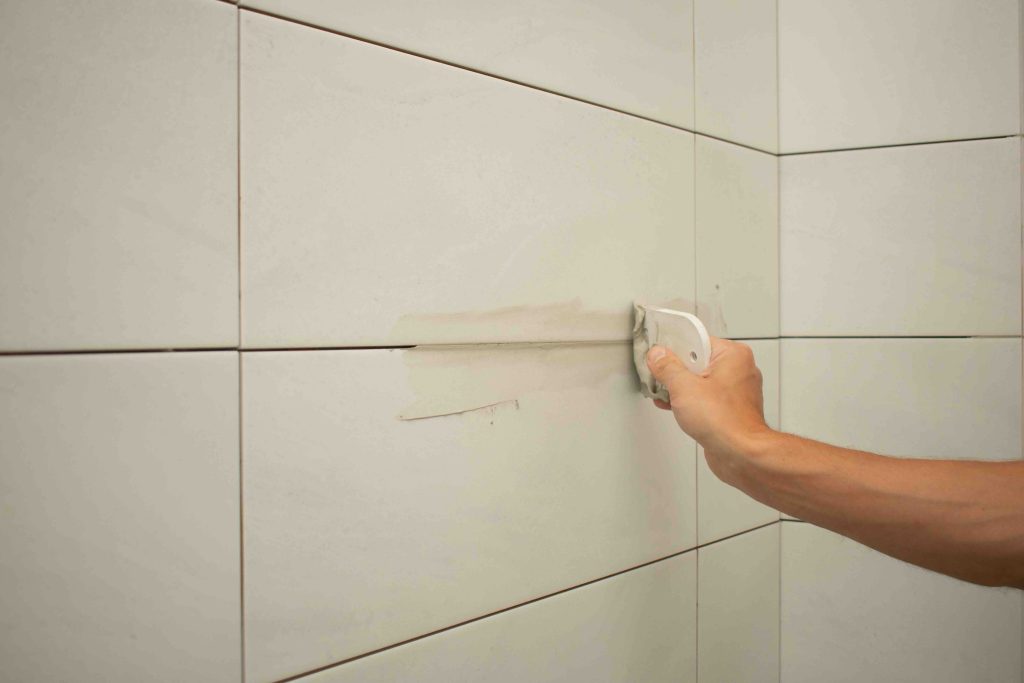
Once the problem spots are identified, there are several approaches to address them, ranging from quick DIY fixes to more involved upgrades. The right solution depends on the severity of the draft, the age of the window, and how much you want to invest. Reapplying caulk around the exterior and interior window frame is one of the most common and cost-effective fixes. Old caulk should be removed completely before new caulk is applied to ensure a proper bond. Weatherstripping is the go-to solution for drafts coming from the moving parts of windows, like sashes that slide or swing open. It compresses to fill the gap when the window is closed and can be replaced when it wears down. For older single-pane windows, adding a secondary window film or interior storm panel creates an insulating air pocket that dramatically reduces heat transfer. Rope caulk is a temporary but surprisingly effective option for the winter months since it presses into gaps like putty and peels off cleanly in the spring.
When a Quick Fix Is Not Enough
Some windows are beyond the stage where weatherstripping and fresh caulk will make a meaningful difference. If the frame itself is rotting, warped, or structurally compromised, or if the glass unit has a broken seal causing fogging between panes, the window may need to be replaced entirely. This is a bigger investment, but it is also an opportunity. Modern double-pane or triple-pane windows with low-emissivity coatings are dramatically more efficient than older single-pane models. They reduce drafts, cut noise, and lower energy costs in a way that surface-level fixes simply cannot replicate. A professional window inspection can help you determine whether repair or replacement makes more sense given the condition of your specific windows.

The Role of Window Treatments and Interior Insulation
Even after sealing gaps, windows remain a weak point in your home’s thermal envelope compared to insulated walls. That is where window treatments come in. Heavy thermal curtains or insulated cellular shades add a meaningful layer of protection against heat loss, especially at night when exterior temperatures drop. Layering solutions works well here. Seal the drafts first, then add a quality window covering to further reduce the temperature impact. Some homeowners also use interior window insulation kits, which are thin plastic film stretched over the window frame and shrunk tight with a hair dryer. These are not permanent solutions, but for the coldest months they create a noticeable improvement in comfort.
Energy Savings and Long-Term Benefits
Addressing window drafts is not just about comfort. The financial case is real. The U.S. Department of Energy has noted that heat loss through windows can account for a significant portion of residential heating and cooling costs. Properly sealing and insulating windows reduces the workload on your HVAC system, which means lower utility bills and less wear on equipment that costs far more to repair or replace. For homeowners planning to sell, improved window performance also contributes to better energy ratings and buyer appeal. Small improvements made consistently across the home add up to meaningful savings over time.
Common Mistakes Homeowners Make When Sealing Windows
Even well-intentioned fixes can fall short if the application is off. Applying caulk over old, cracked caulk without removing it first is one of the most frequent mistakes, since the new layer will not adhere properly and will fail faster. Using the wrong type of caulk is another common issue. Interior and exterior formulas are different, and using an interior product on an exposed outdoor surface will lead to premature cracking. Over-applying weatherstripping so that windows no longer close or latch correctly is also a problem worth avoiding. The goal is a snug seal, not a forced one. Taking the time to prep surfaces, choose the right materials, and follow application instructions makes the difference between a fix that lasts and one that needs to be redone next season.
How Window Draft Issues Connect to Your Broader Home Systems
Windows do not operate in isolation. Drafty windows affect how hard your heating and cooling system has to work, which directly impacts the lifespan of your HVAC equipment. They can also contribute to moisture intrusion, which creates conditions favorable to mold growth and can eventually affect wall insulation and framing. From a home systems perspective, windows are part of a larger picture of building performance. Ignoring a draft problem does not just mean a chilly living room. It can cascade into bigger, more expensive issues if left unaddressed for too long. This is exactly the kind of slow-developing problem that catches homeowners off guard when a related system fails unexpectedly.
Why Armadillo Home Warranty Is a Smart Layer of Protection for Window-Related Home System Issues
Fixing window drafts is a smart, proactive step. But home ownership means that even when you are diligent about maintenance, systems and appliances still break down. The HVAC system working overtime because of drafty windows is a prime example of how one issue can wear down another. That is where having a reliable home warranty becomes genuinely valuable. Armadillo home warranty coverage for heating and cooling systems gives homeowners a financial safety net when the equipment that keeps their home comfortable needs repair or replacement. When drafts have been straining your system for a season or two and something finally gives out, you want coverage that is straightforward and actually works. With transparent terms and a process that does not make you feel like you need a lawyer to understand your policy, Armadillo is built for homeowners who want real protection, not fine print. Get a free home warranty quote to protect your HVAC and home appliances and find out how affordable that peace of mind actually is.

Frequently Asked Questions About Stopping Drafts from Windows
Homeowners often have specific questions when tackling window drafts for the first time. Here are the most common ones, answered directly.
What is the fastest way to stop a draft from a window?
Rope caulk is the quickest temporary fix. It presses into gaps around window frames and sashes without tools, provides an immediate seal, and removes cleanly at the end of the season without damaging surfaces.
Is it better to caulk the inside or outside of a window?
Both sides benefit from sealing, but they serve different purposes. Exterior caulk blocks moisture and wind, while interior caulk prevents conditioned air from escaping into wall cavities. Ideally, you address both.
How do I know if my window seal is broken?
Fogging or condensation that appears between the glass panes of a double-pane window is the clearest sign of a failed seal. This cannot be fixed with caulk and typically requires replacing the glass unit or the entire window.
Can weatherstripping really make a difference in energy bills?
Yes. Weatherstripping around operable windows prevents air exchange at the points where frames meet sashes. When properly applied to multiple windows throughout a home, the cumulative impact on heating and cooling costs is measurable.
How often should window caulk be replaced?
On average, exterior caulk around windows should be inspected every one to two years and replaced every five to ten years, depending on the climate and product quality. Signs of failure include cracking, crumbling, or visible gaps.
Are window insulation film kits worth using?
For older single-pane windows or windows with minor seal issues, insulation film kits provide a cost-effective short-term improvement in thermal performance. They are not a long-term solution but work well as a seasonal measure.
Do thermal curtains actually stop window drafts?
Thermal curtains do not stop air infiltration at the source, but they do significantly reduce the felt impact of drafts by creating a buffer layer. They work best when combined with proper caulking and weatherstripping.
At what point should I replace a window instead of sealing it?
Replacement makes more sense when the frame is structurally damaged, rotting, or warped beyond repair, when the glass seal is broken, or when the window is a very old single-pane model that no longer meets modern efficiency standards.
Can window drafts affect my HVAC system?
Directly, yes. Drafty windows force your heating and cooling system to run longer and work harder to maintain set temperatures, which increases energy consumption and accelerates wear on components like the blower motor and heat exchanger.
Does a home warranty cover any damage caused by window drafts?
Home warranties typically cover the repair or replacement of major systems and appliances that fail due to normal wear and tear, including HVAC systems that may be stressed by poor window insulation. The windows themselves are generally considered a structural component and are not covered under standard home warranty plans.