What Is Shower Grout and Why Does It Need Repair?
Grout is the material that fills the joints between your shower tiles, holding everything together and creating a watertight seal. It sounds simple enough, but grout does a lot of heavy lifting in one of the most water-intensive spaces in your home. Over time, exposure to moisture, heat, soap, and general wear causes grout to crack, crumble, or discolor. When that happens, water can sneak behind your tiles, and that is where things get expensive fast. Shower grout repair is not just a cosmetic fix. It is a protective measure that keeps your bathroom walls, subfloor, and surrounding structure dry and intact.
How Shower Grout Works and Why It Fails
Most shower grout is cement-based, though epoxy grout has become more popular in recent years. Cement grout is porous by nature, meaning it absorbs water unless it has been sealed properly. Without a quality sealer applied regularly, moisture works its way in, breaks down the grout matrix, and eventually you end up with gaps, staining, and soft spots. Epoxy grout is more resistant to water and staining, but it is also more difficult to apply and more expensive upfront. Either way, even the best grout will degrade eventually. Thermal expansion from hot showers, movement in the home’s structure, and everyday scrubbing all contribute to grout failure over time. It is not a question of if it will need attention, but when.
Signs Your Shower Grout Needs Repair
Catching grout problems early saves you significantly more money than waiting until there is visible water damage behind the wall. Here are the most common warning signs that your shower grout is asking for help:
- Visible cracks or crumbling along tile joints
- Grout that has turned dark, gray, or black from mold and mildew growth
- Missing sections of grout between tiles
- Tiles that feel loose or shift slightly when pressed
- A musty odor coming from your shower area
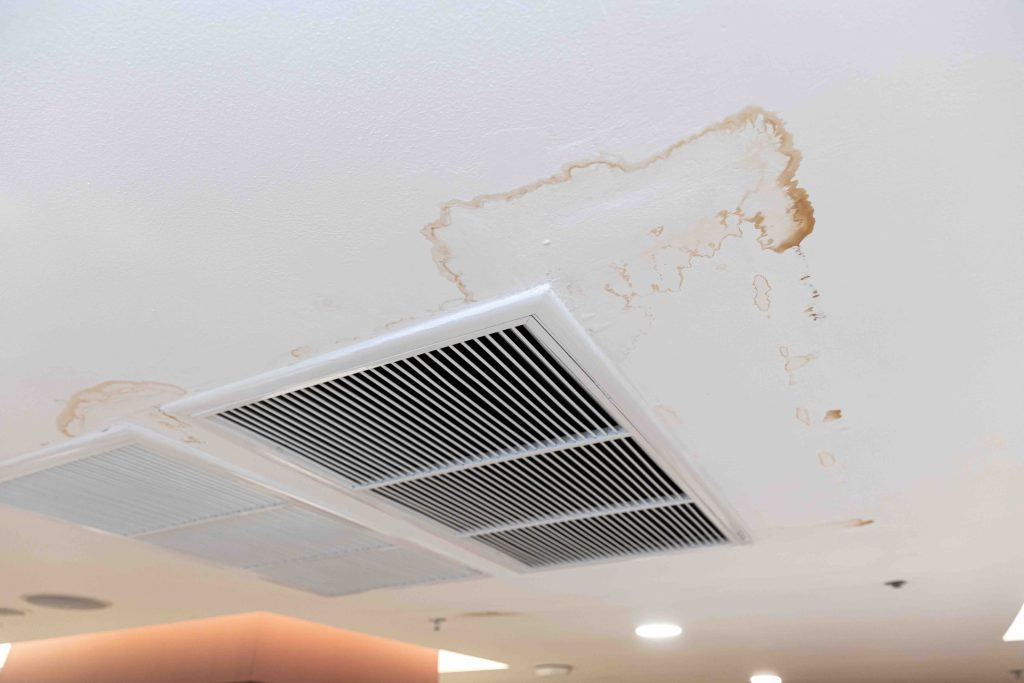
- Water staining on the ceiling or wall adjacent to the shower
- Grout that looks chalky or powdery rather than solid
If you notice any of these, the repair process should begin sooner rather than later. Ignoring failing grout is one of those home maintenance decisions that consistently costs homeowners more in the long run.
The Shower Grout Repair Process Explained
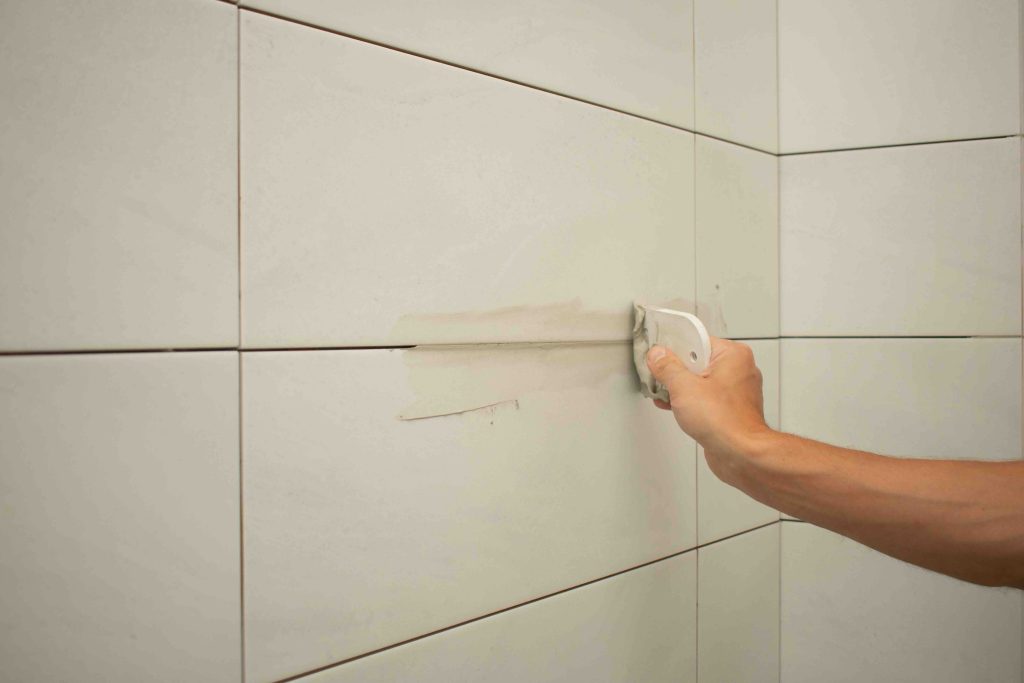
Repairing shower grout is a project that ranges from a quick DIY weekend job to a more involved professional repair, depending on the extent of the damage. The basic process involves removing the old, damaged grout using a grout saw or oscillating tool, cleaning the joints thoroughly, and then applying fresh grout. Once the new grout cures, a sealer is applied to protect it. Sounds manageable, and honestly for minor repairs it often is. The challenge comes when the damage has spread to multiple areas, when tiles need to be removed to address moisture behind the wall, or when the substrate itself has been compromised. That is when a professional tile contractor becomes the right call.

DIY vs. Professional Shower Grout Repair
There is a real temptation to handle grout repair yourself, and in many cases, that is perfectly reasonable. If you have a few isolated cracks or a small section of missing grout, a grout repair kit from a hardware store can absolutely get the job done. The tools required are minimal, the materials are inexpensive, and tutorial videos are easy to find. That said, matching existing grout color is notoriously tricky. Grout color changes as it cures and ages, so new grout almost never matches old grout perfectly on the first try. For larger repairs, or any situation involving suspected water damage behind the wall, bringing in a professional ensures the repair is done correctly and completely. Skipping that step can turn a moderate repair into a full tile replacement project.
Key Advantages of Timely Shower Grout Repair
Repairing your shower grout promptly offers benefits that go well beyond aesthetics. A properly grouted shower protects your home from water intrusion, which can cause structural damage, mold growth, and costly remediation work. Fresh grout also makes your bathroom look noticeably cleaner and more maintained, which matters if you ever plan to sell your home. On top of that, intact grout reduces the workload on your waterproofing membrane, essentially giving it backup support. And from a health perspective, sealing out moisture means keeping mold and mildew at bay, which is particularly important for anyone with respiratory sensitivities. The upfront investment in grout repair is small compared to the long-term protection it provides.
Common Drawbacks and Challenges to Keep in Mind
Grout repair is not without its complications. Color matching, as mentioned, is a persistent headache. Beyond that, repairs in older showers with unusual tile patterns or discontinued tile lines can be difficult because the replacement products simply may not exist anymore. Grout also takes time to cure fully, meaning the shower may be out of commission for 24 to 72 hours depending on the product used. And if water damage has already penetrated behind the tiles, grout repair alone will not solve the problem. The underlying moisture issue must be addressed first, which adds time and cost to the project. Being realistic about the scope of the repair before starting keeps expectations grounded.
How to Maintain Shower Grout After Repair
Once your grout is repaired and looking good, the goal is to keep it that way as long as possible. Maintenance is straightforward but requires consistency. Seal the grout every six to twelve months depending on how heavily the shower is used. Use a pH-neutral cleaner for regular cleaning and avoid harsh chemical sprays that break down grout over time. Run the bathroom exhaust fan during and after showers to reduce ambient moisture. Squeegee the tile walls after each use if you want to go the extra mile. These small habits compound over time and can extend the life of your grout significantly, reducing how often you need to revisit repairs.
What Shower Grout Repair Typically Costs
Cost varies quite a bit based on the extent of the repair and whether you hire a professional. DIY grout repair kits run anywhere from fifteen to fifty dollars for materials, making small fixes very affordable. Professional grout repair for a standard shower stall typically ranges from two hundred to five hundred dollars for labor and materials combined. If tiles need to be replaced or water damage behind the wall must be addressed, costs can climb into the one thousand to three thousand dollar range or higher depending on the severity. Getting a detailed estimate before work begins is always a good idea, and understanding what is included in that estimate helps avoid surprise charges.
Why Armadillo Home Warranty Is Worth Considering for Bathroom and Plumbing Protection
Shower grout repair is one of those jobs that often reveals something bigger lurking underneath. A crack in the grout leads to a closer look, and suddenly there is a leaking pipe, a damaged subfloor, or a plumbing issue that has been quietly developing for months. That is exactly the kind of situation where having a home warranty in your corner makes a real difference. Armadillo home warranty plans for bathroom plumbing and home systems are built to cover the unexpected costs that catch homeowners off guard, from pipe failures to system breakdowns that show up right after a routine maintenance discovery. Armadillo keeps things simple, transparent, and genuinely useful, which is not something every warranty provider can claim. If you want coverage that actually works when you need it, get a free home warranty quote to protect your plumbing and home systems today and find out how affordable real peace of mind can be.

Frequently Asked Questions About Shower Grout Repair
How do I know if my shower grout needs to be repaired or fully replaced?
If the damage is limited to small cracks, discoloration, or a few missing sections, repair is usually sufficient. If the grout is failing across most of the shower or water has already penetrated behind the tiles, a full replacement is likely the more effective solution.
Can I repair shower grout myself without professional help?
Yes, minor grout repairs are well within the range of a confident DIYer. The main challenges are color matching and ensuring the surface is fully clean and dry before applying new grout. For larger or more complex repairs, a professional tile contractor is a better choice.
How long does shower grout repair last?
With proper sealing and maintenance, a quality grout repair can last five to ten years or more. High-traffic showers used daily may see grout wear faster, making annual inspections a worthwhile habit.
What type of grout is best for shower repairs?
Epoxy grout is the most durable and water-resistant option, making it ideal for shower environments. Cement-based grout is easier to work with and widely available, but it requires regular sealing to maintain its integrity in wet conditions.
How soon can I use my shower after grout repair?
Most grout requires at least 24 hours before any water exposure, and full curing can take up to 72 hours. Always check the manufacturer’s instructions for the specific product you use, as cure times vary.
Does homeowners insurance cover shower grout damage?
Standard homeowners insurance generally does not cover grout deterioration because it is considered a maintenance issue rather than a sudden or accidental event. However, if a grout failure leads to a covered water damage event, portions of the resulting damage may be eligible depending on your policy.
Can a home warranty cover shower or bathroom repairs?
Home warranties typically cover mechanical systems and appliances rather than cosmetic repairs like grout. However, if a plumbing failure behind the shower wall is discovered during a repair, a home warranty may cover the plumbing component of that repair depending on the plan.
How often should shower grout be sealed?
For most showers, sealing grout once a year is a reasonable maintenance schedule. Showers used frequently or in humid climates may benefit from sealing every six months to maintain optimal water resistance.
What happens if I ignore failing shower grout?
Ignoring damaged grout allows water to penetrate behind tiles, which can lead to mold growth, damaged drywall or cement board, weakened subfloor structures, and potentially costly plumbing issues. What starts as a minor grout problem can escalate into a major water damage repair.
Is there a difference between grout and caulk in a shower, and which should I use for repairs?
Grout fills the joints between tiles across flat surfaces, while caulk is used at corners, edges, and transitions where two surfaces meet at an angle. Using caulk in corner joints instead of grout is actually the correct approach because it accommodates the slight movement that occurs at those junctions without cracking.