What a Residential Roof Inspection Actually Tells You About Your Home
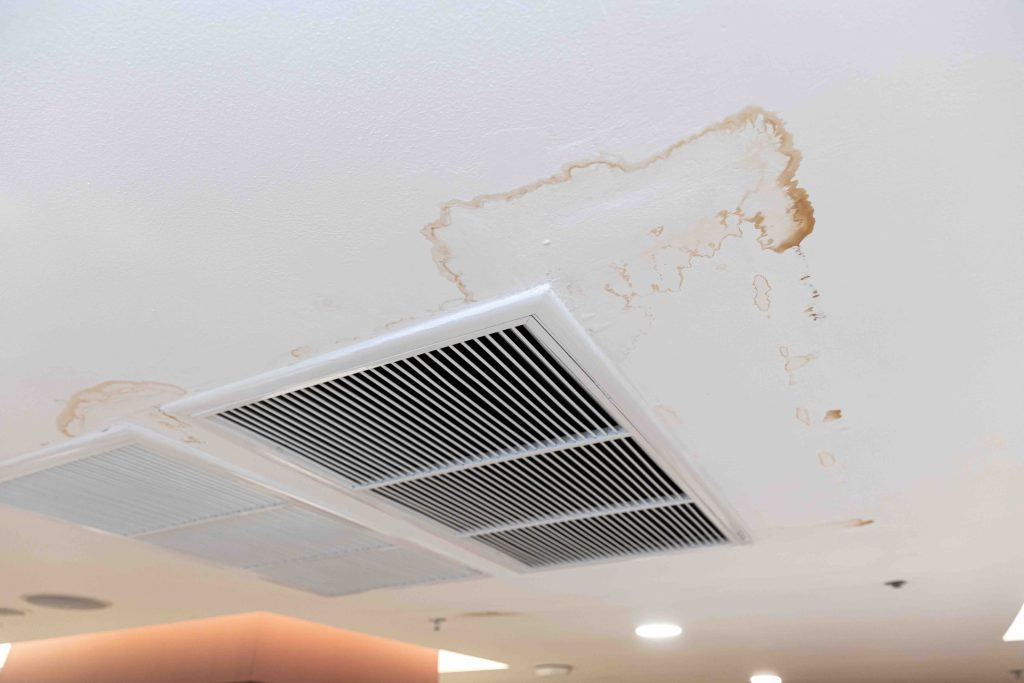
Most homeowners do not think about their roof until something goes wrong. A water stain appears on the ceiling, a shingle lands in the yard after a storm, or someone mentions it during a home sale and suddenly it becomes the most important topic in the room. The truth is, your roof works hard every single day and asks for very little in return, which makes routine inspection easy to ignore. But ignoring it is where the real cost begins. A residential roof inspection is one of the most straightforward ways to stay ahead of expensive problems and protect what is, for most people, their largest investment.
What Is a Residential Roof Inspection
A residential roof inspection is a professional assessment of your roof’s current condition, typically performed by a licensed roofing contractor or a certified home inspector. During the process, the inspector evaluates the roof’s structure, surface materials, drainage systems, and any penetrations like vents, skylights, or chimneys. The goal is to identify existing damage, assess the remaining lifespan of roofing materials, and flag any conditions that could develop into larger problems. Inspections can be visual, done from the ground or rooftop, or more involved with detailed interior attic assessments to check for moisture intrusion, insulation concerns, and ventilation problems. Some inspectors also use infrared technology to detect trapped moisture beneath roofing materials that would not be visible to the naked eye.
How the Inspection Process Actually Works
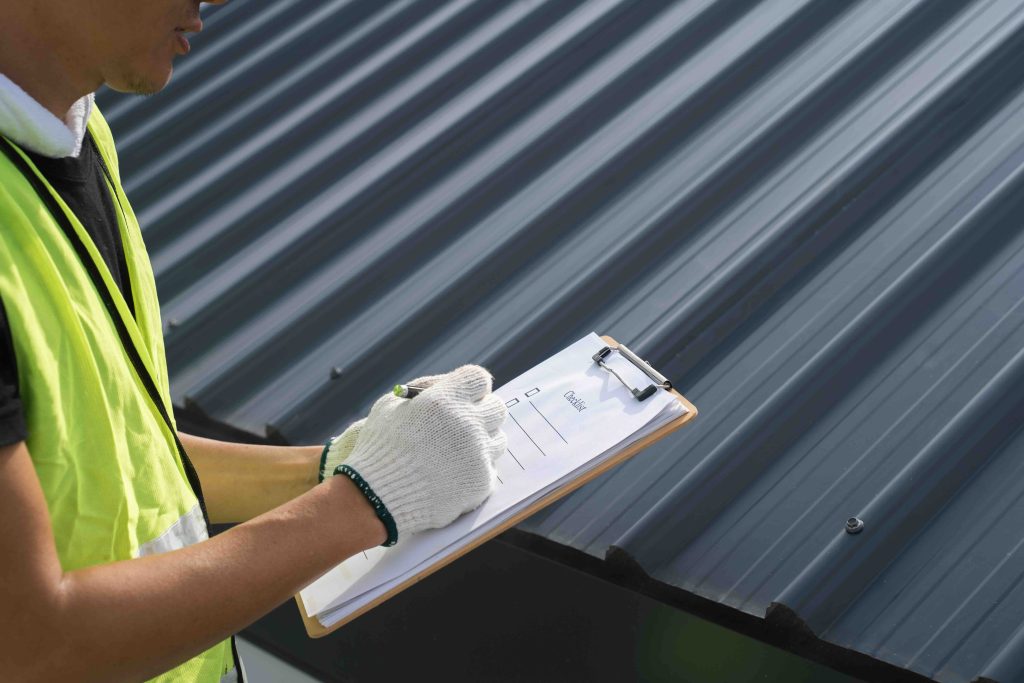
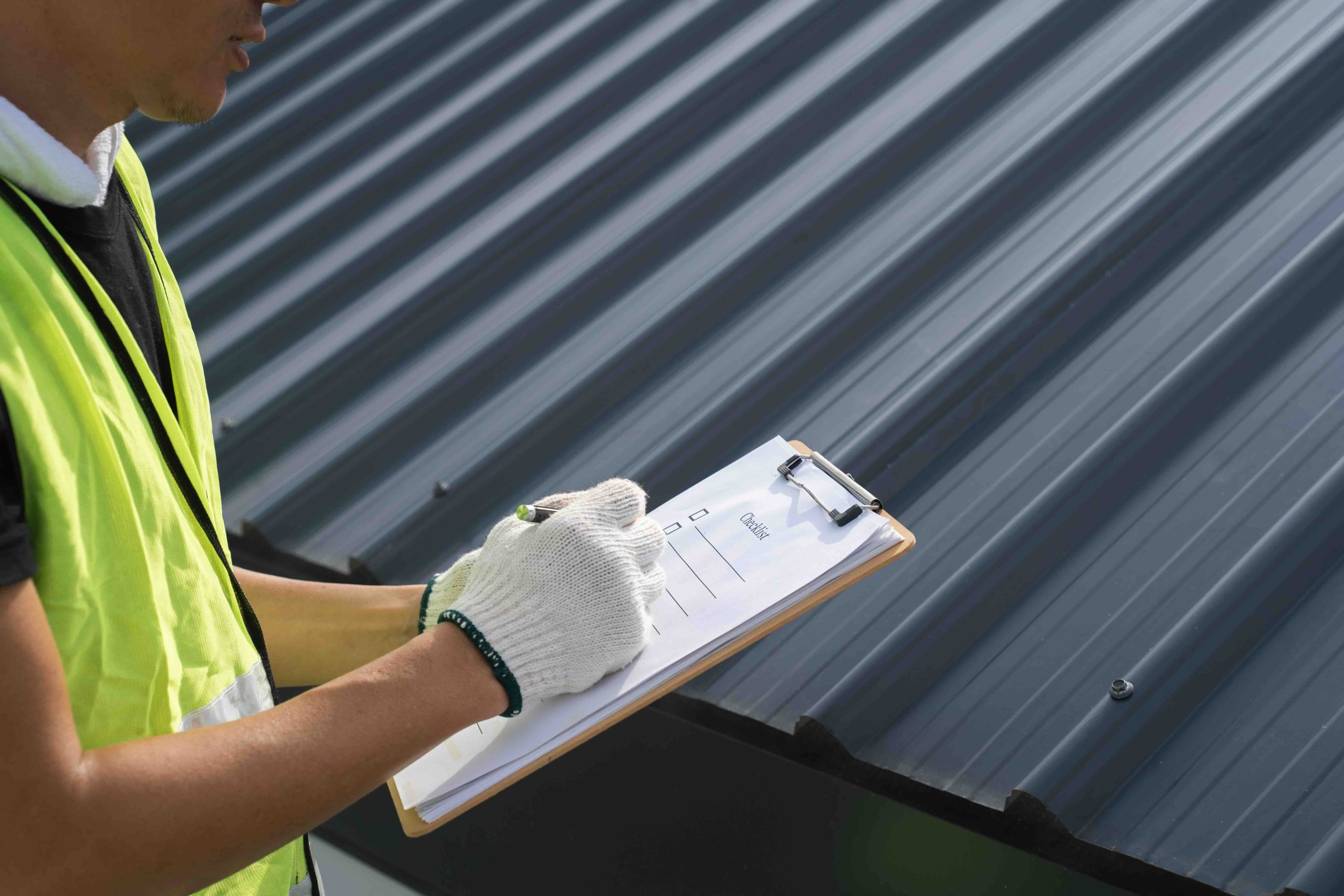
The process is more systematic than most homeowners expect. A qualified inspector approaches the roof in segments, working through a checklist of components rather than just looking for obvious damage. Here is a breakdown of what typically gets evaluated during a standard residential roof inspection:
- Shingles or roofing surface: checking for cracks, curling, missing pieces, granule loss, and general wear
- Flashing: the metal strips around chimneys, vents, and valleys that prevent water infiltration at transition points
- Gutters and drainage: ensuring water has a clear path off the roof and away from the foundation
- Soffits and fascia: the boards and panels beneath the roof edge that affect ventilation and structure
- Attic interior: signs of moisture, daylight penetrating through gaps, improper insulation, and blocked ventilation
- Structural integrity: sagging, uneven surfaces, or compromised decking beneath the roofing material
After the walkthrough, the inspector typically provides a written report detailing findings, recommended repairs, and an estimated remaining lifespan of current materials. That report is useful whether you are planning maintenance, budgeting for a replacement, or navigating a real estate transaction.
Key Advantages of Scheduling Regular Roof Inspections
The most obvious benefit is catching problems early. A small flashing gap or a handful of missing shingles might seem minor, but water is patient. It will find any entry point and work its way into decking, insulation, and framing over time. By the time visible interior damage appears, the repair scope has often multiplied significantly. Regular inspections, ideally once a year or after any major storm event, give you a realistic picture of what is happening above your head. They also extend the functional life of your roof by ensuring minor issues are addressed before they accelerate wear on surrounding materials. From a financial planning standpoint, inspections help homeowners anticipate when a full replacement is on the horizon so they can budget for it rather than face it as an emergency.
Common Drawbacks and Limitations to Understand
Roof inspections are valuable, but they are not without limitations. A visual inspection, even a thorough one, cannot always detect every issue. Moisture damage hidden beneath multiple layers of roofing or damage inside wall cavities may require additional diagnostic tools or more invasive investigation. Inspector experience and thoroughness also vary, which means the quality of the report you receive depends significantly on who performs it. Another common limitation is misidentification of roof age and remaining material life, particularly on roofs with multiple repair layers or unusual material combinations. Cost is also a consideration. While a basic inspection may run between one hundred and three hundred dollars depending on region and roof complexity, specialized infrared scans or post-storm assessments can cost more. And perhaps most importantly, an inspection identifies problems but does not fix them. Any repairs that follow are a separate cost entirely.

When You Should Schedule a Roof Inspection
There is no single perfect moment, but there are several situations where an inspection becomes especially worthwhile. After a significant weather event involving high winds, hail, or heavy snow accumulation, a prompt inspection can document any damage for insurance purposes and prevent secondary issues from developing. Before purchasing or selling a home, an independent roof inspection gives both parties an accurate understanding of what they are dealing with. If your roof is approaching the fifteen to twenty year mark, depending on material type, an inspection helps determine whether targeted repairs or full replacement makes the most financial sense. And if you notice anything unusual inside your home, such as water stains, damp insulation, or unexplained cold drafts near the ceiling, that is a direct signal to get someone on the roof sooner rather than later.
What Different Roofing Materials Mean for Your Inspection
Not all roofs age the same way, and the material your home was built with significantly affects what an inspector looks for and how long your roof should reasonably last. Asphalt shingles, the most common residential roofing material in the United States, typically last between twenty and thirty years under normal conditions. Metal roofing can last forty to seventy years but requires inspections focused on sealant integrity and fastener conditions. Clay and concrete tiles are durable but prone to cracking under foot traffic or impact, making post-storm inspections particularly critical. Wood shakes and shingles require attention to moss and moisture retention, which can accelerate decay. Flat or low-slope roofs using modified bitumen or TPO membranes need inspection of seams and membrane punctures. Knowing your material type helps you ask the right questions and interpret inspection results with more context.
Roof Inspections and Home Warranty Coverage
This is where a lot of homeowners run into confusion. Home warranties and homeowners insurance cover different things, and the roof sits in a complicated space between the two. Homeowners insurance typically addresses sudden, accidental damage such as storm or hail impact. Home warranties, by contrast, are designed to cover repair or replacement costs related to mechanical failure and normal wear and tear of systems and appliances. Roof coverage under home warranty plans varies by provider. Some plans include limited roof leak repair coverage, while others exclude roofing entirely or cap coverage amounts. This makes understanding your specific plan terms critical. An annual roof inspection report can actually support a warranty or insurance claim by documenting pre-existing conditions versus new damage, which protects you in disputes about when or how a problem originated.
Practical Tips for Homeowners Before and After an Inspection
Preparing for an inspection improves the quality of what you get back. Clear gutters before the inspector arrives so drainage can be assessed accurately. Make sure attic access is unobstructed so the interior portion of the inspection can be completed. Gather any documentation of previous repairs or replacements so the inspector has context about the roof’s history. After receiving your report, prioritize repairs based on urgency rather than cost alone. A minor flashing issue left unaddressed can cause more damage than a full shingle replacement deferred for one season. Also, keep a copy of every inspection report you receive. That paper trail adds value to your home during a sale and serves as documentation if you ever need to file an insurance or warranty claim.
Why Armadillo Belongs in Your Roof Protection Plan
Your roof works without recognition until something fails, and when it does, the last thing you want is to navigate repairs without a safety net. That is exactly where a well-structured home warranty becomes genuinely useful. Armadillo home warranty plans designed to protect your roof and home systems are built around transparency, straightforward coverage terms, and real support when homeowners need it most. If your roof inspection report has flagged concerns or you simply want to make sure your home is covered going forward, this is the right moment to act. You can get a free home warranty quote for roof leak protection and whole-home coverage in just a few minutes, with no pressure and no confusing fine print. Armadillo believes homeowners deserve clarity, not surprises, and that philosophy shows up in every plan.

Frequently Asked Questions About Residential Roof Inspections
Here are answers to the questions homeowners ask most often about roof inspections, coverage, and maintenance planning.
How often should a residential roof be inspected?
Most roofing professionals recommend a professional inspection at least once per year, typically in the spring or fall. Additional inspections are advisable after major storms, hail events, or any time visible interior changes suggest possible roof damage.
How long does a roof inspection take?
A standard inspection for an average single-family home typically takes between forty-five minutes and two hours, depending on roof size, complexity, pitch, and whether an attic interior assessment is included.
Can I inspect my own roof?
Homeowners can perform basic visual checks from the ground or through binoculars, but a professional inspection provides far more accuracy and safety. Walking on a roof without proper training and equipment creates fall risk and can cause additional damage to roofing materials.
What is the difference between a roof inspection and a roof appraisal?
A roof inspection evaluates the current condition, identifies damage, and estimates remaining lifespan. A roof appraisal is typically a value-based assessment used in insurance or real estate contexts to determine the monetary value of the roof as a component of the property.
Does a home warranty cover roof repairs?
Coverage varies significantly by provider and plan. Some home warranty plans include limited roof leak repair coverage, while others exclude roofing entirely. Always review the terms of your specific plan and ask your provider directly about what roof-related issues are covered.
Will homeowners insurance cover roof damage found during an inspection?
Homeowners insurance generally covers sudden and accidental damage, such as from storms or falling objects. It does not typically cover damage resulting from wear, age, or lack of maintenance. An inspection report documenting when damage occurred can support your claim.
How much does a residential roof inspection cost?
Costs typically range from one hundred to three hundred dollars for a standard inspection, depending on location, roof size, and scope. Specialized services like infrared moisture scanning or post-storm documentation may cost more.
What happens if my roof inspection reveals significant damage?
Your inspector will outline findings in a written report and may recommend specific repairs or full replacement depending on the severity. You then have the option to obtain contractor estimates, file an insurance claim if storm damage is involved, or consult your home warranty provider about covered repairs.
Can a roof inspection affect my homeowners insurance premium?
Yes, in some cases. A recent inspection showing a roof in good condition can support a favorable insurance rate, while evidence of deferred maintenance or significant age-related deterioration may influence your premium or coverage eligibility depending on your insurer.
How do I find a qualified roof inspector?
Look for inspectors with certifications from recognized industry organizations such as the National Roofing Contractors Association or those holding general home inspector credentials. Checking reviews, verifying licensing, and asking for sample reports before hiring are all reasonable steps in selecting a qualified professional.