Is Mold on Air Vents Dangerous? What Every Homeowner Needs to Know
You glance up at a vent in your hallway and notice something dark and fuzzy around the edges. Your first thought might be dust. Your second thought, hopefully, is that it could be mold. If that second thought crossed your mind, trust it. Mold on air vents is not something to brush off or schedule for “someday.” It is one of those home issues that starts quietly and tends to escalate faster than most people expect. Understanding what you are actually dealing with, how it gets there, and what it means for your home is the kind of information that protects both your health and your wallet.
What Is Mold on Air Vents and Why Does It Appear There
Mold is a fungal growth that thrives in environments where moisture, warmth, and organic material intersect. Air vents, specifically those connected to your HVAC system, check every one of those boxes. When warm air from inside your home meets the cooler surface of a metal vent cover or duct wall, condensation forms. That moisture, combined with dust particles carrying organic debris, creates the ideal conditions for mold spores to settle and grow. It is not a sign that your home is dirty or that you did something wrong. It is a sign that your HVAC system has a moisture management issue that needs to be addressed. Common mold types found in vents include Cladosporium, Aspergillus, and the more alarming Stachybotrys, often called black mold, each carrying different levels of health risk.
How Your HVAC System Can Spread Mold Throughout Your Home
Here is what makes vent mold particularly concerning compared to mold you might find on a bathroom wall or under a sink. Your HVAC system is constantly circulating air. Every time your system kicks on, it pulls air through return vents, pushes it through the ductwork, and distributes it through supply vents into your living spaces. If mold is present anywhere along that path, including on vent covers, inside ducts, or around the air handler, spores get picked up and redistributed throughout your entire home. What starts as a small colony near one vent can effectively seed every room in the house. That is the part most homeowners do not fully appreciate until they are dealing with a much larger problem.

Health Risks Associated With Mold in Air Vents
The health implications of mold exposure vary depending on the mold type, the volume of exposure, and the sensitivity of the individuals in the home. For most healthy adults, low-level exposure may cause minor irritation. For others, the effects can be significantly more serious. Recognizing the symptoms is an important first step.
- Persistent coughing, sneezing, or nasal congestion that does not resolve
- Watery, itchy, or red eyes with no obvious allergenic cause
- Headaches and fatigue that seem worse when inside the home
- Throat irritation, difficulty breathing, or wheezing
- Skin rashes or irritation in individuals with heightened sensitivity
- Worsened asthma symptoms, particularly in children
If anyone in your household is experiencing unexplained respiratory symptoms, mold in your HVAC system should be one of the first things you investigate. Black mold exposure in particular has been linked to more serious outcomes, including neurological symptoms and chronic respiratory conditions, which is why prompt action matters.
How to Identify Mold on Your Air Vents
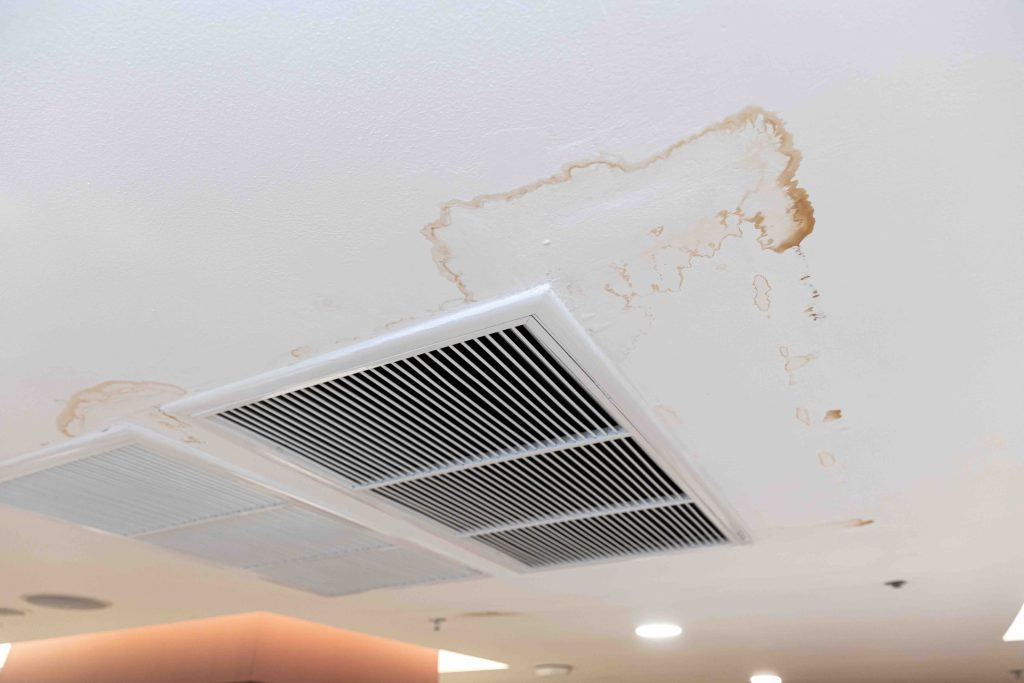
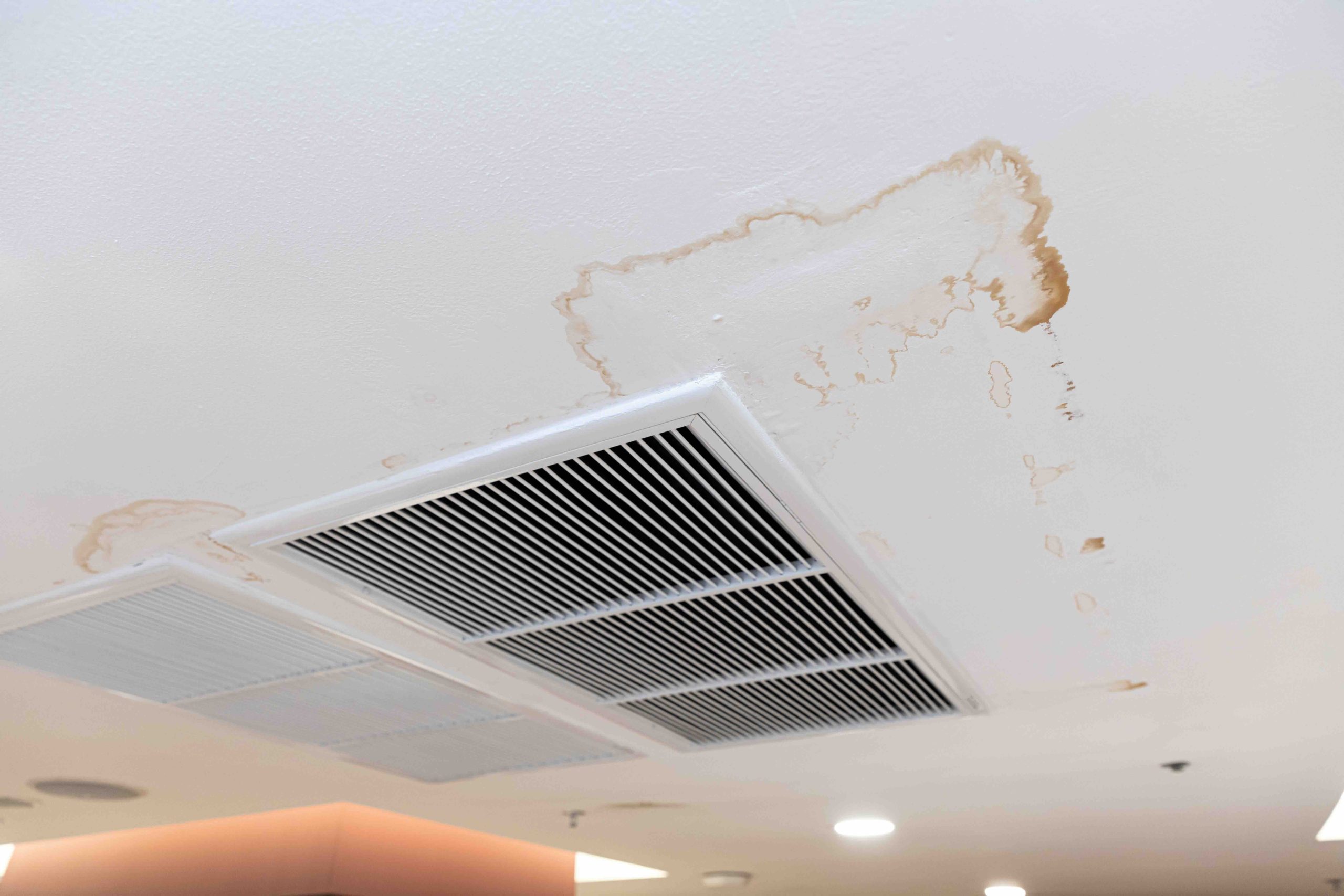
Spotting vent mold is sometimes straightforward and sometimes surprisingly easy to miss. Visible mold often appears as dark spotting, black or greenish discoloration, or a fuzzy texture around the edges of vent covers or just inside the vent opening. However, mold inside the ductwork itself is not always visible from the outside. Other indicators include a musty or earthy odor when your HVAC system is running, visible condensation around vents, or an uptick in allergy-like symptoms among household members. If you suspect mold but cannot visually confirm it, a professional HVAC inspection or air quality test can provide a more definitive answer. This is not an area where guessing serves you well.
Steps to Address and Remove Mold From Air Vents
Small amounts of surface mold on removable vent covers can sometimes be handled with a proper cleaning using an antimicrobial solution and appropriate protective gear, including gloves and an N95 mask. Remove the vent cover, clean it thoroughly outdoors if possible, and allow it to dry completely before reinstalling. However, mold that extends into the ductwork, appears in large quantities, or returns quickly after cleaning is a job for a professional. HVAC mold remediation typically involves sealing off affected sections, using commercial-grade antimicrobial treatments, and in some cases, replacing sections of ductwork that are too contaminated to clean effectively. Attempting to handle extensive duct mold without professional equipment can actually worsen the problem by disturbing spores and spreading them further.
Preventing Mold in Your HVAC System Long Term
Prevention is considerably less expensive and disruptive than remediation, and most of the strategies involved are practical maintenance habits that support your overall HVAC health anyway.
- Replace HVAC air filters on schedule, typically every one to three months depending on your household
- Keep indoor humidity levels between 30 and 50 percent using a dehumidifier if needed
- Schedule annual HVAC inspections to catch moisture issues before they become mold problems
- Ensure your AC drain lines are clear and functioning properly to prevent water backup near the air handler
- Check that ductwork is properly insulated, particularly in unconditioned spaces like attics and crawlspaces
- Consider UV light systems installed inside your HVAC unit, which can inhibit microbial growth
What Homeowners Often Get Wrong About Vent Mold
One of the most common mistakes is treating vent mold as purely a cosmetic issue. Painting over a stained vent cover or wiping it down with a basic household cleaner does not address the root cause and gives a false sense of resolution. Another misconception is that mold only appears in humid climates. While high humidity certainly accelerates growth, mold can develop in any home where condensation and dust combine, including in drier regions with temperature extremes. Finally, many homeowners assume that mold in vents is always covered by homeowners insurance. In practice, most standard insurance policies treat mold as a maintenance issue and exclude it from coverage, which is worth knowing before you assume a bill will be covered.
Does a Home Warranty Cover Mold in Air Vents
This is a question that comes up often, and the answer requires some nuance. Home warranties are designed to cover mechanical failures of home systems and appliances, meaning they step in when something breaks down due to normal wear and use. Mold itself is typically classified as a maintenance or environmental issue rather than a mechanical failure, so it falls outside the scope of most standard home warranty plans. However, if mold in your ductwork is the result of an HVAC component failure, such as a malfunctioning drainage system or a failing evaporator coil causing excess moisture, the underlying mechanical issue that contributed to the problem may well be covered. Understanding the distinction between what caused the mold and the mold itself is key to knowing what your plan may address.
Why Armadillo Is the Right Partner When Your HVAC System Needs Help
Discovering mold in your vents is stressful, and the follow-up expenses for HVAC repairs can compound that stress quickly. That is exactly the kind of situation where having the right home warranty in place makes a meaningful difference. Armadillo home warranty protection for HVAC systems and major home appliances is built for real homeowners dealing with real problems, not buried in fine print designed to find reasons to say no. When your HVAC system experiences a covered mechanical failure, whether that is the component that contributed to moisture buildup or a breakdown that comes after you have addressed a mold issue, Armadillo is ready to help cover the cost. If you want to stop worrying about what the next repair bill will look like, take a moment to get a free home warranty quote for HVAC and system coverage and see what a plan looks like for your home. It takes about two minutes and delivers the kind of peace of mind that is genuinely hard to put a price on.

Frequently Asked Questions About Mold on Air Vents
Is mold on air vents dangerous to my health?
Yes, mold on air vents can pose real health risks. When your HVAC system runs, it can circulate mold spores throughout your home, leading to respiratory irritation, allergic reactions, and in cases involving toxic mold like Stachybotrys, more serious health effects. Individuals with asthma, allergies, or compromised immune systems are especially vulnerable.
What does mold on air vents look like?
Mold on air vents typically appears as dark spotting, black or greenish fuzzy growth, or discoloration around the edges of vent covers or just inside the vent opening. A musty odor when the HVAC system runs is also a strong indicator of mold presence in the system.
Can I clean mold off air vents myself?
For minor surface mold on removable vent covers, careful DIY cleaning with an antimicrobial solution and proper protective gear can be effective. However, if mold is inside the ductwork, covers a large area, or returns quickly after cleaning, professional remediation is strongly recommended.
What causes mold to grow on air vents?
Mold on air vents is primarily caused by moisture. When warm air meets cooler vent surfaces, condensation forms, creating a damp environment where mold spores can settle and grow. Contributing factors include high indoor humidity, clogged drain lines, poor duct insulation, and infrequent filter changes.
How do I prevent mold from growing in my air vents?
Regular HVAC maintenance is the most effective prevention strategy. This includes changing air filters every one to three months, keeping indoor humidity below 50 percent, scheduling annual HVAC inspections, clearing condensate drain lines, and ensuring ductwork is properly insulated.
Does homeowners insurance cover mold in air vents?
In most cases, standard homeowners insurance does not cover mold that results from a maintenance issue or gradual moisture buildup. Coverage may apply if mold is the direct result of a sudden, covered event such as a burst pipe, but this varies by policy. Reviewing your specific policy language is essential.
Does a home warranty cover mold removal?
Home warranties generally do not cover mold removal itself, as mold is classified as a maintenance or environmental issue. However, if an HVAC mechanical failure contributed to excess moisture and subsequent mold growth, the cost of repairing the failed component may be covered under a qualifying home warranty plan.
How quickly can mold spread through an HVAC system?
Mold can spread relatively quickly through an HVAC system once established. Because ductwork distributes air continuously throughout the home, active mold colonies near vents or inside ducts can disperse spores to multiple rooms within days of initial growth, particularly when the system runs frequently.
When should I call a professional for mold in my air vents?
You should contact a professional if mold covers a large area, if it reappears shortly after cleaning, if it is present inside the ductwork rather than only on vent covers, or if household members are experiencing unexplained respiratory symptoms. A certified HVAC technician or mold remediation specialist can assess the extent of the problem accurately.
Can mold in air vents affect my entire home?
Yes. Because your HVAC system continuously moves air through ductwork connected to every room, mold present anywhere in that system can spread spores throughout the entire home. This is what distinguishes vent mold from localized mold growth and is the primary reason prompt attention is important.