What Is a Vent Pipe and Why Does Your Home Have One?
Most homeowners never think about their plumbing beyond what they can see at the sink or shower. But behind every properly functioning drain in your home is a network of pipes working together, and one of the most important members of that system barely gets any attention at all. The plumbing vent pipe, sometimes called the vent stack or drain-waste-vent pipe, is a vertical pipe that runs from your plumbing system up through your roof. It does not carry water. What it carries is air, and that air is what makes everything else in your plumbing system work correctly. Without it, your drains would gurgle, your traps would dry out, and sewer gases would find their way into your living space. Not exactly the home environment anyone is going for.
How Plumbing Vent Pipes Actually Work
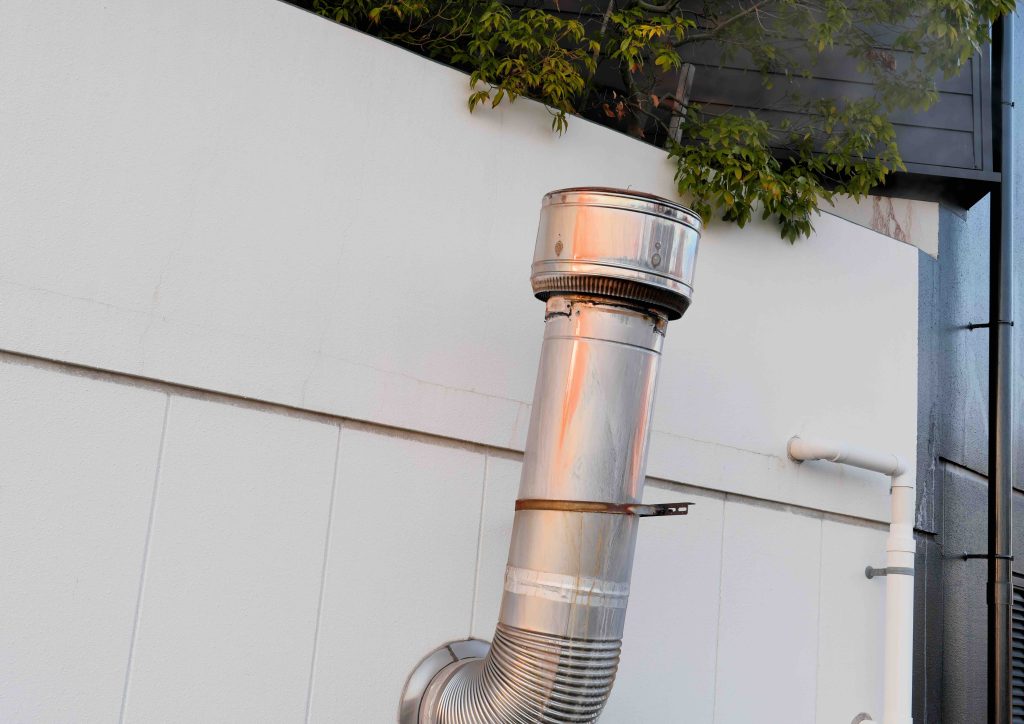
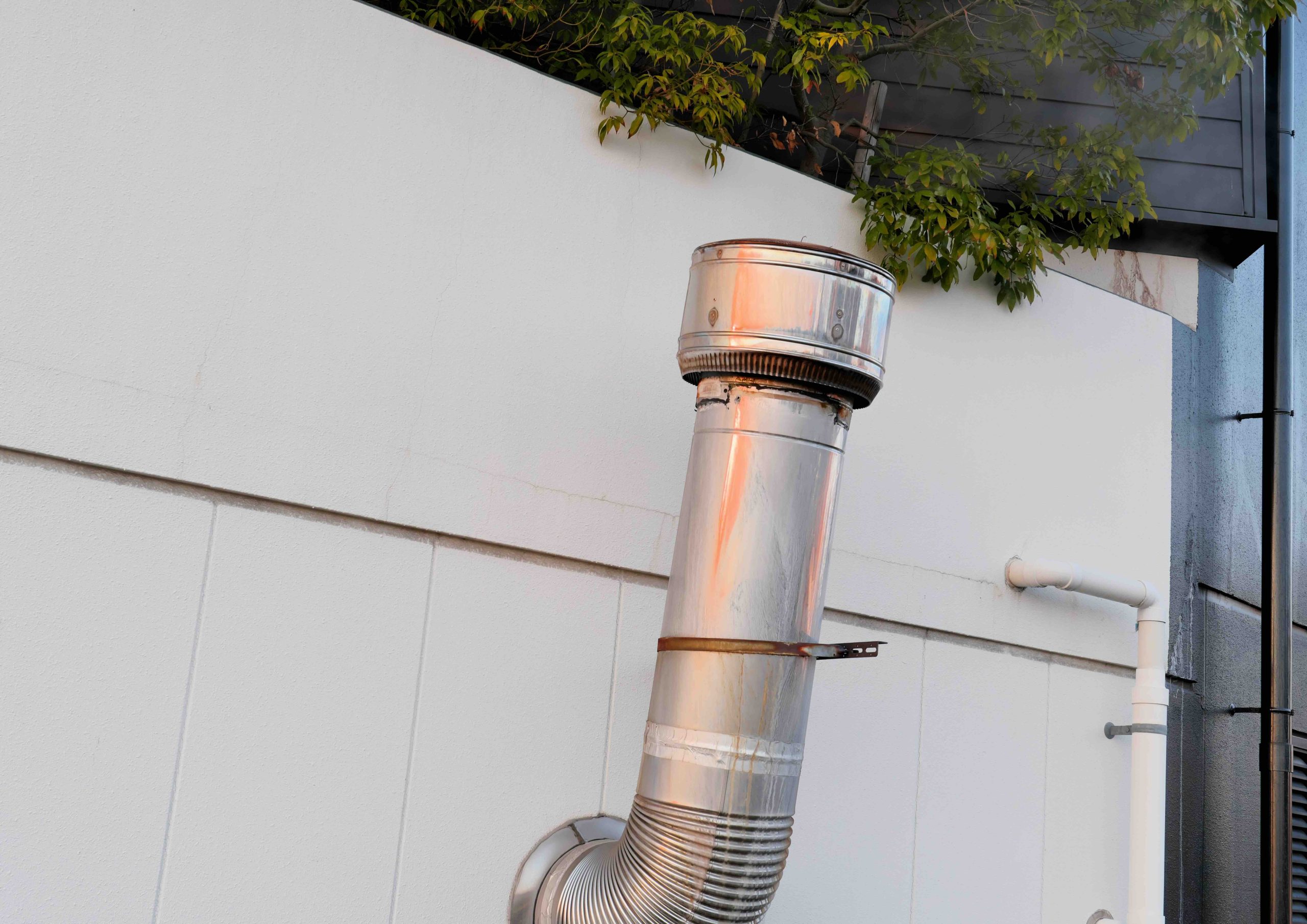
Here is the part that surprises a lot of people. Water draining through your pipes creates negative pressure, essentially a vacuum effect that would slow drainage to a crawl if left unchecked. The vent pipe solves this by introducing fresh air into the drain system, balancing the pressure so water flows freely and consistently. Each fixture in your home, whether it is your kitchen sink, toilet, or bathtub, connects through the drainpipe network to the main vent stack. That stack terminates above the roofline, open to the atmosphere. Air comes in, pressure stays balanced, water drains efficiently, and sewer gases exit safely through the roof rather than your bathroom. The whole system is elegantly simple once you understand it, though the installation itself requires careful planning and code compliance.
The Different Types of Plumbing Vents
Not every home uses the same venting configuration, and knowing the types helps you have more informed conversations with a plumber if an issue ever comes up. The most common configurations include the following:
- True vent: A vertical pipe connected to the drain line that runs up through the roof with no water passing through it
- Re-vent or auxiliary vent: Connects to the drain pipe near a fixture and ties back into the main vent stack
- Air admittance valve (AAV): A mechanical device installed under a sink or in a cabinet that opens to let air in when drainage occurs, eliminating the need to run a vent pipe to the roof in certain situations
- Wet vent: A single pipe that serves as both a drain and a vent, commonly used in bathroom groupings where space is limited
- Common vent: Used when two fixtures are installed back to back, sharing a single vent pipe between them
Each configuration has specific use cases and code requirements. What works in a new construction home may not be appropriate for a retrofit situation, which is why licensed plumbers always assess the full picture before recommending a venting approach.

Key Advantages of a Properly Functioning Vent Pipe System
When your plumbing vent system is doing its job, the benefits are significant and deeply practical. Drainage runs quickly and quietly throughout the home. P-traps, which are the curved pipe sections beneath your drains that hold a small amount of water to block sewer gases, stay full and functional because negative pressure is not siphoning them dry. Sewer gases including methane and hydrogen sulfide, which are both unpleasant and potentially hazardous, exit harmlessly through the roof. The entire plumbing system operates at the pressure it was designed for, reducing strain on joints, seals, and connections. Proper venting also extends the overall lifespan of your plumbing infrastructure, which is something that tends to matter quite a bit when you are a homeowner thinking about long-term costs.
Common Signs Your Vent Pipe May Have a Problem
Vent pipes are relatively low-maintenance, but they are not immune to problems. Knowing what to watch for can save you from a minor issue turning into a major repair. Some of the most frequently reported warning signs include sluggish drains that do not improve with standard cleaning, gurgling sounds coming from toilets or sink drains after water is released, sewer or rotten egg odors inside the home, and toilets that seem to drain slowly or bubble after flushing. These symptoms often point to a blocked or partially obstructed vent pipe. Debris, bird nests, leaves, and even ice buildup in colder climates are all known to cause vent pipe blockages. In some cases, the vent pipe itself may be cracked, improperly pitched, or incorrectly sized for the fixtures it serves, all of which require professional evaluation.
Drawbacks and Limitations of Traditional Vent Pipe Systems
As effective as vent pipe systems are, they do come with a few practical limitations worth understanding. Running vent pipes through walls and up through a roof adds complexity and cost to any plumbing project, particularly in renovation scenarios where walls are already finished. Roof penetrations, if not properly flashed and sealed, can become sources of water intrusion over time. In very cold climates, vent pipe openings on the roof can frost over, temporarily blocking airflow and creating drainage issues until temperatures rise. And because vent pipes are typically buried within wall cavities and roof structures, diagnosing problems can require invasive inspection methods. These are manageable realities, but they are worth factoring into both new construction planning and remodeling projects.
How Homeowners Can Maintain Their Plumbing Vent System
Routine maintenance for vent pipes is not particularly demanding, but being proactive pays off. Periodically inspecting the vent pipe termination on your roof for visible obstructions is a reasonable habit, especially after storms or in areas with heavy tree coverage. Installing a vent pipe cover or screen can help keep birds and debris out without restricting airflow. If you notice any of the warning signs mentioned earlier, resist the urge to ignore them. A plumber with a drain camera can often diagnose a vent blockage quickly and without major disruption. Staying on top of small issues before they escalate is genuinely one of the better investments a homeowner can make in the long-term health of their plumbing system.
What Homeowners Should Know Before Any Plumbing Work Involving Vents
If you are planning a bathroom addition, kitchen remodel, or any project that involves moving or adding plumbing fixtures, the vent configuration has to be part of the conversation from the start. Building codes in most jurisdictions are very specific about venting requirements, including maximum distances between fixtures and vent connections, minimum pipe diameters, and acceptable venting methods. Skipping this step or trying to cut corners with improper venting is one of the more common plumbing mistakes that leads to failed inspections and costly rework. Always work with a licensed plumber who is familiar with your local codes, and make sure permits are pulled for any significant plumbing work. It protects you, your home, and your resale value.
Why Vent Pipe Issues Fall Into That Frustrating Gray Zone of Home Repairs
Plumbing vent problems have a tendency to be exactly the kind of repair that catches homeowners off guard, both in terms of timing and cost. Because the symptoms, slow drains, odd smells, gurgling pipes, can mimic other plumbing issues, the diagnosis often requires professional tools and expertise. And when the vent pipe itself needs repair or replacement, accessing it inside a finished wall or through a roofline adds labor costs on top of materials. This is the category of home system repair where having some form of financial protection in place can make a meaningful difference in how stressful the whole experience turns out to be.
How Armadillo Helps You Stay Ahead of Plumbing System Surprises
Plumbing systems are one of those parts of a home that work quietly in the background until they do not, and when something goes wrong with your drain-waste-vent system, the repair costs can catch anyone off guard. That is exactly where a home warranty built around real-world plumbing coverage starts to matter. Armadillo home warranty plans designed for plumbing system protection are built to address the kind of unexpected failures that disrupt daily life without warning. If you have been putting off getting coverage because you were not sure what was actually included or whether it was worth the cost, now is a good time to take a closer look. You can get a free home warranty quote covering your plumbing and drain systems in just a few minutes, with no obligation and no pressure. Armadillo keeps the process straightforward because that is what homeowners actually need when they are already dealing with the stress of a repair.

Frequently Asked Questions About Plumbing Vent Pipes
The following answers address the most common questions homeowners have about plumbing vent pipes, how they work, and what to do when something goes wrong.
What does a plumbing vent pipe do?
A plumbing vent pipe introduces air into the drain-waste system to equalize pressure, allowing water to drain freely and preventing sewer gases from entering the home through drain openings.
Where does the vent pipe go in a house?
The main vent stack typically runs vertically through the interior of the home and exits through the roof. Individual fixtures connect to this stack through branch vent lines running inside wall cavities.
Can a clogged vent pipe cause slow drains?
Yes. A blocked vent pipe creates negative pressure in the drain lines, which slows water flow and can cause gurgling sounds in toilets and sinks throughout the home.
How do I know if my plumbing vent is blocked?
Common indicators include slow drains that do not respond to cleaning, gurgling noises after water drains, sewer odors inside the home, and toilets that bubble or drain sluggishly.
What causes a vent pipe to become blocked?
Debris such as leaves, bird nests, and small animals are common culprits. In colder climates, ice buildup at the roof opening can also temporarily obstruct the vent.
Is a vent pipe the same as a drain pipe?
No. Drain pipes carry wastewater away from fixtures to the sewer or septic system. Vent pipes carry air and allow sewer gases to escape, but they do not carry wastewater under normal conditions.
Can I add a plumbing fixture without adding a new vent?
It depends on the proximity to existing vent connections and local building code requirements. In some situations, an air admittance valve may be an approved alternative, but this varies by jurisdiction and should always be confirmed with a licensed plumber.
Are plumbing vent pipes covered by a home warranty?
Coverage varies by plan and provider. Some home warranty plans cover interior plumbing system failures, which may include vent-related issues depending on the cause and the specific terms of the contract.
How long do plumbing vent pipes last?
The lifespan depends on the material used. ABS and PVC vent pipes commonly found in modern homes can last several decades. Older cast iron vent stacks may have a shorter functional lifespan and can be more prone to corrosion over time.
When should I call a plumber about my vent pipe?
You should contact a licensed plumber if you notice persistent slow drains, recurring sewer odors, or gurgling sounds that do not resolve on their own. Early diagnosis typically results in less invasive and less expensive repairs.