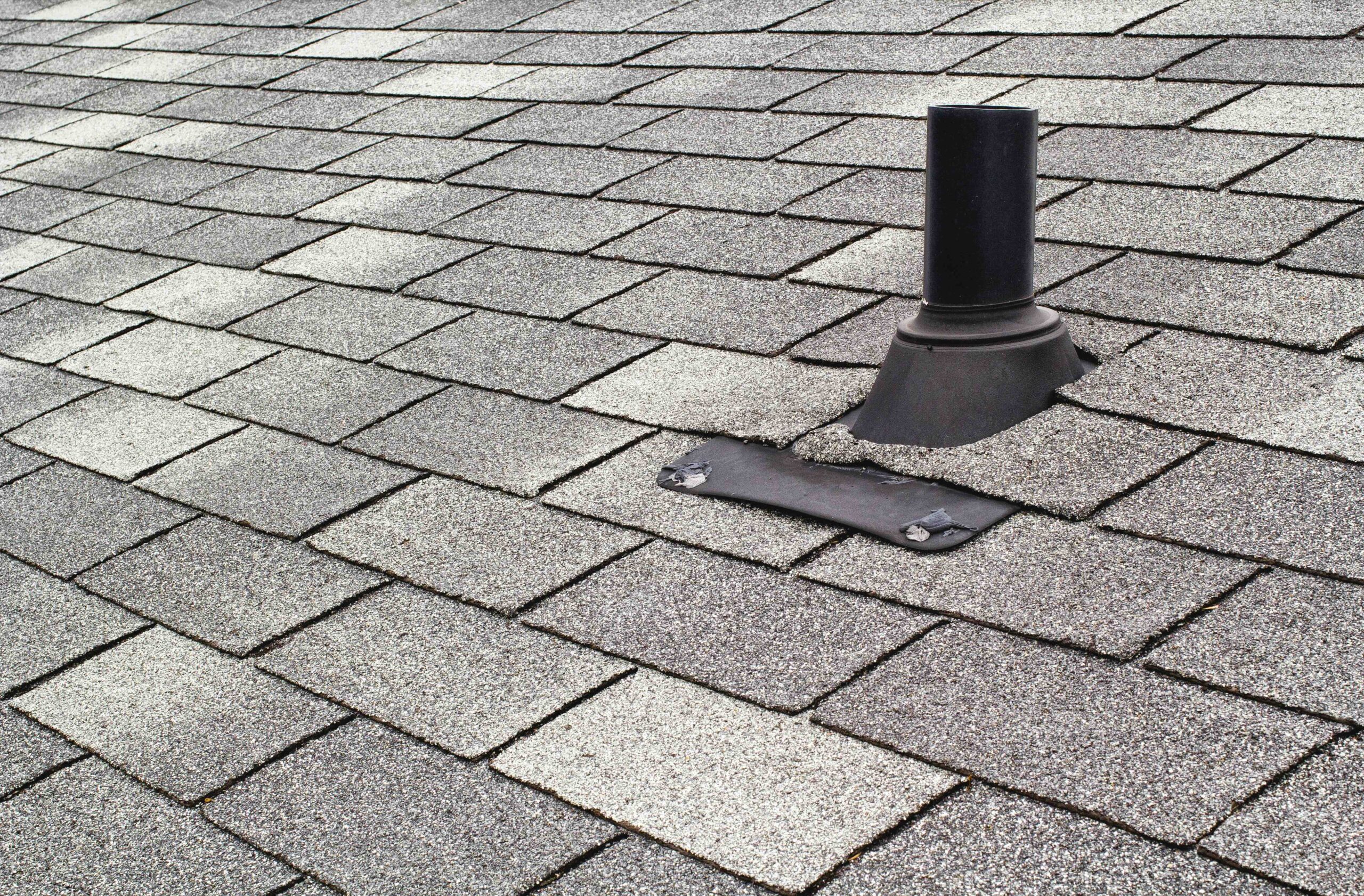
What Is a Blocked Vent Pipe and Why Should You Care?
Your home has a plumbing system that does a lot more than just move water. Tucked behind your walls and running up through your roof is a network of vent pipes that keep everything flowing properly. These pipes allow air into the drainage system so that waste and water can move freely without creating pressure problems. When a vent pipe gets blocked, the whole system starts to struggle — and the signs are hard to miss once you know what to look for. Slow drains, gurgling toilets, and that occasional sewer smell wafting through the bathroom? That is not random. That is your plumbing telling you something is wrong.
How Plumbing Vent Pipes Actually Work
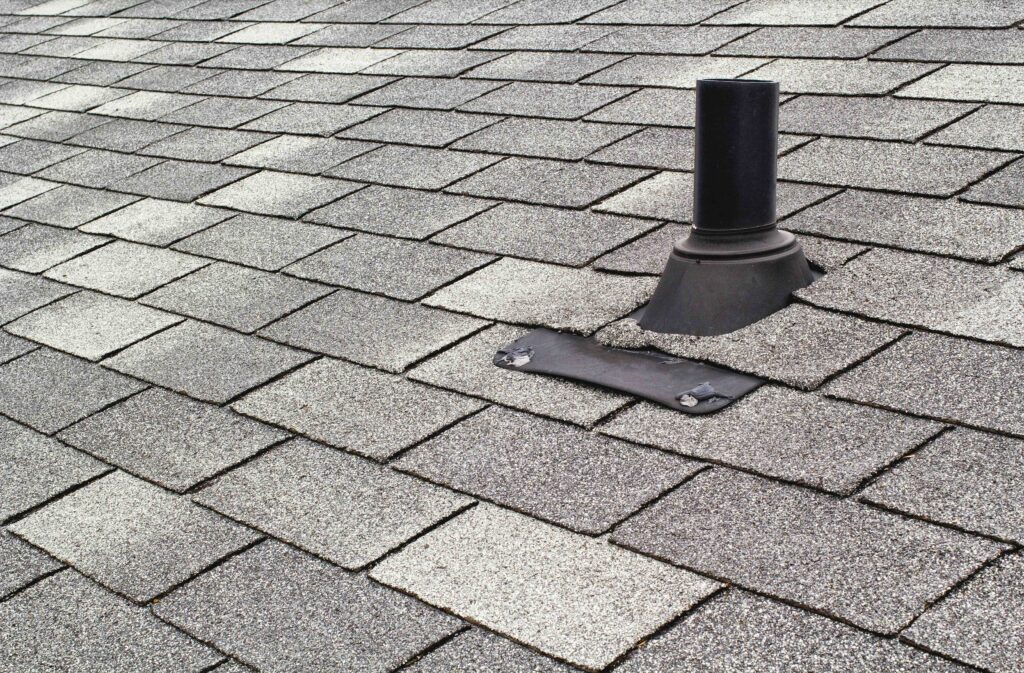
Think of your drain system like a bottle of ketchup. If you tip it upside down without breaking the air seal, nothing moves efficiently. The same physics apply to your home’s drains. Vent pipes — sometimes called plumbing stacks or drain-waste-vent pipes — run vertically through the structure of your home and exit through the roof. They allow fresh air to enter the drainage system, which equalizes pressure and lets wastewater flow freely. Without that air exchange, you get negative pressure, and negative pressure is what causes drains to gurgle and traps to siphon dry. A dry trap means no water barrier between your living space and the sewer gases below. Not a situation you want to ignore.
What Causes a Vent Pipe to Get Blocked?
Vent pipe blockages happen more often than most homeowners realize, and the causes vary more than you might expect. Because these pipes terminate on your roof, they are exposed to everything the outside world throws at them. Common culprits include:
- Bird nests and small animals seeking shelter inside the pipe opening
- Leaves, twigs, and debris accumulating at the roof opening
- Ice forming at the pipe terminus in cold climates during winter months
- Dirt, sediment, and buildup inside the pipe over time
- Improper pipe installation that creates low spots where debris collects
In some older homes, the vent pipes are undersized for the current plumbing load, which can cause them to behave as though they are partially blocked even when they are physically clear. That is a separate problem entirely, but worth knowing about if your home was built before modern plumbing codes were standardized.
How to Recognize the Symptoms of a Blocked Vent Pipe
Here is where things get practical. A blocked vent pipe rarely announces itself with an obvious leak or visible damage. Instead, it shows up as a collection of small, annoying symptoms that are easy to dismiss individually but should raise a flag when they appear together. Slow-draining sinks or tubs that seem fine structurally, toilets that gurgle when you run the sink in the same room, sewer odors that come and go without explanation — these are classic vent blockage symptoms. You might also notice that your toilet water level seems lower than usual after flushing, which suggests the trap is being siphoned by negative pressure. If multiple fixtures are affected at the same time, a blocked vent pipe is a very likely cause.
The Risks of Leaving a Blocked Vent Pipe Unaddressed
This is not a wait-and-see situation. A blocked vent pipe, left alone, can escalate from a plumbing nuisance to a genuine health and property concern. Sewer gases — including hydrogen sulfide and methane — can back up into your home when the vent system fails to exhaust them properly. Beyond the unpleasant smell, prolonged exposure to these gases poses real health risks. On the structural side, persistent drainage problems put extra stress on your pipes and can accelerate wear. Water that drains poorly or backs up partially is also a moisture risk, and moisture problems in a home tend to multiply over time. Addressing a vent blockage early is almost always less expensive than dealing with the downstream consequences.

Can You Clear a Blocked Vent Pipe Yourself?
In some cases, yes — with caution. If the blockage is near the roof opening and you are comfortable working at height, a garden hose or a plumber’s snake fed down through the roof vent can dislodge debris near the top of the pipe. Flushing the pipe with water from above is often enough to clear light obstructions like leaves or a bird nest that has not fully compacted. That said, roof access comes with obvious safety risks, and if the blockage is deeper in the pipe or the cause is unclear, a licensed plumber is the right call. Attempting to diagnose or clear a deeper blockage without the proper tools can make things worse, particularly if there is any cracking or deterioration in the pipe itself.
When to Call a Professional Plumber
There is a reasonable line between a homeowner fix and a professional repair, and a blocked vent pipe sits right on that border. Call a plumber when symptoms persist after a basic clearing attempt, when the smell of sewer gas is strong or consistent, when multiple fixtures are affected simultaneously, or when you have any reason to suspect the pipe itself is damaged rather than just obstructed. A professional has camera inspection tools that can go inside the pipe and identify exactly what is happening and where. That diagnostic clarity is worth the service call, especially before you invest time in repairs that may not address the actual problem.
Preventing Future Vent Pipe Blockages
Prevention is straightforward once you know the pipe is there and what it needs. A vent pipe cover or mesh screen installed at the roof opening will stop birds and large debris from entering. Annual roof inspections — which are good practice anyway — should include a visual check of the vent pipe termination to confirm it is clear and undamaged. In climates where winter ice is a factor, pipe sizing and pitch matter, and a plumber can advise on whether your current setup is at risk during cold snaps. Beyond those measures, staying alert to the early symptoms of a blockage is your best tool. The earlier you catch it, the simpler the fix.
What Home Warranties Typically Cover When It Comes to Plumbing Vents
Home warranty coverage varies by provider and plan, so reading the fine print matters here. Most home warranty plans cover plumbing systems — meaning the pipes and components that are part of the internal plumbing infrastructure — but coverage for vent pipes specifically depends on how the plan defines plumbing. Some plans cover drain-waste-vent systems as part of standard plumbing coverage, while others may treat roof penetrations or exterior pipe components differently. A blocked vent caused by normal debris accumulation may fall under a different coverage category than one caused by a failed pipe joint or structural issue. Knowing your plan’s language ahead of time means you are not scrambling when something goes wrong.
Why Armadillo Is the Right Home Warranty Partner for Plumbing Peace of Mind
Blocked vent pipes are a perfect example of the kind of home issue that catches people off guard — no obvious warning, gradual symptoms, and then a repair bill that feels entirely out of nowhere. That is exactly the kind of situation a good home warranty is designed to handle. Armadillo home warranty plans built around real plumbing system protection give homeowners a straightforward, honest layer of coverage that takes the financial surprise out of repairs like these. The plans are transparent, the service is responsive, and there is no maze of fine print designed to disqualify your claim. If you are a homeowner who wants to stop dreading the next unexpected repair, get a free home warranty quote for blocked drain and plumbing vent coverage and see what protecting your home actually looks like when the process is built around you.

Frequently Asked Questions About Blocked Vent Pipes
Answers to the most common questions homeowners have about plumbing vent pipe blockages, symptoms, repairs, and coverage.
What are the most common signs of a blocked plumbing vent pipe?
The most common signs include gurgling noises from drains or toilets, slow drainage across multiple fixtures, sewer gas odors inside the home, and toilet water levels that appear lower than normal after flushing. When several of these symptoms appear together, a blocked vent pipe is the likely cause.
Can a blocked vent pipe cause sewer smell in the house?
Yes. When vent pipes are blocked, sewer gases cannot escape through the roof as intended. Instead, they can back up through dry drain traps and enter your living space, causing a persistent or intermittent sewer odor inside the home.
How do I know if my vent pipe is blocked versus having a clogged drain?
A clogged drain typically affects one fixture. A blocked vent pipe usually causes symptoms across multiple fixtures simultaneously — gurgling in the toilet when the sink drains, for example. Camera inspection by a plumber can confirm the source of the problem definitively.
How much does it cost to clear a blocked vent pipe?
The cost varies based on the severity and location of the blockage. Basic clearing of a roof vent opening may cost between $100 and $200. More involved repairs involving camera inspection or deeper blockages can range from $300 to $600 or more, depending on your location and the plumber’s rates.
Is a blocked vent pipe covered by homeowners insurance?
Standard homeowners insurance typically does not cover plumbing maintenance issues like a blocked vent pipe unless the damage is caused by a sudden, covered peril. A home warranty plan is generally a better fit for this type of repair, as it is designed to cover mechanical failures and system breakdowns.
Can a blocked vent pipe cause damage to other parts of my plumbing?
Over time, yes. Persistent negative pressure from a blocked vent can cause drain traps to lose their water seal, leading to sewer gas infiltration. It also puts additional stress on drain pipes and fittings, which can accelerate wear and increase the likelihood of leaks or joint failures.
How often should plumbing vent pipes be inspected?
An annual visual inspection of the roof vent termination is a reasonable baseline. If your home is surrounded by mature trees or located in a region with frequent storms, inspecting twice a year is a smart precaution. Any time you notice drainage symptoms, a vent inspection should be part of the diagnostic process.
Can cold weather cause a vent pipe to block?
Yes. In cold climates, warm moist air rising through the vent pipe can freeze at the roof opening, forming an ice dam that gradually seals the pipe. This is more common in undersized pipes or in areas with extreme temperature swings. Proper pipe sizing and insulation can reduce this risk.
Does a home warranty cover blocked vent pipes?
Coverage depends on the specific plan and provider. Many home warranty plans include plumbing system coverage that extends to drain-waste-vent components, but the exact scope varies. Reviewing your plan’s definitions for plumbing coverage before a problem arises is the best way to understand what is and is not included.
Can I install a vent pipe cover myself to prevent future blockages?
Yes, vent pipe covers and mesh screens are available at most hardware stores and are designed for DIY installation in most cases. Make sure the cover you select is rated for outdoor use, fits your pipe diameter, and does not restrict airflow, as air exchange is the pipe’s primary function.