How Does a Refrigerator Actually Get Cold? A Homeowner’s Guide to Understanding Your Fridge
Most homeowners open the refrigerator door a dozen times a day without ever thinking about what is happening behind the scenes. It is easy to take for granted. You put food in, it stays cold, life moves on. But when something goes wrong — and eventually, something always does — understanding how your refrigerator works can help you recognize warning signs early, communicate clearly with a repair technician, and make smarter decisions about maintenance and coverage. So let us walk through exactly how a refrigerator gets cold, why that process sometimes breaks down, and what you can do to protect one of the hardest-working appliances in your home.
The Science Behind the Chill: Refrigeration 101
Refrigerators do not actually create cold air. That is one of the most common misconceptions homeowners have. Instead, your fridge removes heat from inside the cabinet and releases it outside — into your kitchen. The process relies on a refrigerant, which is a chemical compound that can easily shift between liquid and gas states. As it cycles through the system, it absorbs heat from inside the fridge, carries that heat to the exterior coils, and releases it. Then the cycle repeats, continuously, every single day your appliance is running. It is a closed-loop system that is surprisingly elegant once you understand it.
The Four Key Components That Make It Work
There are four main parts involved in the refrigeration cycle, and each one plays a specific role. When the system is functioning properly, these components work together in a seamless loop. When one fails, the whole system can collapse.
- The compressor pressurizes the refrigerant, turning it into a hot, high-pressure gas that gets pushed through the system.
- The condenser coils release that heat to the surrounding air, usually located on the back or underneath the fridge.
- The expansion valve reduces the pressure of the refrigerant, which causes it to cool rapidly before it enters the evaporator.
- The evaporator coils absorb heat from inside the refrigerator compartment, which is what actually makes the interior feel cold.
Think of it like a continuous relay race where each component passes heat along and the refrigerant is the runner. The moment one leg of that race breaks down, temperatures inside begin to rise.
What the Thermostat and Fan Actually Do
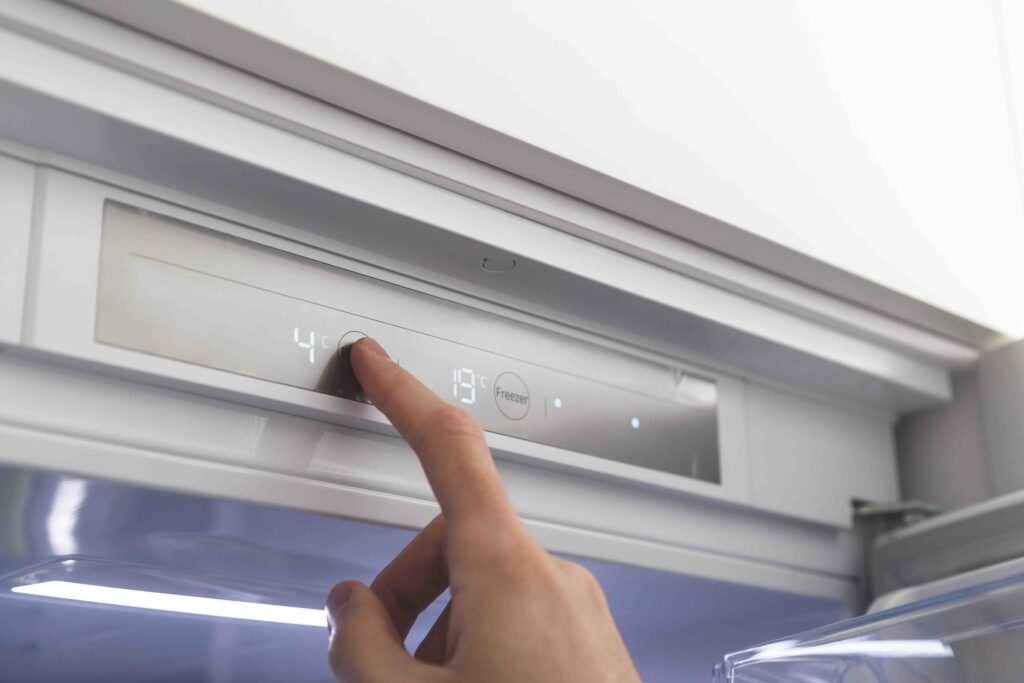
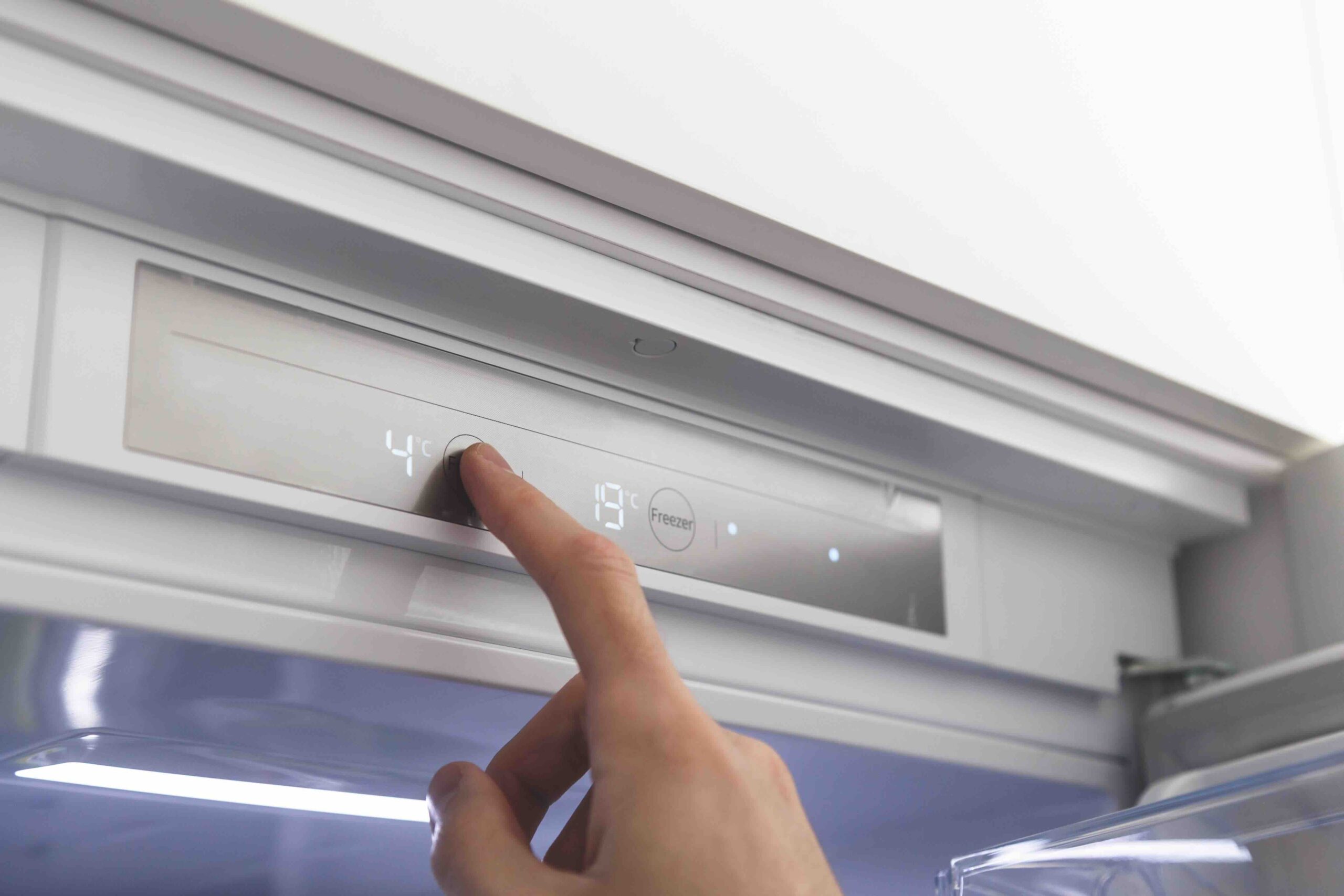
The thermostat monitors the internal temperature and signals the compressor to kick on when things get too warm. It is the brain of the operation. Meanwhile, the evaporator fan circulates cold air throughout the compartments so that the temperature stays even rather than just cold near the coils. In refrigerators with separate freezer sections, there is often more than one fan working at a time. When either the thermostat or a fan motor starts to fail, you might notice uneven temperatures, frost buildup, or sections that simply are not staying cold. These are your fridge trying to tell you something is off.
Common Refrigerator Problems and What Causes Them
Refrigerators are built to last, but they are not invincible. The average lifespan is somewhere between 10 and 20 years depending on the brand, model, and how well it is maintained. Over that time, certain components are more likely to wear out than others. Knowing what to watch for can save you from a kitchen full of spoiled groceries and an emergency service call.
- Compressor failure is one of the most expensive repairs and is often preceded by the fridge running constantly or making a loud humming noise.
- Refrigerant leaks can cause the fridge to stop cooling entirely — and they require a certified technician to diagnose and fix.
- Dirty condenser coils reduce efficiency and force the system to work harder, which shortens the lifespan of the compressor.
- Faulty door seals allow warm air to enter the cabinet, making the system work overtime and causing excess frost buildup.
- Defrost system failures lead to ice accumulation on the evaporator coils, which eventually blocks airflow and causes the unit to stop cooling.
How to Maintain Your Refrigerator and Extend Its Life
Refrigerator maintenance does not require a lot of time, but it does require consistency. Cleaning the condenser coils at least once or twice a year is one of the simplest and most impactful things you can do. These coils collect dust and pet hair over time, which forces the compressor to run longer and harder. You can use a coil brush or a vacuum attachment to clean them — they are usually accessible from the back or the bottom front panel. Beyond that, check the door gaskets regularly for cracks or tears, make sure the fridge is level so the doors seal properly, and keep the interior temperature set between 35 and 38 degrees Fahrenheit for optimal performance without unnecessary strain on the system.

When to Repair Versus When to Replace Your Refrigerator
This is the question every homeowner eventually faces, and it is not always a straightforward answer. A general rule of thumb is the 50 percent rule: if the cost of a repair exceeds 50 percent of the cost of a new appliance, replacement is usually the smarter investment. Compressor replacements, for example, can run anywhere from $300 to $600 or more — sometimes approaching the cost of a budget-friendly new model. Age matters here too. A refrigerator that is less than 10 years old is usually worth repairing. One that is 15 years old and experiencing compressor trouble is probably telling you it is time to move on.
Energy Efficiency and What It Means for Your Wallet
Refrigerators run 24 hours a day, 365 days a year, which makes them one of the highest energy-consuming appliances in the average home. An older, inefficient model can cost significantly more to operate annually compared to a newer ENERGY STAR certified unit. If your refrigerator is more than 15 years old, upgrading to a more energy-efficient model could lower your utility bills enough to partially offset the cost of the new appliance over time. This is something worth calculating before committing to a costly repair on an aging unit.
Signs Your Refrigerator Needs Immediate Attention
There are warning signs that should prompt you to call a technician sooner rather than later. Unusual noises like clicking, buzzing, or grinding can indicate compressor or fan motor issues. If the exterior of the fridge feels excessively warm, or if you notice water pooling underneath the unit, those are red flags. A refrigerator that cycles on and off too frequently — or one that runs constantly without maintaining the right temperature — is working harder than it should be. Catching these symptoms early can mean the difference between a minor repair and a full replacement.
Why a Home Warranty Makes Sense for Refrigerator Owners
Here is the reality: refrigerators break down, and when they do, the repair bills can be significant. A compressor replacement alone can cost several hundred dollars before you factor in labor. A home warranty is designed to protect you from exactly that kind of unexpected expense. Armadillo home warranty coverage for kitchen appliances and major home systems gives homeowners real financial protection when covered components fail due to normal wear and tear. There are no surprise markups, no scrambling to find a qualified technician on a Saturday afternoon, and no having to decide on the spot whether a repair is worth it. With a home warranty plan that covers refrigerator repairs and breakdowns, you can stop dreading that moment when the fridge stops cooling and start feeling genuinely prepared for it.

Frequently Asked Questions About How Refrigerators Work and Home Warranty Coverage
These are some of the most common questions homeowners ask about refrigerator operation, maintenance, and warranty protection.
How does a refrigerator keep food cold without producing cold air?
A refrigerator cools food by removing heat from the interior compartment using a refrigerant that cycles through evaporator coils, absorbs heat, and then releases it outside the unit through condenser coils. The absence of heat is what creates the cold environment.
What is refrigerant and is it dangerous?
Refrigerant is a chemical compound used in the refrigeration cycle to transfer heat. Modern refrigerators use refrigerants like R-134a or R-600a, which are considered lower-risk but should still only be handled by licensed HVAC or appliance technicians.
Why is my refrigerator running constantly but not getting cold?
This usually indicates a problem with the compressor, a refrigerant leak, or blocked evaporator coils due to a defrost system failure. Each of these issues requires professional diagnosis and repair.
How often should I clean my refrigerator’s condenser coils?
Condenser coils should be cleaned at least once a year, though twice a year is better in homes with pets. Dirty coils force the compressor to work harder and can significantly shorten the appliance’s lifespan.
What temperature should my refrigerator be set to?
The ideal refrigerator temperature is between 35 and 38 degrees Fahrenheit. The freezer compartment should be set at 0 degrees Fahrenheit to keep food properly preserved and reduce strain on the compressor.
How long does the average refrigerator last?
Most refrigerators last between 10 and 20 years depending on the brand, usage, and how consistently they are maintained. French door and side-by-side models tend to have slightly shorter lifespans than top-freezer units due to more complex components.
Does a home warranty cover refrigerator repairs?
Many home warranty plans include coverage for built-in refrigerators and kitchen appliances. Coverage typically applies to mechanical and electrical failures from normal wear and tear, including compressor issues, fan motor failures, and thermostat malfunctions.
What refrigerator problems are usually not covered by a home warranty?
Most home warranties exclude cosmetic damage, damage caused by misuse or neglect, and pre-existing conditions that were present before coverage began. Damage from power surges or improper installation is also commonly excluded.
Is it worth repairing an old refrigerator or should I replace it?
If the repair cost exceeds 50 percent of the price of a comparable new model, or if the appliance is more than 15 years old and experiencing a major mechanical failure, replacement is usually the more cost-effective decision in the long run.
How does a home warranty differ from a manufacturer’s warranty on a refrigerator?
A manufacturer’s warranty typically covers defects in materials or workmanship for a limited period after purchase, usually one year. A home warranty, by contrast, covers normal wear and tear failures across multiple systems and appliances in the home regardless of when they were purchased.