What Is a Flooded Basement and Why Should Every Homeowner Take It Seriously
A flooded basement is one of those home emergencies that tends to arrive without much warning and leave behind a surprisingly large repair bill. Whether it is caused by heavy rainfall, a burst pipe, a failed sump pump, or poor drainage around the home’s foundation, basement flooding is more common than most homeowners realize. In fact, it is estimated that nearly 98 percent of homes with basements will experience some form of water damage during the life of the structure. That is not a statistic designed to alarm you — it is simply a reality that makes understanding basement flooding, and how to respond to it, genuinely important. This article walks through exactly what happens when a basement floods, how the repair process works, what it costs, and what protections — including home warranty coverage — can help you manage the financial impact before disaster strikes.
How Basements Flood: The Most Common Causes
Understanding the source of a flood is the first step toward preventing the next one. Basements are uniquely vulnerable because they sit below grade, meaning water naturally wants to move toward them. The most frequent causes of basement flooding include heavy or prolonged rainfall that overwhelms drainage systems, groundwater seeping through foundation cracks, sump pump failure during a storm, plumbing leaks or burst pipes inside the home, and improper grading around the exterior that channels water toward the foundation rather than away from it. Each of these causes calls for a slightly different repair approach, which is why professional diagnosis matters more than people often expect. You can mop up the water, but if you do not address the source, the problem will simply return — sometimes worse than before.
What Happens During a Flooded Basement Repair
The repair process following a flooded basement is not a single task — it is a sequence of coordinated steps, each one building on the last. Here is a general overview of what a professional restoration and repair process typically looks like:
- Water extraction using industrial pumps and wet vacuums to remove standing water as quickly as possible
- Structural drying with commercial-grade dehumidifiers and air movers to pull moisture from walls, floors, and framing
- Mold assessment and remediation if moisture has been present long enough to allow growth, typically 24 to 48 hours
- Inspection and repair of the root cause, whether that is a cracked foundation wall, a failed sump pump, or a broken pipe
- Replacement of damaged materials such as drywall, insulation, flooring, and any affected structural components
- Waterproofing upgrades to reduce the likelihood of future flooding, including interior drainage systems, exterior sealants, and improved grading
The timeline for all of this can range from a few days for minor incidents to several weeks for significant structural damage. The key is acting quickly — every hour of delay increases both the scope of damage and the cost to repair it.
The Real Cost of Basement Flood Repairs
This is usually where homeowners start feeling the full weight of the situation. The cost of repairing a flooded basement varies considerably based on the severity of the flooding, the size of the space, the materials involved, and the underlying cause. Minor water intrusion with no structural damage might cost anywhere from a few hundred to a couple thousand dollars to address. A more serious flood involving standing water, mold growth, and material replacement can run anywhere from five thousand to fifteen thousand dollars or more. Interior waterproofing systems, which are often recommended after a flooding event, add another three to ten thousand dollars on average. Exterior waterproofing — the most comprehensive solution — can push costs well beyond that. These numbers are not meant to be discouraging, but they do highlight why having financial protection in place before a flood occurs is a smart and practical decision for any homeowner.

Sump Pumps: The First Line of Defense Against Basement Flooding
If your home has a basement, there is a reasonable chance it also has a sump pump — or it probably should. A sump pump sits in a pit at the lowest point of the basement and is designed to collect groundwater before it has a chance to rise to floor level. When water reaches a certain point in the pit, the pump activates and routes the water away from the home through a discharge line. It is a simple system in concept, but it is doing a significant amount of work, especially during heavy rain events. Sump pumps are not invincible, though. They can fail due to power outages, mechanical wear, clogged discharge lines, or simply reaching the end of their operational lifespan — typically seven to ten years. A backup sump pump powered by battery is a worthwhile investment for homeowners in areas prone to flooding or frequent heavy rainfall.
Waterproofing Your Basement: Interior vs. Exterior Systems
Once a basement has flooded, most homeowners want to ensure it never happens again. That often means investing in some form of waterproofing system. Interior waterproofing does not actually stop water from entering the foundation — instead, it manages water after it gets in by directing it to a drainage channel and ultimately to the sump pump. It is less disruptive to install and more affordable than exterior options. Exterior waterproofing, on the other hand, addresses the problem at the source by applying waterproof membranes and drainage board to the outside of the foundation wall. This approach requires excavating around the perimeter of the home, which is a significant undertaking, but it provides a more comprehensive and long-lasting solution. The right choice depends on the severity of your water problem, your budget, and the age and condition of your foundation.
Mold After a Basement Flood: What Homeowners Need to Know
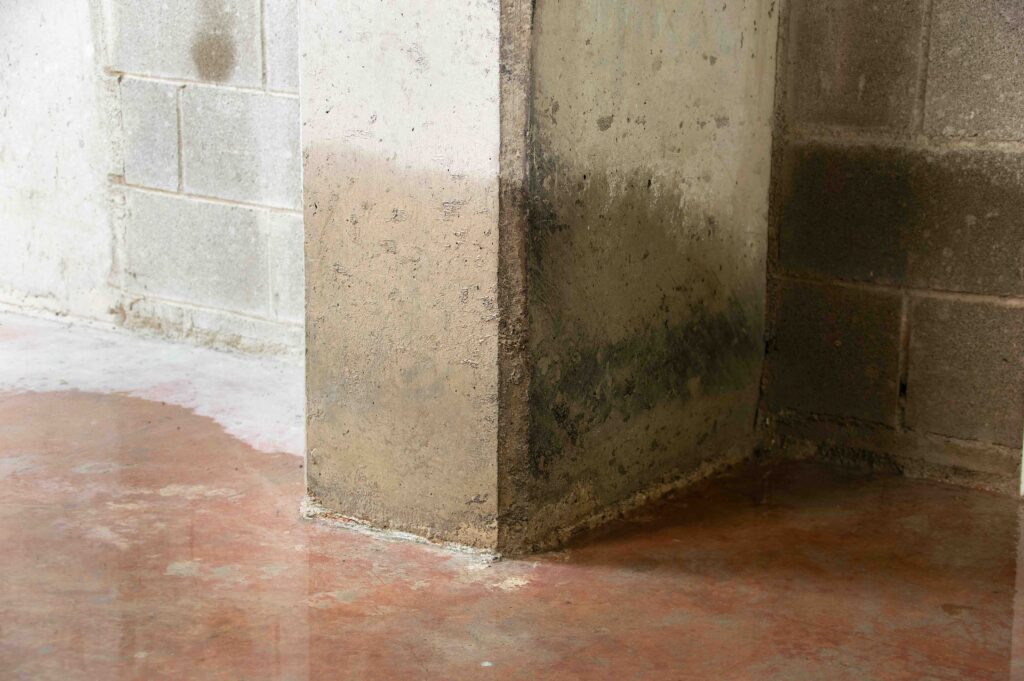
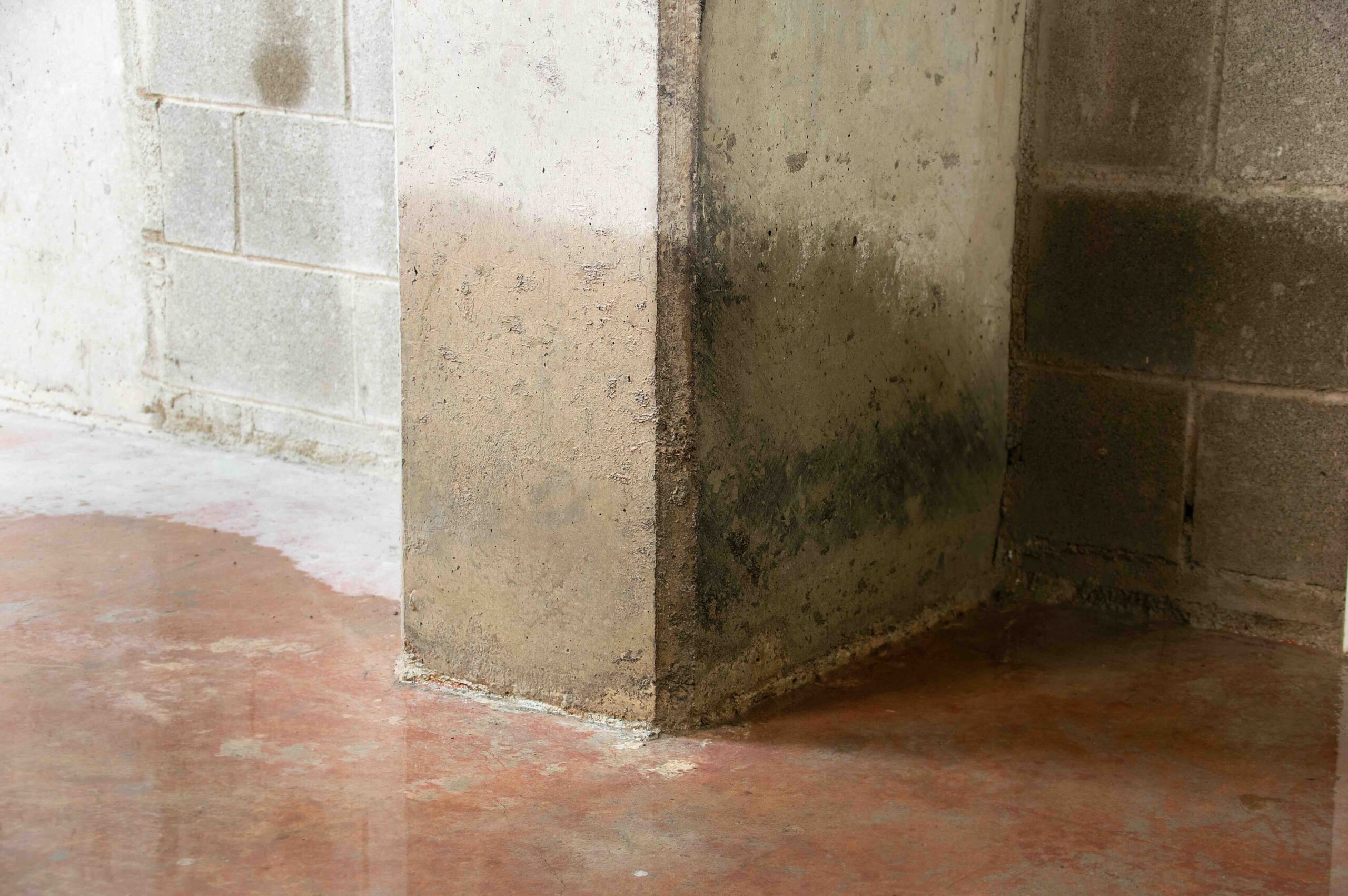
Mold is one of the most pressing secondary concerns following any basement flood, and it develops faster than most people expect. Under the right conditions — moisture, warmth, and organic material like wood or drywall — mold can begin growing within 24 to 48 hours of water exposure. Left untreated, it spreads quickly and can affect air quality throughout the entire home, not just the basement. Mold remediation is a specialized process that involves containment, removal of affected materials, treatment with antimicrobial agents, and verification through post-remediation testing. It is not a DIY project in any meaningful sense, particularly for larger infestations. Including mold remediation costs in your overall flood repair budget is essential, and understanding whether your home warranty or homeowners insurance policy addresses mold-related damage is worth knowing in advance rather than after the fact.
Does Homeowners Insurance Cover a Flooded Basement
This is one of the most common questions homeowners have, and the answer is frustratingly nuanced. Standard homeowners insurance policies typically cover sudden and accidental water damage — such as a burst pipe that floods the basement — but they generally do not cover flooding caused by external water sources like heavy rain, groundwater, or overflow from bodies of water. That type of coverage falls under separate flood insurance, which must be purchased through the National Flood Insurance Program or a private insurer. Sump pump failure is another gray area; some policies cover it while others exclude it entirely or require a separate rider. The bottom line is that many homeowners discover significant gaps in their coverage only after a flood has already occurred. Understanding those gaps before a crisis happens is one of the most financially protective things you can do as a homeowner.
How Home Warranty Coverage Fits Into Your Flooded Basement Protection Plan
A home warranty is not a replacement for homeowners insurance or flood insurance — it fills a different and equally important role. While insurance focuses on unexpected damage events, a home warranty covers the repair and replacement of home systems and appliances that fail due to normal wear and tear. That distinction matters enormously when it comes to basement flooding. Sump pump failure, for example, is a leading cause of basement flooding, and a home warranty plan that includes sump pump coverage can spare you the cost of replacement when that system wears out. Plumbing system failures that lead to basement water damage may also fall within the scope of home warranty coverage depending on the plan. When you layer a home warranty alongside appropriate insurance coverage, you build a much more complete financial safety net around your home.

Why Armadillo Is Worth Considering When Your Basement Is on the Line
Here is something worth sitting with for a moment: a flooded basement is almost never just one problem. It is a cascade — one system fails, water gets in, damage spreads, costs climb. That is exactly the kind of scenario that a well-designed home warranty is built to interrupt before it becomes a full financial crisis. Armadillo offers straightforward, homeowner-friendly protection for the systems that matter most, including plumbing and sump pump coverage that addresses some of the most common triggers of basement flooding. If you have been relying solely on your homeowners insurance to cover your home’s mechanical vulnerabilities, there is a reasonable chance you have gaps you are not aware of yet. Exploring what home warranty coverage for basement flooding and sump pump failure actually looks like in practice is a smarter move than finding out what you do not have after the water is already rising. Armadillo makes that process simple — you can get a home warranty quote to protect against sump pump and plumbing failures in just a few minutes, with no pressure and no confusion. For homeowners who take their basement protection seriously, that kind of clarity is genuinely valuable.
Frequently Asked Questions About Flooded Basement Repair
How long does it take to repair a flooded basement?
The timeline depends on the severity of the flooding. Minor water intrusion with no structural damage may be resolved in two to five days. More significant flooding involving mold remediation, structural repairs, and waterproofing installation can take two to four weeks or longer.
Is a flooded basement covered by homeowners insurance?
It depends on the source of the water. Sudden internal water damage, like a burst pipe, is typically covered. Flooding caused by groundwater, heavy rain, or overflowing rivers generally requires separate flood insurance.
Does a home warranty cover sump pump failure?
Many home warranty plans include sump pump coverage, but it varies by provider and plan. Reviewing your specific plan details or contacting your warranty provider directly is the best way to confirm what is included.
How much does it cost to waterproof a basement?
Interior waterproofing systems typically cost between three thousand and ten thousand dollars. Exterior waterproofing, which requires excavation, can cost between ten thousand and thirty thousand dollars depending on the size of the home and the complexity of the project.
How quickly does mold grow after basement flooding?
Mold can begin developing within 24 to 48 hours of water exposure under the right conditions. Acting quickly to extract water and dry the space is critical to preventing mold growth.
What is the most common cause of basement flooding?
The most common causes include heavy rainfall overwhelming drainage systems, sump pump failure, groundwater seeping through foundation cracks, and plumbing leaks or pipe failures inside the home.
Can I repair a flooded basement myself?
Basic water extraction and surface drying may be manageable for minor incidents, but professional restoration is strongly recommended for any flooding involving standing water, potential mold, structural damage, or unknown sources of water intrusion.
How do I know if my basement has a drainage problem?
Signs of a drainage problem include efflorescence on foundation walls, visible cracks in the foundation, musty odors, recurring moisture or wet spots after rain, and peeling paint or rust stains on walls and floors.
What is the difference between interior and exterior basement waterproofing?
Interior waterproofing manages water after it enters the foundation by directing it to a drainage system and sump pump. Exterior waterproofing prevents water from reaching the foundation in the first place using membranes and drainage materials applied to the outside of the foundation wall.
How can I prevent my basement from flooding in the future?
Key prevention steps include maintaining and testing your sump pump regularly, installing a battery backup sump pump, ensuring proper grading around your home’s exterior, sealing foundation cracks, cleaning gutters and extending downspouts away from the foundation, and considering a professional waterproofing assessment if your basement has a history of moisture issues.