What Is an HVAC Tune-Up and Why Does It Matter?
If you have ever ignored your HVAC system until something goes wrong, you are not alone. Most homeowners do not think about their heating and cooling equipment until the house is either too hot or too cold. That is exactly when you realize how much you depend on it. An HVAC tune-up is essentially a professional maintenance visit designed to inspect, clean, and optimize your heating, ventilation, and air conditioning system before problems develop. Think of it like an oil change for your car — something that keeps everything running efficiently and helps you avoid a much larger repair bill down the road.
What Does an HVAC Tune-Up Include?
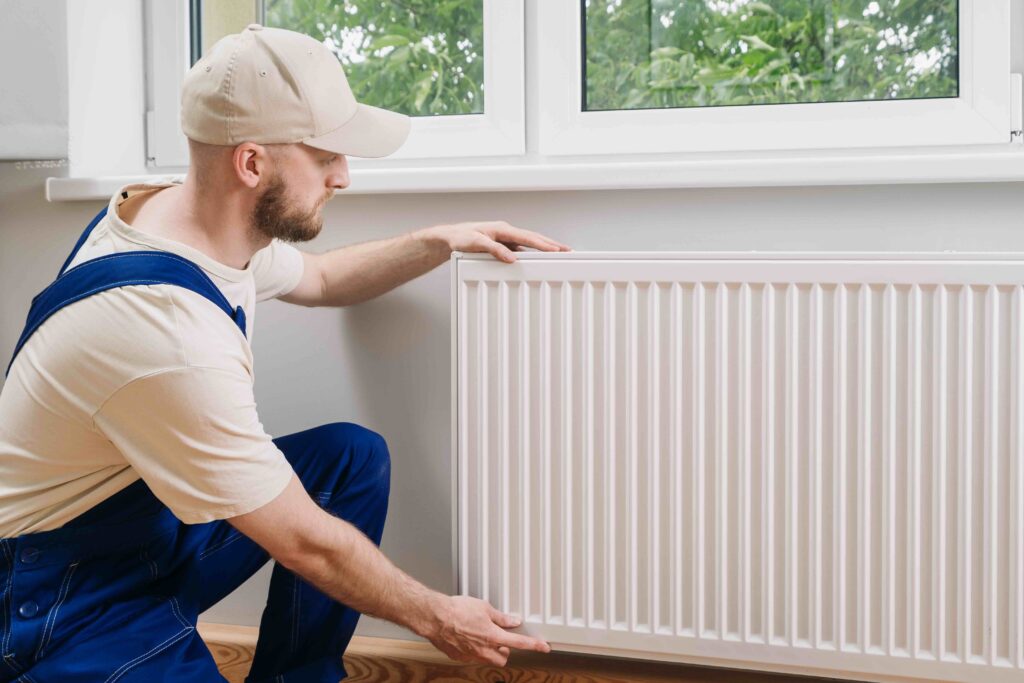
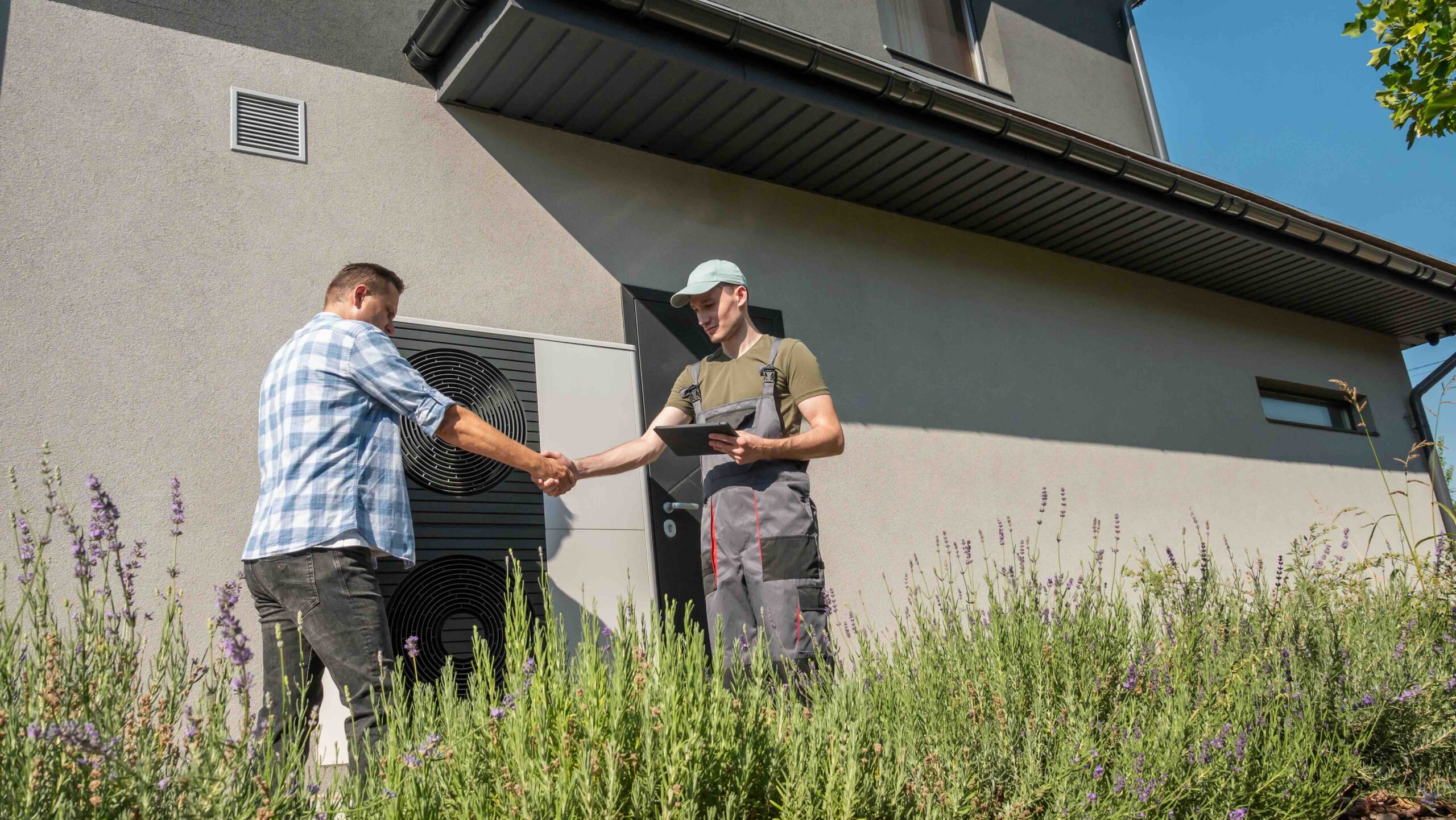
This is where things get specific, and honestly, a lot of homeowners are surprised by how comprehensive a proper tune-up actually is. A qualified HVAC technician will go through the entire system, not just glance at a few components and call it done. The scope of work typically covers both the indoor and outdoor units and touches on mechanical, electrical, and airflow-related components throughout the system.
- Inspection and replacement of air filters if needed
- Cleaning of evaporator and condenser coils
- Checking and topping off refrigerant levels
- Lubricating moving parts such as fan motors and bearings
- Inspecting electrical connections and tightening loose terminals
- Testing the thermostat for accurate calibration
- Checking the blower motor and belt condition
- Inspecting the heat exchanger for cracks or corrosion
- Clearing the condensate drain line
- Measuring system airflow and overall performance output
Each of these steps serves a purpose. A clogged condensate drain, for example, can lead to water damage inside the home. A cracked heat exchanger is a safety issue, not just a performance one. The tune-up is designed to catch all of this before it becomes your problem at the worst possible time.
How Often Should You Schedule an HVAC Tune-Up?
Most HVAC professionals recommend scheduling a tune-up once a year at minimum. If you have a combined heating and cooling system, twice a year is actually the better approach — once in the spring before cooling season begins, and once in the fall before you start running the heat. Timing matters because you want the system inspected before it faces peak demand, not during it. Calling for service in the middle of July when your air conditioner has already stopped working is a reactive move. Scheduling a tune-up in April is a proactive one.
The Key Benefits of Regular HVAC Maintenance
There is a reason HVAC maintenance gets recommended so consistently. The benefits are real, measurable, and directly tied to your comfort, your energy bills, and the lifespan of your equipment. A well-maintained system does not have to work as hard to reach your desired temperature, which means lower monthly utility costs. It also means fewer unexpected breakdowns, which — if you have ever dealt with one — you know can be both stressful and expensive. Regular tune-ups also extend the operational life of the equipment, which is relevant when you consider that a new HVAC system can cost anywhere from several thousand to over ten thousand dollars to replace.

Common Drawbacks and Limitations to Know About
A tune-up is not a magic fix, and it is worth being clear about that. If a component is already failing or the system is significantly undersized for the home, maintenance alone will not resolve those issues. A tune-up is preventive by design. It is not a substitute for repairs when something is already broken. Some homeowners also encounter technicians who use tune-up visits as an opportunity to upsell unnecessary services or products. That is a real thing that happens, and it is worth being an informed consumer going into the appointment. Ask questions, request itemized recommendations, and do not feel pressured into same-day decisions on expensive add-ons.
DIY Maintenance vs. Professional HVAC Service
There are a few things homeowners can and should handle themselves between professional visits. Changing or cleaning air filters regularly — typically every one to three months depending on the filter type and household conditions — is one of the most impactful things you can do for HVAC performance. Keeping the area around the outdoor condenser unit clear of debris, and making sure supply and return vents inside the home are not blocked by furniture or rugs, also helps. However, anything involving refrigerant, electrical components, or internal system diagnostics requires a licensed professional. This is not an area where amateur troubleshooting tends to end well.
What HVAC Tune-Ups Typically Cost
On average, a single HVAC tune-up runs somewhere between $75 and $200 depending on your region, the type of system, and whether you are servicing one unit or a combined system. Some HVAC companies offer annual maintenance agreements that bundle two seasonal visits at a reduced rate, which can be a practical option if you want to lock in consistent service. When you weigh that cost against the potential expense of a compressor replacement or a full system failure, the math generally favors the maintenance investment.
How HVAC Tune-Ups Relate to Your Home Warranty Coverage
This is an important connection that homeowners often overlook. Home warranties are designed to cover the cost of repairs or replacements when home systems and appliances break down due to normal wear and tear. However, most home warranty contracts include language about maintenance requirements. If a breakdown occurs and there is evidence that the system was neglected — no filter changes, years without service — the claim may be denied on the basis that improper maintenance contributed to the failure. Keeping a record of your HVAC tune-ups is not just good practice for the system itself. It is documentation that can support a warranty claim if you ever need to file one.
Signs Your HVAC System Needs Immediate Attention
- Unusual noises such as banging, rattling, or squealing during operation
- Inconsistent temperatures between rooms or floors
- Noticeable increase in monthly energy bills without a change in usage habits
- Weak airflow coming from vents
- Frequent cycling on and off without reaching the set temperature
- Visible moisture or ice around indoor or outdoor components
- Persistent musty or burning smells when the system runs
Any one of these signs warrants a call to a qualified technician. Do not wait for a full breakdown. These symptoms are the system communicating that something is off, and early intervention almost always costs less than delayed action.
Why Armadillo Is the Right Partner for HVAC-Minded Homeowners
Staying on top of HVAC maintenance is the smart move, but even the most diligent homeowner cannot predict every mechanical failure. That is where having a reliable home warranty makes a measurable difference. Armadillo home warranty plans for HVAC systems and major home appliances are built with real homeowners in mind — straightforward coverage, no confusing fine print, and a claims process that does not make you feel like you are fighting to use the protection you paid for. If your air conditioner or furnace breaks down after a covered component fails, you should not have to choose between a repair bill and something else in the budget. Get a free HVAC home warranty quote and see what your coverage options look like — it takes about a minute, and the peace of mind is worth far more than that.

Frequently Asked Questions About HVAC Tune-Ups
These are the questions homeowners ask most often when it comes to understanding HVAC tune-ups, what they cover, and how they connect to home protection plans.
How long does an HVAC tune-up typically take?
Most HVAC tune-ups take between one and two hours depending on the system type, its age, and whether any issues are discovered during the inspection process.
Does an HVAC tune-up include refrigerant recharging?
A tune-up includes checking refrigerant levels, but actually adding refrigerant is typically an additional charge and requires a licensed technician due to EPA regulations around refrigerant handling.
Can I schedule an HVAC tune-up in the winter?
Yes. A heating-focused tune-up in the fall or early winter is actually ideal for inspecting furnace components, heat exchangers, and ignition systems before peak heating demand.
Will a tune-up fix my HVAC if it is already broken?
No. A tune-up is preventive maintenance, not a repair service. If the system has a known mechanical or electrical failure, that requires a diagnostic service call and a targeted repair, not a routine tune-up.
Does skipping HVAC maintenance void my home warranty?
It can. Many home warranty contracts require proof of reasonable maintenance. Documented neglect may be cited as grounds for claim denial, which is why keeping service records matters.
What is the difference between an HVAC tune-up and an HVAC inspection?
A tune-up includes both inspection and hands-on servicing such as cleaning, lubrication, and calibration. An inspection alone identifies issues without necessarily correcting them.
How do I find a qualified HVAC technician for a tune-up?
Look for technicians who are NATE-certified, which stands for North American Technician Excellence. This certification indicates verified technical competency in heating and cooling systems.
Does a new HVAC system still need regular tune-ups?
Yes. Even new systems benefit from annual maintenance. Many manufacturer warranties also require documented professional service to remain valid, so skipping tune-ups on a new system can have additional consequences.
What happens if I ignore the condensate drain during maintenance?
A blocked condensate drain line can cause water to back up into the system, leading to water damage, mold growth, and potential system shutdowns triggered by the safety float switch.
Is HVAC maintenance covered under a home warranty plan?
Generally, no. Home warranties cover repair or replacement costs when systems fail due to normal wear and tear. Routine maintenance like tune-ups is considered a homeowner responsibility and is not typically included in warranty coverage.