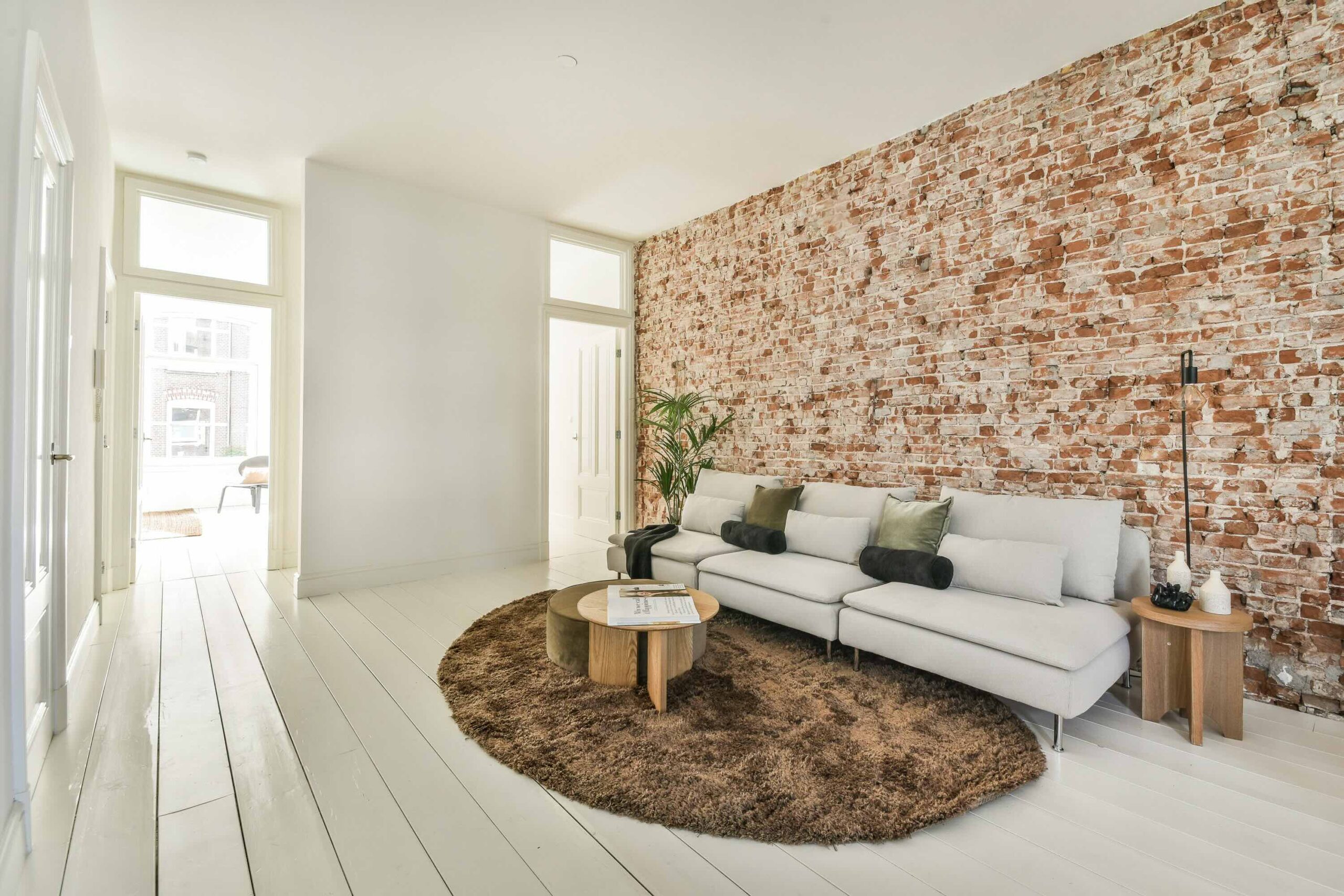
Brick Accent Walls: A Homeowner’s Guide to Style, Structure, and Smart Coverage
There is something about a brick accent wall that just stops you in your tracks. Whether it is the raw texture, the warmth it adds to a bedroom, or that effortless industrial-meets-cozy vibe, exposed brick has a way of making a space feel instantly more interesting. But before you start swinging a hammer or calling a contractor, it helps to understand what you are actually working with. Because a brick accent wall is not just a design choice — it is a structural decision that affects your home in ways that go well beyond aesthetics.
What Exactly Is a Brick Accent Wall?
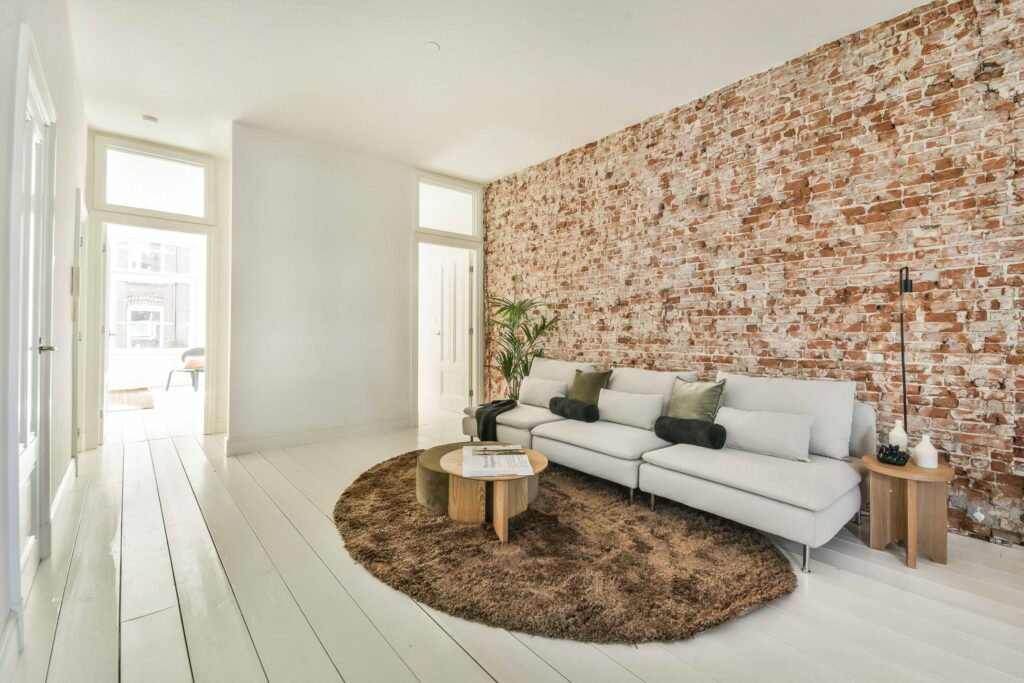
A brick accent wall is a single wall surface in a room — most commonly a bedroom — that features exposed or faux brick as a focal point. This can take a few different forms. Some homes have genuine exposed brick that was always there, hidden behind drywall for decades before someone made the smart call to uncover it. Others use thin brick veneer, which involves applying real but thin slices of brick to an existing wall surface. And then there are the faux brick panels made from materials like polyurethane or gypsum that mimic the look without any of the masonry work. Each approach has its own set of considerations, and knowing which type you are dealing with matters quite a bit when it comes to maintenance and long-term care.

How Brick Accent Walls Actually Work in a Space
From a design standpoint, a brick accent wall works by creating visual contrast and depth. In a bedroom, it typically goes behind the bed — acting as a built-in headboard effect that anchors the entire room. The natural variation in brick color, from deep reds to warm tans and even gray tones, means no two walls ever look exactly alike. That organic quality is a big part of the appeal. From a structural perspective, genuine exposed brick walls are part of the building’s envelope. They absorb and release heat slowly, which can actually contribute to thermal regulation in a room. Thin brick veneer and faux options do not offer that same thermal benefit, but they do deliver the visual result without the weight or complexity of full masonry.
The Real Advantages of Adding Brick to Your Bedroom
There are some genuinely compelling reasons why brick accent walls have stayed popular in interior design for so long. This is not a passing trend — it is a proven design element with practical benefits that make it worth considering.
- Brick adds immediate visual character and texture that paint or wallpaper simply cannot replicate
- Genuine exposed brick offers natural insulation properties that can reduce temperature swings in a room
- When properly sealed, brick is highly durable and requires minimal upkeep over time
- Brick accent walls can increase perceived home value and buyer appeal during resale
- Thin brick veneer options allow for the look without requiring full masonry expertise or structural modifications
Common Drawbacks You Should Know Before Committing
No home improvement decision is without its complications, and brick accent walls are no exception. The challenges here are worth understanding before you commit. Genuine exposed brick can be porous, which means moisture management becomes a real concern — especially in older homes where the original mortar may already be compromised. Efflorescence, that chalky white residue that sometimes appears on brick surfaces, is a common issue and signals that water is moving through the material. Dust and debris can accumulate in the mortar joints, making cleaning more involved than a simple wipe-down. Faux brick panels, while easier to install, can look unconvincing up close and may not hold up well in high-humidity environments. And if you are uncovering brick that has been behind drywall for years, there is always a chance of finding damage, gaps, or deteriorated mortar that needs professional attention before the wall is display-ready.
How to Properly Maintain a Brick Accent Wall
Maintenance for a brick accent wall depends largely on what type you have. For genuine exposed brick, sealing the surface with a masonry sealer is one of the most important steps you can take. This creates a barrier against moisture infiltration without eliminating the natural breathability of the material. Cleaning should be done with a soft brush and a mild pH-neutral solution — avoid anything acidic, which can eat away at mortar over time. Thin brick veneer walls should be inspected periodically for any tiles that may be coming loose, particularly near the edges and corners. Faux brick panels need the least maintenance but should be checked for warping or separation at seams, especially in rooms with fluctuating humidity levels. Regardless of the type, addressing any issues promptly rather than letting them sit is always the smarter approach.

Brick Walls and Your Home’s Structural Systems
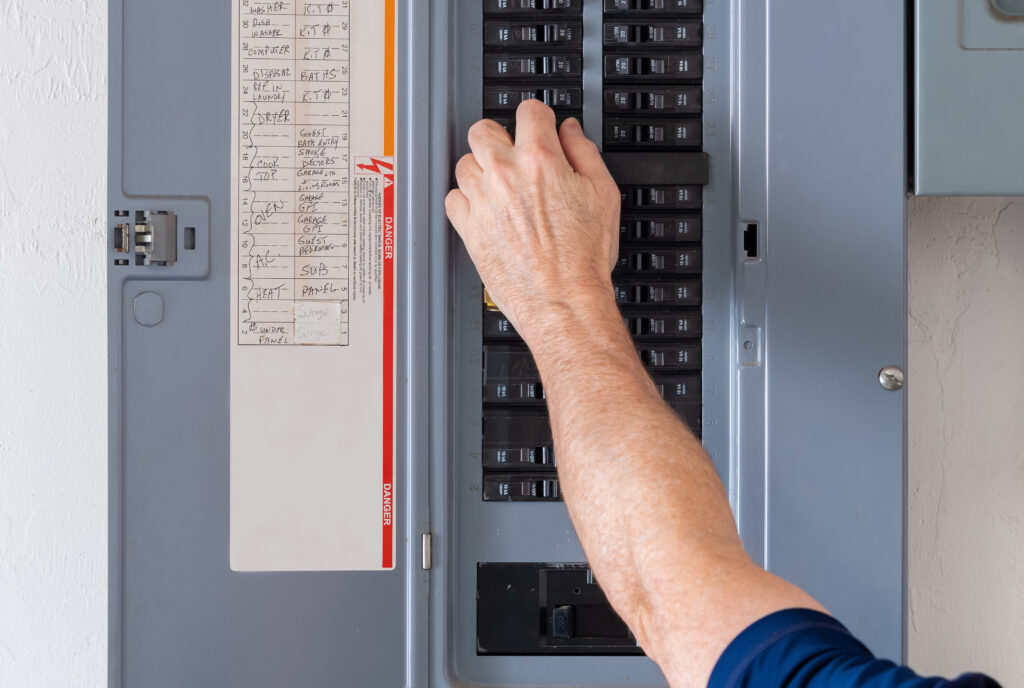
Here is where things get a little more involved. In older homes, especially those built before the 1950s, what looks like an interior brick accent wall may actually be a load-bearing masonry wall. That distinction matters enormously if you are ever considering modifications, electrical work behind the wall, or any kind of renovation. Running new wiring or plumbing through a masonry wall requires specialized tools and techniques that go well beyond standard drywall work. Additionally, the wall’s connection to your home’s moisture barrier, insulation systems, and even HVAC performance can be affected by the condition of the brick. A compromised brick wall can allow cold air infiltration in winter, which puts additional strain on your heating system. These interconnections between your home’s aesthetic features and its mechanical systems are exactly why homeowners benefit from thinking holistically about their home’s overall health.
Practical Tips for Homeowners Considering a Brick Accent Wall
- Have a structural assessment done before uncovering any brick wall in a home built before 1960
- Test for moisture issues in the wall cavity before finishing or sealing any exposed brick surface
- Choose a masonry sealer rated for interior use to protect brick without altering its natural appearance
- If going the faux panel route, invest in a higher-end product — the difference in realism is significant
- Consult with a professional before drilling or anchoring anything heavy into a genuine masonry wall
What Brick Accent Walls Mean for Your Home Warranty Coverage
This is a question that does not get asked often enough. Home warranties typically cover the mechanical systems and built-in appliances within a home — think HVAC, plumbing, electrical, and major appliances. The brick wall itself is generally considered a structural or cosmetic component and would fall outside standard home warranty coverage. However, here is where it gets relevant: if moisture from a deteriorating brick wall causes damage to a covered plumbing line or creates conditions that lead to an HVAC issue, the downstream effects on covered systems can still be a factor. Understanding where the lines are between what a home warranty covers and what falls under homeowner’s insurance or general maintenance is critical. Cosmetic repairs stay with the homeowner. But when a home feature begins to affect a covered mechanical system, documentation and communication with your warranty provider become essential.
Why Armadillo Belongs in Every Homeowner’s Toolkit
When you invest in a bedroom upgrade like a brick accent wall, you are thinking about the long game — building a home that works for you, looks the way you want it to, and holds its value. That same forward-thinking mindset is exactly why home warranty coverage for homeowners protecting their renovation investments makes so much sense. Armadillo offers straightforward, transparent protection for the systems and appliances that keep your home functioning — and when something goes wrong with your HVAC, plumbing, or electrical systems, you are not left navigating complicated fine print or unexpected repair bills on your own. Whether your bedroom features an exposed brick wall, a fresh coat of paint, or nothing but bare studs right now, the mechanical systems behind those walls are what actually keep life running smoothly. Armadillo gets that, and their coverage is built around it. If you are ready to protect your home with a plan that works as hard as you do, take a few minutes to get a personalized home warranty quote for your property today and see what coverage looks like for your specific home.
Frequently Asked Questions About Brick Accent Walls
Can I add a brick accent wall to any bedroom?
In most cases, yes. Thin brick veneer and faux brick panels can be applied to virtually any interior wall without structural modifications. Genuine exposed brick requires an existing masonry wall, which may or may not be present depending on your home’s construction type and age.
How much does a brick accent wall typically cost?
Costs vary significantly by method. Faux brick panels can run as low as a few hundred dollars for materials and basic installation. Thin brick veneer typically ranges from eight to twenty dollars per square foot installed. Uncovering genuine existing brick can range widely depending on the condition found behind the drywall.
Is exposed brick in a bedroom a health concern?
Generally, no — as long as the brick is clean, properly sealed, and free of significant moisture issues. Old brick walls in poor condition can harbor dust, mold, or deteriorated mortar, which is why inspection and proper sealing before use are recommended.
Does a brick accent wall affect home resale value?
In most markets, yes — positively. Exposed brick and high-quality brick veneer are viewed as desirable design features that appeal to buyers seeking character and craftsmanship. The impact on value depends on execution quality and overall market preferences in your area.
How do I clean a brick accent wall in my bedroom?
Use a soft-bristle brush to remove loose dust and debris, then wipe the surface with a damp cloth and a mild, pH-neutral cleaning solution. Avoid abrasive scrubbers, acidic cleaners, or excessive water, all of which can damage mortar and brick surfaces over time.
Can moisture cause problems with an interior brick accent wall?
Yes, moisture is the primary long-term concern with exposed brick. Unsealed brick is porous and can absorb humidity, leading to efflorescence, mold growth in mortar joints, or gradual deterioration. Applying an appropriate interior masonry sealer significantly reduces this risk.
Will a brick accent wall affect my room’s temperature?
Genuine brick has thermal mass properties, meaning it absorbs heat slowly and releases it gradually, which can contribute to more stable room temperatures. Faux and veneer options do not provide the same thermal benefit but also do not negatively impact a room’s heating or cooling performance in any meaningful way.
Does a home warranty cover damage related to a brick accent wall?
Standard home warranties cover mechanical systems and appliances, not cosmetic or structural wall components. If a deteriorating brick wall contributes to a failure in a covered system — such as plumbing or electrical — the covered system’s repair may still qualify. It is important to document conditions and communicate clearly with your warranty provider.
What is the difference between thin brick veneer and faux brick panels?
Thin brick veneer uses actual sliced pieces of real brick adhered to a wall surface, offering genuine texture and material authenticity. Faux brick panels are manufactured from synthetic materials designed to look like brick. Veneer is more realistic and durable; faux panels are lighter, less expensive, and easier to install.
How long does a brick accent wall last?
Genuine exposed brick, when properly maintained and sealed, can last for the lifetime of the home and beyond. Thin brick veneer typically lasts several decades with minimal maintenance. Faux brick panels have a shorter lifespan and may need replacement after ten to twenty years depending on material quality and environmental conditions.