
What Is a Home Warranty and Why Does Every Homeowner Need to Understand It?
Owning a home is one of the most significant financial commitments a person can make. And somewhere between the excitement of getting the keys and the reality of a broken water heater at midnight, most homeowners start asking the same question: what happens when something stops working? That is exactly where a home warranty enters the picture. It is not the same as homeowners insurance, and it is not a luxury reserved for expensive properties. A home warranty is a service contract that covers the repair or replacement of major home systems and appliances when they break down due to normal wear and tear. Think of it as a financial safety net that keeps unexpected repair costs from turning into a full-blown budget emergency.
How a Home Warranty Actually Works
The concept is straightforward, though the details matter quite a bit. A homeowner purchases a home warranty plan, typically on an annual basis, and pays a monthly or yearly premium. When a covered item fails, the homeowner contacts the warranty provider to file a claim. The provider then dispatches a qualified service technician to diagnose and repair the problem. Depending on the plan, the homeowner pays a small service call fee at the time of the visit, and the warranty covers the rest of the repair or replacement costs. The whole point is to avoid paying hundreds or even thousands of dollars out of pocket when a covered system or appliance reaches the end of its functional life or simply breaks down unexpectedly.

What a Home Warranty Typically Covers
Coverage varies by provider and plan, but most home warranties are designed to address the systems and appliances that homeowners rely on every single day. When shopping for a plan, it helps to know what is usually included in a standard offering versus what requires an upgrade or add-on.
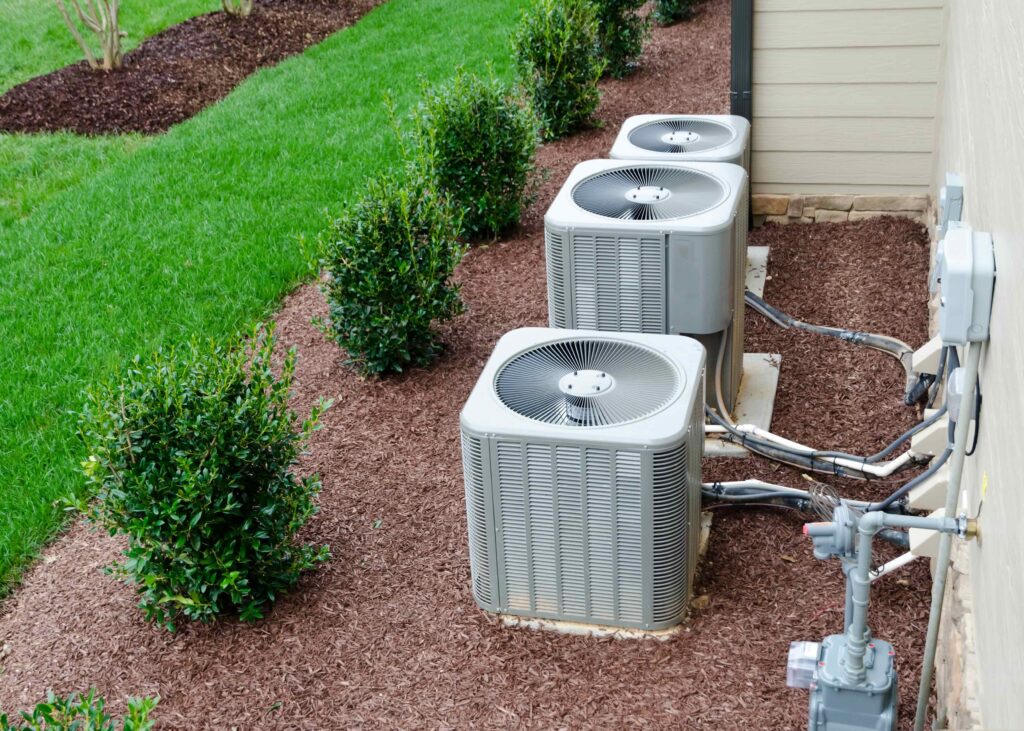
- Heating and cooling systems, including central air conditioning and furnaces
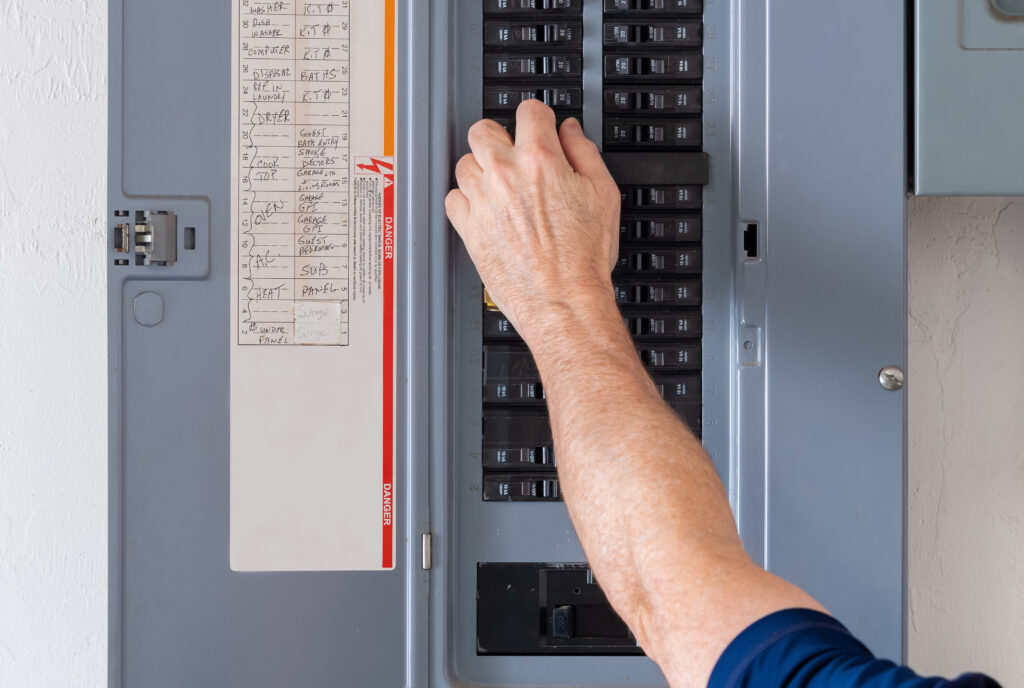
- Electrical systems, including wiring and circuit breakers
- Plumbing systems and stoppages
- Water heaters, both traditional tank and sometimes tankless
- Kitchen appliances such as refrigerators, dishwashers, ovens, and built-in microwaves
- Washer and dryer units
- Garage door openers
- Ceiling fans and exhaust fans
Some providers offer expanded plans that include additional coverage for pools, spas, well pumps, or even roof leak repair. It is worth reading through any plan carefully before signing, because the specifics of what is included and excluded can vary quite a bit from one provider to the next.
The Real Advantages of Having a Home Warranty
The most obvious benefit is financial predictability. Home repairs are notoriously unpredictable, and the cost of replacing a central air conditioning unit or a refrigerator can easily run into the thousands. A home warranty converts that unpredictable expense into a manageable monthly cost. Beyond the financial angle, there is a serious convenience factor. Most providers have networks of pre-screened technicians, which means the homeowner does not have to spend hours searching for a reliable contractor, vetting reviews, and negotiating pricing. The process is streamlined. File a claim, schedule a visit, and the provider handles the coordination. For busy homeowners, that alone is worth the price of admission. There is also the peace of mind element, which is harder to quantify but very real. Knowing that a covered breakdown will not derail the household budget changes how a homeowner relates to their property. It removes a layer of constant low-grade anxiety that most people do not even realize they are carrying.
Common Drawbacks Worth Knowing Before You Commit
No product is perfect, and home warranties are no exception. The most common complaint involves coverage exclusions. Most warranties do not cover pre-existing conditions, which means if the HVAC system was already failing when the policy started, that repair likely will not be covered. Similarly, improper installation or lack of maintenance can void coverage on certain items. Another area of frustration is the claims process itself. Some providers are slower to respond or harder to work with than others, and the quality of the assigned technician can vary. There is also the question of caps. Many plans have a maximum payout per item or per year, so if a replacement cost exceeds that cap, the homeowner is responsible for the difference. Understanding these limitations upfront is not a reason to avoid home warranties entirely. It is simply a reason to choose a provider carefully and read the contract thoroughly.
Home Warranty Versus Homeowners Insurance: Knowing the Difference
This is probably the most common point of confusion, and it is worth addressing directly. Homeowners insurance protects against sudden and accidental damage caused by events like fires, storms, theft, and floods. It does not cover mechanical failure or normal wear and tear. A home warranty does the opposite. It covers the gradual breakdown of systems and appliances over time. The two are complementary, not interchangeable. A responsible homeowner should have both. If a pipe bursts and floods the kitchen, homeowners insurance covers the structural water damage. If the dishwasher simply stops working after years of use, the home warranty steps in. Together, they create a fairly comprehensive layer of financial protection for the home.
Practical Tips for Getting the Most Out of a Home Warranty
A home warranty is only as valuable as the way it is used. There are a few habits and practices that help homeowners maximize what they get from their plan.
- Keep records of appliance and system maintenance, since documented upkeep strengthens any claim
- Read the contract before purchasing, paying close attention to exclusions, service fees, and coverage caps
- File claims promptly rather than waiting to see if a problem resolves on its own
- Ask questions during the enrollment process to clarify exactly what is and is not covered
- Review the plan annually to make sure coverage still aligns with the home’s current systems and appliances

Who Benefits Most from a Home Warranty?
First-time homeowners often find home warranties particularly valuable because they are still learning how their home works and what maintenance looks like. Older homes with aging systems and appliances are also strong candidates, since the likelihood of something breaking down increases with age. Landlords managing rental properties find the streamlined claims process useful for handling tenant repair requests without juggling multiple contractor relationships. Even homeowners in newer builds can benefit, particularly once the builder warranty expires and the home enters the window where manufacturer defects and early wear begin to surface. Essentially, if a homeowner wants financial predictability and a more organized approach to home repairs, a home warranty is a sensible part of the overall strategy.
Why Armadillo Is the Home Warranty Partner Worth Considering
When it comes to protecting the systems and appliances that keep a home running, not every home warranty provider is built the same. Armadillo was designed with the modern homeowner in mind, offering straightforward coverage that does not bury the important details in fine print. If you have been looking for a reliable home warranty plan that covers major systems and appliances with transparent terms, Armadillo is a name worth exploring. The plans are flexible, the claims process is built around convenience, and the focus is always on making the homeowner’s experience as smooth as possible. Whether you are dealing with an aging HVAC system, a dishwasher that has seen better days, or just want to get ahead of whatever surprise might be waiting around the corner, Armadillo is equipped to help. The next step is simple: get a personalized home warranty quote tailored to your home’s specific systems and coverage needs and see exactly what protection looks like for your situation.
Frequently Asked Questions About Home Warranties
What is the difference between a home warranty and homeowners insurance?
Homeowners insurance covers damage from unexpected events like fires, storms, or theft. A home warranty covers the mechanical breakdown of home systems and appliances due to normal wear and tear. They serve different purposes and work best when used together.
Does a home warranty cover pre-existing conditions?
Most home warranty plans do not cover pre-existing conditions, meaning issues that existed before the policy start date are typically excluded. Some providers conduct an inspection or review maintenance history to determine coverage eligibility.
How much does a home warranty typically cost?
Home warranty plans generally range from around $300 to $700 per year, depending on the provider, the level of coverage, and the location of the home. Service call fees at the time of each repair visit typically range from $75 to $125.
What happens if a covered appliance cannot be repaired?
If a covered appliance or system cannot be repaired, most home warranty providers will offer a replacement up to the plan’s stated coverage limit. If the replacement cost exceeds the cap, the homeowner is responsible for the remaining balance.
Are all home appliances covered under a standard home warranty plan?
Standard plans typically cover major kitchen appliances and laundry units, but not every appliance in the home. Small appliances, secondary refrigerators, and items outside the defined coverage list are usually excluded unless added through an optional upgrade.
Can a home warranty be transferred to a new homeowner when selling a house?
Many home warranty plans are transferable, which can be an attractive selling point when listing a home. The process and any associated fees vary by provider, so it is worth confirming transferability terms before assuming coverage carries over automatically.
How do I file a claim with a home warranty company?
Most providers allow claims to be filed online, through a mobile app, or by phone. Once the claim is submitted, the provider coordinates with a service technician in their network to schedule a diagnostic visit and handle the approved repair or replacement.
Does a home warranty cover HVAC systems?
Yes, heating and cooling systems are among the most commonly covered items in home warranty plans. This typically includes central air conditioning units, furnaces, and heat pumps. Coverage details and caps vary by plan, so reviewing the terms is important.
Is a home warranty worth it for a newly built home?
New construction homes often come with a builder warranty that covers structural defects and certain systems for a limited period. Once that warranty expires, a home warranty plan becomes a practical way to maintain coverage as systems and appliances age into their most repair-prone years.
Can I choose my own contractor when filing a home warranty claim?
Most home warranty providers work with their own network of pre-screened contractors, and homeowners are typically required to use those providers for covered repairs. Some companies allow outside contractors in limited circumstances, but prior authorization is almost always required for reimbursement.