Can a Portable AC Make You Sick? What Every Homeowner Should Know
It is the middle of summer, you dragged out the portable AC unit, plugged it in, and within a few days you are sneezing, your throat feels scratchy, and your head is pounding. Sound familiar? A lot of homeowners assume that cooling their space is always a net positive — and usually, it is. But portable air conditioners, when not properly maintained, can actually contribute to a range of health symptoms that are easy to overlook or misattribute. This guide breaks down exactly how that happens, what to watch for, and how to keep your unit running cleanly and safely all season long.
How Portable Air Conditioners Actually Work
Before getting into the health side of things, it helps to understand the basics. A portable AC pulls warm air from the room, passes it over refrigerant-cooled coils, and pushes the cooled air back out into the space. The heat extracted from that process gets vented outside through an exhaust hose — typically through a window kit. During that cooling process, the unit also pulls moisture out of the air, which collects in an internal reservoir or drains through a hose. That moisture component is actually where most of the health-related issues tend to originate. It creates a consistently damp internal environment that, if not regularly cleaned, becomes a breeding ground for things you really do not want circulating through your living room.
The Real Reasons a Portable AC Can Make You Sick
There are several specific ways a poorly maintained portable air conditioner can affect your health, and they are worth understanding individually.
- Mold and mildew growth inside the unit or drain tank from accumulated moisture
- Dirty or clogged air filters recirculating dust, pet dander, and allergens
- Bacterial growth in standing water within the condensate reservoir
- Excessive humidity reduction causing dry air that irritates nasal passages and skin
- Legionella risk in rare but serious cases where water sits stagnant for extended periods
None of these are inevitable. They are almost always the result of skipped maintenance, not a fundamental flaw with the appliance itself. The unit is doing its job — it just needs a little help doing it cleanly.
Symptoms That Might Point to Your Portable AC
It is not always obvious that your air conditioner is the culprit. The symptoms overlap significantly with seasonal allergies, common colds, and general respiratory irritation. That said, there are some patterns worth paying attention to. If your symptoms tend to get worse when you are at home and improve when you leave, that is a meaningful clue. Persistent congestion, watery eyes, a sore throat that does not escalate into a full illness, or a musty smell in the room when the unit runs are all worth investigating. Headaches tied to poor air quality and fatigue from disrupted sleep in a room with compromised air circulation are also common complaints. None of these should be ignored or just pushed through with over-the-counter medication without first ruling out the environment as a contributing factor.

How to Clean and Maintain Your Portable AC the Right Way
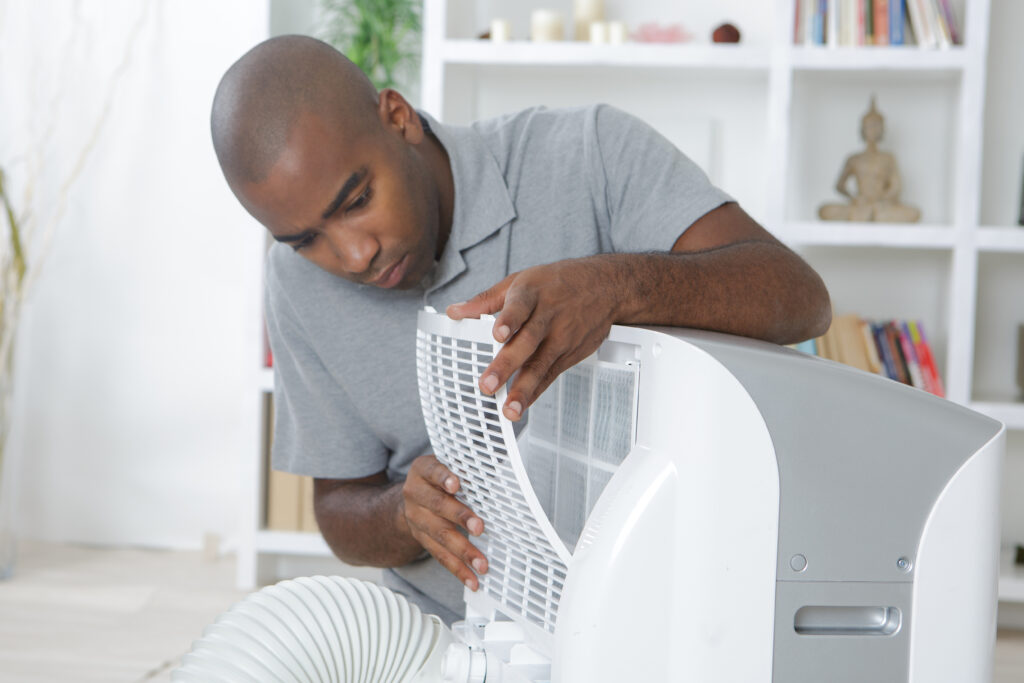
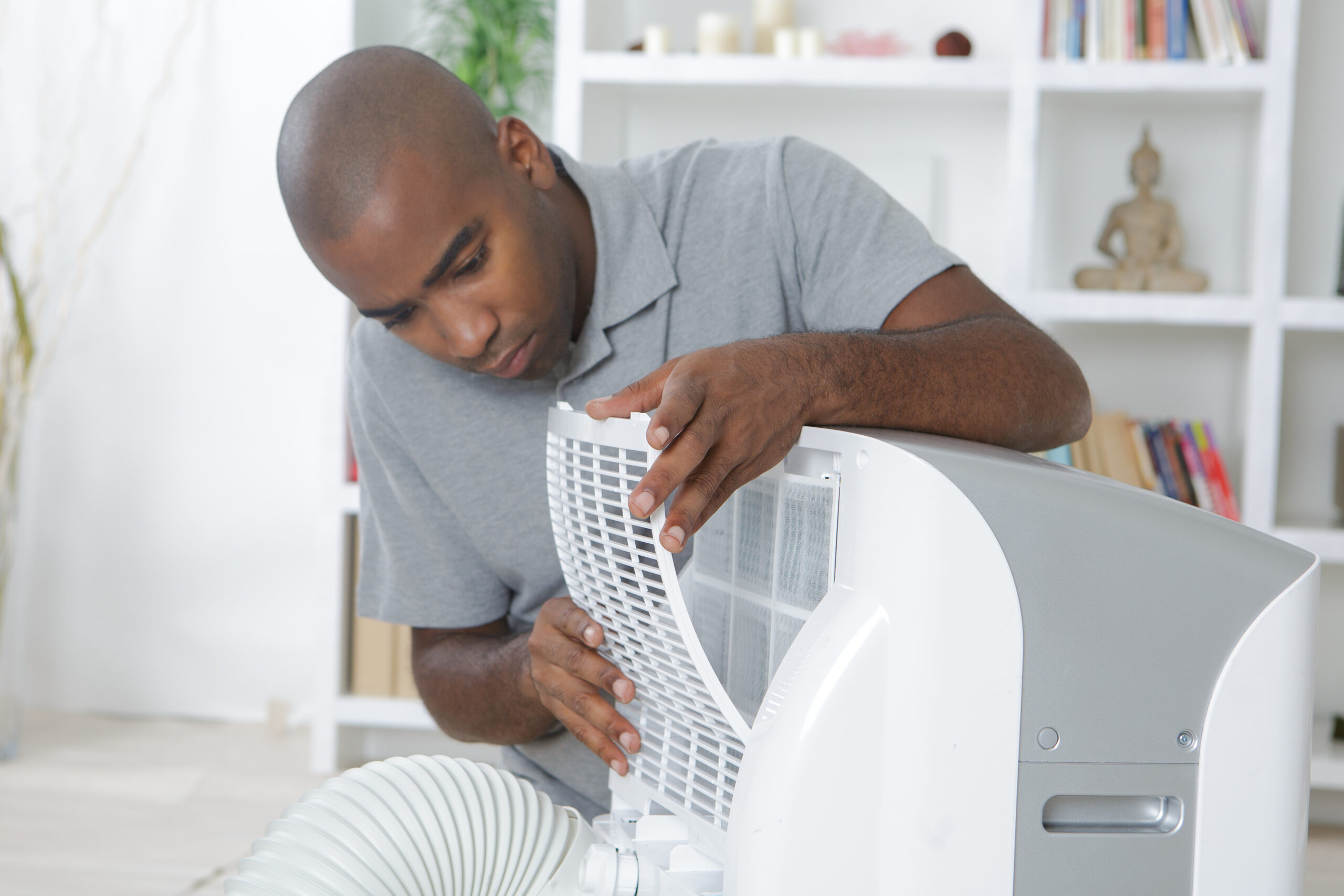
Good news — maintaining a portable AC unit is genuinely straightforward. The filter should be cleaned every two weeks during active use, and most filters simply need to be rinsed under warm water and allowed to fully dry before being reinstalled. The condensate reservoir should be emptied regularly, and the interior of the tank should be wiped down with a diluted vinegar solution to prevent bacterial and mold growth. The exhaust hose and window seal should be checked to make sure outside air is not leaking back in. Once or twice a season, it is worth wiping down the exterior vents and checking for any visible mold around the air intake. If a musty odor persists after a thorough cleaning, that is usually a sign that mold has taken hold inside the internal coils — at that point, a deeper cleaning with a coil-safe cleaner or professional servicing is warranted.
Placement and Ventilation Matter More Than You Think
Where you put your portable AC unit has a real impact on its performance and on air quality in the room. Units placed in corners with limited airflow around them tend to accumulate more moisture and run less efficiently. Rooms that are sealed too tightly with a running portable AC can actually develop air quality issues over time from the reduction in fresh air exchange. Striking a balance — cooling the space without completely eliminating air circulation from outside — is worth considering, especially in rooms where people sleep. Proper exhaust hose installation matters too. A hose that is kinked, too long, or poorly sealed allows hot, humid outside air to seep back into the room, forcing the unit to work harder and creating more moisture accumulation in the process.
Portable AC vs. Central Air: A Health Perspective
Central air conditioning systems are not immune to the same issues — dirty ducts, clogged filters, and moisture problems exist there too. But portable units require more frequent hands-on maintenance precisely because they are compact, self-contained systems without the same filtration infrastructure as a whole-home system. The upside of a portable unit is accessibility. You can clean it yourself without any special tools or technical knowledge. The downside is that when maintenance slips, the consequences are concentrated in a small space where you are likely spending a significant amount of time. Understanding that trade-off is part of making an informed decision about which cooling solution works best for your household.
When to Replace Rather Than Repair
Portable AC units typically have a lifespan of eight to twelve years with proper maintenance. Signs that it may be time to replace rather than continue cleaning and repairing include persistent odors even after thorough cleaning, visible mold inside the unit that cannot be fully removed, significant drops in cooling performance, unusual noises during operation, or water leaks that indicate a compromised reservoir or internal component. Continuing to run a unit that has structural issues is not just inefficient — it can actively contribute to poor air quality in your home. At a certain point, a replacement is the more practical and health-conscious choice.
What Home Warranties Typically Cover — and What They Do Not
This is where things get interesting for homeowners. Portable air conditioners occupy a somewhat ambiguous space in home warranty coverage. Most standard home warranty plans focus on built-in systems — central HVAC, ductwork, permanently installed equipment. Portable units, because they are technically appliances rather than systems, may or may not be included depending on the specific plan. Some comprehensive appliance coverage plans do extend to portable AC units, particularly if they are considered a primary cooling source in the home. The key is reading the fine print and asking directly whether portable cooling appliances are included. What home warranties generally do not cover are issues resulting from lack of maintenance — like mold damage or bacterial growth in a reservoir that was never cleaned. That falls under homeowner responsibility, not a covered mechanical failure.

Why Armadillo Is Worth Considering for Cooling System Protection
When your cooling equipment fails in the middle of a heat wave, the last thing you want is to navigate a complicated claims process or discover that your coverage has more gaps than protections. Armadillo was built with homeowners in mind — people who want straightforward, honest home protection without the fine-print surprises. If you are looking for a plan that actually covers the systems and appliances keeping your home comfortable, Armadillo home warranty coverage for cooling systems and appliances is designed to deliver that clarity. The coverage options are transparent, the pricing is competitive, and the claims process does not require a law degree to navigate. Whether your primary cooling comes from a central system or a portable unit you rely on all summer, it is worth knowing what you are protected against before something breaks. You can take two minutes right now and get a free home warranty quote for portable AC and HVAC protection to see exactly what a plan would look like for your home. No pressure, no commitment — just real information so you can make a smart decision.
Frequently Asked Questions About Portable AC Units and Indoor Air Quality
These are some of the most common questions homeowners have when it comes to portable air conditioners and their potential impact on health and home systems.
Can a portable AC unit actually make you sick?
Yes, it can — but only when it is poorly maintained. Mold, bacteria, and accumulated allergens inside a dirty unit can circulate through your air and cause respiratory symptoms, headaches, and irritation. Regular cleaning eliminates most of this risk.
How often should I clean my portable AC filter?
During active use, the filter should be cleaned every two weeks. Rinse it under warm water, let it dry completely, and reinstall it. A clogged filter is one of the most common causes of poor air quality from a portable unit.
What does mold inside a portable AC smell like?
Mold inside a portable AC typically produces a musty, earthy smell that becomes noticeable when the unit is running. If your room smells like old dampness when the AC is on, inspect and clean the unit immediately.
Is the condensate water in a portable AC dangerous?
It can become dangerous if it sits stagnant for extended periods. Bacterial growth, including Legionella in rare cases, can occur in standing water. Empty and wipe down the reservoir regularly to prevent this.
Can a portable AC cause dry air problems?
Yes. While portable ACs remove humidity from the air, over-cooling a sealed room can result in air that is too dry, leading to irritated nasal passages, dry skin, and increased susceptibility to respiratory irritation. A hygrometer can help you monitor indoor humidity levels.
Does a home warranty cover a portable air conditioner?
It depends on the specific plan. Some comprehensive appliance coverage plans include portable AC units, while others focus exclusively on built-in systems. Always confirm with your provider what is and is not covered before assuming protection exists.
How long do portable AC units typically last?
With proper maintenance, a portable AC unit generally lasts between eight and twelve years. Skipping filter cleanings and reservoir maintenance significantly shortens that lifespan and can lead to health and performance issues.
Can I use a portable AC in a room without a window?
Portable AC units require an exhaust outlet to vent hot air. Without a window or another external vent point, the unit cannot function properly and will actually heat the room rather than cool it. Windowless operation is not effective or recommended.
What are signs that my portable AC needs to be replaced rather than repaired?
Persistent odors after thorough cleaning, visible internal mold that cannot be removed, significant loss of cooling power, unusual mechanical noises, and water leaks are all signs that replacement is likely more practical than continued repair.
Is it safe to sleep in a room with a portable AC running all night?
Yes, as long as the unit is clean and properly maintained. A dirty or moldy unit running in an enclosed sleeping space all night poses the greatest health risk. A well-maintained portable AC in a properly ventilated room is generally safe for overnight use.