Can You Microwave Paper Bags? What Every Homeowner Should Know
It happens at least once a week in most households. You have leftovers in a paper bag, or maybe you are reheating popcorn, and you pause for just a second wondering whether tossing that bag into the microwave is actually safe. It seems like it should be fine. Paper is paper, right? Not exactly. The answer depends on the type of paper bag, what is inside it, and how your microwave operates. This is one of those kitchen questions that sounds simple but has a few layers worth understanding, especially for homeowners who want to protect both their health and their appliances.
How Microwaves Actually Work
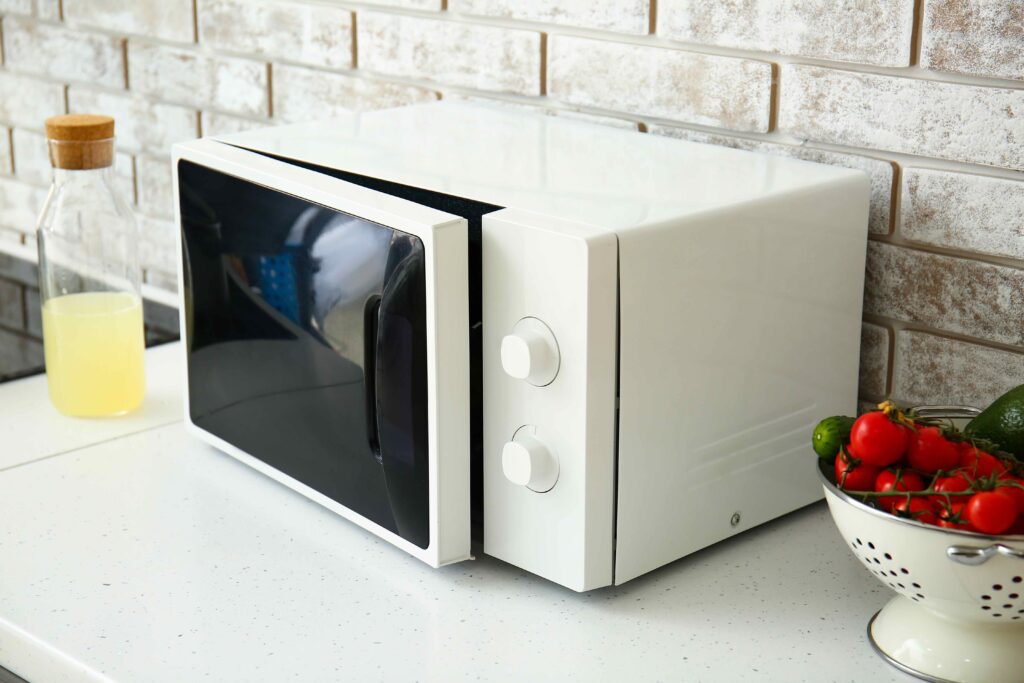
Before diving into the paper bag question specifically, it helps to understand what a microwave is doing when you press start. Microwaves use electromagnetic radiation at a specific frequency to agitate water molecules inside food. That agitation generates heat, which warms the food from the inside out. The appliance itself does not get hot the way a conventional oven does, but the materials surrounding your food absolutely can. Certain materials absorb microwave energy, heat up rapidly, and can become a fire or safety hazard. That is the core issue with paper bags and why the answer is not always a simple yes or no.
Not All Paper Bags Are Created Equal
Here is where things get specific and worth paying attention to. A standard brown paper grocery bag and a microwave-safe popcorn bag are very different products, even though both are technically made of paper. Grocery bags, lunch bags, and recycled paper bags often contain inks, dyes, adhesives, and recycled fibers that were never intended to withstand microwave heat. When those materials heat up, they can release fumes, cause the bag to catch fire, or transfer chemicals into your food. Microwave popcorn bags, on the other hand, are engineered specifically for microwave use. They include materials designed to absorb heat intentionally and create steam in a controlled way. The distinction matters.

The Real Risks of Microwaving the Wrong Paper Bag
Let’s be direct about this because it matters for your home and your appliance. Microwaving an unsafe paper bag introduces several real risks that go beyond a ruined lunch.
- Fire hazard: Dry paper can ignite at relatively low temperatures, and a microwave creates concentrated heat quickly.
- Chemical exposure: Inks, glues, and recycled material residues can off-gas or leach into food when heated.
- Appliance damage: A fire or excessive steam inside a microwave can damage the interior cavity, the door seal, and even internal components.
- Voided manufacturer warranty: Using a microwave in ways not intended by the manufacturer, including heating non-approved materials, can void your appliance warranty.
When Is It Actually Safe to Microwave a Paper Bag
There are scenarios where paper bags and microwaves coexist without issue. The key is intentional design. Microwave popcorn bags are the clearest example of a paper bag built for the job. Some specialty cooking bags made for microwave steaming are also legitimate. If a paper bag has a label that explicitly states it is microwave safe, that label reflects testing and material compliance. Outside of those cases, the default assumption should be that a paper bag does not belong in the microwave. When in doubt, transfer the food to a microwave-safe glass or ceramic container. That extra thirty seconds of effort is worth it.
Protecting Your Microwave From Accidental Damage
Your microwave is one of the most-used appliances in the home, which also makes it one of the most vulnerable to wear, misuse, and unexpected failure. Even careful homeowners occasionally make a mistake, and appliances do not always fail because of negligence. Sometimes they just stop working. A magnetron burns out. A door latch breaks. A control panel goes unresponsive. These are not small repairs. Microwave components can be expensive to replace, and labor costs add up quickly. This is exactly the kind of situation where having a home warranty in place starts to make a lot of sense.
Microwave Safety Tips Every Homeowner Should Follow
Keeping your microwave in good working condition is about more than avoiding paper bag mishaps. A few consistent habits go a long way toward extending appliance life and preventing avoidable service calls.
- Always check for a microwave-safe label before placing any container or bag inside.
- Never run the microwave empty, as this can damage the magnetron.
- Clean the interior regularly to prevent grease buildup, which can become a fire risk.
- Avoid using metal, aluminum foil, or non-approved materials inside the microwave.
- Do not block the ventilation areas on the exterior of the appliance.
What Happens When an Appliance Fails Unexpectedly
Appliance failure at the wrong moment is genuinely disruptive. Most homeowners do not budget for a surprise microwave repair, and the same is true for dishwashers, refrigerators, washers, and dryers. When one appliance goes, it often feels like others are not far behind. That financial unpredictability is stressful, and it is the primary reason home warranties exist. A home warranty is a service contract that covers the repair or replacement of major home systems and appliances when they fail due to normal wear and tear. It is not the same as homeowners insurance, which covers damage from events like fires or floods. A home warranty fills the gap by addressing the everyday breakdowns that insurance does not touch.
How Armadillo Makes Home Protection Simpler
If you have been thinking about home warranty coverage, especially after a close call in the kitchen or a recent appliance scare, Armadillo home warranty plans for kitchen appliances and home systems are designed with real homeowners in mind. Coverage is straightforward, the claims process is built to be simple, and plans are priced to make sense for a household budget. Whether your microwave gives out after a paper bag incident or your HVAC system decides to stop cooperating in July, Armadillo is set up to respond quickly and connect you with qualified service professionals. Get a free home warranty quote to protect your kitchen appliances and major home systems today and find out how affordable that peace of mind actually is.
Frequently Asked Questions About Microwaving Paper Bags
Here are answers to the questions homeowners ask most often about paper bags, microwave safety, and appliance care.
Can you microwave a brown paper bag?
No, brown paper bags are not microwave safe. They are typically made from recycled materials that may contain inks, dyes, or glues that can release harmful chemicals or catch fire when exposed to microwave heat.
Is it safe to microwave microwave popcorn bags?
Yes, microwave popcorn bags are specifically designed and tested for microwave use. They contain materials engineered to handle the heat generated during the cooking process safely and effectively.
What makes a paper bag microwave safe?
A paper bag is microwave safe only when it has been manufactured with materials specifically tested and certified for microwave use. The product will carry a microwave-safe label or explicit packaging guidance if it qualifies.
Can microwaving a paper bag start a fire?
Yes, it can. Dry paper has a relatively low ignition point, and the concentrated heat inside a microwave can cause an unapproved paper bag to scorch or ignite, especially if the bag is empty or contains minimal moisture.
Does microwaving a paper bag damage the appliance?
It can. A fire inside a microwave, even a small one, can damage the interior coating, door seal, and electrical components. This type of damage may not be covered under a manufacturer warranty if misuse is determined to be the cause.
What should I use instead of a paper bag in the microwave?
Transfer food to a microwave-safe glass, ceramic, or BPA-free plastic container. These materials are designed to handle microwave energy without releasing chemicals or posing a fire risk.
Does a home warranty cover microwave repairs?
Many home warranty plans include coverage for built-in microwaves as part of an appliance coverage package. Countertop microwaves may or may not be included depending on the plan, so reviewing plan details carefully is important.
How do I know if my microwave is covered under a home warranty?
Review your home warranty contract or contact your provider directly. Coverage terms vary by plan, and some providers offer add-on options to extend coverage to additional appliances.
Can I use wax paper or parchment paper in the microwave?
Parchment paper is generally considered microwave safe for short durations and is commonly used to prevent splatters. Wax paper is less advisable for longer heating sessions, as the wax coating can melt. Neither is the same as a paper bag.
What is the difference between a home warranty and homeowners insurance?
Homeowners insurance covers damage caused by events such as fire, theft, or natural disasters. A home warranty covers mechanical failure of home systems and appliances due to normal wear and tear. Both serve different purposes and many homeowners benefit from having both in place.