Can You Put Egg Shells in a Garbage Disposal? Here Is What Homeowners Need to Know
Every morning, someone cracks a few eggs, makes breakfast, and then stands over the sink wondering the same thing: can these shells just go down the disposal? It seems harmless enough. They are thin, lightweight, and feel like they would just grind right up. But the answer is more complicated than most people expect, and getting it wrong can quietly cause real damage to one of the most hardworking appliances in your kitchen. This article breaks down exactly what happens when egg shells meet your garbage disposal, why the debate exists in the first place, and how to protect your appliance long-term.
What a Garbage Disposal Actually Does
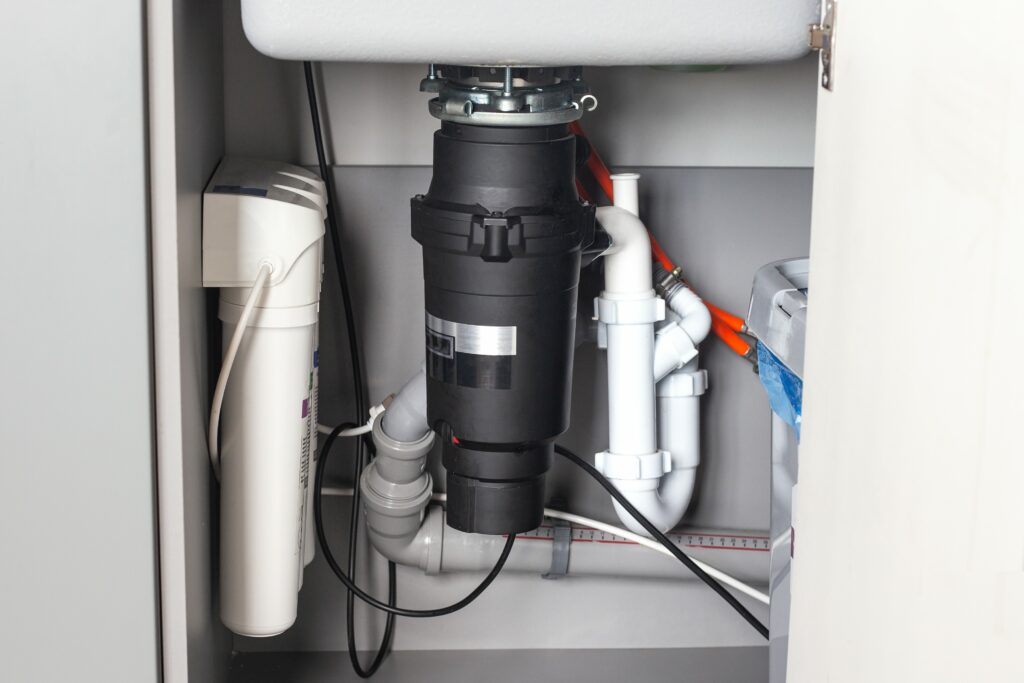
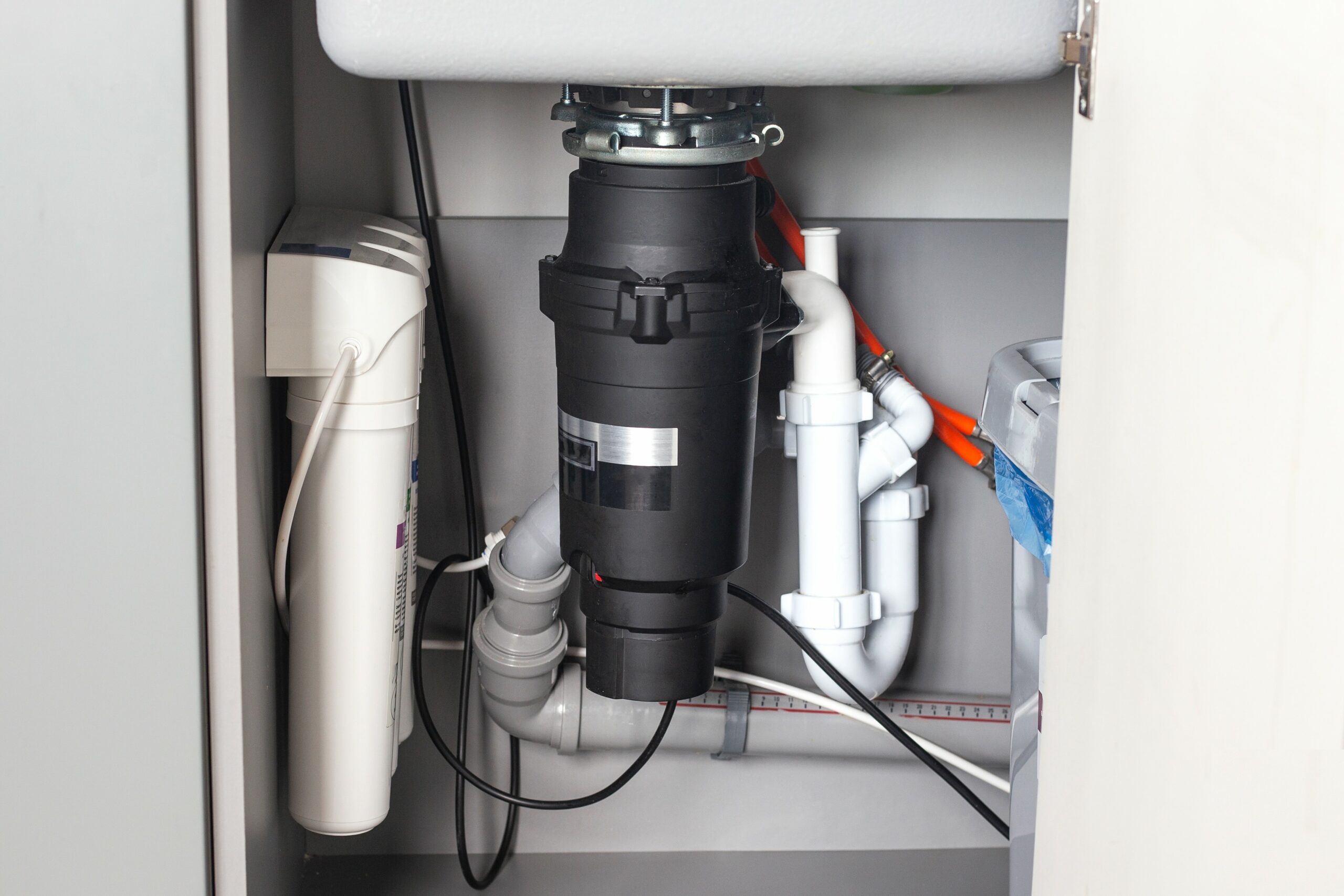
Before diving into egg shells specifically, it helps to understand what a garbage disposal is actually doing under that sink. Despite what the name implies, a garbage disposal does not use blades. It uses a spinning plate called an impeller that works alongside stationary grind rings to break food waste into very small particles. Water then flushes those particles through your plumbing system. The motor powers the impeller, and the grind ring does the heavy lifting of actually pulverizing material. This distinction matters because the type of material you feed into the disposal directly affects how much stress those components experience over time.
The Egg Shell Debate: Where the Confusion Comes From
Search for egg shells and garbage disposals online and you will find genuinely conflicting information. Some sources claim egg shells sharpen the grinding components. Others say they cause serious damage. Neither claim is entirely accurate, which is probably why the confusion persists. The sharpening myth likely originated from the fact that crushed egg shells feel gritty, similar to an abrasive material. But grind rings are not knives, and they do not benefit from being sharpened the way a blade would. The actual concern is more practical and less dramatic than either side of the debate suggests.
The Real Problem: The Membrane Inside the Shell
Here is the part most people overlook. Inside every egg shell is a thin, fibrous membrane. That membrane is the real issue. When egg shells are processed through a disposal, the membrane can wrap around the impeller shaft or cling to the interior components. Over time, this material accumulates and creates resistance against the motor. It can also combine with other food debris and grease to form a stubborn buildup inside your drain line. The shell itself may grind up just fine, but that membrane is sticky, stringy, and persistent in ways that cause slow but real wear.
What Happens to Your Plumbing Downstream
Even if your disposal handles egg shells without an immediate problem, your drain pipes may tell a different story. Ground egg shell particles are fine and sandy. When they mix with grease, soap residue, or other food particles already present in your pipes, they form a paste-like buildup that narrows your drain over time. Plumbers regularly cite egg shells as a contributing factor to drain clogs, not necessarily because a single shell causes a blockage, but because consistent disposal of them accelerates buildup that eventually becomes a real problem. The damage is cumulative, which makes it easy to dismiss until the clog arrives.
Foods That Are Actually Safe for Your Garbage Disposal
Knowing what to avoid is just as useful as knowing what works well. Foods that your disposal handles without strain are generally soft, non-fibrous, and water-soluble. Good candidates include small amounts of cooked vegetables, fruit scraps without pits, bread, and soft leftovers. Running cold water before, during, and after use helps flush material through and keeps the motor from overheating. That last point catches a lot of homeowners off guard; cold water is preferred over hot because it keeps fats solidified so they move through the drain rather than coating the interior of the pipes.
What to Avoid Putting Down Your Garbage Disposal
Egg shells are not the only item that earns a place on the avoid list. Understanding the full picture helps you get more years out of your appliance without unnecessary repairs.
- Fibrous vegetables like celery, artichokes, and corn husks can tangle around the impeller shaft
- Grease, oil, and fats coat the interior of drain pipes and cause long-term buildup
- Pasta and rice expand with water and can contribute to dense clogs
- Fruit pits and bones are simply too hard for most residential disposal motors
- Coffee grounds feel fine but accumulate into a thick, sediment-like mass inside pipes
- Egg shells, specifically due to the membrane issue described above
How to Extend the Life of Your Garbage Disposal
A garbage disposal that is well maintained can last anywhere from eight to fifteen years. The gap between those numbers usually comes down to how the appliance is used day to day. Run cold water for about thirty seconds before you start the disposal, and keep it running for at least fifteen seconds after the grinding sounds stop. This ensures debris has time to clear the unit and travel fully through the drain line. Cleaning the disposal monthly with a combination of ice cubes and coarse salt helps remove residue from the grind ring without introducing harsh chemicals. A halved lemon run through occasionally handles odors without damaging any components.

Signs Your Garbage Disposal May Already Have a Problem
If egg shells or other problematic foods have already made their way down your disposal regularly, there are a few signs that suggest the appliance may be struggling. Slow draining after running the disposal often points to buildup inside the drain line. Unusual humming or buzzing without actual grinding motion usually means the impeller is jammed or the motor is straining against an obstruction. Persistent odors that do not respond to cleaning are often trapped food residue in hard-to-reach areas of the unit. Leaking from beneath the sink near the disposal can signal seal wear or a cracked housing. None of these issues are automatic death sentences for the appliance, but they do warrant prompt attention before they escalate.
Why a Home Warranty Makes Sense for Kitchen Appliance Protection
Garbage disposals are one of those appliances that homeowners rarely think about until something goes wrong. When the motor burns out or the unit starts leaking, the timing is almost always inconvenient and the repair cost feels unnecessary. That is where having a solid home warranty in place changes the equation entirely. Armadillo home warranty coverage for kitchen appliances and built-in systems is designed to protect homeowners from exactly these kinds of unexpected repair and replacement costs. Rather than absorbing the full cost of a new disposal or a plumber’s diagnostic visit, a home warranty steps in to cover what your homeowner’s insurance typically will not. If you want straightforward protection that actually includes the appliances you use every day, you can get a free home warranty quote for garbage disposal and appliance coverage in just a few minutes. Armadillo keeps the process simple, the coverage clear, and the fine print honest so you know exactly what you are getting before you commit to anything.

Frequently Asked Questions About Garbage Disposals and Egg Shells
These are the questions homeowners ask most often when researching garbage disposal use and maintenance.
Can egg shells go in a garbage disposal?
Technically a garbage disposal can grind egg shells, but it is not recommended. The inner membrane of the egg shell can wrap around internal components and contribute to drain line buildup over time.
Do egg shells sharpen garbage disposal blades?
This is a persistent myth. Garbage disposals do not use blades. They use an impeller and grind ring system, which is not sharpened by abrasive materials like egg shells.
What is the worst thing to put in a garbage disposal?
Grease, oil, and fat cause the most long-term damage because they coat and narrow drain pipes. Fibrous vegetables, hard pits, and bones are also among the most harmful items for the motor and impeller.
How long does a garbage disposal typically last?
With proper use and maintenance, a residential garbage disposal generally lasts between eight and fifteen years. Frequent misuse, including putting problematic foods down the unit, can significantly shorten that lifespan.
What should I do if my garbage disposal is humming but not working?
A humming sound without grinding usually means the impeller is jammed. Turn off the unit immediately to avoid burning out the motor. Most disposals include a hex key socket at the base that allows you to manually free a jammed impeller.
Is it safe to use chemical drain cleaners in a garbage disposal?
Most chemical drain cleaners are not designed for use with garbage disposals and can damage the rubber and plastic components inside the unit. Enzymatic cleaners are a safer option for routine maintenance.
Does a home warranty cover garbage disposal repairs?
Many home warranty plans include garbage disposal coverage, though the specifics vary by provider and plan. It is important to review your coverage terms to confirm what types of failures are included.
Can I install a garbage disposal myself?
Installation is manageable for homeowners with basic plumbing knowledge, but improper installation can void manufacturer warranties and potentially cause leaks. Professional installation ensures correct wiring and drain connections.
Why does my garbage disposal smell even after cleaning it?
Persistent odors usually come from food debris trapped in the splash guard, grind ring crevices, or the drain connection. Cleaning under the splash guard flaps and using a disposal-safe cleaner regularly helps eliminate the source rather than masking it.
Should I run hot or cold water when using a garbage disposal?
Cold water is strongly preferred. It keeps fats and oils solidified so they move through the drain system as particles rather than coating the interior of pipes as a liquid that later hardens.