Can You Put Plastic Bags in the Microwave? What Every Homeowner Needs to Know
It happens all the time. You have leftovers in a zip-lock bag, or maybe some frozen vegetables sealed in a thin plastic pouch, and the microwave is right there. The question crosses your mind — is this actually safe? It seems like a small thing, but the answer matters more than most people realize. Understanding how your microwave interacts with different materials is part of being a smart, informed homeowner. And beyond the safety question, knowing how your kitchen appliances work — and what can damage them — plays directly into how well you maintain your home and protect your investment.
How Microwaves Actually Work
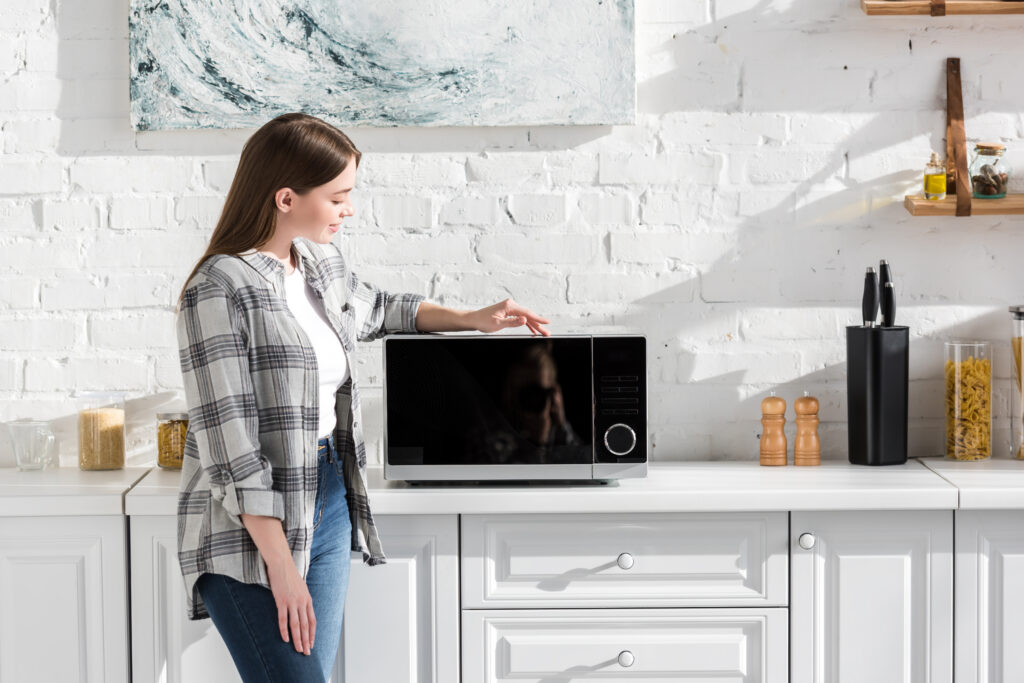
Before you can understand why plastic bags are a concern, it helps to know what is actually happening inside that appliance every time you press start. Microwaves use electromagnetic radiation to excite water molecules inside food. Those molecules move rapidly, generating heat from within the food itself rather than from an external heat source. The walls of the microwave do not heat up the way an oven does. What this means is that any container holding your food is going to be exposed to steam, heat transfer from the food, and in some cases direct microwave energy depending on the material. Plastic bags — especially thin ones not designed for heat — sit right in the path of all of that activity.
The Real Risk With Plastic Bags in the Microwave
Not all plastics are created equal, and that distinction genuinely matters when heat is involved. Standard plastic bags — think grocery store bags, sandwich bags, or basic zip-lock storage bags — are made from low-density polyethylene or similar materials that are not designed to withstand microwave temperatures. When these materials heat up, they can warp, melt, or release chemical compounds into the food they contain. Some plastics contain additives or dyes that become unstable under heat. The visible sign of trouble is often a melted or distorted bag, but the less visible issue is the potential for chemical migration into your food. That is the part worth taking seriously.
Which Plastic Bags Are Actually Microwave Safe
Here is where things get a little more nuanced. Some plastic bags are specifically manufactured and tested for microwave use. Microwave-safe steam bags — the kind that often come with frozen vegetables or microwave meals — are designed with venting mechanisms and heat-tolerant materials. If a bag carries a microwave-safe label, it has been tested to meet certain standards for heat resistance and chemical stability. The label is not just marketing language; it reflects an actual material distinction. If there is no microwave-safe label on the bag, the safest assumption is that it should not go in the microwave. When in doubt, transfer the contents to a glass or ceramic container before heating.
Signs Your Microwave May Have Sustained Damage
Melted plastic inside a microwave is more than just a mess to clean up. Depending on how much plastic melted and where it landed, it can affect the performance and safety of the appliance itself. Here are some signs that your microwave may have sustained damage from improper use:
- A persistent burning smell that does not go away after cleaning
- Visible discoloration or warping on the interior walls or turntable
- Uneven heating or spots where food consistently fails to heat through
- Sparking or unusual sounds during operation
- The door seal appearing distorted or compromised
Any of these signs warrant a closer look. A microwave that has been compromised structurally or mechanically is not just an inconvenience — it can be a safety issue. Knowing when to repair versus replace is an important part of responsible home appliance management.
Proper Microwave-Safe Alternatives for Reheating Food
The good news is that you have plenty of options that do not involve second-guessing bag labels at 7 in the morning. Glass containers with microwave-safe lids are one of the most reliable choices. Ceramic dishes work well too, as long as they do not have metallic glazes or decorative elements with metal content. Microwave-safe plastic containers — not bags, but containers — are widely available and clearly labeled. Paper plates and paper towels are generally fine for short heating sessions. The underlying principle is simple: if the material is designed for microwave use and labeled as such, you can use it with confidence. If it is not, default to something that is.
What This Has to Do With Home Appliance Maintenance
Your microwave is one of the most frequently used appliances in your kitchen, and like any appliance, how you use it affects how long it lasts. Improper use — whether that means running it empty, using non-safe containers, or ignoring early warning signs of wear — shortens its lifespan and increases the likelihood of a breakdown. From a home ownership perspective, appliance care is not just about cleanliness. It is about getting the full value out of your investment. A microwave that fails prematurely because of preventable damage is a cost that lands entirely on you. Staying informed about proper usage practices is one of the simplest and most effective forms of home maintenance there is.
When Appliance Issues Go Beyond a Quick Fix
Sometimes, no amount of careful use prevents an appliance from eventually failing. Microwaves have internal components — magnetrons, capacitors, control boards — that wear out over time regardless of how carefully you treat the appliance. When those components fail, repair costs can approach or exceed the cost of replacement. This is the kind of situation where having a plan in place before something breaks makes all the difference. Many homeowners do not think about appliance coverage until they are already looking at a repair bill. Planning ahead is always the smarter approach, and it starts with understanding what protection options are actually available to you.
How Armadillo Helps Homeowners Protect Their Appliances and Systems
When your microwave, refrigerator, or any other home appliance stops working, the last thing you want to be doing is scrambling to figure out repair costs. That is exactly where a home warranty from Armadillo home appliance and systems protection steps in. Armadillo offers straightforward, no-nonsense coverage designed around the way real homeowners actually live. Coverage is clear, claims are handled efficiently, and you are not left deciphering pages of fine print when something goes wrong. If you are ready to stop leaving your appliances unprotected, you can get a free home warranty quote for kitchen appliances and major systems in just a few minutes. Knowing your home is covered changes how you think about every appliance in it.
Frequently Asked Questions
Can you microwave a Ziploc bag?
Some Ziploc bags are labeled microwave-safe, but not all of them are. Check the packaging for a microwave-safe symbol before using one. If there is no label indicating it is safe for microwave use, transfer the food to a microwave-safe container instead.
What happens if you accidentally microwave a plastic bag?
If the bag melted or warped, you should discard the food inside as a precaution due to potential chemical migration. Clean the interior of the microwave thoroughly and check for any signs of damage such as discoloration, odor, or distorted surfaces before using it again.
Are freezer bags microwave safe?
Most standard freezer bags are not designed for microwave use. They are built to withstand cold temperatures, not heat. Unless the packaging specifically states the bag is microwave-safe, do not use it for reheating food.
What containers are safest to use in the microwave?
Glass containers, ceramic dishes without metallic glazes, and plastic containers specifically labeled microwave-safe are the most reliable choices. Avoid metal, most plastic bags, and any container without a clear microwave-safe designation.
Can melted plastic inside a microwave cause health problems?
Melted plastic can release fumes and potentially transfer compounds into food. While a single incident may not cause significant harm, it is best to discard food that has been in contact with melted plastic and clean the appliance thoroughly before further use.
How do I clean melted plastic out of a microwave?
Allow the microwave to cool completely before attempting to clean it. For softened plastic residue, gently use a plastic scraper to lift the material, then clean the surface with a mixture of dish soap and warm water. Avoid abrasive tools that could damage the interior coating.
Does microwaving plastic bags void appliance warranties?
Manufacturer warranties typically cover defects and mechanical failures, not damage caused by improper use. Using non-microwave-safe materials that result in internal damage could be considered misuse, which may affect warranty coverage depending on the terms.
Is it safe to microwave food in a thin produce bag from the grocery store?
No. Thin produce bags from grocery stores are not designed for any heat exposure and should never be used in a microwave. They can melt quickly and may release compounds into food.
How long do microwaves typically last in a home?
The average microwave lasts between seven and ten years with proper use and maintenance. Over-the-range models may have slightly shorter lifespans due to their dual function as ventilation appliances. Regular cleaning and avoiding improper use can help extend the life of the appliance.
Does a home warranty cover microwave repair or replacement?
Many home warranty plans include coverage for built-in microwaves and other kitchen appliances. Coverage terms vary by provider and plan, so reviewing what is included before purchasing a warranty is important. Having coverage in place before an appliance fails ensures you are protected when you need it most.