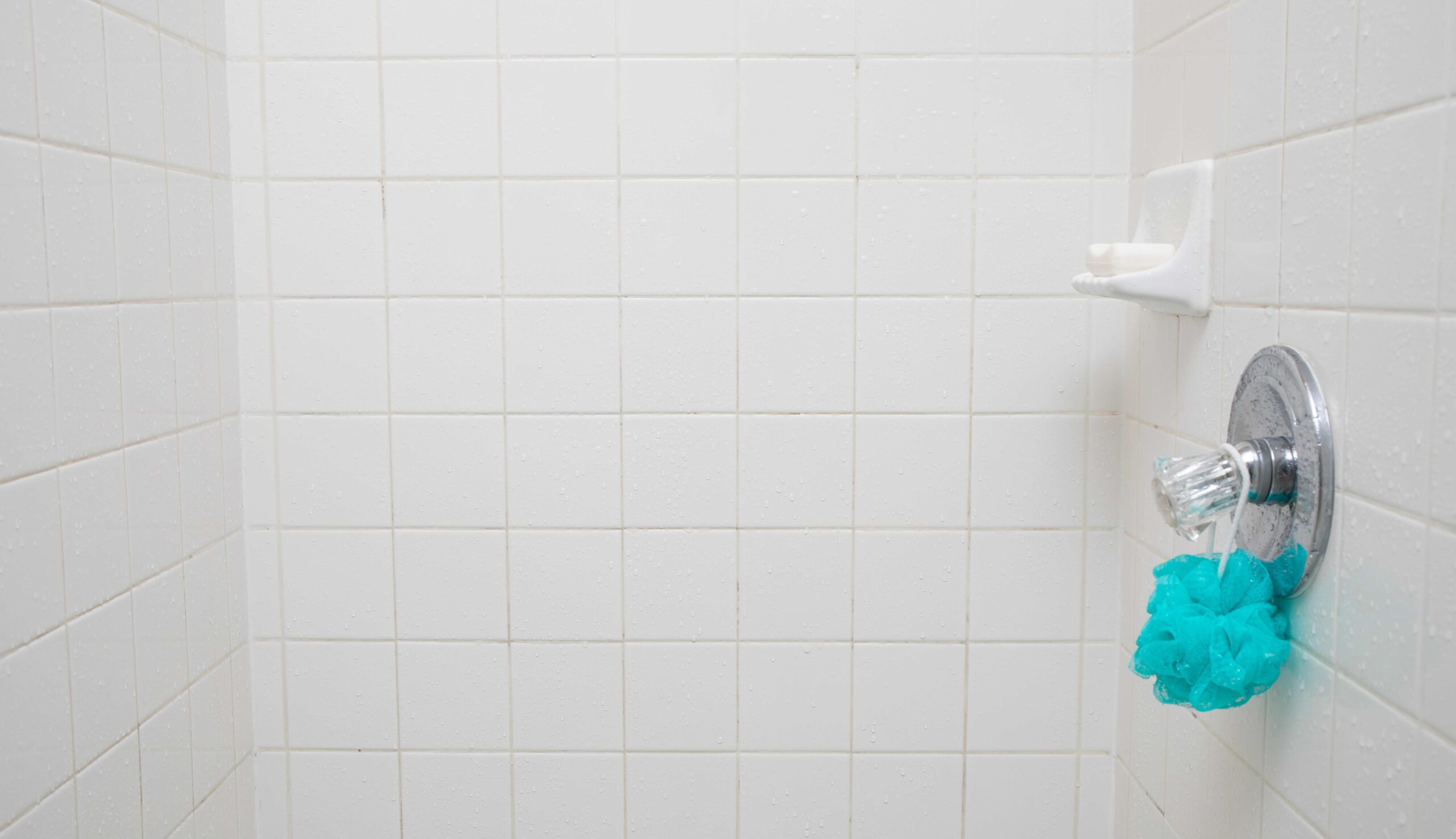
Caulk vs Grout in the Shower: What Every Homeowner Should Know
There is a moment most homeowners eventually face — standing in the shower, noticing something looks off. A crack here, some discoloration there, maybe a gap that definitely was not there before. The question that follows is almost always the same: is this a caulk problem or a grout problem? They look similar, they both fill gaps, and yet they are fundamentally different materials designed for entirely different purposes. Getting that distinction wrong can lead to water damage that escalates quickly and quietly behind your walls — the kind of damage that turns a simple weekend fix into a costly repair. So let us clear this up properly.
What Is Grout and Where Does It Belong in a Shower
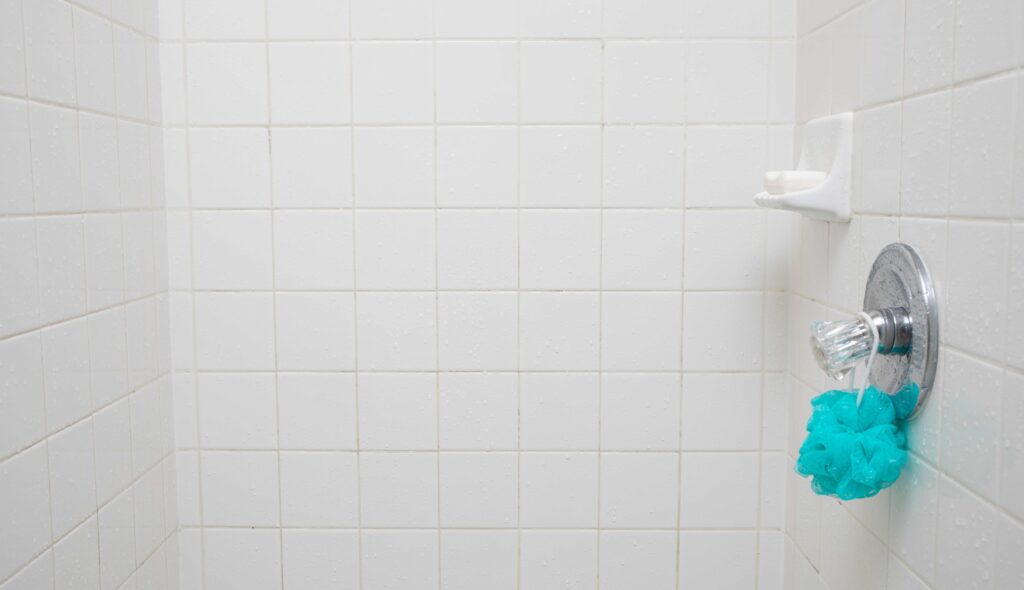
Grout is a cement-based filler material used to fill the joints between tiles on flat, stable surfaces. In a shower, you will typically find grout on the main tile fields — the walls and the floor panels where tiles sit flat and the movement between them is minimal. It is rigid by nature, which makes it excellent at holding tiles in precise alignment and preventing debris from collecting in the spaces between them. Standard grout comes in sanded and unsanded varieties, with sanded grout used for wider joints and unsanded for narrower ones. Epoxy grout also exists for high-moisture environments and offers stronger stain resistance. Grout is porous unless sealed, which means in a wet environment like a shower, maintenance actually matters quite a bit.
What Is Caulk and Why Showers Need It Too
Caulk is a flexible, waterproof sealant — most commonly silicone or latex-based — used to seal joints where movement occurs or where two different surfaces meet. In a shower, that means corners, the joint where the wall meets the floor, the perimeter around fixtures like your faucet and showerhead, and any transition between a tub and tile. Unlike grout, caulk is designed to flex. Homes shift with temperature changes, humidity, and time. Rigid grout in a corner joint will eventually crack because that joint is not built to stay still. Caulk absorbs that movement without breaking the seal, which is precisely why it exists where it does. Using grout in a corner is one of the most common and costly mistakes homeowners make.
The Core Difference: Rigid vs Flexible
This is the part worth memorizing. Grout is rigid. Caulk is flexible. The entire decision about which material belongs where comes down to whether the joint in question is subject to movement. Corners, edges, and transitions around fixtures experience constant micro-movement. The wall expands, the floor shifts, steam pressure builds and releases — these are not dramatic events, but they happen daily. Rigid grout cannot accommodate that movement without cracking. When it does crack, water finds a path behind the tile and into the substrate. Silicone caulk, applied in those same spots, maintains a continuous waterproof seal through all of that movement. This is not a stylistic preference. It is a structural and waterproofing decision.

Where to Use Grout vs Caulk: A Practical Breakdown
Knowing the theory is useful, but knowing exactly where each material goes is what actually protects your shower. Here is a clear breakdown of where each material belongs:
- Grout belongs on the flat tile field of walls and floors, filling joints between tiles on the same continuous surface
- Caulk belongs in all interior corners where two tiled walls meet
- Caulk belongs at the base of the shower where the wall tile meets the floor or pan
- Caulk belongs around all fixtures including the faucet, showerhead escutcheon, and any built-in shelf edges that meet a separate surface
- Caulk belongs where tile meets a different material entirely, such as glass, metal, or a prefabricated shower base
Common Signs Your Shower Caulk or Grout Needs Attention
Most homeowners do not notice grout or caulk failure until there is already some level of water intrusion happening. That is the problem with these materials — they degrade gradually, and the damage they allow accumulates silently. Knowing the warning signs early is a meaningful advantage. Cracked or crumbling grout on tile fields is a surface issue that can worsen into a substrate issue. Discolored or stained grout, particularly with dark spots, often signals mold growth within the porous material. Caulk that is peeling, pulling away from one surface, or visibly cracked at corners is no longer waterproofing effectively. Soft or spongy tile that flexes underfoot is a later-stage sign that water has already reached the substrate. Any of these conditions warrant prompt attention.
How to Recaulk a Shower the Right Way
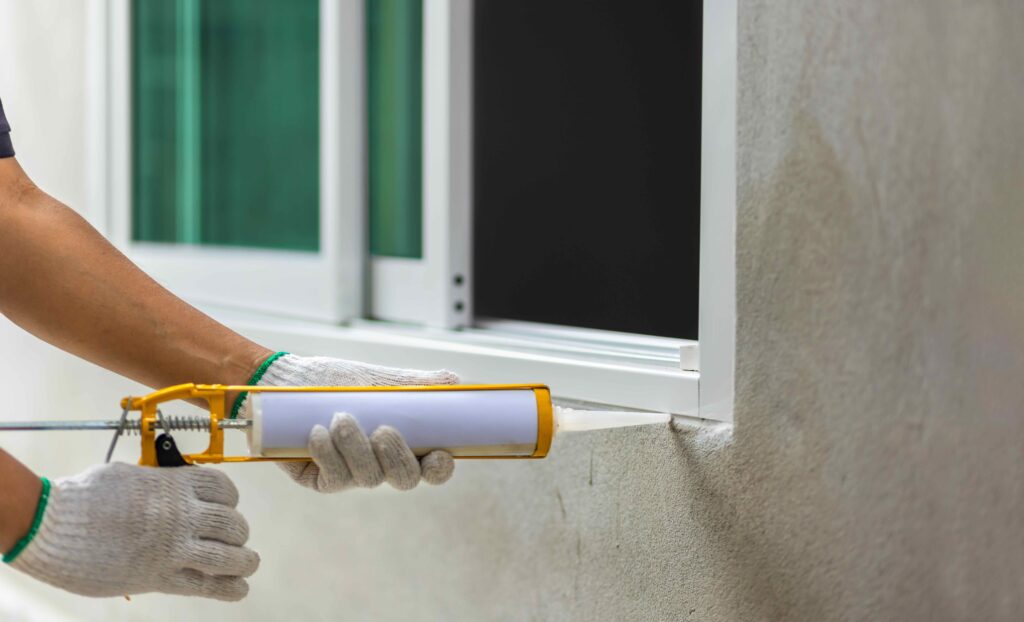
Recaulking a shower is a manageable DIY task if done with care and patience. The most important part — and the part most people rush — is the removal of old caulk. Any old caulk must be completely removed before the new application. Residual material prevents proper adhesion and the new caulk will fail prematurely. Use a caulk removal tool or a utility knife to remove the old bead, then clean the joint with a mildew-killing solution and allow it to dry fully — ideally for 24 hours. Apply a continuous bead of 100 percent silicone caulk rated for kitchen and bath use, smooth it with a wet finger or caulk tool, and allow it to cure completely before exposing it to water. Curing time varies by product but is typically 24 to 48 hours. Skipping the drying and curing steps is the most common reason DIY recaulking fails.
Regrouting a Shower: When and How
Regrouting is more involved than recaulking and often requires a grout saw or oscillating tool to remove the deteriorated grout without damaging the tile edges. It is worth doing when grout is cracked across multiple joints, when mold has penetrated deeply, or when the color has degraded unevenly. After removing old grout, clean the joints and allow them to dry. Mix and apply new grout according to manufacturer specifications, working it into joints with a rubber float, then wipe the tile surface diagonally with a damp sponge before the grout hazes. Once fully cured — typically 72 hours — apply a penetrating grout sealer to reduce porosity and extend the life of the repair. Sealing grout annually in a shower environment is a smart maintenance habit that most homeowners overlook.
How Water Damage Connects to Home Warranty Coverage
Here is where things get interesting for homeowners thinking about protection. Home warranties cover the mechanical systems and appliances in a home — think plumbing, water heaters, HVAC, and electrical systems. They do not typically cover cosmetic tile repair or caulk replacement. However, when failed caulk or grout allows water to penetrate behind walls and damage plumbing components or subflooring, the line between cosmetic and mechanical gets blurry quickly. The original failure point — a cracked caulk joint — may be a maintenance item, but the resulting damage can extend into covered systems. Understanding where preventive maintenance ends and system failure begins is genuinely useful for any homeowner navigating a warranty claim. Staying ahead of grout and caulk maintenance is one of the most cost-effective ways to protect the systems that are covered.
Why Armadillo Is the Right Partner for Shower-Related Home Protection
When something goes wrong in your home beyond a caulk joint — when it is the plumbing system behind that shower wall or the water heater connected to it — having a reliable home warranty in place changes everything about that experience. Armadillo home warranty plans for bathroom plumbing and home systems are built to give homeowners straightforward, honest coverage without the runaround. Armadillo focuses on transparency, fast service, and coverage that actually makes sense for real homes. If you want to understand exactly what a plan covers before you need it, you can get a personalized home warranty quote for plumbing and system protection in minutes. Keeping your shower properly maintained with the right caulk and grout is your job — and Armadillo handles the bigger picture when things break down beyond what maintenance can prevent.

Frequently Asked Questions About Caulk vs Grout in the Shower
Homeowners ask these questions constantly, and the answers matter more than most people realize when it comes to protecting their bathrooms long-term.
Can I use grout instead of caulk in shower corners?
No. Grout is rigid and will crack in corners because those joints experience movement from temperature changes and structural shifting. Silicone caulk is the correct material for all interior shower corners.
How often should shower caulk be replaced?
Shower caulk typically lasts between one and five years depending on the product quality, application method, and how frequently the shower is used. Inspect it annually and replace it at the first sign of cracking, peeling, or mold that cannot be cleaned away.
What type of caulk is best for showers?
100 percent silicone caulk rated for kitchen and bath use is generally the best choice for shower applications. It is fully waterproof, flexible, and resistant to mold and mildew growth.
Does shower grout need to be sealed?
Yes. Cement-based grout is porous and will absorb water, soap residue, and mold in a shower environment unless it is sealed. Apply a penetrating grout sealer after installation and reapply annually for best results.
What happens if water gets behind shower tiles?
Water intrusion behind tiles can damage the cement board or drywall substrate, cause mold growth within the wall cavity, and eventually compromise structural framing or adjacent plumbing components. Early intervention is significantly less costly than delayed repair.
Can I caulk over old caulk in the shower?
It is not recommended. Applying new caulk over old caulk reduces adhesion and the new bead is likely to fail prematurely. Always remove all existing caulk, clean the joint thoroughly, allow it to dry completely, and then apply fresh caulk.
Is shower tile repair covered by a home warranty?
Standard home warranties do not typically cover cosmetic repairs such as tile, grout, or caulk replacement. However, if water damage from a failed seal causes a covered plumbing component to fail, that component may be covered depending on the terms of the plan.
How do I know if my shower grout is failing?
Signs of failing grout include visible cracking or crumbling, persistent dark staining that does not respond to cleaning, soft or hollow-sounding tiles when tapped, and musty odors coming from the shower area.
What is the difference between sanded and unsanded grout?
Sanded grout contains fine sand particles and is used for tile joints wider than one-eighth of an inch. Unsanded grout is smoother and used for narrower joints. Using the wrong type can result in cracking or poor adhesion.
How long after recaulking can I use the shower?
Most silicone caulk products require a full 24 to 48 hours to cure before the shower should be used. Check the manufacturer instructions for the specific product applied, as cure times can vary based on humidity and temperature conditions.