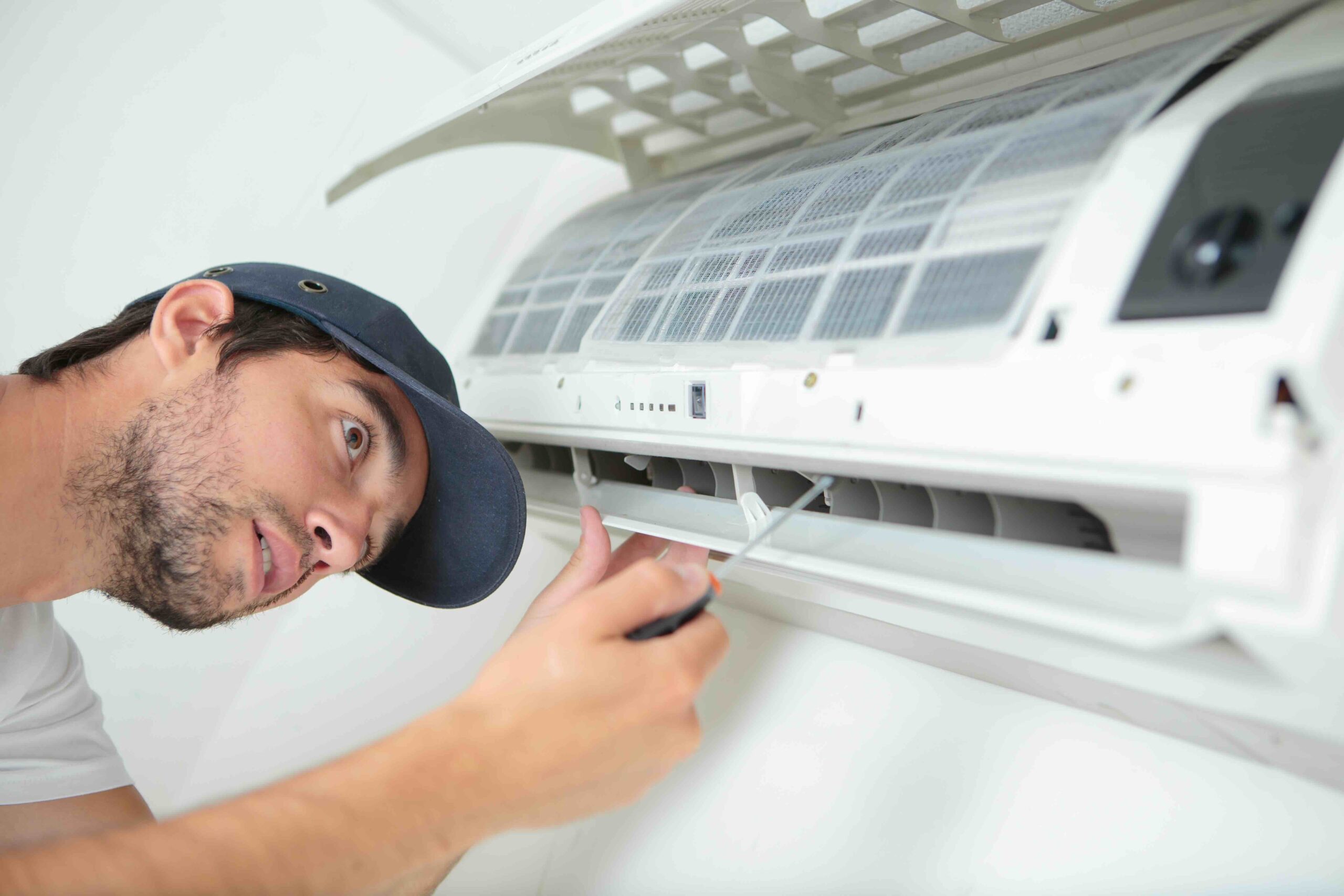
What Is a Central Air Conditioning System and How Does It Actually Work?
Central air conditioning is one of those home systems that most people rely on every single summer without ever really thinking about how it operates. And honestly, that is fine — until something goes wrong. Understanding the basics of your central AC system helps you catch problems earlier, maintain it smarter, and make better decisions when it is time for a repair or replacement. So let us walk through all of it, from how the system functions to what it costs to keep running well.
The Core Components of a Central Air Conditioning System
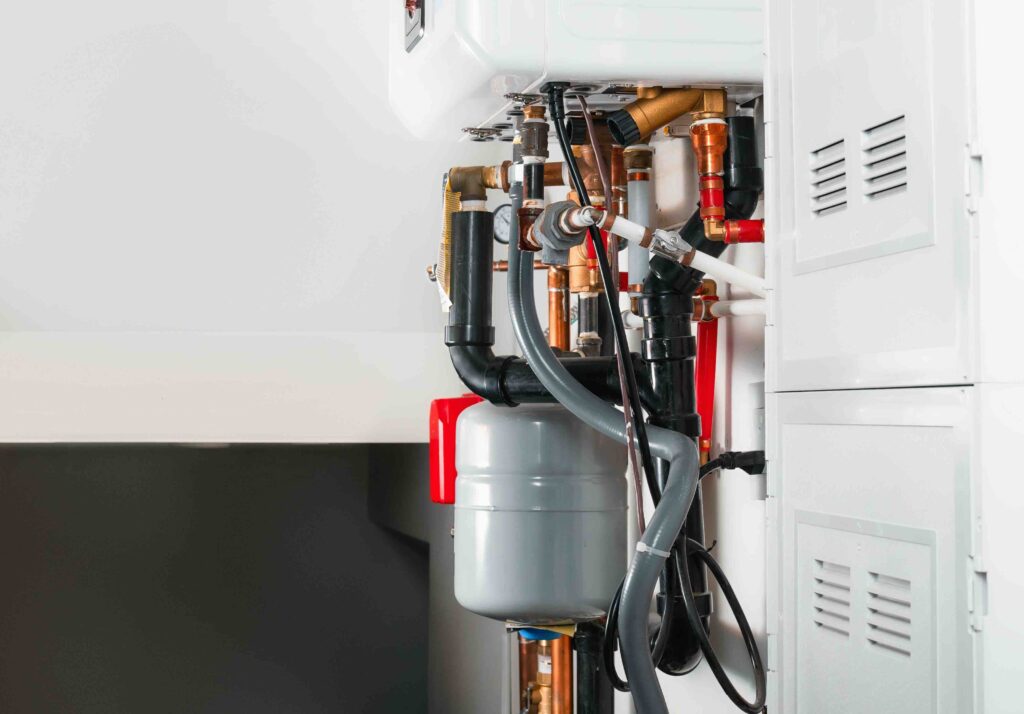
A central AC system is not just one unit — it is a collection of components working in coordination to move heat out of your home and circulate cool air throughout every room. The main players include the compressor, condenser coil, evaporator coil, air handler, refrigerant lines, and your home’s ductwork. The outdoor unit houses the compressor and condenser. The indoor unit — typically installed near your furnace or in a dedicated air handler — contains the evaporator coil. These two halves communicate through refrigerant lines that carry heat-absorbing and heat-releasing refrigerant back and forth in a continuous cycle.
How the Cooling Process Actually Works
Here is where it gets interesting. Central air conditioning does not generate cold air — it removes heat. Warm air from inside your home is pulled through return vents, passed over a cold evaporator coil that absorbs the heat, and then the now-cooled air is pushed back through your supply vents. Meanwhile, the refrigerant that absorbed all that heat travels outside to the condenser, which releases the heat into the outdoor air. The cycle repeats continuously until your thermostat signals that the target temperature has been reached. It is a simple concept executed through some fairly complex mechanical engineering.

Key Advantages of Central Air Conditioning
There are real, practical reasons why central air conditioning remains the dominant cooling choice in American homes. When you compare it to window units or portable alternatives, the advantages become clear pretty quickly.
- Whole-home comfort with consistent temperature control across every room
- Better indoor air quality through integrated filtration via the air handler
- Quieter operation since the loudest components sit outside
- Higher home resale value compared to homes without central cooling
- Humidity control built into the cooling process, which matters a lot in warmer climates
Common Drawbacks Worth Knowing Before You Commit
Central AC is not without its complications. The upfront installation cost is significant — particularly if your home does not already have ductwork in place. Adding ductwork to an older home can be expensive and disruptive. The system also requires annual professional maintenance to run efficiently, which is an ongoing cost many homeowners underestimate. Duct leaks are another persistent issue; studies have shown that the average home loses between 20 and 30 percent of conditioned air through poorly sealed ducts. And if your home has inconsistent insulation or older windows, the system has to work harder to compensate — which shortens its lifespan and raises energy bills.
How Long Does a Central Air Conditioning System Last?
This is one of the most searched questions in the home warranty industry, and for good reason. The average central air conditioning system lasts between 15 and 20 years with proper maintenance. However, systems in climates where they run heavily — think Texas, Florida, or Arizona — may show significant wear closer to the 12 to 15 year mark. The compressor, which is the most expensive single component in the system, is often the first major component to fail. When a compressor goes in an older unit, most HVAC professionals will recommend full system replacement rather than a costly repair on aging equipment.
Maintenance Tips That Actually Extend the Life of Your AC
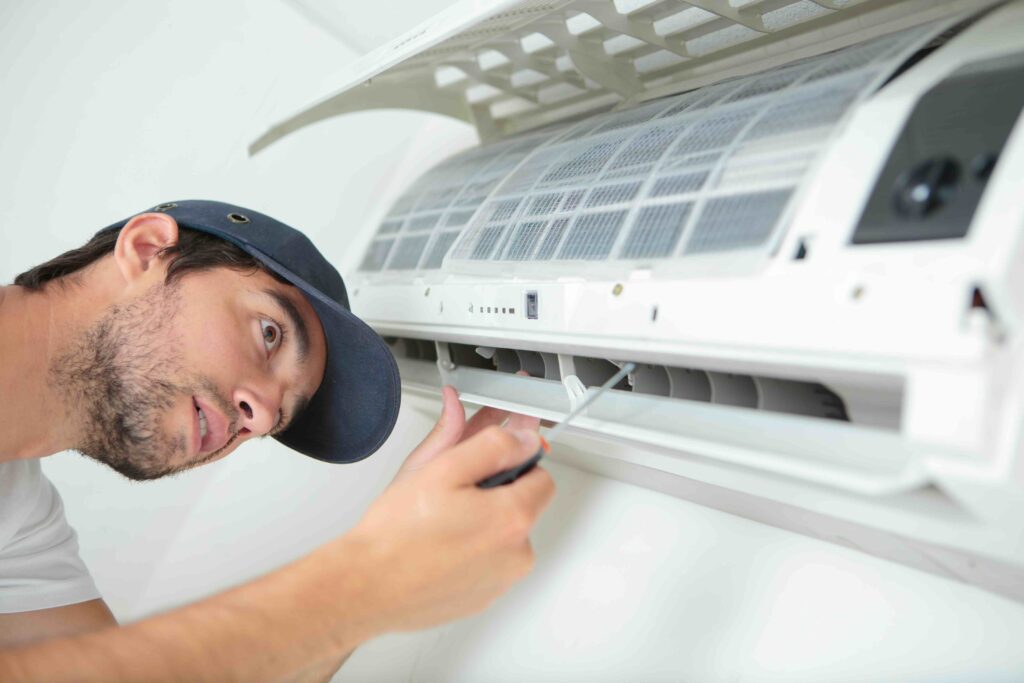
Consistent maintenance is the single biggest factor in how long your central AC lasts and how efficiently it runs season after season. The good news is that several maintenance tasks are simple enough for any homeowner to handle.
- Replace air filters every 30 to 90 days depending on household size and pet presence
- Keep the outdoor condenser unit clear of debris, plants, and obstructions
- Schedule annual professional tune-ups before the cooling season begins
- Check and seal duct connections in accessible areas like attics and crawlspaces
- Clean evaporator coils and condensate drain lines to prevent mold and clogs
Signs Your Central AC System May Need Professional Attention
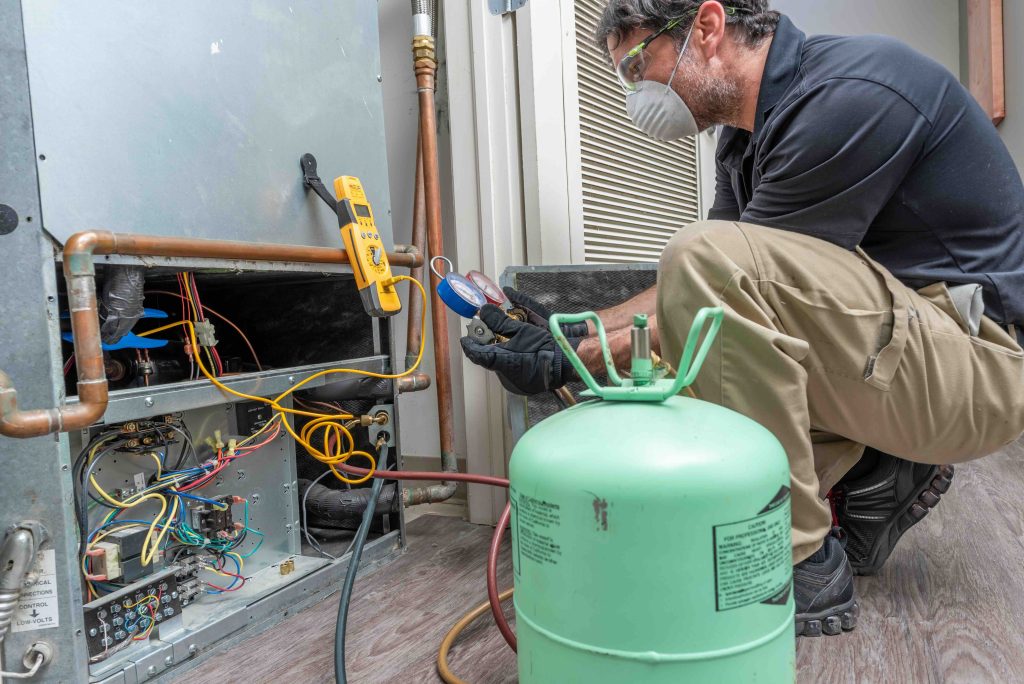
Knowing when to call a professional is just as important as routine maintenance. Some warning signs are obvious — the system stops cooling entirely. Others are subtler and easy to dismiss until they escalate into expensive repairs. If you notice warm air coming from your vents despite the system running, unusual clicking or grinding sounds from the outdoor unit, ice forming on refrigerant lines, or a sudden spike in your electric bill without a change in usage, those are all reasons to schedule a service call. Catching small issues early is almost always cheaper than waiting for a full system failure in the middle of July.
What to Expect When It Is Time for a Replacement
Replacing a central air conditioning system is a significant financial event. A standard replacement — swapping the outdoor condenser and indoor evaporator coil in a home with existing ductwork — typically ranges from $3,500 to $7,500 depending on the system size, efficiency rating, and regional labor rates. Higher-efficiency systems with SEER ratings of 18 or above will cost more upfront but generate long-term savings on energy costs. When shopping for a replacement, always work with licensed HVAC contractors, get at least two or three quotes, and make sure the new system is correctly sized using a Manual J load calculation — not just a guess based on the old unit’s tonnage.
How a Home Warranty Can Protect Your Central AC Investment
Central air conditioning is one of the most expensive systems in your home to repair or replace, which is exactly why it is also one of the most important systems to have covered. When a compressor fails unexpectedly or a refrigerant leak develops mid-summer, the last thing you want is to absorb the full cost out of pocket. That is where Armadillo home warranty coverage for central air conditioning systems makes a genuine difference. Armadillo was built for homeowners who want straightforward, honest protection without the fine print runaround — and their HVAC coverage reflects that. Whether you are dealing with a failing compressor, a broken blower motor, or a refrigerant issue tied to a covered component, having the right plan in place changes everything. If you are ready to stop worrying about what happens when your system gives out, you can get a free home warranty quote for your AC system and other major home systems in just a few minutes. It is one of the smarter moves you can make as a homeowner.

Frequently Asked Questions About Central Air Conditioning
Homeowners ask a lot of good questions about central AC — here are the ones that come up most often, answered clearly and without the technical jargon.
How often should central air conditioning be serviced?
Central air conditioning systems should be professionally serviced once per year, ideally in the spring before the cooling season begins. Annual maintenance helps catch refrigerant issues, clean coils, and ensure the system is operating at peak efficiency.
What is a good SEER rating for a central air conditioner?
SEER stands for Seasonal Energy Efficiency Ratio. The federal minimum is currently 14 SEER in most U.S. regions. A rating between 16 and 20 SEER is considered efficient for most homes, while anything above 20 is high-efficiency and typically comes with a premium price tag.
How do I know what size central AC unit my home needs?
Sizing is determined by a calculation called Manual J, which factors in square footage, ceiling height, insulation levels, window size and placement, and local climate. An improperly sized unit — either too large or too small — will cause comfort and efficiency problems.
Why is my central air conditioner running but not cooling the house?
This is usually caused by a dirty air filter, low refrigerant, a frozen evaporator coil, or a failing compressor. Start by checking and replacing the air filter. If the problem persists, contact a licensed HVAC technician for a full diagnostic.
How long does a central AC compressor last?
The compressor typically lasts 10 to 20 years depending on usage, maintenance, and climate. It is the most expensive component in the system, and a failed compressor in an older unit often justifies full system replacement rather than repair.
Is it worth repairing a central AC unit that is more than 15 years old?
Generally, if the repair cost exceeds 50 percent of the cost of a new system, and the existing unit is older than 15 years, replacement is the smarter financial decision. Newer systems are also significantly more energy efficient, which reduces long-term operating costs.
Does a home warranty cover central air conditioning?
Many home warranty plans include central air conditioning systems as part of standard or comprehensive coverage. Coverage typically applies to mechanical failures of covered components like the compressor, capacitors, and blower motors. Always review the specific plan terms to understand what is and is not included.
Can central air conditioning improve indoor air quality?
Yes, to a meaningful degree. Central AC systems circulate air through filters that trap dust, pollen, and other airborne particles. Upgrading to higher-MERV-rated filters or adding UV air purifiers within the air handler can further improve air quality throughout the home.
What causes an air conditioner to freeze up?
A frozen evaporator coil is most commonly caused by restricted airflow from a dirty air filter, low refrigerant levels, or a malfunctioning blower motor. If you notice ice on your system, turn it off, let it thaw, replace the filter, and call a technician if the problem returns.
How much does it cost to replace a central air conditioning system?
Replacement costs typically range from $3,500 to $7,500 for a standard installation in a home with existing ductwork. Costs vary based on system size measured in tons, efficiency rating, equipment brand, and local labor rates. Homes without ductwork will face considerably higher total costs.