What Is a Central Air Conditioning System and Do You Really Need One?
If you have ever stood in front of a floor fan in July and thought, there has to be a better way, you already understand the appeal of central air conditioning. It is one of the most commonly covered systems under a home warranty plan, and for good reason. When it works, it is almost invisible. When it stops working, it becomes the only thing you think about. Understanding how central AC actually functions, what it costs to maintain, and where things tend to go wrong is genuinely useful information for any homeowner, whether you already have a system or you are thinking about having one installed.
How a Central Air Conditioning System Actually Works
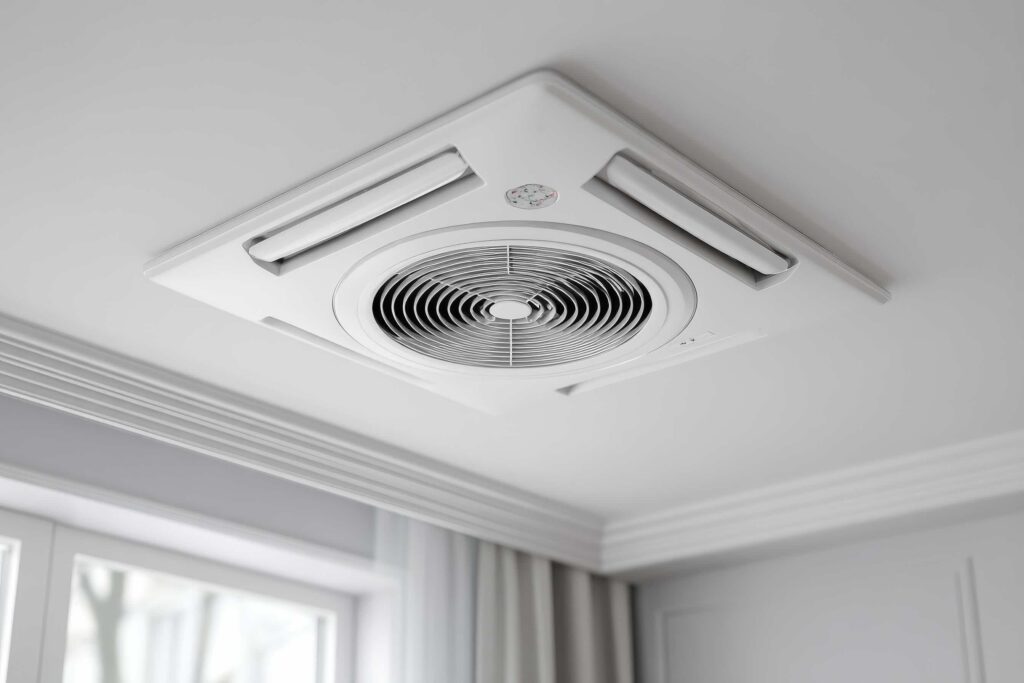
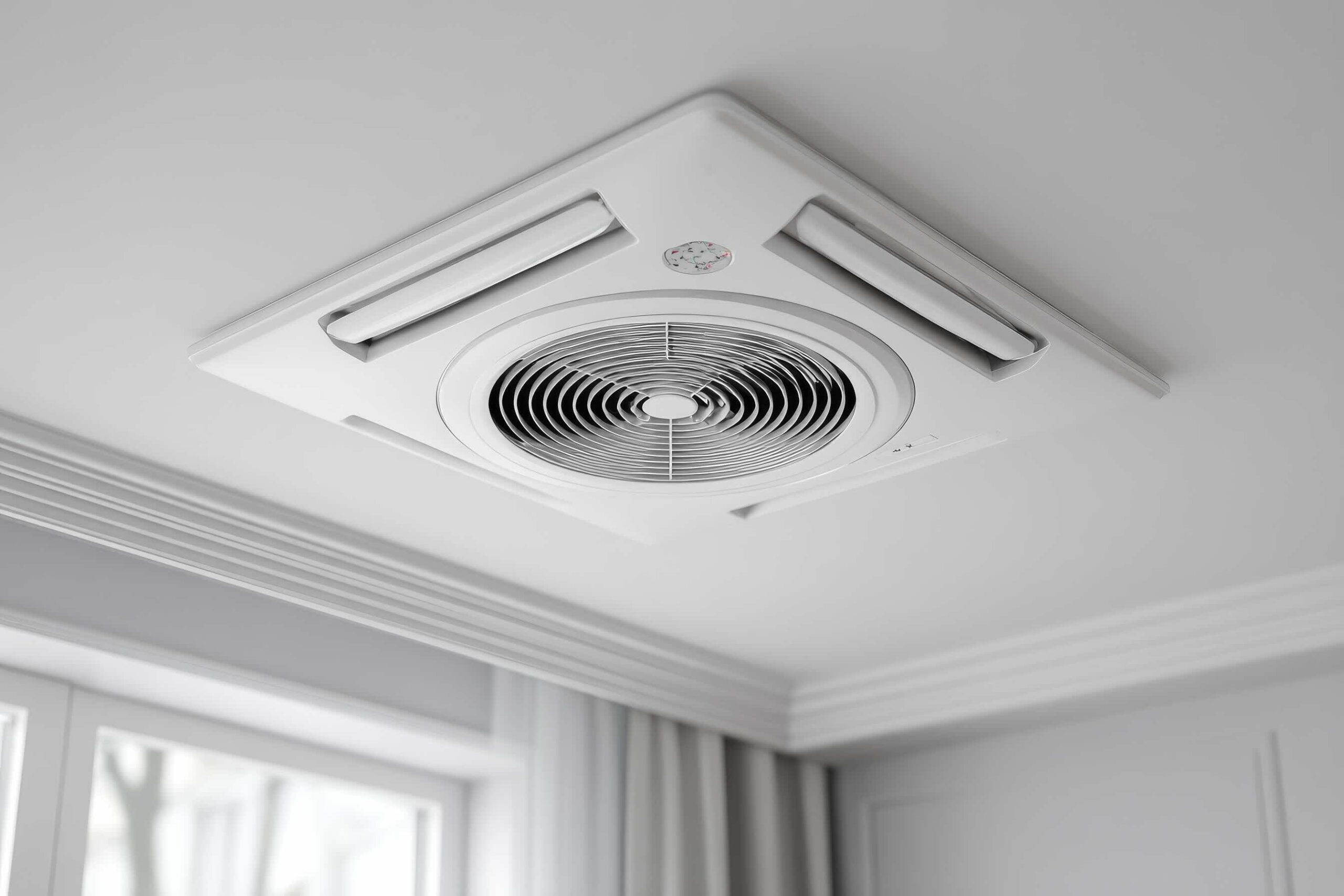
The basic concept is simpler than most people expect. Central air conditioning works by removing heat from indoor air and moving it outside, leaving cooler air behind. The system has two main components, an indoor unit and an outdoor unit, which work together in a continuous loop. The indoor unit, typically called the air handler, contains an evaporator coil and a blower fan. The outdoor unit houses the compressor and condenser coil. Refrigerant moves between these two units, absorbing heat indoors and releasing it outside. Your thermostat tells the system when to run, and the ductwork distributes the cooled air throughout your home. It is, in a lot of ways, an elegantly efficient process once you understand the moving parts.
The Key Components You Should Know
A central air conditioning system is made up of several interconnected parts, and knowing what each one does helps you catch early warning signs before they become expensive problems.
- Compressor: Often called the heart of the system, it pressurizes the refrigerant and keeps it circulating
- Evaporator coil: Located indoors, it absorbs heat from the air inside your home
- Condenser coil: Located in the outdoor unit, it releases the absorbed heat outside
- Air handler and blower fan: Moves air across the evaporator coil and pushes it through your ducts
- Thermostat: Controls when the system runs based on the temperature you set
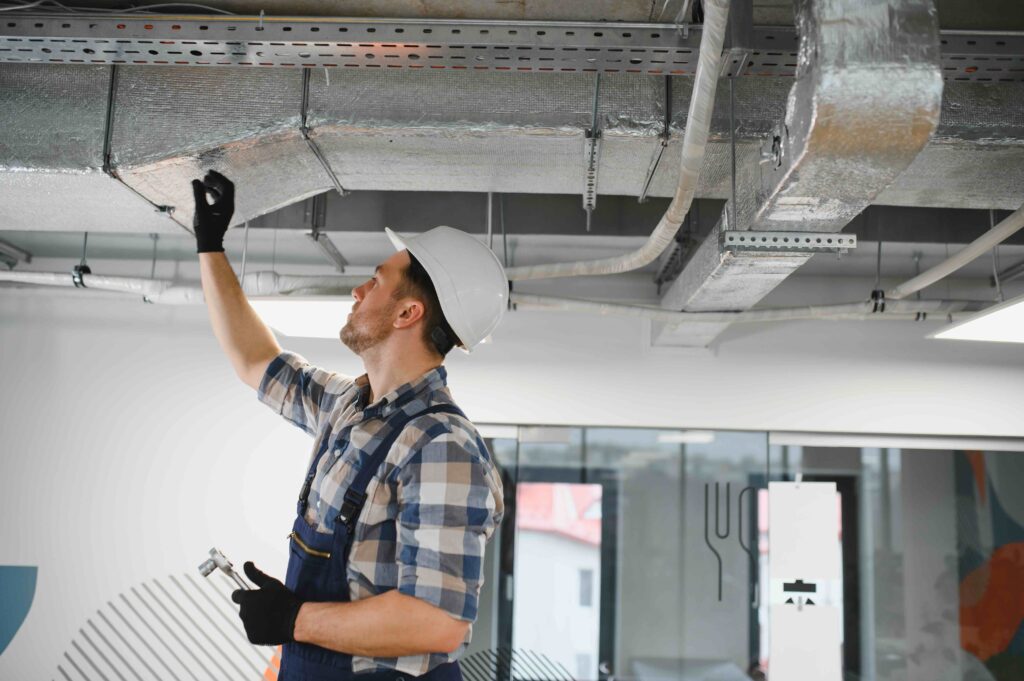
- Ductwork: The network of channels that carry cooled air to every room in your home
- Air filter: Traps dust, allergens, and debris before they reach the internal components
Each of these components carries its own lifespan and its own potential failure point. The compressor, for instance, is typically the most expensive part to replace, which is exactly why it shows up on most home warranty coverage lists.
The Real Advantages of Central Air Conditioning
Central air conditioning offers benefits that go well beyond just keeping you comfortable in the summer. When a system is properly sized and maintained, it delivers consistent cooling to every room in the house, which is something window units and portable coolers simply cannot match. Beyond comfort, central air conditioning also filters the air as it circulates, which can reduce indoor allergens and dust. It operates more quietly than individual room units since the loudest components, particularly the compressor, are located outside. It also tends to add measurable resale value to a home, particularly in regions where summer heat is not something you negotiate with.
Common Drawbacks Worth Knowing Before You Commit
Nothing is perfect, and central air conditioning comes with a few limitations that homeowners should factor into their planning. Installation is expensive if you are starting from scratch, particularly if your home does not already have ductwork in place. Duct-based systems can also develop leaks over time, which reduces efficiency significantly. Central AC requires regular professional maintenance, usually at least once a year, to stay in reliable working order. The systems also consume a notable amount of electricity, which can push utility bills higher during peak summer months. If any single component fails, the entire system can go offline, unlike a window unit where only one room is affected.

How Long Does a Central AC System Last?
Most central air conditioning systems have a lifespan of between 15 and 20 years, though that range depends heavily on how well the system is maintained, how intensively it is used, and the local climate. Systems in hotter climates that run nearly year-round will generally experience more wear than those in milder regions. Compressors and condenser coils tend to be the components that signal the end of a system’s useful life. If your unit is approaching the 12 to 15 year mark and is starting to require frequent repairs, it is worth having an honest conversation with an HVAC technician about whether continued repairs make more financial sense than replacement.
Practical Maintenance Tips to Extend the Life of Your System
The good news is that a lot of the most impactful maintenance tasks are straightforward and inexpensive. Staying on top of them consistently makes a real difference in how long your system lasts and how efficiently it runs.
- Replace your air filter every one to three months depending on usage and home environment
- Keep the area around your outdoor unit clear of debris, vegetation, and obstructions
- Schedule a professional HVAC tune-up at least once a year, ideally in the spring before heavy use begins
- Check that your thermostat is calibrated correctly and functioning as expected
- Inspect your ductwork periodically for visible leaks or disconnected sections
- Keep indoor vents open and unobstructed to allow proper airflow throughout the system
Understanding Efficiency Ratings and What They Mean for You
When shopping for a central air conditioning system, you will encounter a term called SEER, which stands for Seasonal Energy Efficiency Ratio. It measures how efficiently a system converts electricity into cooling output over an entire season. The higher the SEER rating, the more efficient the unit. Older systems may have SEER ratings as low as 8 or 10, while modern high-efficiency units can reach 20 or higher. Upgrading to a higher SEER unit involves a larger upfront investment, but it can translate to meaningful savings on monthly energy bills over time, particularly in warmer climates where the system runs heavily for several months each year.
Ductless Mini-Splits vs. Central Air: Is There a Choice to Make?
Ductless mini-split systems have grown considerably in popularity over the last decade, and they are worth mentioning here for context. Unlike central AC, mini-splits do not require ductwork and can be installed room by room, which gives homeowners more control over which spaces are cooled. They are often a practical solution for older homes, additions, or spaces that are difficult to include in a central system. That said, for whole-home comfort in a house that already has ductwork, central air conditioning remains the more seamless and cost-effective solution. The right answer depends on your home’s layout, your budget, and how comprehensively you need to cool your space.
Why Armadillo Home Warranty Has You Covered When Your AC Stops Cooperating
Your central air conditioning system works hard, sometimes harder than you realize, and eventually even a well-maintained unit can fail at the worst possible moment. That is where having a reliable home warranty plan in your corner genuinely matters. Armadillo is built around the kind of straightforward, honest coverage that homeowners actually deserve. No confusing fine print. No runaround when something breaks. If your compressor gives out on the hottest week of summer, you want a plan that moves quickly and communicates clearly. Armadillo’s home warranty coverage for central air conditioning systems is designed to protect the components that cost the most to repair or replace, so you are not left making an impossible financial decision in the middle of a heat wave. Getting started is genuinely easy. You can get a free home warranty quote for your central AC system and home in just a few minutes, and the coverage kicks in before you know it. Protecting your home’s comfort systems should not feel complicated, and with Armadillo, it does not.
Frequently Asked Questions About Central Air Conditioning
How often should a central air conditioning system be serviced?
Most HVAC professionals recommend scheduling a professional tune-up once a year, ideally in the spring before cooling season begins. Annual maintenance helps catch minor issues before they develop into costly repairs and keeps the system running efficiently throughout the summer.
What are the signs that my central AC system needs repair?
Common warning signs include warm air blowing from the vents, unusual sounds like grinding or clicking, frequent cycling on and off, a noticeable increase in energy bills, and moisture or refrigerant leaks around the indoor or outdoor unit.
How much does it cost to replace a central air conditioning system?
Replacement costs vary depending on the size of your home, the efficiency rating of the new unit, and whether ductwork needs to be replaced or repaired. Most homeowners can expect to spend somewhere between $3,500 and $7,500 for a full system replacement, though costs can be higher for larger homes or high-efficiency units.
Is it worth repairing an older central AC unit or should I replace it?
A commonly used guideline is to multiply the age of the unit by the estimated repair cost. If that number exceeds $5,000, replacement is generally the more financially sound decision. Units over 12 to 15 years old that require major repairs are often better candidates for replacement than continued service.
Does a home warranty cover central air conditioning?
Many home warranty plans include central air conditioning coverage, which typically covers the compressor, evaporator coil, condenser coil, electrical components, and refrigerant lines. Coverage specifics vary by provider and plan, so reviewing what is included before purchasing is always recommended.
What SEER rating should I look for in a new central AC unit?
The federal minimum SEER rating varies by region, but most current installations in warmer climates start at a minimum of 14 to 15 SEER. For meaningful long-term energy savings, many homeowners opt for units rated 16 SEER or higher, particularly in areas where the system runs heavily for extended periods.
How long does it take to install a central air conditioning system?
A straightforward replacement of an existing system typically takes one to two days. Installations that require new or significantly modified ductwork can take several days depending on the complexity of the project and the size of the home.
Why is my central AC running but not cooling the house?
This is often caused by a dirty air filter, a refrigerant leak, a frozen evaporator coil, or a failing compressor. In some cases, it can also indicate that the system is undersized for the space it is trying to cool. A licensed HVAC technician can diagnose the issue accurately and recommend the appropriate repair.
Can I improve the efficiency of my existing central AC system without replacing it?
Yes. Sealing duct leaks, replacing an outdated thermostat with a programmable or smart model, keeping the outdoor unit clean and unobstructed, and maintaining a clean air filter all contribute to improved efficiency without requiring full system replacement.
Does central air conditioning affect indoor air quality?
When properly maintained, central air conditioning can improve indoor air quality by filtering airborne particles as air circulates through the system. However, a dirty filter or contaminated ductwork can have the opposite effect, circulating dust and allergens throughout the home. Regular filter changes and periodic duct inspections help maintain healthy indoor air.