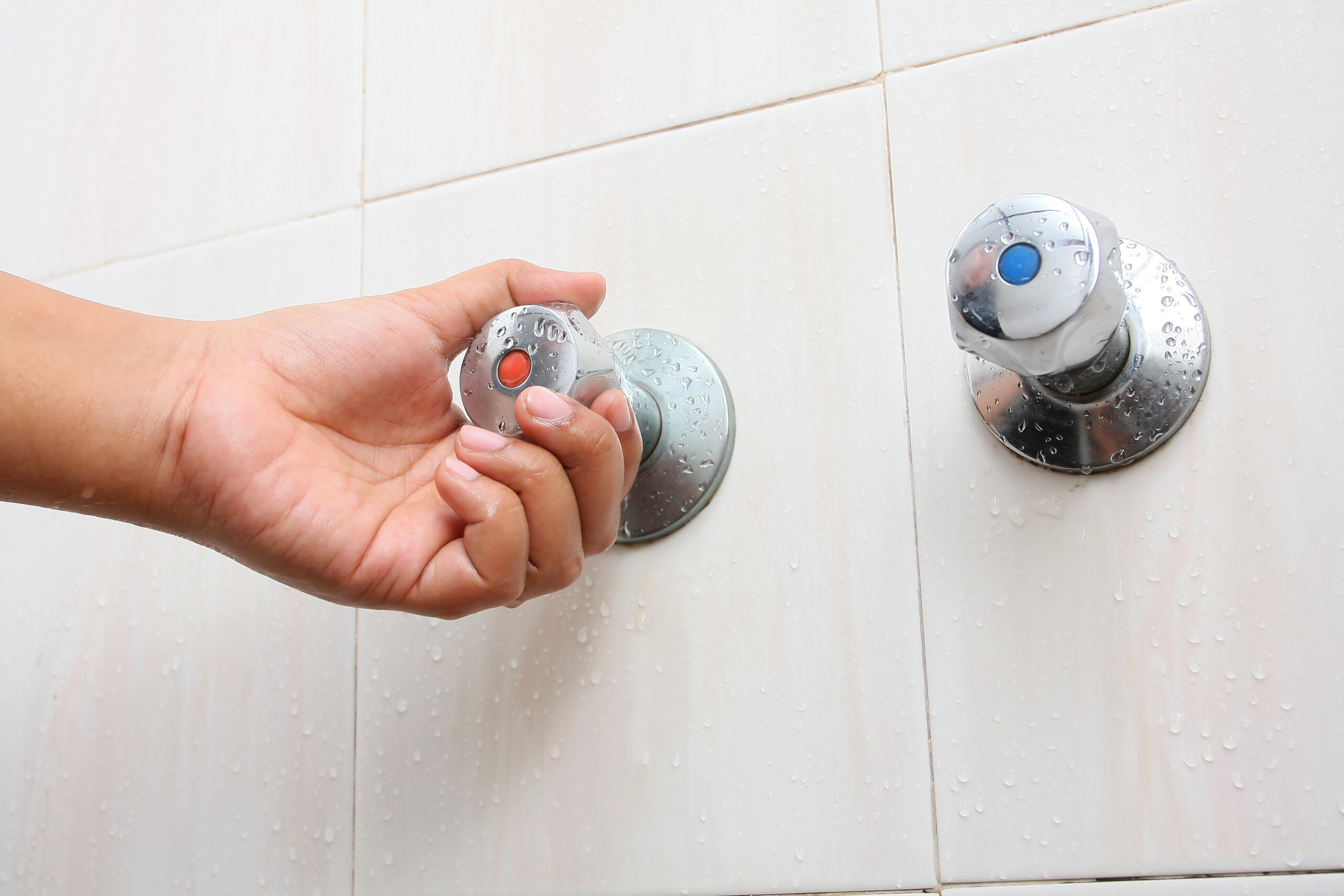
What Is a Bathtub Valve and Why Does It Matter More Than You Think?
The bathtub valve is one of those components that quietly keeps your bathroom functioning the way it should. Most homeowners never give it a second thought — until the water will not stop dripping, or suddenly the temperature swings from warm to scalding with no warning whatsoever. The valve is the mechanical control point behind your bathtub faucet. It regulates both water flow and temperature, and when it starts to fail, the whole bathing experience deteriorates fast. Understanding what this component is and how it works puts you in a much stronger position when something goes wrong — which, eventually, it always does.
How a Bathtub Valve Actually Works
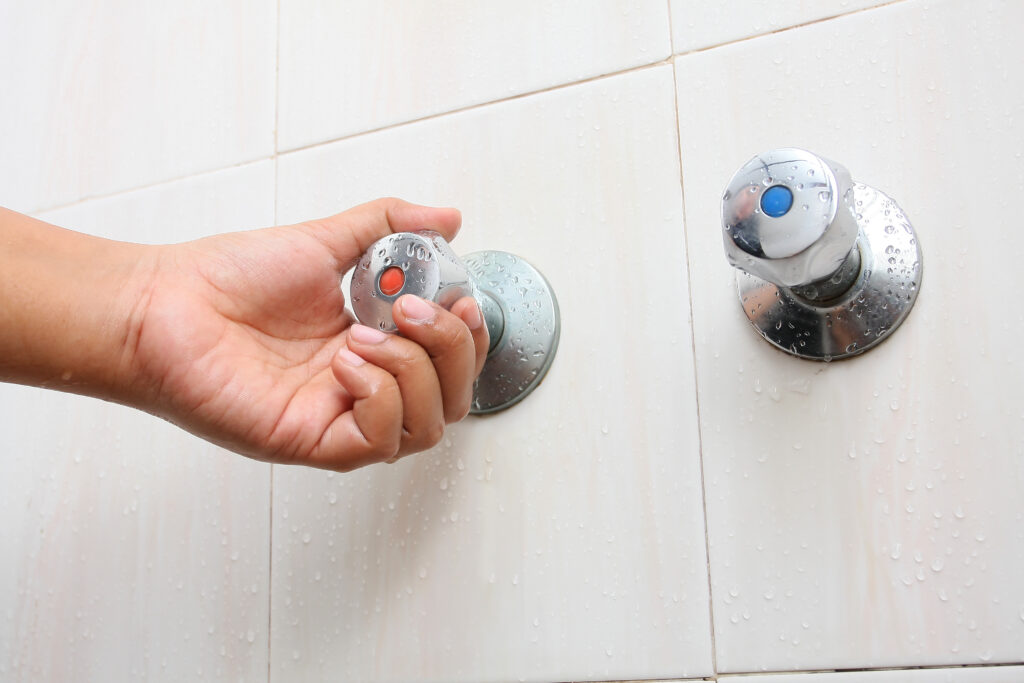
Inside your wall, behind the faucet handle you turn every single day, sits the valve body. Water from your hot and cold supply lines feeds into this valve, and the internal cartridge, ball, or ceramic disc mechanism inside it controls how those two streams blend before reaching the spout. Older homes often have compression-style valves, which rely on a rubber washer pressing against a seat to stop water flow. Newer homes tend to use cartridge or ceramic disc valves, which are more precise and generally more durable. Some bathtubs are fitted with pressure-balancing valves that automatically adjust when water pressure shifts — like when someone flushes a toilet nearby. Others use thermostatic valves, which maintain a set temperature regardless of fluctuations in the supply lines. Knowing which type you have is actually useful information, not just trivia.
Signs That Your Bathtub Valve Needs to Be Replaced
The valve in your bathtub does not announce when it is failing. It gives hints, and those hints tend to be easy to dismiss until they are not. Persistent dripping from the spout even after the handle is fully closed is the most common indicator. That drip, by the way, wastes more water than most people expect — it adds up over time on a utility bill. Beyond that, difficulty turning the handle, a handle that spins loosely without stopping the water, or water temperature that is impossible to stabilize can all trace back to a degraded valve. In some cases, visible mineral deposits around the faucet or dampness inside the wall cavity near the valve body suggest the problem has progressed further than surface-level symptoms.

The Process of Changing a Bathtub Valve
Replacing a bathtub valve is more involved than swapping out a showerhead. The process typically requires shutting off the water supply to the bathroom, removing the handle and trim plate, and accessing the valve cartridge or mechanism within the valve body. In many cases, the valve body itself stays in place and only the internal cartridge is replaced. However, if the valve body is corroded or the wrong type for the desired upgrade, a full valve replacement may be necessary — which usually means cutting into the wall. That is where this project moves from DIY territory into licensed plumber territory for most homeowners. The actual steps vary considerably depending on the valve brand and type, which is why cross-referencing the manufacturer’s specifications before purchasing any replacement part matters so much.
Key Advantages of Replacing an Old Bathtub Valve
There are real, tangible benefits to replacing a worn or failing bathtub valve — and they go beyond just stopping a leak. A new valve restores reliable temperature control, which is a comfort issue and a safety issue in the same breath. Thermostatic valves in particular can prevent scalding, which is especially relevant in homes with young children or elderly residents. Updated pressure-balancing valves improve the consistency of your shower and bath experience in a noticeable way. There is also the matter of water efficiency. A properly functioning valve eliminates the slow drip that racks up water usage month after month. And in terms of home value, updated plumbing fixtures — especially in bathrooms — contribute to a better impression during home inspections and appraisals.
Common Drawbacks and Challenges to Keep in Mind
Changing a bathtub valve is not a weekend project to undertake casually. The challenges are real and worth considering honestly before deciding how to proceed.
- Wall access is often required, which means potential tile removal or drywall cutting depending on your bathroom’s construction
- Older plumbing may use materials or connections that require additional repairs once exposed
- Valve compatibility is not universal — the replacement must match the existing rough-in configuration
- Water needs to be shut off at the main or at a dedicated shutoff, which can disrupt the entire household
- Improper installation can lead to leaks inside the wall, causing water damage that is far more expensive than the valve itself
These are not reasons to avoid the repair — they are reasons to approach it with preparation and, in many cases, professional help.
DIY vs. Hiring a Licensed Plumber
Some homeowners with plumbing experience are entirely capable of replacing a valve cartridge on their own. The tools required are not exotic, and the process — when the valve body is accessible and the type is known — can be completed in a few hours. But the calculus shifts when wall access is involved, when the valve body itself needs replacement, or when the plumbing is older and potentially fragile. At that point, hiring a licensed plumber is not just advisable — it is the responsible choice. A professional brings the right tools, the knowledge to handle unexpected complications, and in most cases, a warranty on their labor. The cost of a plumber for this type of job typically ranges from a few hundred dollars to over a thousand, depending on complexity and regional labor rates.
How Valve Type Affects Your Replacement Decision
Not all bathtub valves are interchangeable, and the type you currently have — or want to upgrade to — shapes every part of the replacement decision. Cartridge valves are among the most common in modern homes and tend to be the most straightforward to replace. Ball valves, more common in older homes, wear faster and may require more frequent attention. Ceramic disc valves are durable and smooth-operating but come at a higher price point. Thermostatic valves offer the most precise temperature control but are the most complex to install. If you are already opening the wall for a repair, it may make sense to evaluate an upgrade at the same time — especially if your existing valve is outdated or problematic by design rather than just by age.
Why Armadillo Home Warranty Is Worth Considering for Plumbing Coverage
A bathtub valve replacement is exactly the kind of repair that catches homeowners off guard — it is not top of mind until the moment it becomes an urgent, unexpected expense. That is where having a solid home warranty plan changes the entire experience. Armadillo home warranty coverage for plumbing systems and fixtures is designed to take the financial sting out of repairs exactly like this one. When your bathtub valve fails and the fix requires a licensed plumber, wall access, and parts sourcing, you want a warranty partner that handles the coordination without making the process more stressful than it already is. Armadillo covers key plumbing components and connects homeowners with qualified service professionals — so the repair gets done right, without the scramble. If a failing bathtub valve is already on your radar, now is the right time to make sure you have protection in place before the next repair finds you unprepared. You can get a free home warranty quote for bathtub valve and plumbing protection in just a few minutes, and find out exactly what a plan would cover in your home.

Frequently Asked Questions About Changing a Bathtub Valve
These are the questions homeowners most commonly ask when dealing with bathtub valve issues — answered directly and without unnecessary complexity.
How do I know if my bathtub valve needs to be replaced or just repaired?
If the internal cartridge or washer is worn, a repair — meaning replacing that internal component — is usually sufficient. If the valve body itself is corroded, cracked, or incompatible with available replacement parts, a full valve replacement is necessary.
Can I replace a bathtub valve without turning off the main water supply?
Only if your bathroom has a dedicated shutoff valve for that supply line. Many homes do not, which means shutting off water at the main is required before starting any work on the valve.
How long does a bathtub valve typically last?
Most bathtub valves last between 15 and 25 years with normal use. Mineral buildup, water quality, and frequency of use all influence lifespan. Cartridge and ceramic disc valves tend to outlast older compression-style valves.
Will replacing my bathtub valve stop the dripping faucet?
In most cases, yes. A dripping bathtub faucet is almost always caused by a worn valve component — typically a cartridge, washer, or O-ring. Replacing the valve or its internal parts resolves the leak in the vast majority of situations.
Does changing a bathtub valve require cutting into the wall?
Not always. If the valve body remains intact and only the cartridge needs replacement, the work can often be done through the faucet opening. However, if the valve body itself requires replacement, wall access is typically necessary.
What type of bathtub valve should I upgrade to?
Thermostatic valves offer the best temperature control and safety, particularly in households with children or elderly residents. Pressure-balancing valves are a more affordable upgrade that still significantly improves performance over older compression-style valves.
Is a bathtub valve replacement covered by a home warranty?
It depends on the warranty provider and plan. Many home warranty plans cover internal plumbing components including valve cartridges and valve bodies. Reviewing your coverage details — or choosing a plan that explicitly includes plumbing systems — is the best way to ensure protection.
How much does it cost to have a plumber replace a bathtub valve?
Labor and parts combined, most bathtub valve replacements range from approximately 200 to over 1,000 dollars. The wide range reflects differences in valve type, whether wall access is needed, regional labor rates, and plumbing age or complexity.
Can a failing bathtub valve cause water damage inside the wall?
Yes. A valve that is leaking behind the wall rather than at the spout can cause significant moisture damage to framing, insulation, and drywall before any visible signs appear. If you notice musty odors or soft spots near your bathtub wall, the valve or its connections may be the source.
How long does a bathtub valve replacement typically take?
A straightforward cartridge replacement typically takes one to two hours. A full valve body replacement requiring wall access can take half a day or more depending on the complexity of the installation and the condition of surrounding plumbing.