When a Circuit Breaker Fails: What Every Homeowner Needs to Know
There is that moment, usually at the worst possible time, when the lights go out in one part of the house. You head to the electrical panel, flip the breaker back, and everything comes back on. No big deal, right? Except it keeps happening. Or worse, the breaker will not reset at all. That is when a tripping or failing circuit breaker stops being a minor annoyance and starts being a real concern. Understanding what your circuit breaker actually does, why it fails, and what your options are can save you money, stress, and potentially a very dangerous situation.
What Is a Circuit Breaker and Why Does It Exist
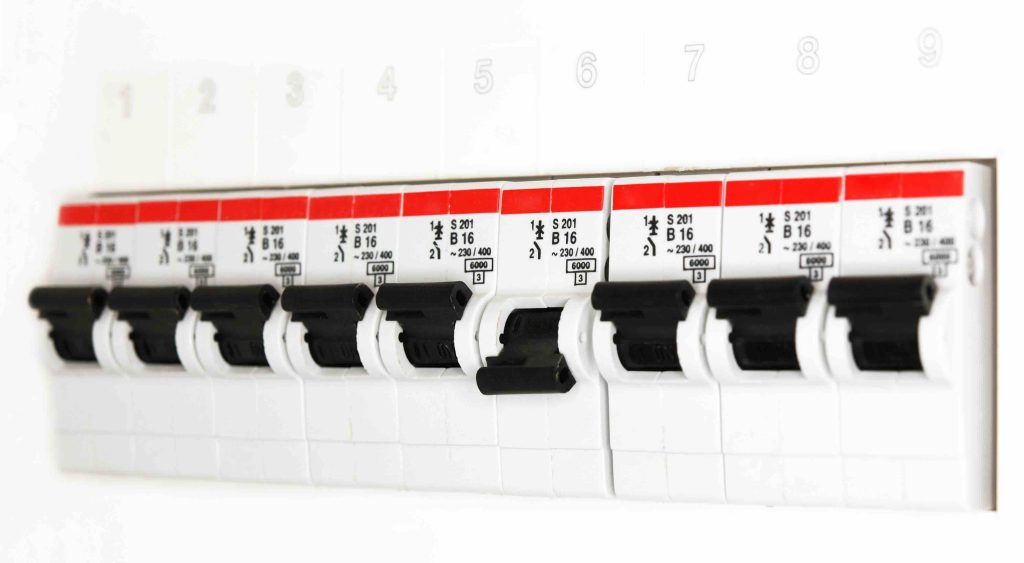
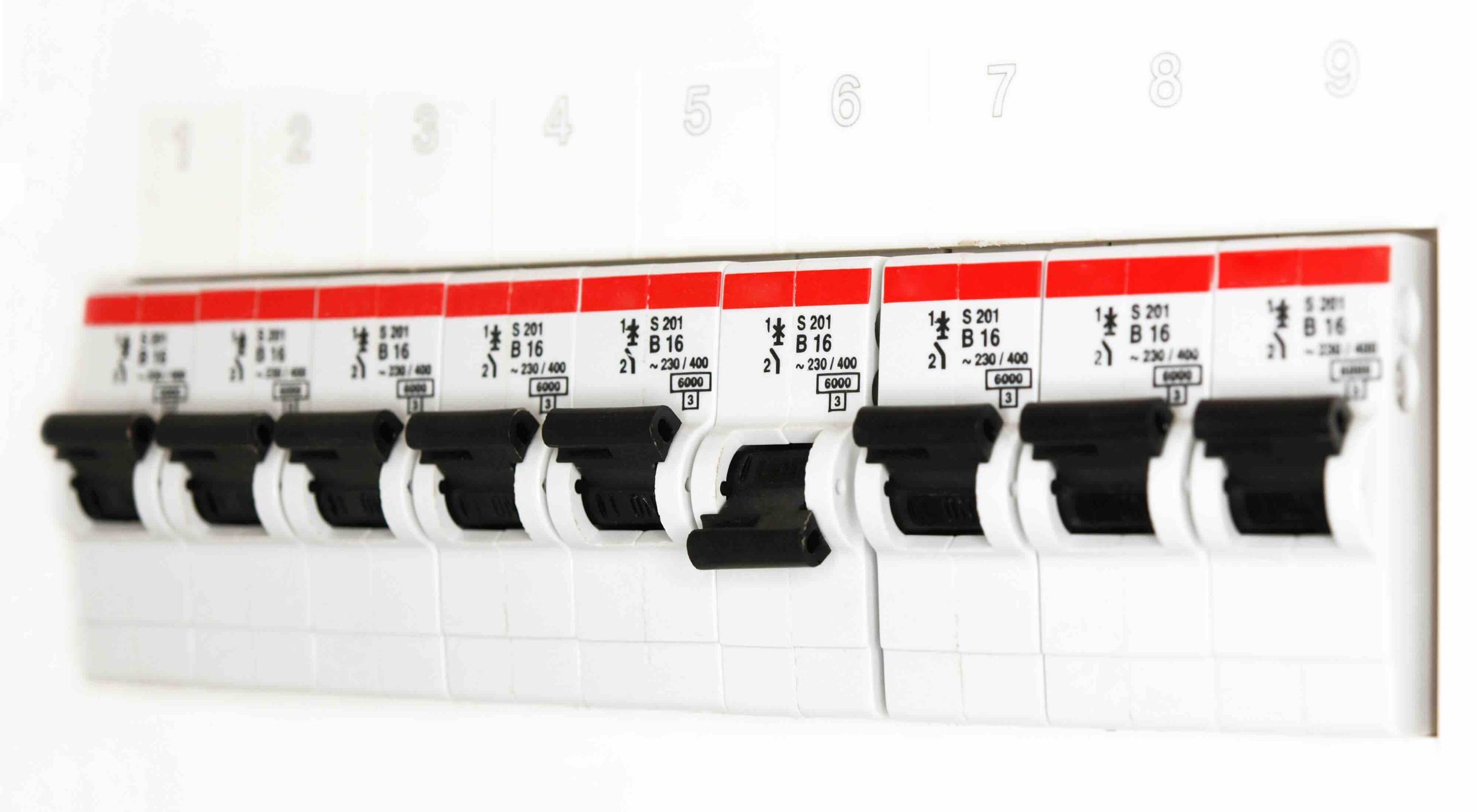
A circuit breaker is a safety device built into your home’s electrical panel. Its entire job is to monitor the flow of electricity through each circuit in your home and shut things down automatically if that flow becomes dangerous. Think of it as a guardian standing watch over every outlet, light fixture, and appliance connected to a given circuit. When too much current runs through the wires, the breaker trips, cutting off power before the wires can overheat and potentially cause a fire. Without breakers, older homes relied on fuses, which worked on the same principle but had to be physically replaced after they blew. Breakers are resettable, which is why they became the standard in modern homes.
How a Circuit Breaker Actually Works
Inside each breaker is a bimetallic strip and, in many cases, an electromagnet. When the current flowing through the circuit exceeds a safe level, the heat generated causes that strip to bend, or the electromagnet engages strongly enough to physically trip a switch. That switch disconnects the circuit. Once the issue is resolved, a homeowner can flip the breaker back to its on position to restore power. Some breakers, particularly GFCI and AFCI types, are even more sensitive and detect subtler electrical faults that standard breakers might miss. The whole process happens in fractions of a second, which is exactly what you want when electricity is involved.

Why Circuit Breakers Trip or Fail
A breaker can trip for several reasons, and not all of them mean the breaker itself is the problem. Sometimes it is doing its job perfectly. Common causes include overloaded circuits, short circuits, and ground faults. An overloaded circuit happens when you draw more power than the circuit is rated to handle, like running a space heater, a hair dryer, and a vacuum on the same circuit at the same time. A short circuit is more serious and occurs when a hot wire touches a neutral wire, often inside an appliance or outlet. A ground fault is similar but involves a hot wire touching a ground wire or a grounded surface. Then there are breakers that simply wear out over time. Repeated tripping, age, heat exposure, and manufacturing defects can all cause a breaker to fail to hold even when there is nothing wrong with the circuit itself.
Warning Signs That Your Circuit Breaker May Be Failing
A breaker that trips once in a while is doing its job. A breaker that trips repeatedly for no clear reason, or one that will not reset, is sending a message worth listening to. Here are the key warning signs homeowners should watch for:
- The breaker trips frequently under normal load conditions
- You notice a burning smell near the electrical panel
- The panel or breaker feels warm or hot to the touch
- The breaker trips but does not fully move to the off position
- You see visible scorch marks or discoloration near the panel
- Lights flicker or dim even when the breaker has not tripped
- The breaker feels loose or does not click firmly into place
Any of these signs warrant a call to a licensed electrician. Electrical issues are not a category where guessing or delaying makes sense.
The Risks of Ignoring a Failing Circuit Breaker
Electrical fires are among the leading causes of residential fires in the United States. A circuit breaker that is not functioning properly is one of the conditions that makes those fires more likely. When a breaker fails to trip under an overload, the wiring in your walls is exposed to more current than it was designed to handle. That generates heat. Sustained heat in insulated wires inside walls is exactly how electrical fires start, often in places where you will not see or smell anything until the situation is well developed. Beyond fire risk, a faulty breaker can damage appliances and electronics connected to that circuit, sending irregular or excessive current through devices that were not built to handle it.
What Happens During a Circuit Breaker Replacement
Replacing a single circuit breaker is a relatively contained job for a licensed electrician, but it is not a DIY project for most homeowners. The work involves opening the electrical panel, which contains live wires even when the main breaker is off. An electrician will identify the faulty breaker, shut down power appropriately, remove the old breaker, and install a replacement rated for the same amperage. If the panel itself is aging or shows signs of broader wear, the electrician may recommend evaluating the full panel rather than just swapping one component. Full panel replacements are significantly more involved and can range from several hundred to several thousand dollars depending on the panel size, location, and local labor rates.
GFCI and AFCI Breakers: Upgraded Protection Worth Knowing About
Standard breakers handle overcurrent situations, but two specialized types offer expanded protection. Ground Fault Circuit Interrupter breakers, commonly called GFCI breakers, detect tiny differences in current flow that indicate electricity may be escaping through an unintended path, such as through a person. They are commonly required in bathrooms, kitchens, garages, and outdoor areas. Arc Fault Circuit Interrupter breakers, called AFCI breakers, detect the electrical signature of arcing, which is the kind of spark that can occur in damaged or deteriorating wiring and serve as a precursor to electrical fires. Many updated electrical codes now require AFCI protection in bedrooms and other living spaces. If your home is older, upgrading to these breaker types during a panel service is worth discussing with your electrician.
How a Home Warranty Can Help When Electrical Systems Break Down
Electrical repairs are not cheap, and a failing circuit breaker rarely announces itself at a convenient time. That is exactly the kind of situation a home warranty is built for. Armadillo home warranty plans covering electrical system failures are designed to take the financial sting out of moments like this, where a critical home system breaks down without warning and you are suddenly facing a repair bill you did not budget for. Armadillo covers key components of your home’s electrical system, which means a failing breaker does not have to become a financial emergency. When the panel acts up and the electrician’s estimate lands in your inbox, having coverage already in place changes the entire conversation. If you want to stop leaving that kind of risk to chance, get a home warranty quote for electrical system protection and see how straightforward coverage can be. Armadillo keeps the process simple, the pricing transparent, and the support accessible when you actually need it.

Frequently Asked Questions About Failing Circuit Breakers
Homeowners often have similar questions when they first start noticing electrical issues. Here are clear, direct answers to the most common ones.
How do I know if my circuit breaker is failing or just tripping normally?
A breaker that trips occasionally under heavy load is working as intended. A breaker that trips repeatedly under normal conditions, will not reset, feels warm, or shows signs of scorching is likely failing and should be inspected by a licensed electrician.
Can I reset a tripped circuit breaker myself?
Yes, resetting a tripped breaker is safe for most homeowners. Flip it fully to the off position first, then back to on. If it trips again immediately or will not stay on, stop resetting it and call an electrician.
How long do circuit breakers typically last?
Most circuit breakers are designed to last 30 to 40 years under normal conditions. However, breakers in older panels or those that trip frequently may wear out sooner and should be evaluated as part of routine electrical maintenance.
Is a tripping circuit breaker a fire hazard?
A breaker that trips properly is actually protecting your home from fire. The hazard arises when a breaker fails to trip when it should, allowing wires to overheat. A breaker that will not hold or shows signs of damage needs immediate attention.
How much does it cost to replace a circuit breaker?
Replacing a single circuit breaker typically costs between $150 and $300, including labor. Costs vary based on breaker type, panel accessibility, and local electrician rates. Full panel replacements are considerably more expensive.
Can a bad circuit breaker damage appliances?
Yes. A failing breaker that does not trip when it should can expose connected appliances and electronics to excessive current, which can shorten their lifespan or cause immediate damage.
What is the difference between a GFCI and a standard circuit breaker?
A standard breaker protects against overcurrent and short circuits. A GFCI breaker also detects ground faults, tiny imbalances in current flow that can indicate electricity is traveling through an unintended path, such as through a person, and shuts off power almost instantly.
Do I need a permit to replace a circuit breaker?
In most jurisdictions, replacing a single breaker does not require a permit, but replacing an entire electrical panel typically does. Your electrician should handle any required permits as part of the job.
Why does my circuit breaker keep tripping in one specific room?
Repeated tripping in one area usually points to an overloaded circuit, a faulty appliance drawing too much power, damaged wiring, or a failing breaker. An electrician can perform a load assessment and inspect the circuit to identify the exact cause.
Does a home warranty cover circuit breaker repairs or replacements?
Many home warranty plans include coverage for electrical system components, which can include circuit breakers and panel components. Coverage details vary by plan, so reviewing what is included before you need a repair is always the smarter move.