Cooktop vs Range Top: What Every Homeowner Should Know Before Choosing
If you have ever stood in an appliance showroom trying to figure out the difference between a cooktop and a range top, you are not alone. They look similar at a glance, and the terminology often gets used interchangeably, which does not help anyone. But these two cooking surfaces are genuinely different products, and the one you choose can affect your kitchen layout, your cooking experience, and even your home warranty coverage. So let us break this down clearly, because this decision matters more than most people realize when they are mid-renovation and second-guessing everything.
What Is a Cooktop and How Does It Work
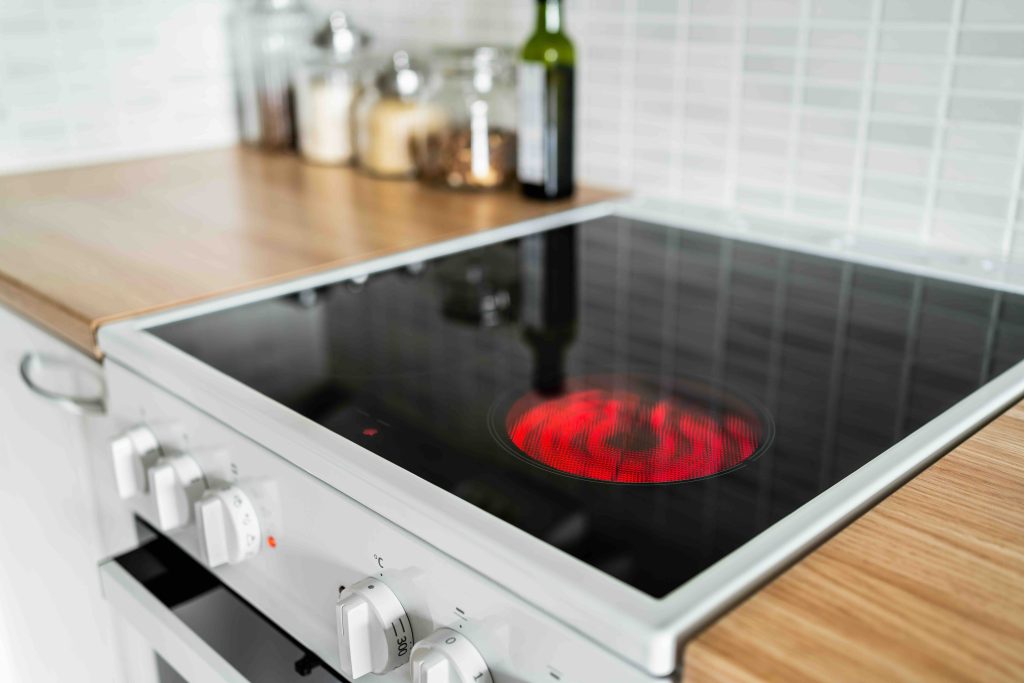
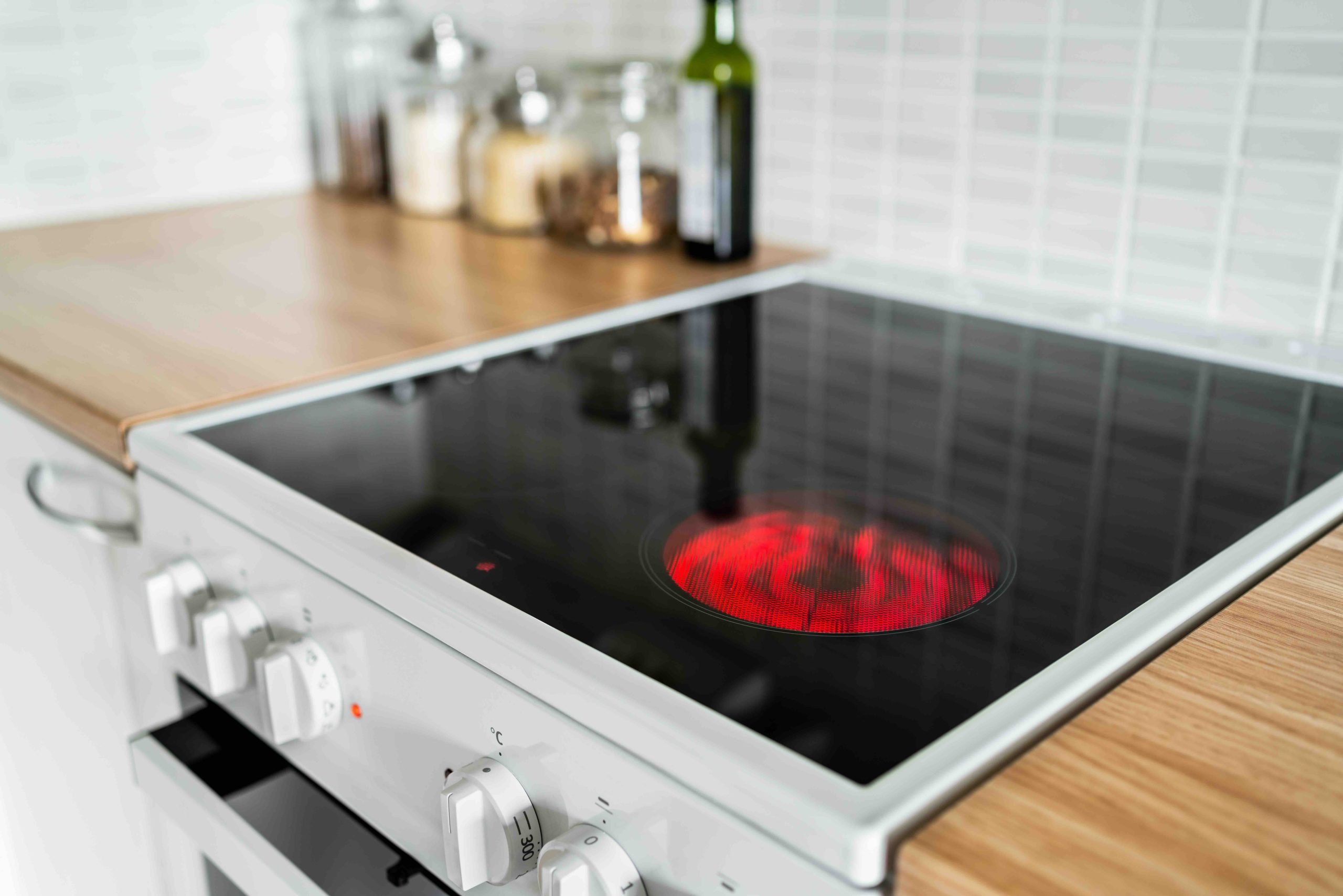
A cooktop is a cooking surface that installs directly into a countertop, sitting flush with the surrounding surface. It connects to either a standard electrical outlet or a dedicated gas line, depending on the fuel type you choose. Cooktops come in gas, electric, and induction varieties, and they are designed to function independently from any oven. The installation requires cutting a precise opening into the countertop and securing the unit from below. Because there is no oven attached, the cooktop draws power or gas only for the burners, which tends to make the unit itself more compact and the installation relatively straightforward. Many homeowners choose a cooktop when they want to separate their cooking surfaces from their oven, placing each where it makes the most ergonomic or aesthetic sense in the kitchen.
What Is a Range Top and How Is It Different
A range top is essentially the upper portion of a professional-style range, but sold and installed as a standalone unit. Unlike a cooktop, a range top is not designed to drop into a countertop cutout. Instead, it sits on top of the counter or cabinetry, with its own front-facing controls and a more robust physical profile. Range tops are almost exclusively gas or dual-fuel, and they are built to handle the demands of heavy cooking. They typically feature higher BTU output, more burner configurations, and the kind of heavy-duty grates you find on commercial equipment. The controls are on the front rather than the surface, which changes the look and feel significantly. They are a popular choice for homeowners who want a professional kitchen aesthetic without committing to a full commercial range installation.
Key Differences at a Glance
Before diving deeper, it helps to see the core distinctions laid out in plain terms. These two appliances serve similar purposes but differ in meaningful ways that affect installation, cost, and day-to-day use.
- Installation method: Cooktops drop into countertop cutouts; range tops sit on top of the counter surface
- Control placement: Cooktops have surface controls; range tops have front-mounted controls like a traditional range
- Fuel options: Cooktops come in gas, electric, and induction; range tops are typically gas or dual-fuel only
- BTU output: Range tops generally offer higher heat output, making them better suited for high-volume cooking
- Price point: Range tops tend to cost more upfront due to their professional-grade construction and features
- Ventilation needs: Both require ventilation, but range tops often demand more powerful hood systems due to higher heat output
Advantages of Choosing a Cooktop
Cooktops offer a clean, integrated look that works well in modern kitchen designs. Because they sit flush with the countertop, they create a seamless visual flow, which is something a lot of homeowners prioritize during renovations. They also give you more flexibility in kitchen layout since you can position the cooktop independently from your oven. Induction cooktops in particular are energy-efficient, heat up quickly, and are easier to clean because the surface itself does not get as hot as the burners. For households that cook at moderate volumes and want a stylish, space-conscious setup, a cooktop is often the smarter choice. They also tend to be easier and less expensive to install, which matters when you are managing a renovation budget.
Advantages of Choosing a Range Top
Range tops are built for people who cook seriously and want their kitchen to perform at a higher level. The elevated BTU output means faster boiling, better searing, and more precise heat control at the extremes. Front-mounted controls are easier to access without reaching over hot burners. The heavier construction and larger grate surface make it easier to move pots and pans across burners, which experienced cooks appreciate. Range tops also tend to have more burner configurations, including griddle inserts, wok burners, and dual stacked burners that give you more nuanced flame control. If you entertain frequently, cook large meals regularly, or simply want the look and performance of a professional kitchen, a range top delivers in ways a standard cooktop cannot.

Common Drawbacks to Consider for Each Option
Neither option is perfect for every home, and being honest about the drawbacks saves a lot of headaches later. Cooktops, while versatile, can be limiting if you enjoy high-heat cooking. Gas cooktops at the consumer level often max out at BTU levels that professional cooks find underwhelming. Electric and induction models eliminate gas entirely, which some people simply do not want. Range tops, on the other hand, come with their own complications. They are heavier, more expensive, and require professional installation in most cases. Their front controls, while practical, can be a safety concern in homes with young children. They also demand a more powerful ventilation system, which adds to the overall cost of the project. And because they sit on top of the counter rather than dropping in, they can make the surrounding counter space feel more constrained.
Installation Considerations That Affect Your Home
Installation is where a lot of homeowners get caught off guard. A cooktop installation seems simple but still requires proper electrical or gas line connections, a precise countertop cutout, and adequate ventilation planning. Errors during installation can create fire hazards, gas leaks, or electrical issues that are costly to fix. Range top installations are even more involved. The units are heavier, the gas connections need to meet local code requirements, and the ventilation infrastructure has to match the heat output of the appliance. In both cases, professional installation is strongly recommended. This is also where home warranty coverage starts to become relevant, because improper installation is one of the most common reasons warranty claims get denied. Knowing that your appliance was installed correctly from the start protects both the appliance and your coverage.
Home Warranty Coverage for Cooktops and Range Tops
Understanding how home warranties apply to these appliances is genuinely useful information, not just fine print. Most home warranty plans cover built-in cooktops as part of their standard appliance coverage, though the specifics vary by provider. Range tops, given their professional-grade nature and higher price point, may be treated differently depending on whether they are classified as a standard appliance or a specialty item. In either case, coverage typically applies to mechanical and electrical failures that occur under normal use. Damage caused by misuse, improper installation, or lack of maintenance is generally excluded. This is why keeping documentation of your installation and following manufacturer maintenance guidelines is so important. A home warranty is most valuable when the appliance fails unexpectedly, and having the right plan in place means the repair or replacement cost does not come out of pocket.
Why Armadillo Is the Right Home Warranty Partner for Appliance Coverage
When you invest in a cooktop or range top, you are making a long-term commitment to your kitchen and your home. Protecting that investment with reliable warranty coverage is just smart planning. Armadillo offers straightforward, homeowner-focused coverage that does not bury the important details in confusing language. If you are looking for a home warranty plan that covers kitchen appliances including cooktops and built-in cooking surfaces, Armadillo builds its plans with real homeowners in mind. The claims process is clear, the coverage terms are honest, and the support is there when you actually need it. Whether you are upgrading to a range top or installing a new induction cooktop, now is the right time to make sure your appliances are protected. Take two minutes and get a free home warranty quote for your cooktop or range top appliances before your next kitchen project is complete.

Frequently Asked Questions About Cooktops and Range Tops
These are the questions homeowners ask most often when comparing cooktops and range tops. The answers are kept direct and practical.
What is the main difference between a cooktop and a range top?
A cooktop drops into a countertop cutout and sits flush with the surface, while a range top sits on top of the counter with front-mounted controls and a freestanding profile similar to a professional range.
Can a range top be installed in a standard kitchen?
Yes, but it requires adequate countertop depth, a compatible gas or dual-fuel connection, and a ventilation system capable of handling the higher BTU output that most range tops produce.
Are induction cooktops better than gas cooktops?
It depends on your priorities. Induction cooktops are more energy-efficient, safer to touch, and easier to clean. Gas cooktops offer flame visibility and instant heat adjustment that many cooks prefer.
Do home warranties cover cooktops?
Most standard home warranty plans include built-in cooktops as covered appliances, provided the failure is due to normal mechanical or electrical breakdown rather than misuse or improper installation.
Are range tops covered under home warranty plans?
Coverage for range tops varies by provider. Some plans treat them as standard appliances while others classify them as specialty items. Reviewing the terms of your specific plan before purchasing is always recommended.
How much does it cost to install a cooktop versus a range top?
Cooktop installation typically costs between $150 and $400 depending on fuel type and countertop material. Range top installation tends to run higher, often between $300 and $700 or more, due to the complexity and weight of the unit.
Which cooking surface is better for high-volume cooking?
Range tops are generally better suited for high-volume or high-heat cooking because they offer greater BTU output, larger grate surfaces, and more versatile burner configurations than most consumer cooktops.
Does a range top require a special ventilation system?
Yes. Because range tops produce more heat and combustion byproducts than standard cooktops, they typically require a higher-capacity range hood, often rated at 600 CFM or more, to properly ventilate the cooking area.
Can I replace a cooktop with a range top in my existing kitchen?
It is possible but may require modifications to your cabinetry, countertop, and ventilation system. A professional assessment is recommended before attempting this type of swap to ensure your kitchen infrastructure can support the change.
How long do cooktops and range tops typically last?
With proper maintenance, most cooktops last between 10 and 15 years. Range tops, given their commercial-grade construction, can last 15 to 20 years or longer when properly serviced and maintained.