When Your Washer Stops Rinsing: What It Means and What to Do About It
You pull your laundry out of the washing machine expecting fresh, clean clothes, and instead you get something that smells faintly of detergent and feels stiff. Maybe there is visible soap residue on your shirts, or the fabric feels weirdly coated. The culprit is almost always the same thing: your washer is not rinsing properly. It is one of those appliance issues that sneaks up on you, and once you notice it, you start to wonder how long it has actually been happening. This guide breaks down why it happens, how the rinse cycle actually works, and what your options are when things go sideways, including why a home warranty might be one of the smartest tools in your back pocket.
How the Rinse Cycle Actually Works
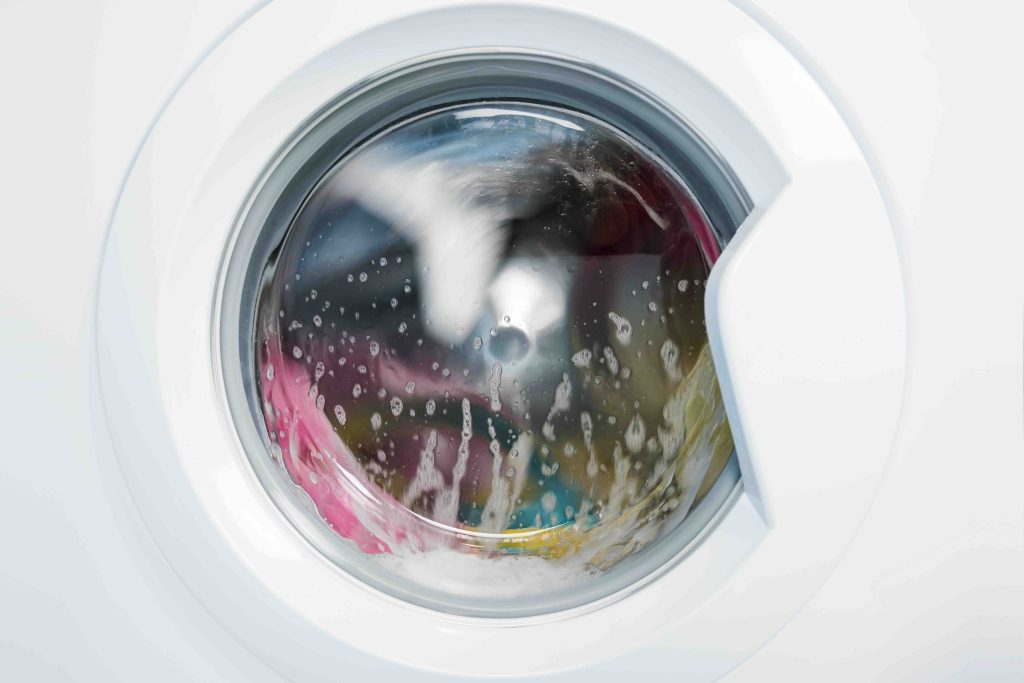
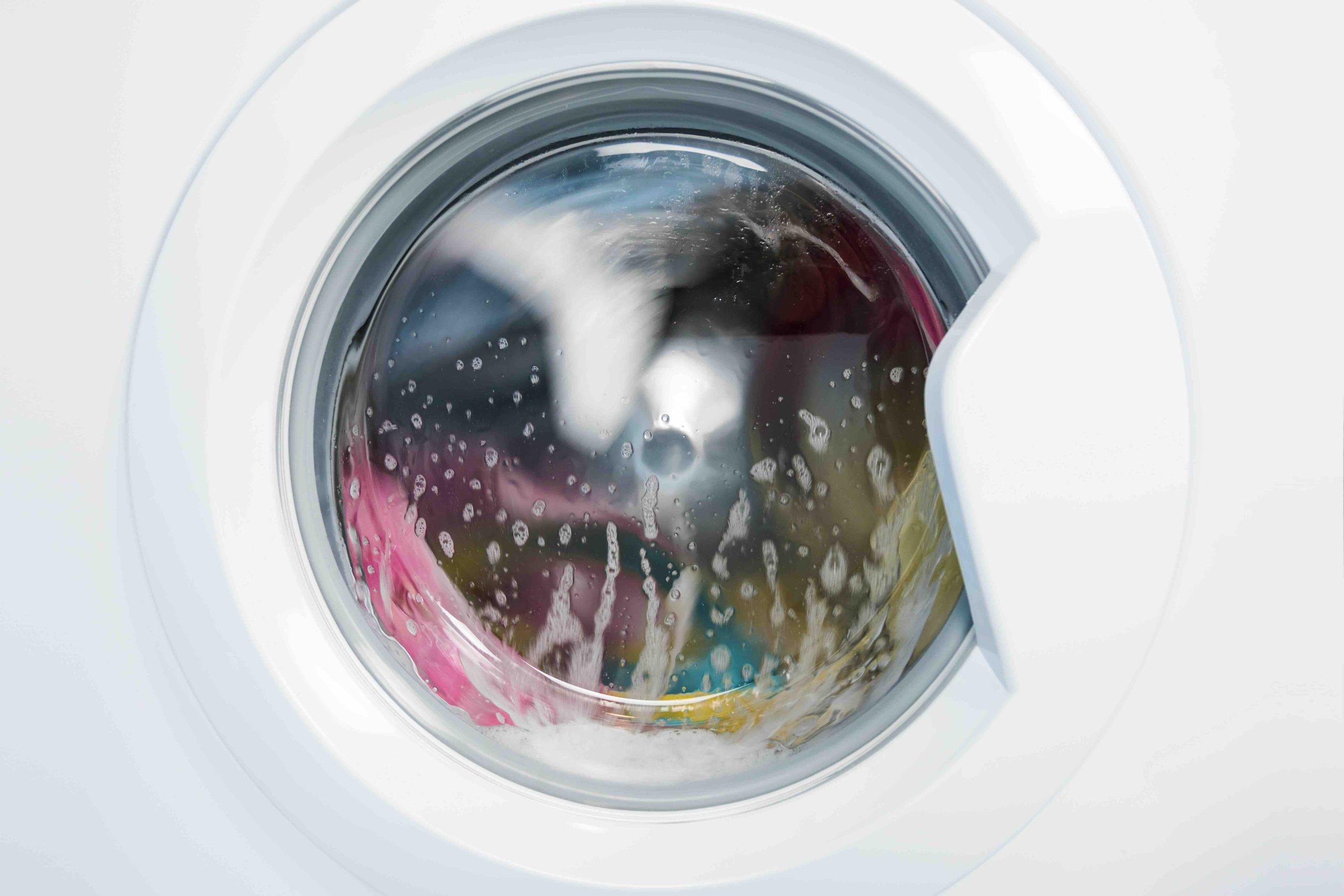
Most homeowners know the basics: clothes go in, detergent goes in, machine runs, clothes come out clean. But the rinse cycle is its own dedicated phase, and it does a specific job. After the wash cycle agitates your clothes in soapy water, the machine drains that water and then refills the drum with fresh water. That fresh water is used to flush out any remaining detergent, dirt, and residue from the fabric. Depending on the machine, this happens once or twice before the final spin. The spin cycle then forces that rinse water out of the clothes so they come out damp but not soaking. If any part of this sequence is interrupted or malfunctioning, detergent can stay trapped in the fabric. That is when you get residue, stiffness, and that lingering soap smell that no one wants on a clean shirt.
Common Reasons a Washer Stops Rinsing Properly
There are several reasons a washing machine might fail to rinse correctly, and not all of them are serious. The issue could be as simple as operator error or as involved as a failing component inside the machine. Here are the most common causes:
- Too much detergent: Overloading the machine with soap is one of the most frequent causes of poor rinsing, especially with high-efficiency washers that use less water
- Clogged or kinked drain hose: If water cannot drain efficiently between cycles, the rinse cycle cannot do its job properly
- Faulty water inlet valve: This valve controls water flow into the drum, and when it fails, the drum may not fill adequately during the rinse phase
- Lid switch or door latch failure: On many machines, the rinse cycle will not initiate if the lid or door sensor believes the machine is open
- Control board malfunction: The electronic control board manages the entire wash sequence, and a glitch here can cause cycles to skip or stall
- Worn or broken pump: The drain pump moves water out of the drum, and a pump that is struggling will leave rinse water sitting in the machine rather than expelling it
High-Efficiency Washers and Rinsing Problems
High-efficiency washing machines have become the standard in most homes, and while they use significantly less water and energy than older top-loading models, they are also more sensitive to detergent use. Standard detergent in an HE machine creates far more suds than the machine can manage, and those suds do not rinse out cleanly with the reduced water volume the machine uses. If you have an HE machine and are dealing with residue on your clothes, the first thing to check is whether you are using HE-specific detergent and whether you are using the correct amount. It sounds almost too simple, but it resolves the problem for a lot of homeowners. That said, if detergent is not the issue, HE machines can also develop problems with their sensors and electronic controls that affect rinse cycle performance, and those require a technician.

Diagnosing the Problem at Home
Before calling a technician, there are a few things you can check yourself to narrow down the issue. Start by running a rinse-only cycle with no clothes and no detergent, and watch what happens. Does the machine fill with water? Does it drain? Does the drum spin at the end? If the machine completes all three steps without issue, the problem may be detergent-related. If the machine stalls, does not fill, or leaves standing water in the drum, you are likely dealing with a mechanical or electrical failure. Check the drain hose behind the machine for kinks or blockages. Look at the filter if your machine has one, as a clogged filter is a common and easy fix. If none of these steps point to an obvious answer, it is time to bring in a professional.
What a Repair Technician Will Look For
When a technician diagnoses a washer that is not rinsing, they typically work through the machine systematically. They will test the water inlet valve to confirm it is opening and closing correctly during the rinse phase. They will check the drain pump for obstructions or motor failure. They will inspect the lid switch or door latch sensor to confirm it is signaling correctly. On electronic machines, they may run a diagnostic cycle to pull error codes from the control board. The repair process depends entirely on which component has failed. A new lid switch might cost under one hundred dollars to replace. A control board or motor can run several hundred dollars in parts alone, before labor is factored in. That cost gap is exactly where a home warranty becomes relevant.
Preventive Maintenance That Actually Helps
Washing machines are generally low-maintenance appliances, but a few habits can extend their lifespan and reduce the likelihood of rinse cycle issues developing over time. Use the correct detergent type for your machine and measure it accurately rather than estimating. Clean the drum and door gasket regularly to prevent buildup that can affect water flow and sensor performance. Run a cleaning cycle once a month if your machine has one. Leave the door or lid open between cycles to allow moisture to escape and prevent mold from forming inside the drum. Inspect the drain hose annually to confirm it is properly positioned and free of kinks. None of these steps are complicated, but they make a meaningful difference in how reliably your machine performs over time.
The Cost of Washer Repairs Without Coverage
Appliance repair costs have increased significantly over the last several years, and washing machine repairs are no exception. A basic service call alone can cost between seventy-five and one hundred fifty dollars before any parts or labor are added. Replacing a water inlet valve might add another one hundred to two hundred dollars. A control board replacement can push the total repair bill past five hundred dollars, and motor or pump failures can approach or exceed the cost of a new budget-tier machine. For homeowners without coverage, that math can feel brutal, especially when the appliance fails at the worst possible time. This is one of the most practical arguments for having a home warranty in place: it converts unpredictable, high-cost repair events into manageable, predictable service calls.
Why Armadillo Is Worth Considering for Appliance Protection
When your washing machine stops rinsing and you are staring down a repair bill you did not plan for, having the right home warranty coverage makes all the difference. Armadillo was built specifically for homeowners who want straightforward, reliable protection without the confusing fine print that has given the home warranty industry a complicated reputation. If you are looking for a home warranty plan that covers washing machine repairs and major home appliances, Armadillo offers transparent coverage with a claims process that does not make you feel like you need a lawyer to navigate it. Whether your water inlet valve gave out or your control board decided to stop cooperating, coverage means you make one call instead of three, and you pay a predictable service fee instead of a surprise invoice. Take a few minutes to get a free home warranty quote that includes appliance coverage for your washing machine and see what protecting your home actually costs. Spoiler: it is probably less than one uncovered repair bill.

Frequently Asked Questions About Washers Not Rinsing
Here are answers to the questions homeowners ask most often when dealing with a washing machine that is not rinsing properly.
Why are my clothes coming out with soap residue even after a full wash cycle?
Soap residue after a full cycle usually means the rinse phase is not completing correctly. The most common cause is using too much detergent or using the wrong detergent type for your machine, particularly in high-efficiency models. It can also point to a water inlet valve issue that prevents adequate water from entering the drum during the rinse phase.
Is it safe to keep using a washing machine that is not rinsing properly?
It is not dangerous in the traditional sense, but continuing to use a machine that is not rinsing correctly can damage your clothes over time and may indicate an underlying mechanical problem that will worsen with continued use. It is better to diagnose and address the issue promptly.
How do I know if my washer’s drain pump is failing?
Signs of a failing drain pump include standing water left in the drum after a cycle, unusually loud humming or grinding sounds during the drain phase, and clothes that are excessively wet after the spin cycle. A technician can confirm pump failure with a diagnostic test.
Can a clogged filter cause a washer to stop rinsing?
Yes. Many front-loading and some top-loading machines have a debris filter that can become clogged with lint, coins, and other small objects. A clogged filter restricts water flow and can interfere with both the drain and rinse cycles. Cleaning the filter is often a straightforward DIY task.
What is the difference between a rinse cycle failure and a drain cycle failure?
A drain cycle failure means the machine cannot expel water from the drum, which will also prevent proper rinsing. A rinse cycle failure can occur even when drainage is functioning correctly, typically due to a faulty inlet valve, control board issue, or lid switch problem that prevents the drum from refilling with fresh water for rinsing.
Does a home warranty cover washing machine rinse cycle repairs?
Most home warranty plans that include appliance coverage will cover mechanical and electrical failures within the washing machine, including components like the water inlet valve, control board, motor, and pump. Coverage details vary by provider, so reviewing your specific plan terms is important before filing a claim.
How much does it typically cost to repair a washing machine that is not rinsing?
Repair costs vary widely depending on the failed component. Simple fixes like a lid switch or filter cleaning may cost under one hundred fifty dollars total. More complex repairs involving the control board, motor, or pump can range from three hundred to over five hundred dollars, including parts and labor.
Can I fix a washer rinse cycle problem myself?
Some causes, like adjusting detergent use, cleaning the filter, or unkinking the drain hose, are well within DIY range. However, repairs involving electrical components, the control board, or the motor should be handled by a qualified appliance technician to avoid injury and prevent further damage to the machine.
Why does my high-efficiency washer leave clothes feeling stiff after washing?
Stiffness after washing in an HE machine is almost always detergent-related. HE machines use far less water than conventional washers, and standard or excessive amounts of detergent cannot be fully rinsed away in that reduced water volume. Switch to HE-rated detergent and use only the recommended amount.
How long do washing machines typically last before needing major repairs?
Most washing machines have a functional lifespan of ten to fifteen years with regular use and proper maintenance. Major component failures can begin occurring outside of the manufacturer’s warranty period, which is typically one year, making extended appliance protection worth considering for machines that are three or more years old.