When Your Garage Door Opener Stops Working: What Every Homeowner Needs to Know
It happens at the worst possible moment. You pull into the driveway after a long day, press the button on your remote, and nothing. The garage door sits there, completely unresponsive. Or maybe it starts to open, makes a grinding noise, and reverses right back down. Either way, a garage door opener that won’t open or close is more than just an inconvenience. It’s a home system failure that deserves some real attention, and a basic understanding of how it all works goes a long way toward knowing what to do next.
How a Garage Door Opener Actually Works
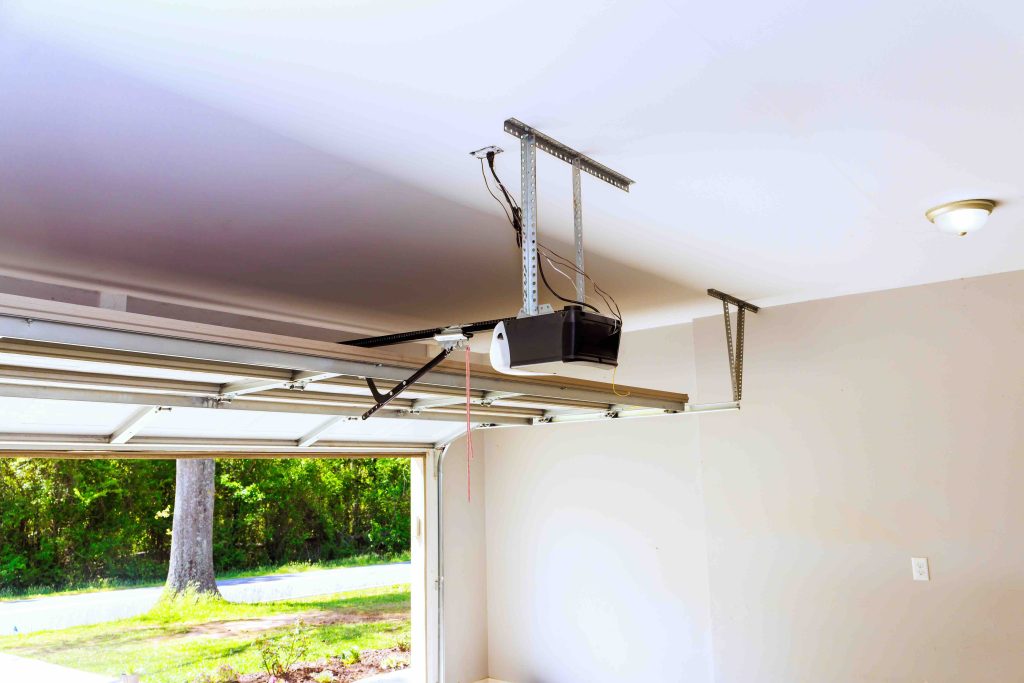
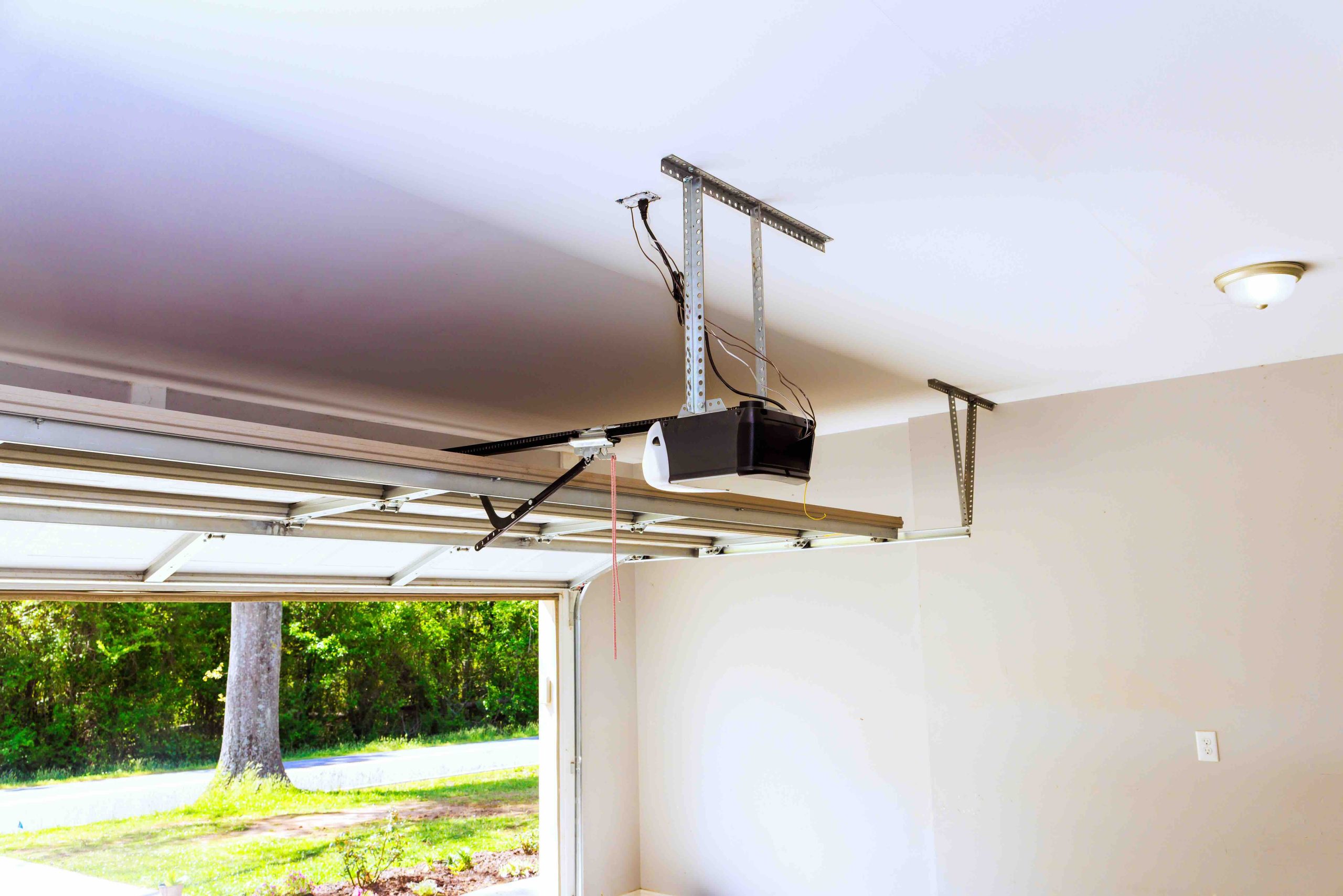
Most homeowners use their garage door opener every single day without giving it a second thought, which is honestly how it should be. But when something breaks, a little context helps. A garage door opener is a motorized device that uses a drive mechanism to move the door along its track. There are three main drive types: chain drive, belt drive, and screw drive. Chain drives are the most common and the noisiest. Belt drives are quieter and smoother. Screw drives fall somewhere in between. The opener receives a signal from your wall button or remote, triggers the motor, and that motor drives the trolley along a rail, physically lifting or lowering the door. Safety sensors near the bottom of the door track detect obstructions and can stop or reverse the door mid-cycle. The whole system also connects to a limit switch that tells the motor when the door has traveled far enough in either direction. When any piece of that chain breaks down, the door either stops working entirely or starts behaving in ways that feel unpredictable.
The Most Common Reasons a Garage Door Opener Fails
There is rarely one universal culprit when a garage door opener stops responding. More often, it’s one of several very common and very fixable issues. Knowing what to look for first can save you time and frustration.
- Dead or weak batteries in the remote or wall keypad
- Misaligned or dirty safety sensors blocking the signal path
- Tripped circuit breaker or disconnected power source
- Worn or broken drive chain, belt, or screw mechanism
- Burned-out motor or damaged logic board
- Limit switch settings that are out of calibration
- Broken torsion or extension springs, which prevent the motor from lifting the door’s weight
- Remote frequency interference from nearby electronics or a neighbor’s system
Springs are worth calling out specifically. A garage door opener motor is not designed to lift the full weight of the door on its own. The springs do most of that work. When a spring breaks, the opener struggles or refuses to operate entirely, which many homeowners misread as an opener problem. A broken spring is actually a separate mechanical issue, though it absolutely affects how the opener performs.
Simple Troubleshooting Steps Before Calling for Help
Before assuming the worst, run through a basic checklist. These steps take only a few minutes and resolve the issue more often than you’d expect. Start with the remote battery and replace it if there’s any doubt. Check that the opener is plugged in and the circuit breaker hasn’t tripped. Look at the safety sensors at the base of the door tracks and confirm they’re aligned, meaning the small indicator lights on each sensor should be solid, not blinking. Wipe the sensor lenses with a clean cloth to remove any dust or debris. Try the wall button inside the garage. If the door responds to the wall button but not the remote, the problem is almost certainly the remote or its programming. If nothing works from any input, the issue is likely with the motor unit, the power connection, or the door mechanics themselves.

Key Advantages of Modern Garage Door Openers
Today’s garage door openers are more capable than most homeowners realize. If your opener is more than ten years old, there’s a good chance the newer generation of systems offers meaningful upgrades worth knowing about. Smart openers now connect to your home’s Wi-Fi and allow you to monitor and control the door from a smartphone app. You can receive alerts if the door is left open, remotely close it from anywhere, and even grant access to delivery drivers or service professionals through temporary entry codes. Battery backup features keep the door operational during a power outage, which is a genuine quality-of-life improvement. Newer models are also significantly quieter than older chain-drive systems, which matters if your garage shares a wall with a bedroom or living space. The safety sensor technology has also improved, with better detection sensitivity reducing the risk of the door closing on a child, pet, or vehicle.
Common Drawbacks and Limitations to Keep in Mind
No system is without its weak points. Garage door openers are reliable for the most part, but there are a few limitations homeowners should understand going in. Smart openers depend on a stable Wi-Fi connection, so if your router goes down or your internet service is interrupted, remote features stop working. Older homes with outdated wiring can sometimes experience compatibility issues with modern openers. The motor units themselves have a finite lifespan, typically somewhere between ten and fifteen years with regular use, after which performance tends to decline noticeably. Repairs can also add up. A new logic board alone can cost several hundred dollars, and when you factor in labor, replacing a failed motor unit starts to feel financially comparable to installing a brand-new opener altogether.
When to Repair Versus When to Replace
This is the question most homeowners land on eventually. The general rule is that if the opener is under ten years old and the repair cost is less than half the price of a new unit, repair is usually the smarter move. If the opener is older, has needed repeated repairs in recent years, or lacks the safety features required by current building codes, replacement starts to make more economic sense. A licensed garage door technician can assess the unit and give you an honest breakdown of your options. What you want to avoid is spending money on a repair that only delays an inevitable replacement by a year or two.
What Home Warranties Typically Cover for Garage Door Openers
This is where things get interesting for homeowners who already carry a home warranty or are considering one. Coverage varies by provider and plan, so reading the fine print matters. Many home warranty plans cover the garage door opener motor and the mechanical components that make it function, meaning if the motor burns out or the drive mechanism fails due to normal wear, the repair or replacement cost may be covered. What is typically excluded includes the door itself, the springs, the tracks, and any damage resulting from misuse or physical impact. Understanding exactly what your plan covers before you need it is genuinely valuable. Nobody wants to discover a coverage gap in the middle of a stressful breakdown situation.
Preventive Maintenance That Keeps Your Opener Running Longer
A little maintenance goes a long way with garage door openers. These systems are built to handle years of daily use, but they do better with some basic attention. Lubricate the chain, belt, or screw drive mechanism once or twice a year using a product specifically designed for garage doors. Test the auto-reverse safety feature monthly by placing a flat object like a piece of lumber on the ground in the door’s path. The door should reverse on contact. Inspect the drive hardware for signs of wear or loose components and tighten anything that has shifted. Check the sensor alignment periodically and clean the lenses. These are simple habits that significantly reduce the likelihood of unexpected failures.
How Armadillo Helps When Your Garage Door Opener Lets You Down
Dealing with a garage door opener that refuses to cooperate is already stressful. Figuring out how to pay for a repair or replacement on top of that makes it worse. That’s exactly the kind of situation a well-structured home warranty is built for. Armadillo offers straightforward coverage designed around how real homeowners actually live, including protection for key mechanical systems like garage door openers. When something fails, you file a claim and Armadillo connects you with a qualified technician to handle it. No scrambling to find a contractor, no inflated out-of-pocket costs, no guesswork. If you’re looking for home warranty coverage that protects your garage door opener and other essential home systems, Armadillo is worth a serious look. Transparent plans, honest pricing, and real support when you need it most. Take two minutes to get a free garage door opener home warranty quote and see what your home qualifies for. It’s a small step that can save you a significant amount of stress down the road.

Frequently Asked Questions About Garage Door Openers
Real answers to the questions homeowners ask most when their garage door opener stops working or starts acting up.
Why is my garage door opener running but the door isn’t moving?
This usually means the door is disconnected from the trolley, often because the emergency release cord was pulled. It can also indicate a broken spring that prevents the motor from actually lifting the door’s weight. Reconnect the trolley or have a technician assess the spring situation.
My garage door opens but won’t close. What’s causing that?
The most likely cause is a misaligned or obstructed safety sensor. The sensors near the base of the door tracks must face each other directly and remain unobstructed. Check that both sensor lights are solid and that nothing is blocking the beam between them.
How long does a garage door opener typically last?
Most garage door openers last between ten and fifteen years with regular use and basic maintenance. Heavy daily use, lack of lubrication, and extreme temperature swings can shorten that lifespan. Openers approaching the ten-year mark deserve closer monitoring.
Can I replace just the motor in my garage door opener?
In some cases yes, but motor replacement parts can be expensive and may not be available for older models. If the unit is older and the motor has failed, full replacement of the opener is often more cost-effective than sourcing and installing a replacement motor.
Does a home warranty cover garage door opener repairs?
Many home warranty plans cover the mechanical and electrical components of garage door openers, including the motor and drive system, when the failure is due to normal wear and tear. Coverage details vary by provider and plan, so reviewing your specific policy terms is important before assuming coverage.
Why does my garage door reverse before it fully closes?
This is typically a limit switch issue. The limit switch tells the opener how far the door needs to travel to reach the fully closed position. If it’s set incorrectly, the motor interprets the floor as an obstruction and reverses. Adjusting the down-limit setting on the opener unit usually resolves this.
Is it safe to use my garage door opener when a spring is broken?
No. Operating a garage door opener with a broken torsion or extension spring is unsafe and can damage the opener motor. The springs carry most of the door’s weight. Without them, the motor is under extreme stress and the door can fall unexpectedly. A broken spring should be repaired by a professional before using the opener again.
Why does my garage door opener work sometimes but not others?
Intermittent operation usually points to a few possible causes: a dying remote battery, radio frequency interference from nearby devices, a loose wire connection inside the motor unit, or a failing logic board. Start with the battery and work through the other possibilities systematically or have a technician diagnose it directly.
What is the difference between a chain drive and belt drive opener?
A chain drive uses a metal chain similar to a bicycle chain to move the trolley along the rail. It is durable and affordable but tends to be louder. A belt drive uses a rubber belt and operates much more quietly, making it a better choice for garages attached to living spaces. Belt drives are generally priced higher than chain drives.
How much does it cost to repair or replace a garage door opener?
Repairs can range from under fifty dollars for a simple sensor adjustment to several hundred dollars for a logic board or motor replacement. A full opener replacement, including parts and installation, typically runs between two hundred and six hundred dollars depending on the model and drive type. Having home warranty coverage can significantly reduce or eliminate that out-of-pocket cost.