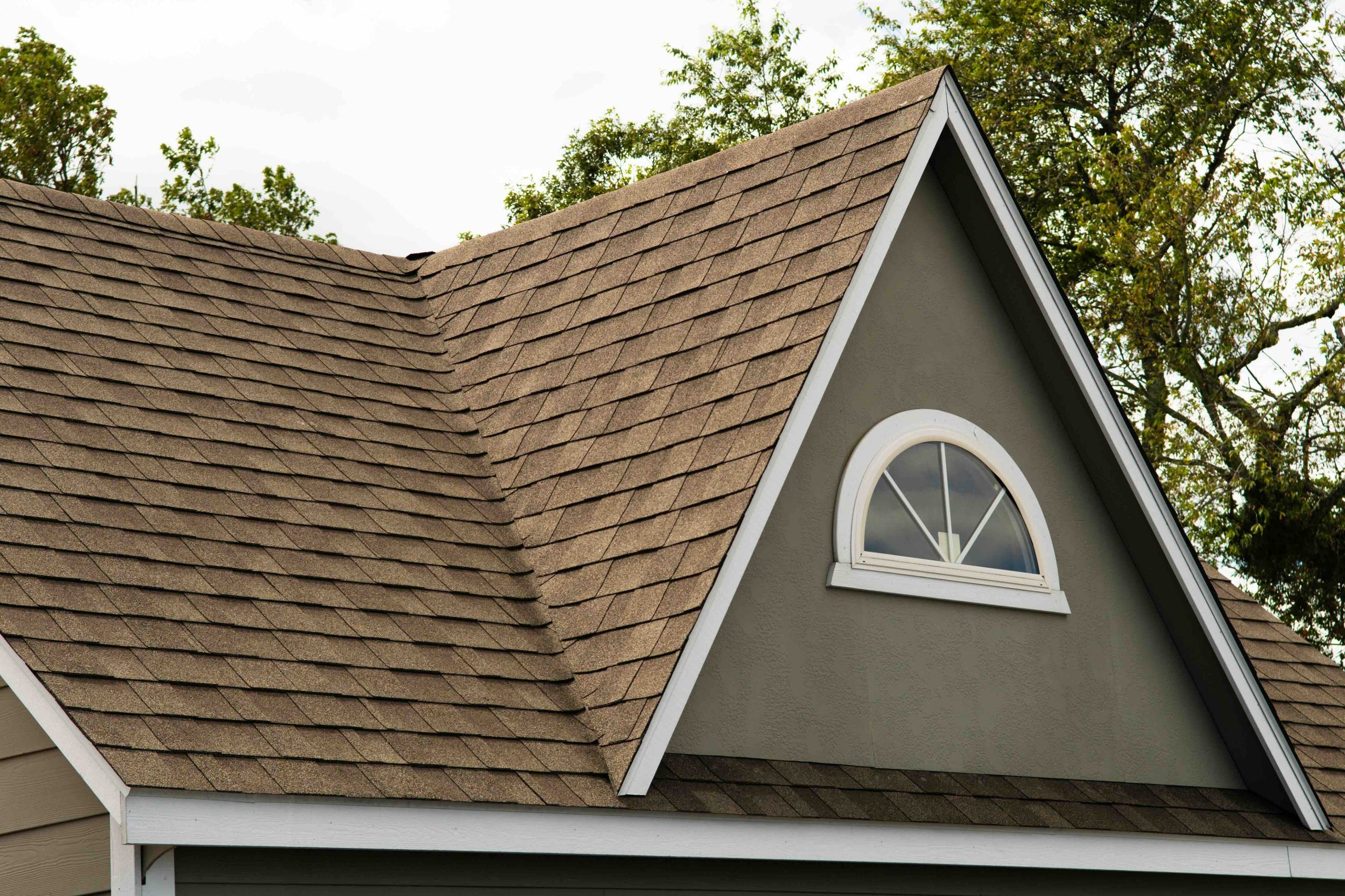
What Are Asphalt Shingle Roofs and Why Do So Many Homeowners Choose Them?
If you own a home in the United States, there is a reasonable chance your roof is covered in asphalt shingles. They are the most widely used roofing material in the country, and for good reason. Asphalt shingles offer a balance of affordability, durability, and visual variety that is hard to match. But despite how common they are, most homeowners know surprisingly little about how these roofs actually work, what to watch for over time, or when something is starting to go wrong. This guide is meant to close that gap.
How Asphalt Shingle Roofs Are Built and How They Work
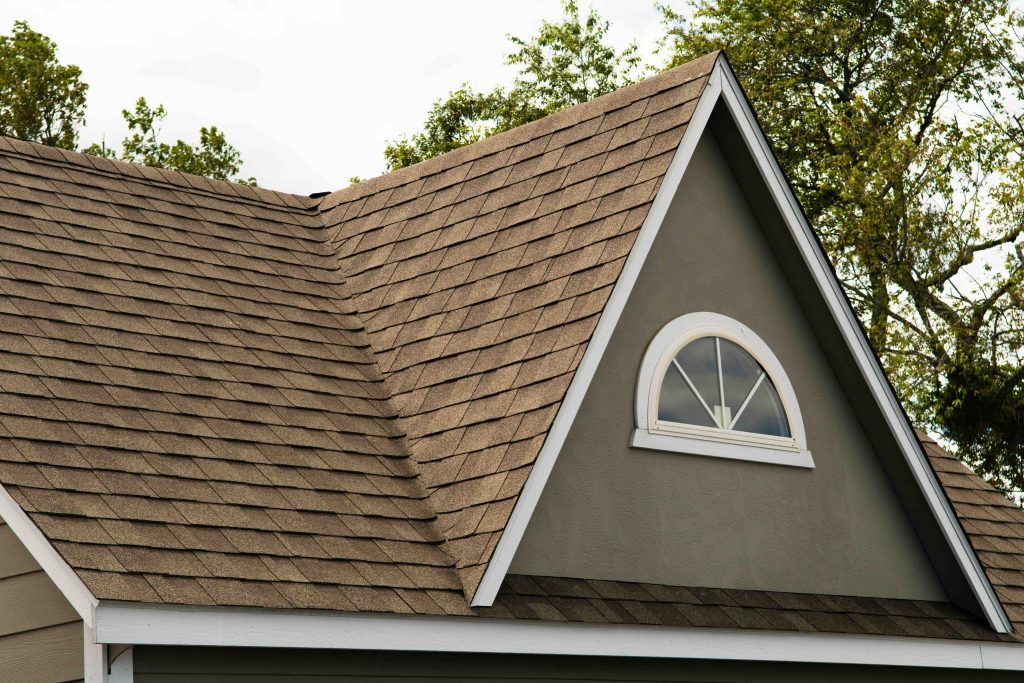
An asphalt shingle roof is not just a single layer of material slapped over your home. It is a carefully layered system designed to shed water, resist wind, and regulate temperature. It starts with roof decking, typically plywood or oriented strand board, which forms the structural base. Over that goes an underlayment, usually a felt or synthetic sheet that acts as a secondary moisture barrier. Then comes the starter strip along the eaves, followed by the shingles themselves, which are installed in overlapping rows from the bottom up. Ridge caps finish the peak. Each layer plays a specific role, and when one component is compromised, the entire system can become vulnerable.
The Different Types of Asphalt Shingles Available
Not all asphalt shingles are the same. There are three main categories worth understanding before you make any decisions about repair or replacement.
- Three-tab shingles: The most basic and affordable option, these are flat with a uniform appearance. They tend to have shorter lifespans, typically 15 to 20 years, and less wind resistance than other types.
- Architectural shingles: Also called dimensional or laminated shingles, these are thicker and layered, giving roofs a more textured, high-end look. They typically last 25 to 30 years and perform better under stress.
- Premium or luxury shingles: Designed to mimic slate or cedar shake, these are the most durable and most expensive asphalt option, often lasting 30 years or more with proper maintenance.
Key Advantages of Asphalt Shingle Roofs for Homeowners
There is a reason asphalt shingles dominate the market. The cost of installation is significantly lower than metal, tile, or slate roofing. They are widely available, and virtually any roofing contractor in your area will know how to work with them. They also come in a wide variety of colors and styles, which makes it easy to complement your home’s exterior. When properly installed and maintained, architectural shingles in particular offer solid protection against rain, moderate wind, and UV exposure. Repairs are also relatively straightforward since damaged shingles can often be replaced individually without disturbing the rest of the roof.
Common Problems That Affect Asphalt Shingle Roofs Over Time
No roofing material is maintenance-free, and asphalt shingles are no exception. Age is the most significant factor, but it is not the only one. Poor attic ventilation can cause heat to build up underneath the shingles, accelerating their deterioration from the inside out. Granule loss is another common issue. Those small, sand-like particles embedded in the surface of each shingle protect the underlying asphalt from UV damage. When granules start shedding into your gutters, it is a sign that the shingles are aging and losing effectiveness. Curling, cracking, and blistering are other indicators of wear. Missing shingles after a storm, improper flashing around chimneys or vents, and moss or algae growth are also problems that need prompt attention.
How to Inspect Your Asphalt Shingle Roof Like a Pro
You do not need to climb onto your roof to perform a basic visual inspection. In fact, you should not unless you are trained and properly equipped. Instead, use binoculars from the ground or inspect from a ladder positioned safely at the roofline. Look for shingles that appear lifted, cracked, or completely absent. Check the gutters for an accumulation of granules, which resembles coarse, colored sand. Inside the attic, look for daylight coming through the roof boards, staining on the rafters, or soft spots in the decking. After any major storm, this kind of walk-around check should become a habit. Catching small issues early can prevent what would have been a minor repair from escalating into something much more expensive.
When to Repair Versus When to Replace Your Roof
This is one of the most common questions homeowners face, and the answer depends on several factors. If your roof is under 15 years old and the damage is limited to a small area, repair is almost always the right call. But if your roof is approaching or past the 20-year mark, has widespread granule loss, shows signs of widespread curling or cracking, or has experienced multiple leaks in different locations, replacement is likely the more cost-effective path in the long run. A reputable roofing contractor can help you assess this, and getting two or three opinions before committing to a major project is always a smart move.

The Role of Ventilation and Attic Health in Roof Longevity
Most homeowners do not think about their attic when they think about their roof, but the two are deeply connected. A properly ventilated attic allows hot air to escape in the summer and prevents moisture from accumulating in the winter. Without adequate ventilation, heat and humidity get trapped, which degrades the shingles from below and can lead to ice dams in colder climates. Ice dams form when snow melts on the warmer upper portion of the roof and refreezes near the colder eaves, causing water to back up under the shingles. The fix is not always replacing the shingles. Sometimes improving intake and exhaust ventilation in the attic is the real solution to persistent roofing issues.
Practical Maintenance Tips to Extend the Life of Your Asphalt Roof
A little proactive care goes a long way with asphalt shingle roofs. Keeping gutters clean and free of debris prevents water from backing up under the eaves. Trimming tree branches that hang over or scrape against the roof reduces the risk of physical damage and limits the amount of organic debris that accumulates on the surface. Treating for moss or algae with appropriate zinc or copper-based products can slow growth that, if left unchecked, will gradually lift shingles and trap moisture. Having a professional roofer inspect your roof every few years, especially as it ages, is one of the most cost-effective things you can do to protect your investment.
Why Armadillo Home Warranty Is a Smart Partner for Asphalt Roof Owners
Owning a home means accepting that things will wear out, and your roof is one of the biggest variables in that equation. While homeowners insurance typically covers sudden, accidental damage like storm events, it generally does not cover the kind of gradual wear and tear that eventually takes down an asphalt shingle roof. That is exactly the space a home warranty is designed to fill. Armadillo offers home warranty coverage that is straightforward, honest, and built for the way real homeowners live. If you are looking for a reliable home warranty plan that covers key systems and appliances in your home, Armadillo makes it simple to understand exactly what you are getting before you sign anything. No confusing fine print, no runaround when you need help. When something in your home stops working the way it should, you want a partner that moves quickly and communicates clearly. Take a few minutes to get a personalized home warranty quote for asphalt roof and home system protection and see what coverage looks like for your specific home. It costs nothing to look, and the peace of mind is worth far more than most homeowners expect.

Frequently Asked Questions About Asphalt Shingle Roofs
These are some of the most common questions homeowners ask about asphalt shingle roofs, answered clearly and directly.
How long do asphalt shingle roofs typically last?
The lifespan depends on the shingle type. Three-tab shingles generally last 15 to 20 years, architectural shingles last 25 to 30 years, and premium or luxury asphalt shingles can last 30 years or more with proper maintenance and adequate attic ventilation.
What are the early warning signs that my asphalt roof needs attention?
Look for granules collecting in your gutters, shingles that are curling at the edges or corners, visible cracks or blistering on the shingle surface, missing shingles, and any dark staining or soft spots in your attic ceiling or rafters.
Can I install new asphalt shingles over my existing roof?
In some cases, yes. Most building codes allow one layer of new shingles to be installed over an existing layer. However, if your current roof already has two layers, or if the decking beneath is damaged, a full tear-off and replacement is required before new shingles can be installed.
How does attic ventilation affect my asphalt shingle roof?
Poor attic ventilation traps heat and moisture, which accelerates shingle degradation from below. In winter climates, it can also contribute to ice dam formation. Proper intake and exhaust ventilation is essential for maximizing the lifespan of your roof.
What causes granule loss on asphalt shingles?
Granule loss is a natural part of aging, but it can be accelerated by physical impact, improper installation, thermal cycling, and poor-quality shingles. Significant granule loss indicates that your shingles are losing their UV protection and may be nearing the end of their useful life.
Is moss or algae growth on my roof a serious problem?
Yes, over time. Moss and algae trap moisture against the shingle surface, which can gradually lift the shingles, accelerate granule loss, and lead to water infiltration. Treatment with zinc or copper-based solutions can slow or eliminate growth, and algae-resistant shingles are available as a preventive option.
Does homeowners insurance cover asphalt shingle roof damage?
Homeowners insurance typically covers sudden and accidental damage caused by covered perils, such as hail, wind, or falling debris. It generally does not cover damage resulting from aging, wear and tear, or lack of maintenance. A home warranty may help cover some of those gaps.
How often should I have my asphalt shingle roof professionally inspected?
Most roofing professionals recommend a formal inspection every two to three years for roofs under 15 years old, and annually for older roofs. After any major weather event, including high winds, hail, or heavy snow, a prompt inspection is strongly advisable regardless of the roof’s age.
What is the average cost to replace an asphalt shingle roof?
Costs vary significantly based on roof size, pitch, geographic location, and shingle type chosen. On average, homeowners in the United States spend between $8,000 and $20,000 for a full asphalt shingle roof replacement, with architectural shingles typically falling in the middle of that range.
Can I repair just a few damaged shingles without replacing the whole roof?
Yes, individual shingle replacement is a common and cost-effective repair when the damage is localized and the rest of the roof is in good condition. A qualified roofer can replace damaged sections, though matching the color and texture of older shingles can sometimes be a challenge depending on availability.