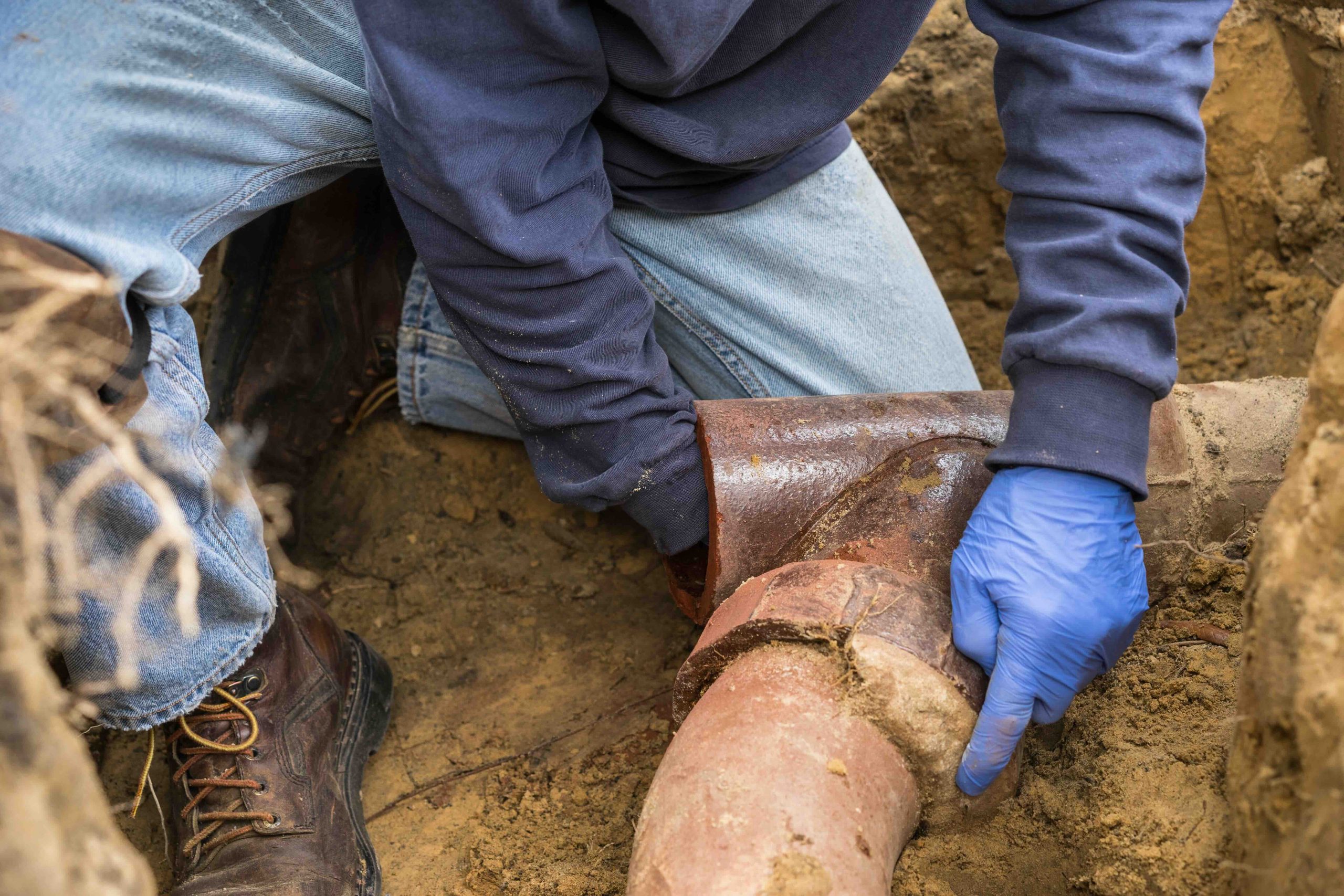
What Are Tree Roots Doing in Your Sewer Line?
It starts subtly. A toilet that drains a little slower than usual. A gurgling sound from the bathroom sink after you run the dishwasher. Maybe a faint odor that you cannot quite place. These are not random quirks of an older home. In many cases, they are early signals of one of the most common and quietly destructive plumbing problems homeowners face: tree roots growing inside the sewer line. It sounds almost cinematic, but it happens every single day in neighborhoods across the country, and understanding how it works is the first step toward protecting your home.
How Tree Roots Find Their Way Into Sewer Lines
Tree roots are not aggressive by accident. They are simply doing what they evolved to do, which is seek out water and nutrients. Your sewer line, which carries wastewater from your home to the municipal sewer system or septic tank, is essentially a buffet. Warm water, nutrients, and oxygen create a vapor trail that roots can detect. Any small crack in the pipe, even a hairline fracture at a joint, releases that vapor. Roots follow it directly to the source. Once inside, they do not stop. They expand, branch out, and over time create a dense mass that blocks flow, cracks pipes further, and in serious cases causes complete line failure. The root does not care that it is inside your plumbing. It is just doing its job.
Which Trees Pose the Greatest Risk to Your Pipes
Not every tree in your yard is an equal threat, though any tree or large shrub can become a problem under the right conditions. Some species are known to be particularly aggressive. Understanding which trees are high-risk can help homeowners make smarter landscaping decisions before a problem starts.
- Willow trees are notorious for root intrusion because of how aggressively they pursue moisture
- Sycamore and poplar trees have wide, shallow root systems that spread far from the trunk
- Oak and elm trees produce strong, persistent roots that can exert significant pressure on pipe joints
- Bamboo, while technically a grass, spreads rapidly and can infiltrate small openings with ease
- Older ornamental trees planted near home foundations in the 1970s and 1980s are frequently found near failing sewer lines
Proximity matters enormously. A tree ten feet from your home’s foundation presents a very different risk profile than one planted fifty feet away. That said, root systems can extend two to three times the diameter of a tree’s canopy, so distance is not always a reliable safety measure.
Recognizing the Warning Signs Early
The challenge with root intrusion is that it develops slowly. Homeowners often do not notice anything serious until the damage is already significant. Paying attention to early symptoms can save thousands of dollars and a considerable amount of stress. Slow drains throughout multiple fixtures, not just one, are a meaningful indicator because they suggest a blockage further down the line rather than a localized clog. Gurgling sounds, sewage odors near floor drains or basement fixtures, and unusually green or fast-growing patches of grass over your sewer line are all worth investigating. If your home is more than twenty years old and has mature trees on the property, a routine camera inspection is genuinely worth the cost.
How Professionals Diagnose Root Intrusion
Modern plumbing diagnostics have made this much easier than it used to be. A licensed plumber will run a flexible camera through your sewer line to get a direct visual of what is happening inside. This is called a sewer scope inspection, and it removes all guesswork. The camera feed shows the plumber the exact location and severity of any root intrusion, the condition of the pipe walls, and whether there are additional issues like grease buildup, pipe corrosion, or offset joints. Some plumbers also use electronic locating equipment to map the exact depth and path of the line. All of this information shapes the treatment plan.

Treatment Options for Sewer Line Root Intrusion
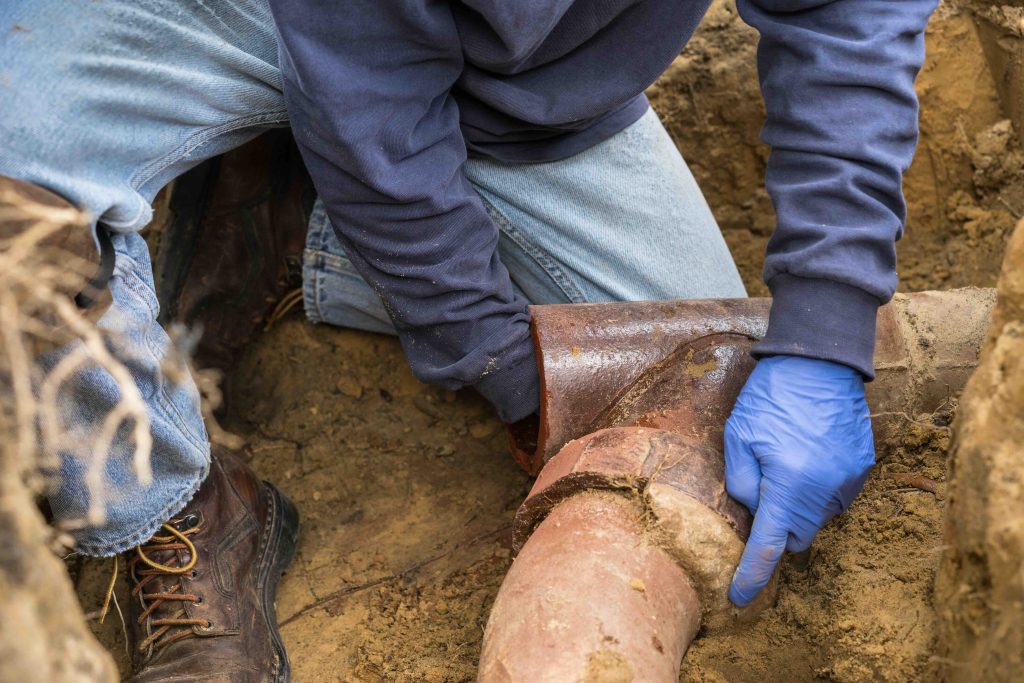
Once roots are confirmed inside the line, homeowners have several options depending on the extent of the damage. For moderate intrusion where the pipe is still structurally sound, hydro-jetting is a highly effective mechanical solution. A high-pressure water stream clears the root mass and flushes debris downstream. This does not kill the roots at their source, so follow-up treatment with a root-killing foam or copper sulfate application is typically recommended. For more advanced cases where roots have cracked or collapsed sections of pipe, repair options include pipe relining, also called cured-in-place pipe or CIPP, which inserts a new liner inside the damaged pipe without excavation, or traditional excavation and full pipe replacement when the damage is too severe for trenchless methods. The right solution depends on the pipe material, depth, and the extent of the damage, which is why a thorough diagnosis always comes first.
Preventive Measures Every Homeowner Should Know
Prevention is genuinely more cost-effective than repair in this situation. There are practical steps homeowners can take to reduce the risk of root intrusion before it becomes a crisis. Scheduling a sewer scope inspection every three to five years is smart routine maintenance, especially in homes with older clay or cast iron pipes. Planting trees and large shrubs away from sewer lines reduces exposure over time. Slow-release copper sulfate treatments can be flushed through the system periodically to discourage root growth near joints. Replacing older clay or orangeburg pipe with PVC during a major renovation eliminates some of the most vulnerable entry points entirely. None of these steps guarantee immunity, but they substantially lower the probability of facing a major failure.
What Root Intrusion Can Cost Without Coverage
This is where the conversation becomes very real for most homeowners. A hydro-jetting service typically runs between three hundred and six hundred dollars. A pipe relining job can cost anywhere from four thousand to twenty thousand dollars depending on the length and complexity of the repair. Full excavation and pipe replacement can exceed ten thousand dollars and frequently disrupts landscaping, driveways, and sometimes interior flooring if the line runs beneath the foundation. These are not hypothetical numbers. They are consistent with what homeowners across the country report paying out of pocket when root intrusion reaches a serious stage. The unpredictable nature of when and how fast this happens makes it particularly difficult to budget for without some form of protection in place.
Why Armadillo Is the Right Partner for Sewer Line Protection
When a sewer line fails, the last thing a homeowner wants to be doing is calling three plumbers for quotes while a pipe is actively backing up. That is precisely the kind of scenario that Armadillo’s home warranty coverage for sewer line repair and replacement is built to handle. Armadillo was designed with real homeowner problems in mind, and sewer line coverage is a meaningful part of that. Instead of absorbing a five-figure repair bill out of pocket, covered homeowners get access to qualified service professionals without the scramble. If you have mature trees on your property, an older home, or simply want to stop worrying about what is happening underground, this is exactly the kind of coverage that makes a difference. Take a few minutes to get a personalized home warranty quote that includes sewer line protection and find out what coverage looks like for your specific situation. The cost of a plan is a fraction of what a single pipe repair can run, and the peace of mind is immediate.

Frequently Asked Questions About Tree Roots in Sewer Lines
Homeowners dealing with sewer line concerns tend to have similar questions. Here are the ones that come up most often, answered directly.
How do I know if tree roots are in my sewer line?
Common signs include multiple slow drains throughout the home, gurgling noises from toilets or floor drains, sewage odors near basement fixtures, and unexplained wet patches or extra-green grass above the sewer line path. A sewer scope inspection confirms the diagnosis.
Can tree roots damage a sewer line quickly?
Root intrusion is typically a slow process that builds over years, but once roots are established inside a pipe, blockages can occur relatively quickly. A minor intrusion can become a full blockage within a single growing season if left untreated.
Will cutting down the tree solve the problem?
Not immediately. Roots can remain active and continue growing even after a tree is removed. The roots inside the pipe still need to be cleared mechanically, and the pipe damage already caused still needs to be addressed.
What type of pipes are most vulnerable to root intrusion?
Clay tile pipes and orangeburg pipes, both common in homes built before the 1980s, are the most susceptible because they have many joints and are prone to cracking. PVC pipes are more resistant but not entirely immune if joints are improperly installed.
How often should I have my sewer line inspected?
For homes with mature trees on the property or pipes older than twenty-five years, inspections every two to three years are a reasonable precaution. For newer homes with PVC pipes and no significant tree cover, every five years is generally sufficient.
Is hydro-jetting a permanent solution for root intrusion?
Hydro-jetting clears the existing root mass but does not prevent regrowth. It is most effective when paired with a root-inhibiting treatment and a follow-up inspection schedule. For recurring issues, pipe relining or replacement may be the more durable long-term solution.
Does homeowners insurance cover sewer line root damage?
Standard homeowners insurance policies typically do not cover sewer line damage caused by root intrusion because it is considered a maintenance issue rather than a sudden or accidental loss. A home warranty with sewer line coverage is a more appropriate product for this type of repair.
How much does it cost to reline a sewer line?
Pipe relining costs vary based on the length of the line, accessibility, and the extent of damage, but most homeowners pay between four thousand and fifteen thousand dollars for a trenchless CIPP repair. Full excavation and replacement can cost more.
Can I use chemical root killers on my own?
Copper sulfate and foaming root killers are available to homeowners and can help slow root growth in early-stage intrusion. They are not a substitute for professional treatment when roots have already created a significant blockage, and they must be used carefully to avoid damage to surrounding soil and vegetation.
What is the difference between a sewer scope inspection and a regular plumbing inspection?
A standard plumbing inspection evaluates fixtures, supply lines, water pressure, and visible components inside the home. A sewer scope inspection specifically examines the interior of the underground sewer lateral using a camera, revealing root intrusion, pipe condition, offset joints, and blockages that cannot be detected from the surface.