What Is a Drainage Vent Pipe and Why Does Your Home Have One?
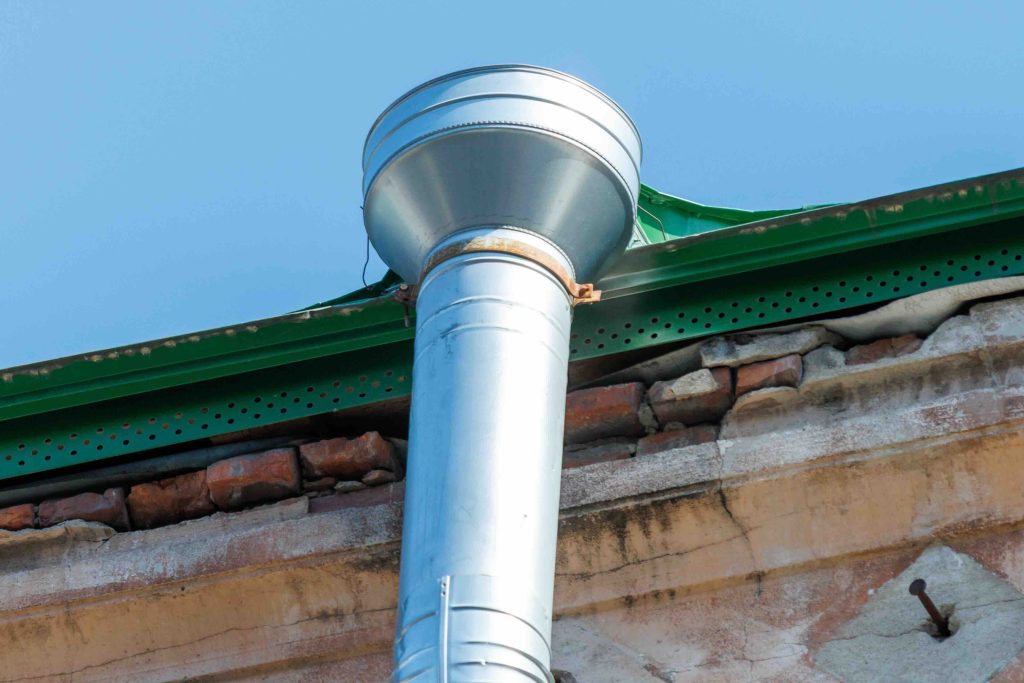
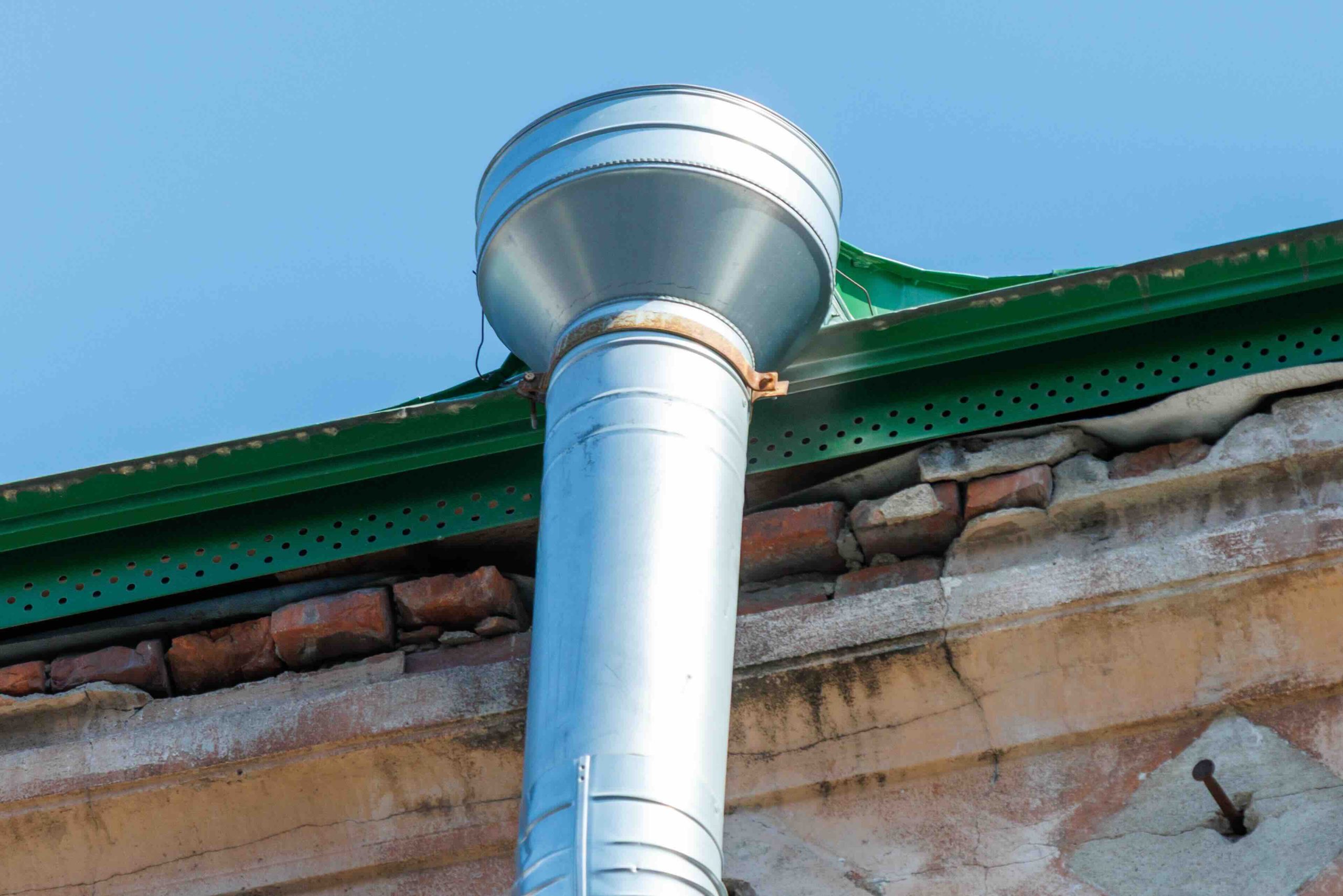
If you have ever looked at your roofline and noticed a pipe sticking up above the shingles, you have seen a drainage vent pipe without knowing it. Most homeowners walk right past this component without giving it a second thought, but it plays a significant role in how your entire plumbing system functions. The drainage vent pipe, also referred to as a plumbing vent or vent stack, is not a water-carrying pipe. Instead, it manages air pressure within your drain lines and removes sewer gases from the home. It is one of those systems that quietly does its job until something goes wrong, and when it does, the symptoms can be hard to trace back to the source.
How a Drainage Vent Pipe Actually Works
Here is where it gets interesting. Every time water flows down a drain, it creates pressure changes inside your plumbing pipes. Without a way to equalize that pressure, the water moving through the system would pull air from wherever it can find it, which often means siphoning water out of your P-traps. Those P-traps are the curved sections of pipe beneath your sinks and toilets, and they hold a small amount of water that acts as a seal against sewer gases. If that seal gets broken, you start smelling things you really do not want to smell inside your home. The drainage vent pipe prevents that scenario by introducing fresh air into the drain system, keeping pressure balanced so water flows freely and traps stay full. The pipe routes upward through the wall cavities and exits through the roof, releasing any accumulated sewer gases safely into the outdoor air above the home.
The Key Components of a Plumbing Vent System
A plumbing vent system is not a single pipe but a network of components that work together. Understanding the parts helps you recognize when something might be off.
- Vent stack: The main vertical pipe that runs from the drain system up through the roof
- Branch vents: Smaller horizontal or angled pipes that connect individual fixtures to the main vent stack
- Air admittance valves (AAVs): Mechanical devices used in situations where routing a pipe through the roof is not feasible
- Roof flashing: The waterproof seal around the pipe where it exits through the roof surface
- P-traps: Not part of the vent pipe itself, but directly dependent on the vent system to function correctly
Signs That Your Drainage Vent Pipe May Have a Problem
Because the vent pipe is largely hidden inside walls and above ceilings, problems tend to announce themselves through secondary symptoms rather than visible damage. Slow-draining sinks and tubs are one of the most common signs, because restricted airflow causes water to drain sluggishly. Gurgling sounds coming from drains, especially after a toilet is flushed or a washing machine drains, point to pressure imbalances in the system. A persistent sewer odor inside the house is another major red flag. In colder climates, vent pipes can actually freeze over during winter, creating a blockage that causes the same kinds of pressure problems. Birds and debris can also clog roof-level openings over time.

The Advantages of a Properly Functioning Vent System
When the drainage vent pipe is doing its job correctly, the benefits ripple through the entire plumbing system. Drains move water at the correct speed, reducing the likelihood of clogs forming from slow-moving debris. Sewer gases stay out of the living space, which is both a health and comfort issue. The lifespan of your P-traps is extended because they are not constantly being compromised by pressure fluctuations. In a broader sense, a healthy vent system contributes to the overall performance of your plumbing, which is one of the most expensive home systems to repair when things go seriously wrong. Proper venting also supports the correct function of drain-waste-vent systems as a whole, meaning everything from your dishwasher connection to your main sewer line benefits.
Common Drawbacks and Limitations to Know About
No home system is without its complications, and the drainage vent pipe has a few worth noting. The location of vent pipes, running through finished walls and exiting through the roof, makes them difficult and sometimes costly to inspect, repair, or reroute. Roof penetrations, if not properly flashed and maintained, can be entry points for water intrusion, which adds a layer of maintenance responsibility. Air admittance valves offer a workaround in tight spaces, but they are mechanical devices that can fail over time and are not universally approved by local building codes. In older homes, vent pipes may be undersized relative to modern plumbing demands, particularly if bathrooms or laundry facilities have been added over the years. These limitations do not outweigh the necessity of the system, but they do underscore why this component deserves some attention.
Maintenance Tips Every Homeowner Should Follow
Keeping your drainage vent pipe in good working order does not require much active involvement, but a few periodic checks can prevent costly repairs down the line.
- Inspect the roof flashing around the vent pipe at least once a year for cracks or gaps that could allow water infiltration
- Check the opening at the top of the pipe for debris, bird nests, or ice buildup during winter months
- Install a vent pipe cover or mesh guard to discourage animals and large debris from entering the pipe
- Pay attention to slow drains or gurgling sounds and address them promptly before they indicate a more serious blockage
- Schedule a professional plumbing inspection every few years to catch issues that are not visible or obvious
When to Call a Licensed Plumber
There are situations where observation and basic maintenance are not enough. If you have ruled out a simple drain clog and are still experiencing gurgling, odors, or slow drains across multiple fixtures, the vent pipe itself may be obstructed or damaged. Plumbers use specialized cameras and diagnostic tools to inspect vent lines without tearing open walls. If a vent pipe is cracked, collapsed, or improperly sized, the fix will involve a licensed professional regardless of how handy you are. Any work that touches the roof, structural walls, or the main drain-waste-vent system should be handled by someone with the appropriate credentials. Attempting to add or reroute venting without proper knowledge can create code violations that complicate future home sales.
How Home Warranty Coverage Relates to Your Vent Pipe System
When a plumbing component fails unexpectedly, the repair bill can surface without warning. That is where trusted home warranty coverage for plumbing systems and drain venting components becomes genuinely valuable. Armadillo offers home warranty plans built to protect the systems homeowners depend on most, including the plumbing infrastructure that keeps your drainage vent system operating correctly. If a covered plumbing failure creates a ripple effect that impacts connected components, having a plan in place means you are not absorbing that cost entirely on your own. Armadillo keeps things straightforward, with transparent coverage and a process that does not leave you guessing about what is included. Whether your home is brand new or has a few decades on it, taking a few minutes to get a personalized home warranty quote that covers your plumbing and drainage systems is one of those small actions that can pay off significantly when an unexpected repair comes up.

Frequently Asked Questions About Drainage Vent Pipes
Here are the most common questions homeowners ask about drainage vent pipes, answered directly and clearly.
What happens if a drainage vent pipe is blocked?
A blocked vent pipe causes air pressure imbalances in the drain system, leading to slow drains, gurgling sounds, and sewer gas odors inside the home. Water in P-traps may be siphoned out, allowing harmful gases to enter the living space.
Can a drainage vent pipe freeze in winter?
Yes, in cold climates the moisture in sewer gases can condense and freeze at the top of the vent pipe, creating a blockage. This is more common in regions with sustained temperatures well below freezing and can cause symptoms identical to a physical obstruction.
How do I know if my vent pipe is clogged versus a regular drain clog?
A regular clog typically affects one fixture at a time. When the vent pipe is the issue, you will usually notice slow drains, gurgling, or sewer odors across multiple fixtures simultaneously, which points to a systemic pressure problem rather than a localized blockage.
What is an air admittance valve and when is it used?
An air admittance valve is a one-way mechanical device installed in locations where running a vent pipe to the roof is not practical. It opens to allow air in when needed to equalize pressure and closes to prevent sewer gases from escaping. Local codes vary on whether they are permitted.
Does every drain in my house need its own vent pipe?
Not necessarily. Plumbing codes allow multiple fixtures to share a vent under certain conditions, using wet venting or common venting configurations. The specific requirements depend on the fixture types, distances, and the local building code in your area.
How long does a drainage vent pipe typically last?
The lifespan depends heavily on the material. PVC vent pipes can last several decades with minimal maintenance. Older cast iron or galvanized steel pipes found in homes built before the 1980s may show corrosion or deterioration much sooner and may benefit from evaluation by a licensed plumber.
Can I install or repair a vent pipe myself?
Minor maintenance like clearing a roof-level debris blockage is manageable for some homeowners. However, any repair or installation that involves cutting into walls, working on the roof structure, or modifying the drain-waste-vent system should be handled by a licensed plumber to ensure code compliance and safety.
Is sewer gas from a vent pipe dangerous?
Sewer gas contains hydrogen sulfide, methane, and other compounds that can be harmful at elevated concentrations. Persistent exposure can cause headaches, nausea, and respiratory irritation. High concentrations of methane also present a flammability risk, so sewer odors inside the home should be addressed promptly.
Does a home warranty cover drainage vent pipe repairs?
Coverage varies by provider and plan. Many home warranty plans include plumbing systems, which may extend to components like vent lines depending on the specific terms. Reviewing the coverage details carefully and asking questions before purchasing a plan ensures you understand what is and is not included.
How often should a drainage vent pipe be inspected?
A visual inspection of the roof penetration and vent opening should be done at least once a year. A full professional plumbing inspection, which may include camera diagnostics for the vent lines, is recommended every three to five years or any time symptoms of venting problems appear.