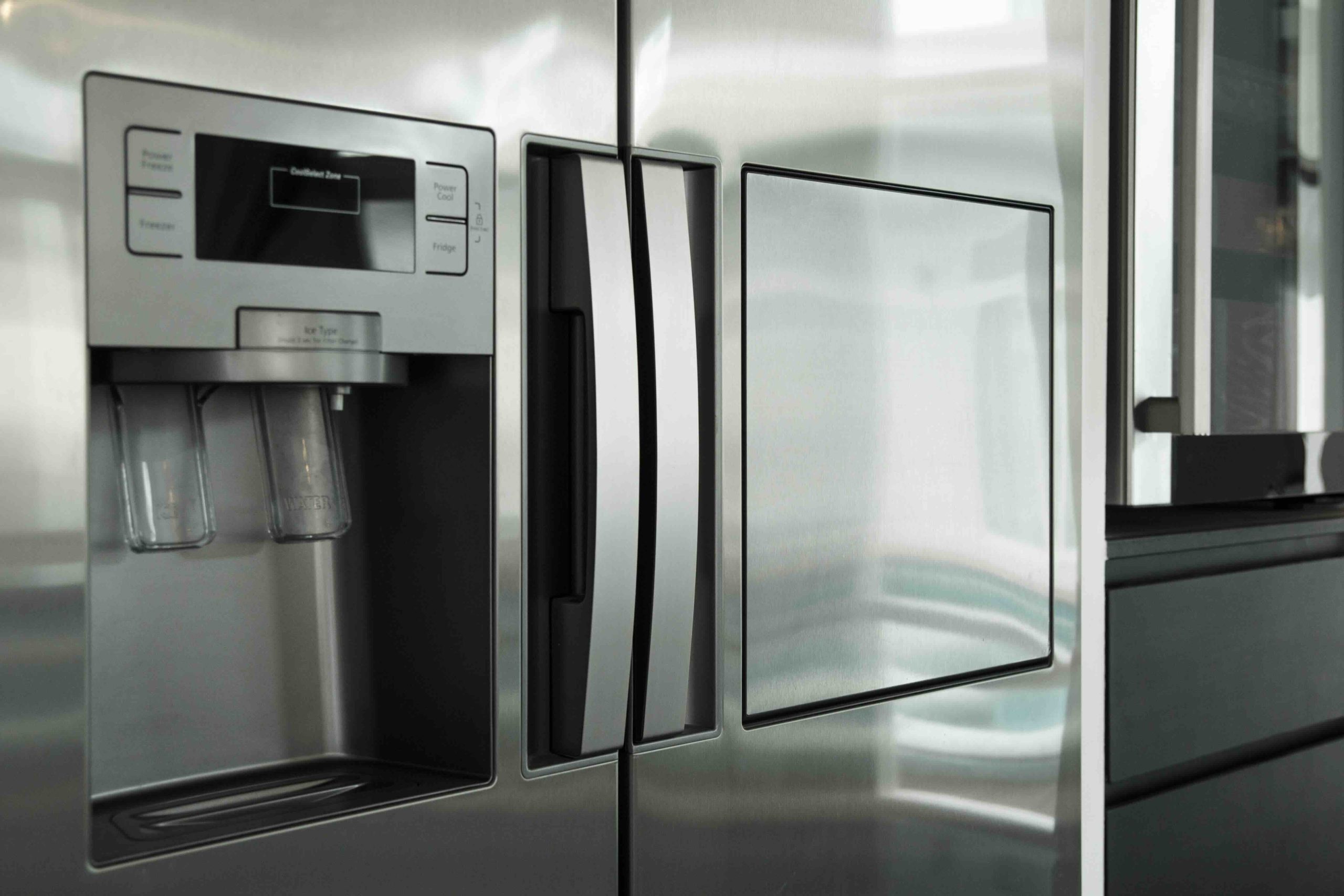
Why Your Stainless Steel Refrigerator Looks Dull and What to Do About It
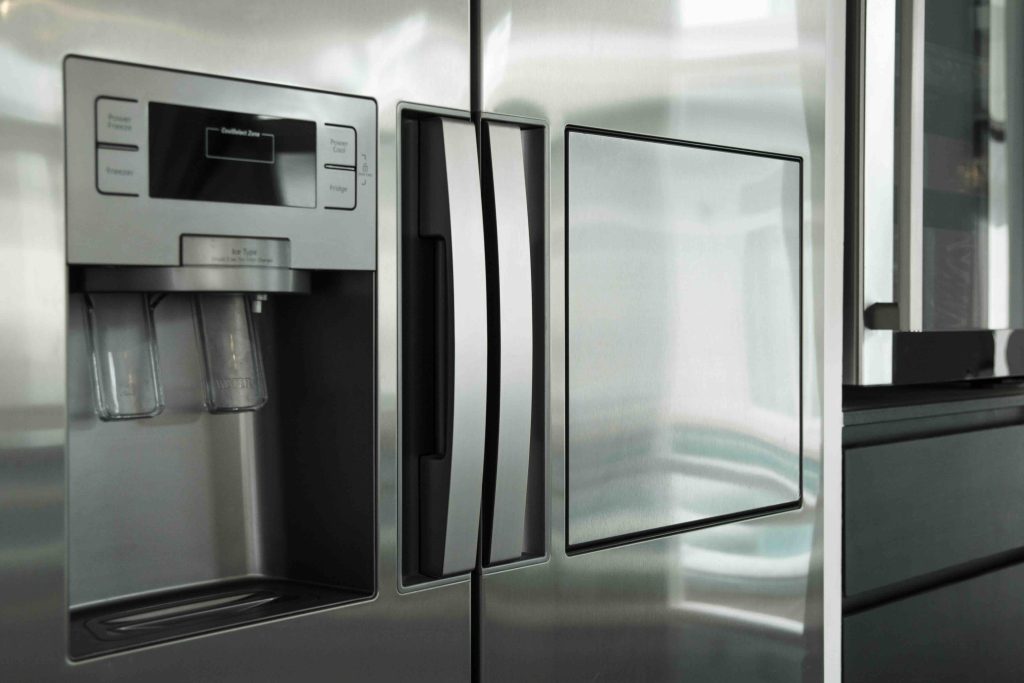
Stainless steel refrigerators have been a kitchen staple for decades, and honestly, it is easy to see why. They look sharp, they feel premium, and they tend to hold their visual appeal longer than many other finishes. But here is the thing most homeowners figure out only after they have already brought one home: stainless steel requires a specific kind of care. Without it, that sleek surface starts collecting fingerprints, water spots, and a general dullness that makes even a high-end appliance look neglected. Stainless steel refrigerator polish is the answer to that problem, and understanding how it works can save you time, money, and a lot of frustration.
What Is Stainless Steel Refrigerator Polish
Stainless steel refrigerator polish is a cleaning and conditioning product formulated specifically for the type of steel used in kitchen appliances. It is not the same as a general household cleaner. Most polishes combine a mild abrasive or solvent base with conditioning agents that leave behind a thin protective layer after application. That layer does two things: it brings back the surface shine and it creates a barrier that slows down future smudging, oxidation, and water spotting. Products vary in formula, with some coming in sprays, others in creams, and some as pre-moistened wipes. The delivery method matters less than the chemistry, which is what actually interacts with the steel.
How Stainless Steel Surfaces Actually Work
Before getting into polish specifics, it helps to understand what you are working with. Stainless steel gets its corrosion resistance from a thin, invisible layer of chromium oxide that forms naturally when the steel is exposed to oxygen. That layer is actually self-repairing to a degree, which is part of why stainless is so durable. However, everyday contact strips and disrupts that layer. Fingerprints leave behind oils. Hard water leaves mineral deposits. And some cleaning products, especially those with chlorine or bleach, actively damage the surface over time. Polish helps restore the visual appearance of that surface while offering a degree of protection between your daily kitchen activity and the steel itself.

Key Advantages of Using Refrigerator Polish Regularly
There are real, practical benefits to incorporating stainless steel polish into your regular home maintenance routine. This is not just about aesthetics, though that matters too. Here is what consistent use actually delivers:
- Reduces visible fingerprints and smudging between cleanings
- Minimizes surface scratches over time by filling in minor imperfections
- Protects against water spots and mineral buildup from hard water
- Extends the overall appearance lifespan of the appliance
- Makes future cleaning faster because residue does not bond as aggressively to a polished surface
That last point tends to surprise people. Once a surface is properly conditioned, routine wipe-downs take far less effort. The polish essentially reduces surface friction for contaminants, meaning things slide off rather than stick.
Common Drawbacks Worth Knowing About
Stainless steel polish is genuinely useful, but it is not without its limitations. Applying too much product at once can leave a greasy or streaky residue that is actually harder to clean than the original smudge you were trying to remove. Some polishes contain petroleum-based ingredients that may leave a slightly oily film if not buffed out thoroughly. There is also the grain issue, which trips up a lot of homeowners. Stainless steel has a directional grain, similar to wood, and applying polish against the grain can cause streaking and in some cases micro-scratching. Always check the surface in good light before you start, identify which direction the grain runs, and work with it consistently throughout the process.
How to Apply Stainless Steel Polish Correctly
Application technique makes a significant difference in results. Before polishing, the surface should be clean and dry. Any grease or food residue left on the surface will get buffed in rather than removed, which defeats the purpose entirely. Use a dedicated microfiber cloth, not paper towels or rough sponges, as those materials can introduce fine scratches. Apply a small amount of polish to the cloth rather than directly onto the appliance, which gives you better control over coverage. Work in sections, moving in the direction of the grain, using light, even pressure. After the product has had a moment to sit, buff it off with a clean, dry microfiber cloth. The result should be a clear, even sheen without streaks.
How Often Should You Polish Your Refrigerator
This depends largely on how much traffic your kitchen sees and how bothered you are by surface marks in between. In most households, a thorough polish application every four to six weeks strikes a good balance between appearance and effort. High-traffic kitchens with kids or frequent cooking may benefit from more frequent application. On a day-to-day basis, a quick wipe with a slightly damp microfiber cloth followed by a dry buff is usually sufficient to keep the surface looking presentable between polish sessions. Avoid using dish soap as a regular cleaner on stainless, as some formulas contain surfactants that degrade the surface film over time.
Choosing the Right Product for Your Refrigerator
Not all stainless steel polishes are created equally, and the refrigerator market has enough variation that it pays to read product labels carefully. Some polishes are formulated for appliances specifically, while others are designed for industrial surfaces and contain abrasives too aggressive for a home kitchen finish. Look for products that explicitly state appliance-safe or food-zone safe on the label. Some manufacturers include care instructions with their refrigerators that name approved products or rule out certain chemical types. Following those guidelines protects both the surface and any applicable manufacturer warranty. If your refrigerator uses a printed or coated stainless finish rather than true stainless steel, that distinction matters even more because some polishes will damage those surfaces.
When Polish Is Not Enough and Repairs Become Necessary
Polish handles surface-level maintenance, but it cannot address deeper appliance problems. Scratches that penetrate below the surface layer, significant rust spots, dents, or mechanical issues inside the refrigerator itself are outside what any polish product can fix. That is where homeownership gets more complicated and more expensive. Refrigerators are one of the most frequently used appliances in any home, and when something goes wrong internally, whether it is the compressor, the cooling system, or the ice maker, repair costs can be substantial. Having a plan in place before something breaks is the kind of decision that makes a real difference in what that repair actually costs you out of pocket.

Protecting Your Refrigerator and Your Budget With Armadillo
Keeping the exterior of your refrigerator polished and maintained is a smart habit, but the bigger picture of appliance ownership includes being ready for what happens when the interior components stop working. Compressor failures, thermostat issues, and evaporator problems are not cheap to diagnose or repair, and they tend to happen without much warning. That is where a home warranty becomes genuinely valuable, not as a nice-to-have, but as a practical financial tool. Armadillo home warranty plans for kitchen appliances and major home systems are built with exactly this kind of scenario in mind, covering the components that polish and elbow grease simply cannot address. If you want to understand what your coverage options look like before something breaks, you can get a free home warranty quote for refrigerator and appliance protection in just a few minutes. Armadillo keeps the process simple, the pricing transparent, and the coverage honest, which is exactly what a homeowner deserves.
Frequently Asked Questions About Stainless Steel Refrigerator Polish
Can I use olive oil or baby oil instead of commercial stainless steel polish?
Yes, in a pinch, a small amount of mineral oil or baby oil can be used to condition and shine stainless steel. However, these oils do not offer the same protective film that commercial polishes provide and may attract dust more readily. They can work for light touch-ups but are not a long-term substitute for a dedicated product.
Will stainless steel polish remove scratches from my refrigerator?
Polish can minimize the appearance of very fine, shallow surface scratches by filling them in temporarily and restoring the surrounding sheen. It cannot remove deep scratches or gouges. For significant surface damage, a stainless steel scratch repair kit with a fine abrasive pad is a better starting point.
Is it safe to use stainless steel polish near food surfaces?
Most appliance-grade polishes are formulated to be safe once dried and buffed, but you should always check the product label for food-safe designations. Avoid applying polish to interior surfaces, shelving, or anywhere food will come into direct contact with the treated area.
Why does my refrigerator still look streaky after polishing?
Streaking is almost always caused by applying too much product or buffing against the grain of the steel. Make sure you are using a clean microfiber cloth, working in the direction of the grain, and using less product than you think you need. Buffing with a second dry cloth after application typically resolves streaking.
How do I identify the grain direction on my stainless steel refrigerator?
Look at the surface in natural light at a slight angle. You should be able to see faint parallel lines running either horizontally or vertically across the panel. That line direction is your grain. Always apply and buff polish in the same direction as those lines.
Can I use the same polish on my stainless steel dishwasher and oven?
In most cases, yes. Appliance-grade stainless steel polishes are generally designed to work across multiple appliance surfaces. However, avoid using the product near oven heating elements or burners and always verify the label for surface compatibility before applying to any appliance.
Does stainless steel polish prevent rust?
It offers a degree of protection by creating a barrier over the surface that slows moisture and contaminant contact with the steel. However, it is not a substitute for proper care and will not reverse rust that has already formed. True rust on a stainless surface usually indicates the chromium oxide layer has been compromised and may require professional assessment.
How long does the protective coating from polish actually last?
This varies by product and usage, but in a typical household kitchen, the protective benefits of a good polish application begin to diminish after three to six weeks. High-contact areas like handles may need more frequent attention than flat panel surfaces.
What should I avoid putting on my stainless steel refrigerator?
Avoid anything containing chlorine, bleach, or abrasive powders. Steel wool and rough scrub pads will also scratch the surface. Hard tap water left to air dry leaves mineral deposits, so always dry the surface after wet cleaning rather than letting it evaporate on its own.
Does a home warranty cover refrigerator repairs caused by normal wear?
Most home warranty plans cover mechanical and electrical failures that result from normal wear and use, including components like compressors, fans, and thermostats. Coverage details vary by plan, so it is worth reviewing what is included before a repair situation comes up rather than after.