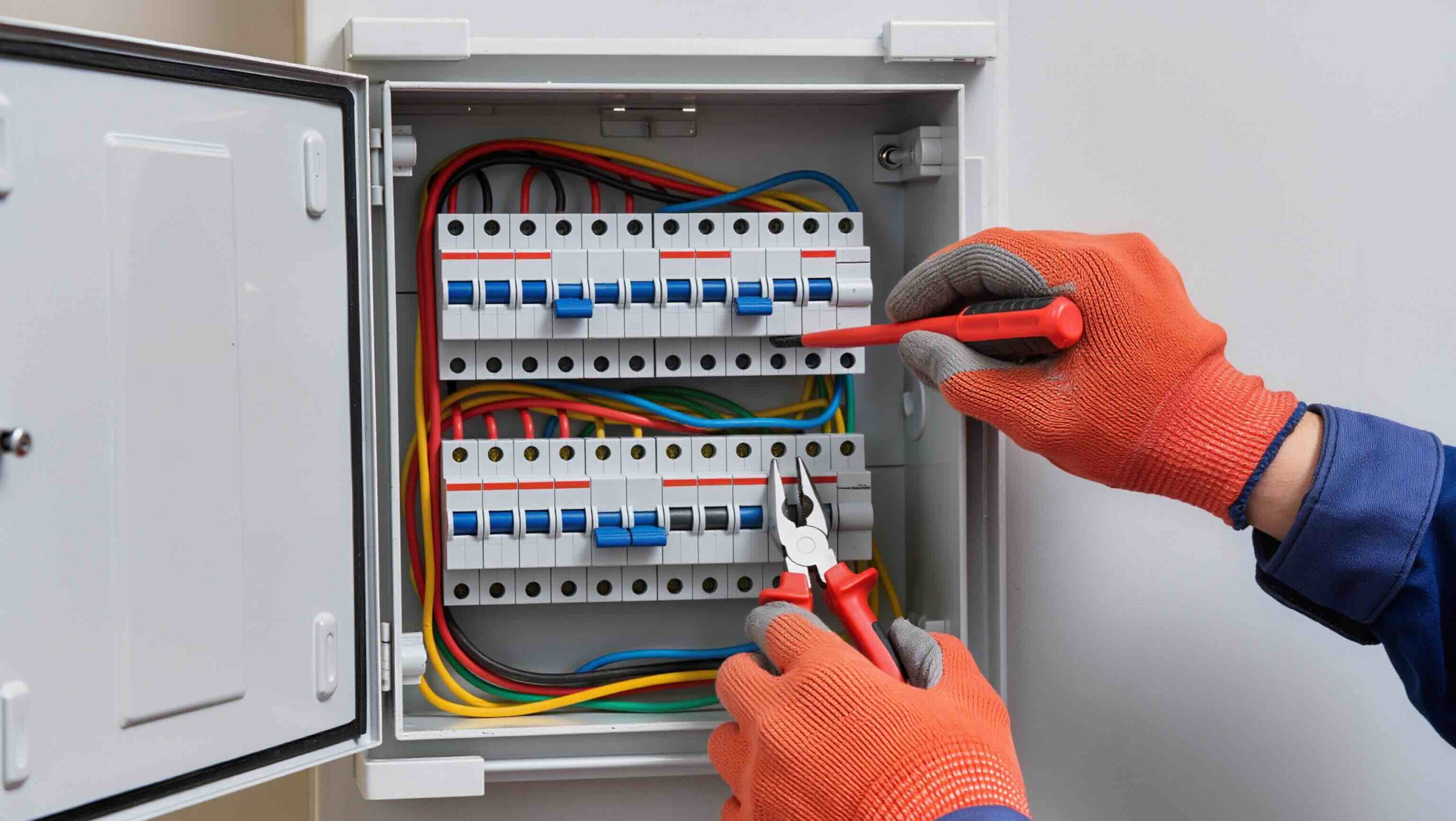
What Is a Circuit Breaker and Why Does It Matter in Your Home?
If you have ever had the lights suddenly cut out in one part of your house, you have already had a firsthand encounter with your circuit breaker doing exactly what it was designed to do. The circuit breaker is essentially the gatekeeper of your home’s electrical system. It monitors the flow of electricity through each circuit in your home and automatically interrupts that flow when something goes wrong. Think of it as a built-in safety mechanism that protects your wiring, your appliances, and ultimately your home from electrical fires and damage. Without it, a simple power surge or faulty appliance could cause a serious hazard in a matter of seconds.
How a Circuit Breaker Actually Works
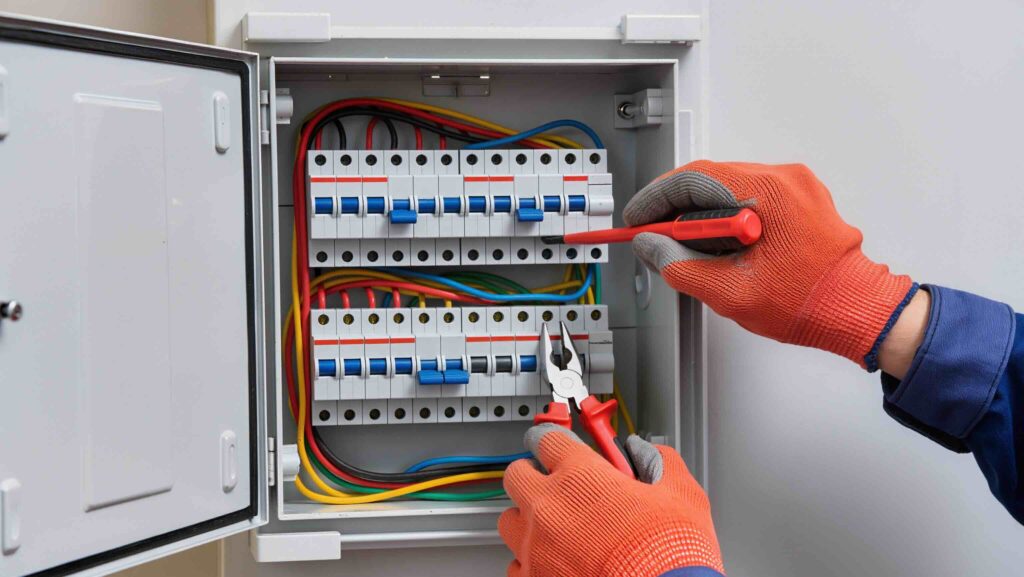
Here is where it gets interesting. Inside your electrical panel, each circuit breaker is connected to a specific circuit in your home. Some circuits power individual rooms, others are dedicated to high-demand appliances like your HVAC system, refrigerator, or washing machine. When the electrical current flowing through a circuit exceeds the safe threshold for that breaker, the internal mechanism trips and breaks the connection. This is not a random event. It is a precise, calibrated response. Most residential breakers are rated for either 15 or 20 amps for general use, while larger appliances often require 30, 40, or even 50-amp dedicated circuits. The breaker trips, you lose power to that circuit, and then the investigation begins.
Common Reasons Circuit Breakers Trip
Not every tripped breaker signals a major problem, but it is worth understanding what causes them in the first place. Knowing the difference between a routine overload and something more serious can save you time, money, and a lot of stress.
- Circuit overloads: Running too many high-wattage devices on a single circuit at once
- Short circuits: A hot wire coming into direct contact with a neutral wire, often caused by damaged wiring or a faulty appliance
- Ground faults: Similar to a short circuit, but the hot wire makes contact with a grounded component
- Arc faults: Electrical arcing between wires or connections, which can be invisible to the eye but extremely dangerous
- Aging equipment: Breakers that are old, worn, or have been tripped repeatedly over the years can become unreliable
Types of Circuit Breakers Found in Residential Homes
Not all breakers are created equal. Standard circuit breakers are the most common and handle typical overload and short circuit protection. Ground fault circuit interrupter breakers, often called GFCI breakers, are required in areas where water is present, such as bathrooms, kitchens, and garages. Arc fault circuit interrupter breakers, known as AFCI breakers, are designed to detect the kind of electrical arcing that standard breakers might miss. Many modern homes require these in bedrooms and living areas per updated electrical codes. Dual-function breakers combine both GFCI and AFCI protection in a single unit, which is increasingly common in newer construction and renovation projects.

Signs Your Circuit Breaker May Need Attention
A breaker that trips once after you plugged in a space heater and a hair dryer at the same time is probably just doing its job. A breaker that trips repeatedly under normal usage is telling you something different. Burning smells near your electrical panel, visible scorch marks, breakers that feel warm to the touch, or breakers that will not reset properly are all warning signs that should not be ignored. If your home still has fuse boxes rather than a modern breaker panel, that is another concern worth addressing with a licensed electrician. Older panels from brands that have been flagged for safety issues are also something homeowners should have inspected.
How Long Do Circuit Breakers Last?
Circuit breakers are built to last, but they are not invincible. Most manufacturers estimate a lifespan of around 30 to 40 years under normal operating conditions. However, breakers that have been tripped frequently, exposed to moisture, or subjected to significant electrical surges may degrade faster. A breaker that has reached end of life might not trip when it should, which ironically makes it more dangerous than a breaker that trips too often. Regular inspection of your electrical panel by a licensed electrician every few years is a reasonable precaution, especially in older homes.
Can You Reset a Circuit Breaker Yourself?
Resetting a tripped breaker is something most homeowners can handle on their own. You locate the breaker panel, usually in a utility room, basement, or garage, find the breaker that has moved to the middle or off position, push it fully to the off position first, and then flip it back to on. That is typically the extent of DIY involvement that is advisable. If the breaker trips again immediately or within a short period, do not keep resetting it. At that point, the problem is not the breaker itself but something in the circuit, and that requires professional diagnosis. Repeated manual resets on a malfunctioning circuit can create genuine fire risk.
The Cost of Circuit Breaker Repairs and Replacements
Replacing a single circuit breaker typically costs between $150 and $250 when you factor in parts and labor. A full panel replacement, which becomes necessary when the panel is outdated, undersized, or damaged, can range from $1,500 to $4,000 or more depending on the size of the home and local labor rates. AFCI and GFCI breakers cost more than standard ones due to their added functionality. These are not enormous numbers in isolation, but electrical issues have a way of compounding, and unexpected repair bills have a way of arriving at the worst possible time. Planning ahead matters.
Electrical Systems and Home Warranty Coverage
This is where a lot of homeowners get caught off guard. Many assume that homeowners insurance covers electrical repairs, but standard policies typically only address damage caused by covered events like fires or storms. The internal components of your electrical system, including the wiring, the breaker panel, and the circuit breakers themselves, usually fall outside that scope. That gap is exactly where a home warranty steps in. A quality home warranty plan that includes electrical system coverage can help offset the cost of circuit breaker repairs, panel issues, and related components when they fail due to normal wear and use.
Why Armadillo Is Worth Considering for Your Electrical Coverage Needs
When a circuit breaker fails or your electrical panel starts showing signs of trouble, the last thing you want is to scramble for a contractor while trying to calculate out-of-pocket costs. Armadillo was built with exactly that kind of homeowner stress in mind. As a trusted home warranty provider for electrical systems and major home components, Armadillo offers straightforward plans that take the guesswork out of home protection. The coverage is designed to be transparent, the service process is simple, and the focus is always on getting your home back to working order without the runaround. If you are ready to stop hoping your electrical system holds up and start protecting it proactively, you can get a personalized home warranty quote that includes circuit breaker and electrical system coverage in just a few minutes. It is a small step that can make a significant difference when something goes wrong.

Frequently Asked Questions About Circuit Breakers
Here are answers to some of the most common questions homeowners have about circuit breakers, electrical panels, and related coverage.
What does it mean when a circuit breaker keeps tripping?
A circuit breaker that trips repeatedly is detecting an ongoing problem, which could be a circuit overload, a short circuit, a ground fault, or a failing breaker. It should be evaluated by a licensed electrician rather than repeatedly reset.
Is a tripped circuit breaker dangerous?
The act of tripping is a safety function, not a danger in itself. However, the underlying cause of the trip can be dangerous if left unaddressed. Repeated tripping without diagnosis increases risk over time.
How do I know if my circuit breaker needs to be replaced?
Signs include breakers that trip under normal load, breakers that will not reset, physical damage or burning smells near the panel, or a panel that is more than 30 to 40 years old.
Does homeowners insurance cover circuit breaker replacement?
Standard homeowners insurance generally does not cover circuit breaker replacement due to wear and age. Coverage typically applies only when damage results from a covered peril like a fire or lightning strike.
What is the difference between a GFCI and an AFCI breaker?
GFCI breakers protect against ground faults and are required in wet areas like bathrooms and kitchens. AFCI breakers detect dangerous electrical arcing and are commonly required in bedrooms and living spaces under modern building codes.
Can I replace a circuit breaker myself?
Replacing a circuit breaker involves working inside an energized electrical panel, which carries significant risk of electrocution. This work should be performed by a licensed electrician in most cases.
How much does it cost to replace an entire electrical panel?
A full electrical panel replacement typically costs between $1,500 and $4,000 depending on the panel size, local labor rates, and whether any additional upgrades or code compliance work is required.
Does a home warranty cover circuit breakers?
Many home warranty plans that include electrical system coverage will cover circuit breaker failures caused by normal wear and use. Coverage specifics vary by provider, so reviewing the terms of any plan carefully is important.
How often should a circuit breaker panel be inspected?
A licensed electrician should inspect your electrical panel at least once every three to five years, or sooner if you notice warning signs like frequent tripping, flickering lights, or burning odors near the panel.
What are the signs of a failing electrical panel?
Warning signs include breakers that trip frequently, lights that flicker or dim unexpectedly, a burning smell near the panel, warm or discolored breaker switches, and a panel that is more than 25 to 30 years old without upgrades.