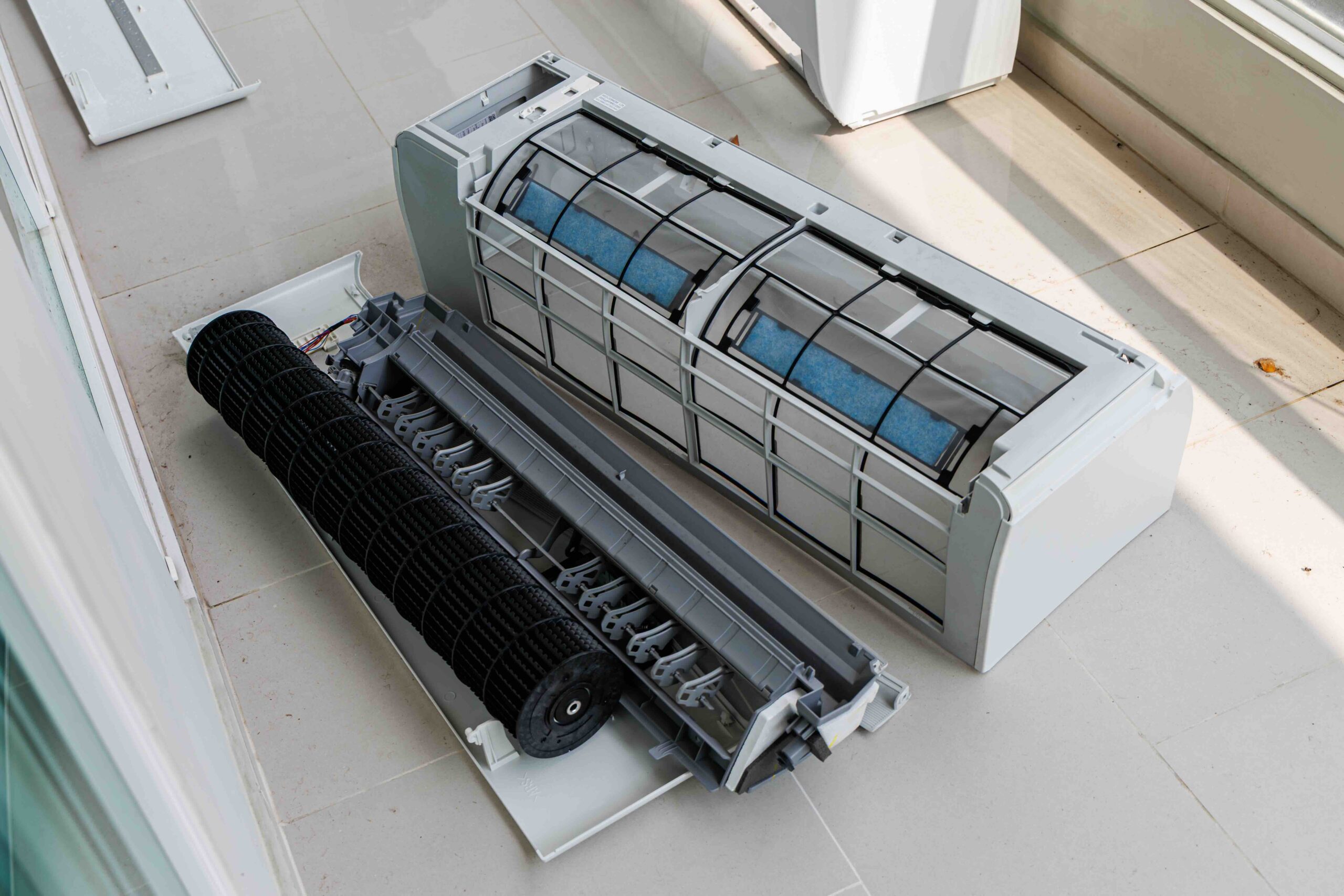
Why Mold in Your HVAC System Is a Bigger Deal Than You Think
Most homeowners think about mold in bathrooms or basements. Walls, grout lines, under the sink — the usual suspects. But your HVAC system? That one tends to fly under the radar until something feels off. And by the time you notice it, mold may have already been quietly circulating through every room in your house. Your HVAC system moves air constantly, which means if mold takes hold inside it, you are essentially running a distribution network for spores every time the system kicks on. That is not a great situation for anyone in the home, especially those with allergies or respiratory sensitivities.
What Makes HVAC Systems a Prime Target for Mold Growth
Mold needs three things to thrive: moisture, a food source, and warmth. Your HVAC system, unfortunately, checks all three boxes. The system pulls in air that carries humidity, organic particles, and dust — all of which can settle inside ducts, on evaporator coils, in drain pans, and around air handlers. When temperatures inside the system drop during cooling cycles, condensation forms. That moisture lingers. Combine it with the organic matter already present in the ductwork, and you have a genuinely ideal environment for mold colonization. It is not a design flaw so much as a reality of how the system operates, which is why regular inspection and maintenance matter so much.
Common Signs That Mold May Be Present in Your HVAC System
You do not always need to see mold to suspect it. In fact, visible mold growth is often the last thing that appears. There are several warning signs worth paying attention to before it gets to that point.
- A persistent musty or earthy smell when the system is running, particularly near vents
- Allergy symptoms that seem worse indoors than outside, especially during HVAC operation
- Unexplained headaches, fatigue, or irritated eyes in household members
- Visible dark spots or discoloration around air vents or registers
- Water stains or visible moisture near the air handler or ductwork
- Condensation on walls or ceilings near vents
None of these signs confirm mold on their own, but any combination of them is a signal worth investigating. Do not wait for certainty — act on suspicion and inspect the system thoroughly.
How to Check for Mold in Your HVAC System Step by Step
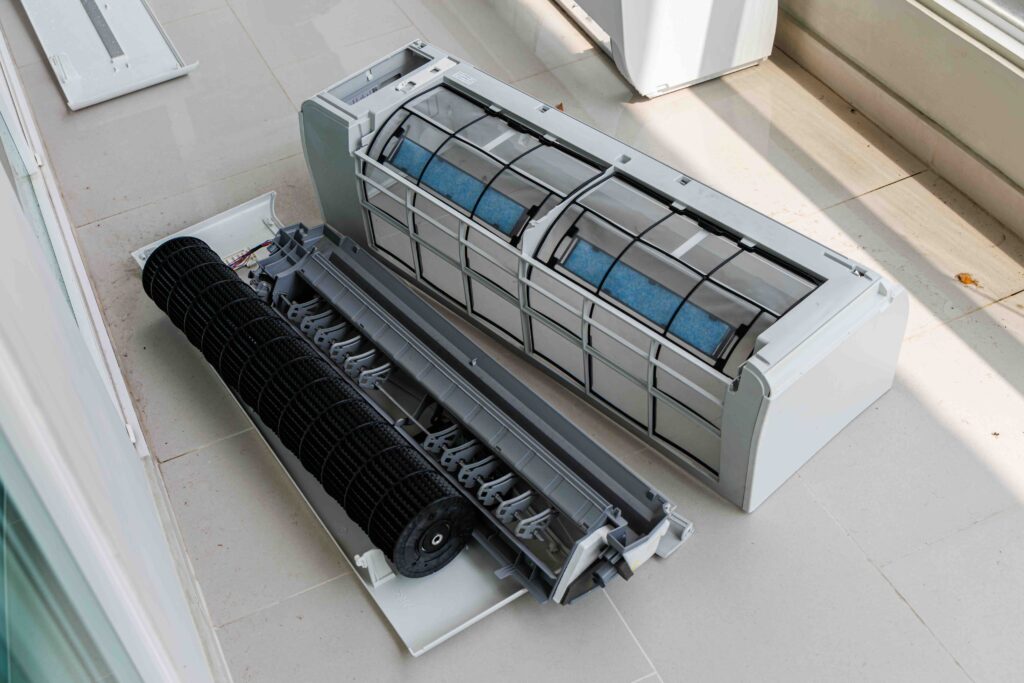
Checking for mold in an HVAC system is something a diligent homeowner can begin on their own, though some parts of the inspection are better handled by a professional. Start by turning off the system completely before doing any visual inspection. Remove vent covers and use a flashlight to look into the ductwork as far as you can. You are looking for dark spots, fuzzy growth, or any discoloration on the interior surfaces. Next, check the drip pan beneath the air handler — standing water here is a common mold catalyst and is often overlooked. Pull out the air filter and inspect it closely. A filter coated in thick, dark dust or showing signs of moisture is a red flag. If you can access the evaporator coil, look for any visible growth or sliminess on its surface. Finally, use your nose. A musty smell in any of these areas is often the most reliable early indicator available.
When to Call a Professional for HVAC Mold Inspection
There is a limit to what a visual inspection from the homeowner’s perspective can actually reveal. Ductwork extends into walls, attics, and crawlspaces where visibility is limited. If you suspect mold but cannot confirm it through a basic inspection, it is time to bring in a professional. HVAC technicians have tools like borescope cameras that allow them to inspect the interior of duct runs without tearing anything open. An indoor air quality specialist or certified mold inspector can also collect air samples and surface samples to test for mold species and concentration levels. The cost of professional inspection is modest compared to the cost of remediation if mold is allowed to spread unchecked.

How Mold in HVAC Systems Gets Treated and Removed
Once mold is confirmed, remediation needs to happen promptly. For minor surface mold on non-porous components like the drip pan or around vent covers, a mixture of water and detergent followed by an EPA-approved antimicrobial cleaner can handle the job. However, mold inside duct systems typically requires professional duct cleaning and treatment. This involves sealing off sections of the duct, using high-powered vacuums to extract debris and spores, and applying an antimicrobial coating to the interior surfaces. In severe cases, sections of ductwork may need to be replaced entirely. Trying to simply mask the problem with sprays or deodorizers will not work — it has to be physically removed and treated at the source.
Preventing Mold From Returning to Your HVAC System
Treatment without prevention is a temporary fix. Once you have addressed a mold issue, the focus should shift to making the system an inhospitable environment for future growth. Change air filters regularly — every one to three months depending on your household’s air quality needs. Keep drain pans clean and ensure they drain properly after each cooling cycle. Schedule annual HVAC tune-ups where a technician can inspect coils, check refrigerant levels, and confirm that the system is not retaining excess moisture. Consider installing a whole-home dehumidifier if your home tends toward high indoor humidity levels. UV light air purifiers mounted near the evaporator coil are also an effective long-term solution, as UV-C light kills mold spores before they have a chance to colonize surfaces.
The Hidden Connection Between HVAC Maintenance and Home Warranty Coverage
Here is something many homeowners do not realize until it is too late: most home warranty providers require documented maintenance as a condition of coverage. If your HVAC system fails and an inspection reveals it was poorly maintained — or that a preventable issue like unchecked mold growth contributed to the breakdown — your claim could be denied. That is a painful outcome after paying for coverage. This does not mean a home warranty is not worth it. It absolutely is. But it means the warranty works best when paired with good maintenance habits. Think of it as a partnership: you maintain the system, and the warranty protects you when something fails despite your best efforts.
Why Armadillo Is the Smart Choice for HVAC Protection and Peace of Mind
Your HVAC system is one of the most expensive and most used systems in your entire home. When something goes wrong — whether from regular wear and tear, a failing component, or an issue compounded by something like moisture damage — repair and replacement costs can hit hard and fast. That is exactly where a home warranty earns its value. Armadillo home warranty plans built for HVAC system protection are designed with real homeowners in mind, offering straightforward coverage that does not bury you in exclusion clauses or confusing fine print. When your system needs attention and you want to know a trusted plan has your back, get a free HVAC home warranty quote from Armadillo today and see what protection looks like when it actually makes sense for your home.

Frequently Asked Questions About Mold in HVAC Systems
Below are answers to the most common questions homeowners have about detecting, treating, and preventing mold in their HVAC systems.
How do I know if my HVAC system has mold?
The most reliable indicators are a musty smell when the system runs, visible dark spots near vents or inside the air handler, and allergy or respiratory symptoms that worsen indoors. A professional inspection can confirm presence through testing.
Can mold in HVAC systems make you sick?
Yes. Mold spores distributed through ductwork can trigger allergic reactions, asthma flare-ups, respiratory irritation, headaches, and fatigue. Prolonged exposure to certain mold species can lead to more serious health issues.
How much does it cost to remove mold from an HVAC system?
Professional HVAC mold remediation typically ranges from $500 to $3,000 or more, depending on the extent of the contamination and whether ductwork needs to be replaced. Minor surface treatments on accessible components cost considerably less.
Can I clean mold from my HVAC system myself?
Minor mold on accessible, non-porous surfaces like drip pans or vent covers can be cleaned using EPA-approved antimicrobial products. However, mold inside ductwork or on evaporator coils should be handled by a licensed professional to ensure complete removal.
What causes mold to grow in HVAC ducts?
Mold grows in ducts when moisture accumulates alongside organic debris like dust and pollen. This commonly results from poor drainage, high indoor humidity, refrigerant issues causing excess condensation, or an oversized AC unit that does not run long enough to dehumidify properly.
How often should I have my HVAC system inspected for mold?
A professional HVAC inspection at least once per year is recommended for most homes. Homes in humid climates or those with a history of moisture problems should consider semi-annual inspections to catch issues earlier.
Does a home warranty cover mold damage to an HVAC system?
Standard home warranty plans typically cover mechanical failures due to normal wear and tear, but they generally do not cover mold remediation itself. However, if mold contributes to a covered component failing, coverage eligibility depends on the specific plan terms and documented maintenance history.
Can UV lights in an HVAC system prevent mold?
Yes. UV-C light systems installed near the evaporator coil are proven to inhibit mold and bacterial growth by disrupting the cellular structure of microorganisms. They are a worthwhile preventive investment, particularly in high-humidity environments.
What type of mold is most commonly found in HVAC systems?
The most commonly found mold types in HVAC systems include Cladosporium, Penicillium, Aspergillus, and in more severe cases, Stachybotrys chartarum, which is often referred to as black mold. A lab test of collected samples can identify the specific species present.
Will replacing my air filter prevent mold in my HVAC system?
Regular filter changes reduce the amount of dust and organic particles that settle in the system, which limits one of mold’s primary food sources. While it does not eliminate mold risk entirely, it is one of the simplest and most effective preventive steps a homeowner can take.