What Is a Whole Home Propane Generator and Why Are Homeowners Talking About It?
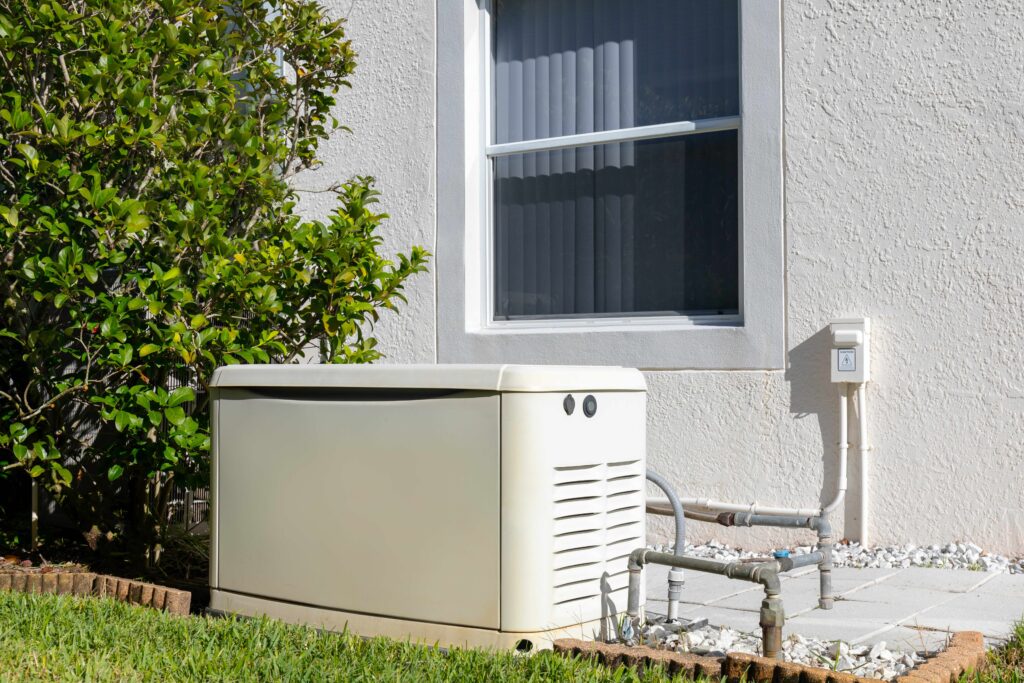
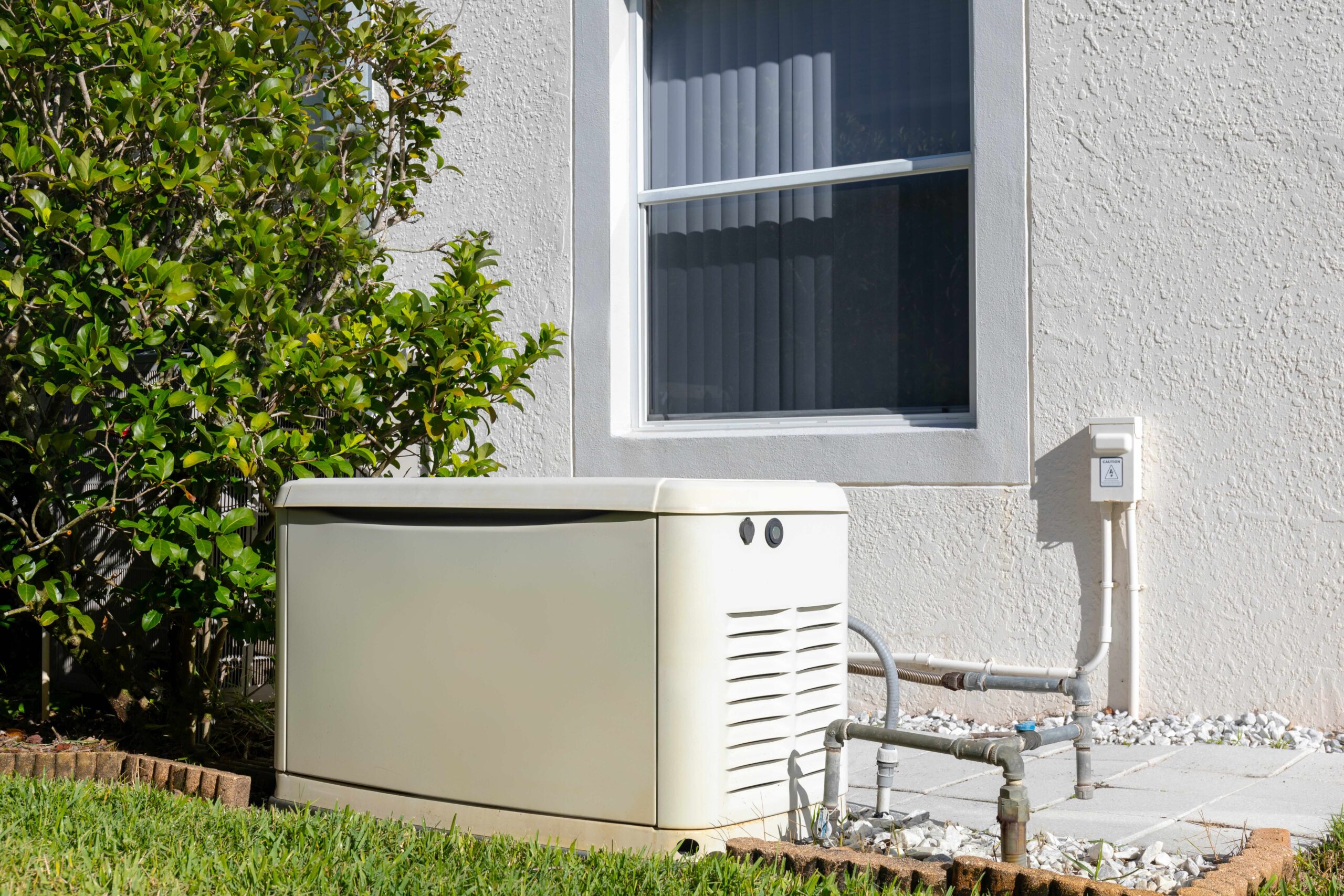
Power outages happen. Sometimes they last a few hours. Sometimes they drag on for days, especially after a serious storm or infrastructure failure. That is the moment most homeowners start wishing they had planned ahead. A whole home propane generator is one of the more reliable solutions available right now, and it is worth understanding before you find yourself in the dark. Unlike portable generators that you drag out of the garage and manually fire up, a whole home propane generator is permanently installed outside your house and kicks on automatically when the grid goes down. It runs on propane stored in an on-site tank, which means no scrambling for gasoline and no extension cords running through your kitchen window.
How a Whole Home Propane Generator Actually Works
The system is more straightforward than it might sound. A standby propane generator is connected directly to your home’s electrical panel through a transfer switch. That transfer switch is the key component here. It monitors your utility power constantly, and the moment it detects an outage, it signals the generator to start. Within seconds, your home has power again. The generator pulls propane from a storage tank that is typically buried underground or installed above ground near the home. The size of that tank determines how long you can run the generator without a refill. Most whole home units are sized by kilowatt output, ranging anywhere from around 10 kW for smaller homes up to 20 kW or more for larger properties with higher energy demands. The system runs quietly in the background, and honestly, you might barely notice the transition.
Propane vs. Natural Gas vs. Gasoline: What Makes Propane Stand Out
Fuel choice matters more than most people realize when selecting a standby generator. Natural gas is convenient if you have a municipal line, but not every home does. Gasoline is widely available but degrades over time in storage and requires you to keep a stockpile on hand. Propane sits in a solid middle ground. It stores cleanly for long periods without degrading, which means your generator is ready even if it has been sitting idle for months. Propane also burns cleaner than gasoline, which is better for the generator’s engine over time. The one trade-off is that you need adequate tank storage and a supplier who can schedule regular refills. That is a manageable logistical step, not a dealbreaker, but it is worth factoring into your planning before you commit.

The Real Advantages of Installing a Propane Standby Generator
There are some genuinely compelling reasons homeowners are investing in these systems, and it goes beyond just keeping the lights on. Here is what tends to tip the scale for most people:
- Automatic operation means zero manual effort during an outage, which is critical for households with medical equipment, elderly residents, or young children
- Propane fuel does not expire or clog the engine the way stored gasoline can after several months
- Whole home coverage protects your HVAC system, refrigerator, sump pump, security system, and other appliances simultaneously
- Property value can increase when a permanent standby generator is installed, which is a real consideration in storm-prone regions
- Many insurance companies view standby generators favorably, particularly in areas prone to prolonged outages
The automation piece is particularly underappreciated. When a major storm hits at two in the morning, you are not going outside to pull a cord on a portable generator. Your standby unit handles that entirely on its own.
Common Drawbacks Worth Knowing Before You Buy
No home improvement decision is without its trade-offs, and propane generators are no exception. Installation costs are the first thing most homeowners encounter. A professionally installed whole home propane generator system, including the transfer switch, permits, and propane tank setup, can range from roughly five thousand dollars on the low end to well over fifteen thousand dollars depending on generator size and local labor costs. That is a significant upfront investment. Ongoing propane costs also add up, particularly if you are running the generator frequently. Routine maintenance is non-negotiable as well. These systems need annual servicing to stay in reliable working condition, including oil changes, filter replacements, and battery checks. Skipping maintenance is how a generator that looked perfectly fine on a Tuesday fails to start during Wednesday’s ice storm.
What Size Propane Generator Does Your Home Actually Need?
Sizing is one of those steps where homeowners sometimes cut corners, and it creates problems down the line. A generator that is too small cannot carry the full electrical load of your home, meaning you will have to make choices about what gets power and what does not. A generator that is oversized costs more upfront and burns more fuel than necessary. The right approach is to calculate the total wattage of the appliances and systems you need to run simultaneously during an outage. Your HVAC system alone can draw several thousand watts. Add your refrigerator, water heater, lighting, and a few electronics, and you start to get a clearer picture of your real demand. A licensed electrician or generator installer can perform a proper load calculation for your specific home, and that conversation is well worth having before you purchase anything.
Installation Basics: What to Expect During the Process
Installation of a whole home propane generator is not a DIY project, and it should not be treated as one. The process involves pulling permits, coordinating with a licensed electrician for the transfer switch installation, arranging propane tank placement with your fuel supplier, and scheduling inspections depending on your local municipality. From start to finish, a typical installation takes anywhere from one to several days depending on site conditions and how quickly permits are issued in your area. You will want the generator placed according to local codes, which typically require a certain clearance from windows, doors, and gas meters. Your installer should handle all of this, but it is helpful to understand the general process so you are not caught off guard by the timeline or the coordination involved.
Maintenance Tips to Keep Your Generator Ready When It Matters Most
A propane standby generator is only as good as the maintenance behind it. Most manufacturers recommend a professional service visit at least once per year, and many systems include an automatic self-test feature that runs the generator briefly each week to keep it conditioned. Beyond the annual professional checkup, there are a few things homeowners can monitor themselves:
- Check propane tank levels regularly and coordinate refills before levels drop too low, especially heading into storm season
- Keep the area around the generator clear of debris, vegetation, and obstructions that could restrict airflow
- Listen during the weekly self-test cycle for any unusual sounds or failure alerts from the control panel
- Review the generator’s service log and stay consistent with scheduled oil and filter changes
Catching a small issue during routine maintenance is infinitely better than discovering it mid-outage.
Why Armadillo Home Warranty Coverage Makes Sense Alongside Your Propane Generator
Installing a whole home propane generator is a smart, protective move for your household. But generators are mechanical systems, and mechanical systems eventually need repairs. Components like voltage regulators, transfer switches, and cooling systems can fail over time, and those repairs are not inexpensive. That is exactly why pairing your generator investment with a solid home warranty plan is a practical step, not just an upsell. Armadillo home warranty coverage for whole home systems and appliances is built around protecting the things homeowners actually depend on every day. When unexpected repair costs hit, you want a plan that is straightforward, responsive, and backed by real expertise. If you have invested in a propane standby generator to protect your home during outages, protecting that system itself is the natural next step. Get a free home warranty quote for standby generator protection and see what kind of coverage makes sense for your specific home setup. The peace of mind that comes from knowing your systems are covered on both ends of an outage is genuinely hard to put a price on.

Frequently Asked Questions About Whole Home Propane Generators
Here are answers to the questions homeowners ask most often when researching propane standby generators for their homes.
How long can a whole home propane generator run during an outage?
Runtime depends entirely on your propane tank size and how much power you are drawing. A 500-gallon propane tank can typically run a whole home generator for several days under normal load conditions. Larger tanks extend that capacity significantly.
Does a propane generator require a dedicated propane tank?
Yes. Your generator will need its own propane supply, which is either an above-ground or underground tank installed on your property. Some homeowners with existing propane service for other appliances can connect to an existing tank if capacity allows, but this requires professional evaluation.
How much does it cost to run a whole home propane generator?
Propane consumption varies by generator size and load, but a rough estimate is one to two gallons of propane per hour under moderate use. With propane prices fluctuating based on your region and season, daily operating costs during an extended outage can range from twenty to sixty dollars or more.
Are whole home propane generators loud?
Modern standby generators are significantly quieter than portable units. Most operate in the range of 60 to 70 decibels at a distance of 23 feet, which is roughly comparable to a normal conversation or an air conditioning unit running outside.
Does a propane generator add value to my home?
In many cases, yes. A professionally installed standby generator is considered a permanent improvement and can increase home value, particularly in regions where power outages are frequent. It may also be a selling point for buyers who prioritize home resilience.
Can a home warranty cover a whole home propane generator?
Some home warranty providers do offer coverage for standby generators, though terms and inclusions vary by plan. It is worth reviewing the specific coverage details and asking providers directly about generator-related repair and component coverage before purchasing a plan.
How often does a propane standby generator need to be serviced?
Most manufacturers recommend annual professional maintenance, which includes oil and filter changes, spark plug inspection, battery testing, and a thorough system check. Generators with automatic weekly exercise cycles also benefit from this regular conditioning.
What is a transfer switch and why does it matter?
A transfer switch is the component that automatically disconnects your home from the utility grid and connects it to the generator during an outage. It is a critical safety device that prevents back-feeding electricity into utility lines, which can be dangerous for utility workers. Installation must be performed by a licensed electrician.
How long does it take for a standby generator to turn on during a power outage?
Most automatic standby generators respond within 10 to 30 seconds of detecting a power loss. The transfer switch detects the outage, signals the generator to start, and completes the transition to generator power in that brief window.
What permits are typically required to install a whole home propane generator?
Requirements vary by municipality, but most installations require an electrical permit for the transfer switch and potentially a gas or mechanical permit for the propane system. Your installation contractor should handle permit applications as part of the project, and inspections are typically required before the system is approved for use.