What Is a Circuit Breaker Overload and Why Should Homeowners Care?
Most homeowners have been there. You plug in a space heater, flip on the microwave, and suddenly the lights go out in half the house. That moment of confusion is almost always the result of a circuit breaker doing exactly what it was designed to do: protect your home from an overload. But understanding why it happens, and what to do about it, is something a lot of people never quite get around to learning. That gap in knowledge can become a real problem over time, especially when an electrical issue turns into something costly or even dangerous.
Understanding How a Circuit Breaker Actually Works
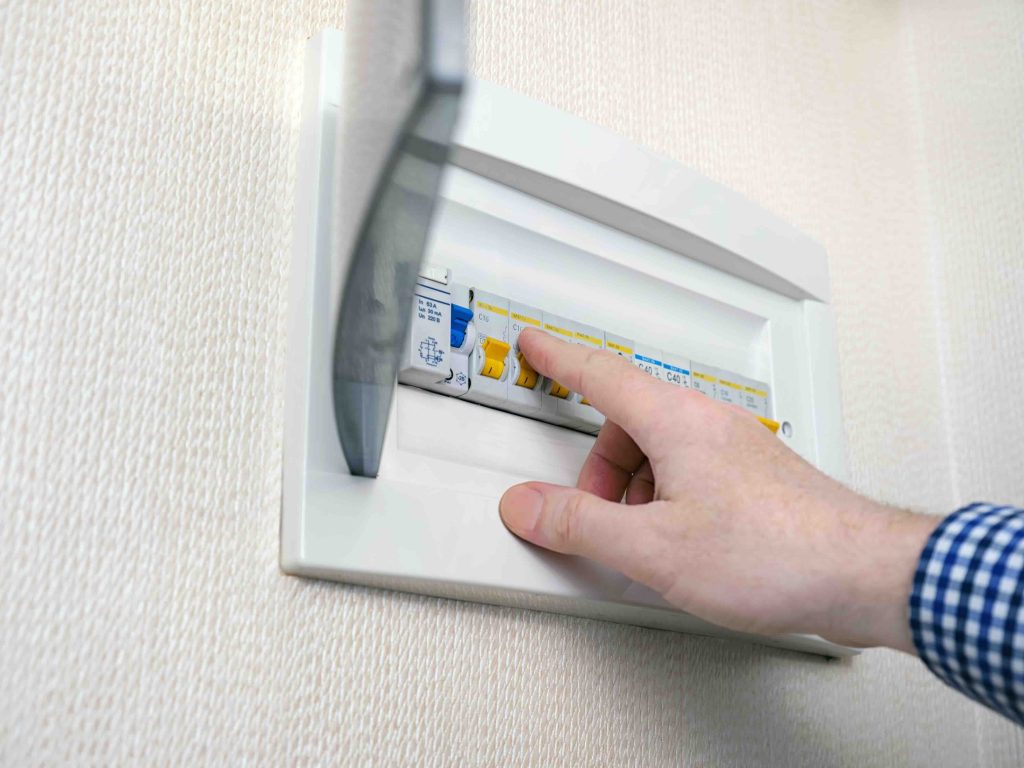
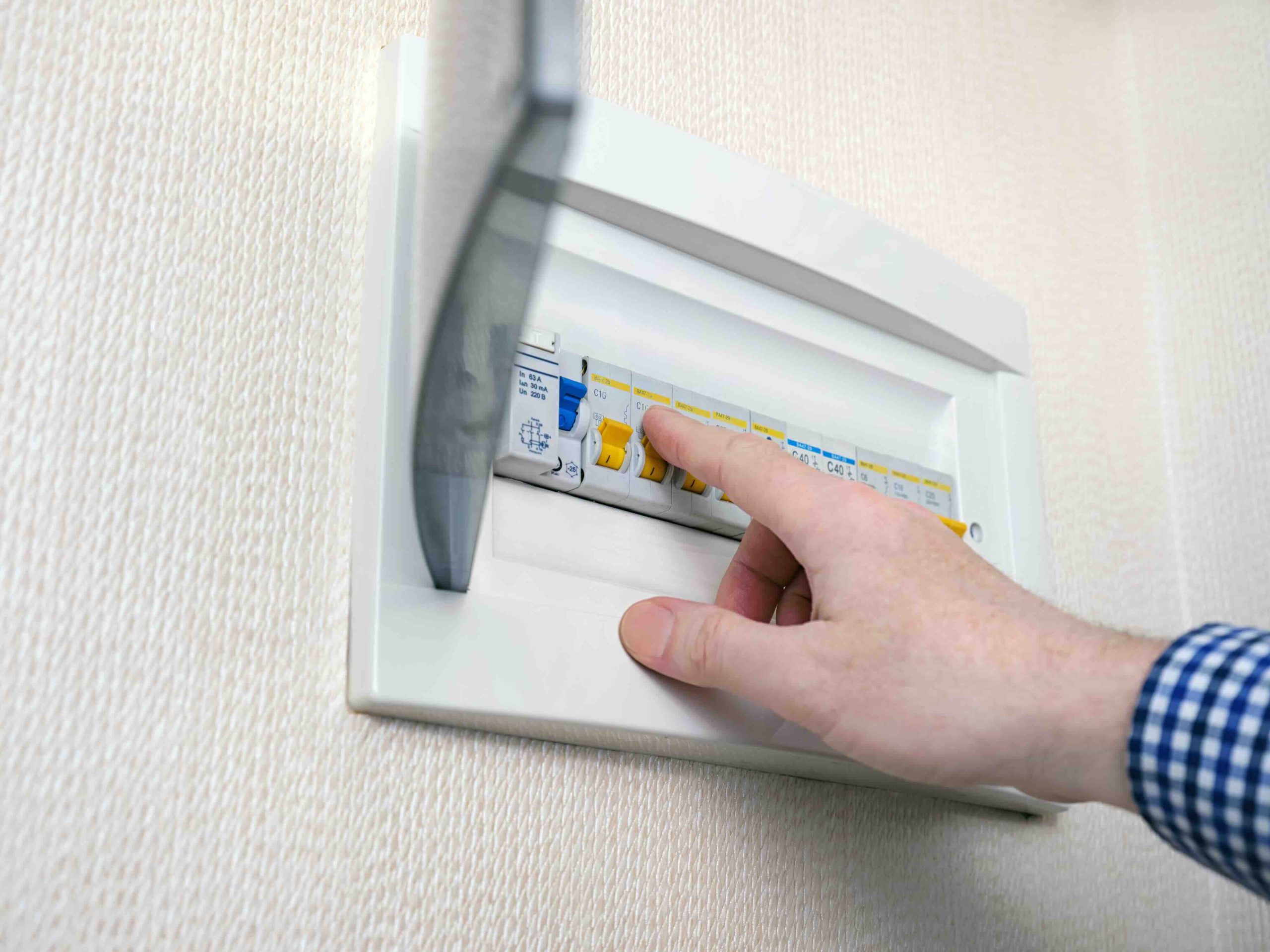
A circuit breaker is a safety device built into your home’s electrical panel, sometimes called the breaker box or load center. Its job is to monitor the flow of electricity through each circuit in your home and cut the power automatically if that flow exceeds a safe level. Think of it as a bouncer at the door of your electrical system. When too many guests show up at once, the door closes. Each breaker is rated for a specific amperage, typically 15 or 20 amps for standard household circuits, and when the current drawn by connected devices exceeds that rating, the breaker trips. The switch moves to the middle or off position and interrupts the circuit before anything can overheat or catch fire.
What Causes a Circuit Breaker to Overload?
An overload occurs when the total electrical demand placed on a single circuit exceeds its safe capacity. This is almost always caused by running too many high-wattage appliances on the same circuit at the same time. Common culprits in most homes include space heaters, hair dryers, window air conditioning units, and kitchen appliances like toasters and coffee makers. Older homes are especially vulnerable because their wiring was designed for far less electrical demand than modern households generate. A circuit that was perfectly adequate in the 1970s can struggle under the weight of today’s devices. It is worth noting that overloads are different from short circuits, which involve a direct contact between wires, and ground faults, which involve current traveling outside its intended path. All three can trip a breaker, but the causes and solutions are distinct.
Signs Your Circuit Breaker Might Be Overloaded
Some warning signs are obvious, and others are easy to dismiss until they become a recurring pattern. If you notice any of the following in your home, it may be time to take a closer look at your electrical load and the condition of your breaker panel.
- Breakers that trip frequently, especially in the same area of the home
- Flickering or dimming lights when appliances turn on
- A burning smell near outlets or the electrical panel
- Outlets or switch plates that feel warm to the touch
- Buzzing or crackling sounds from the breaker box
- Breakers that feel hot when you reset them
If any of these signs sound familiar, do not ignore them. These are not minor inconveniences. They are signals that your electrical system is under stress and may need professional attention soon.
The Advantages of a Properly Functioning Circuit Breaker System
When your breaker panel is in good shape and functioning correctly, it provides enormous value to your home and your peace of mind. A properly working circuit breaker system protects your home from electrical fires, which remain one of the most common causes of house fires in the United States. It also protects your appliances and electronics from damage caused by power surges or irregular current. Modern breaker panels with arc-fault circuit interrupters, known as AFCIs, add an additional layer of protection by detecting dangerous arcing before it causes a fire. Ground-fault circuit interrupters, or GFCIs, which are typically installed in kitchens and bathrooms, protect against shock in areas where water is present. Taken together, these components form a safety net that keeps your household and your investment protected.
Common Drawbacks and Limitations to Keep in Mind
Even a well-maintained electrical panel has its limits. One of the most common issues homeowners encounter is an outdated breaker panel that simply was not built to handle modern electrical loads. Panels rated for 100 amps were standard for decades but often fall short in today’s homes, where electric vehicles, smart home systems, and energy-intensive appliances all compete for capacity. Additionally, breakers can wear out over time. A breaker that trips too easily may no longer be doing its job accurately, while a breaker that has stopped tripping altogether can allow dangerous overloads to go unchecked. Some older homes still have fuse boxes instead of circuit breakers, which are far less convenient and can be outright hazardous if the wrong fuse type is used as a replacement. These systems require upgrading, not workarounds.
How to Safely Reset a Tripped Breaker
Resetting a tripped breaker is straightforward, but doing it correctly matters. First, locate your electrical panel, usually found in a utility room, hallway, garage, or basement. Open the panel door and look for the breaker that has moved to a middle or off position. Before resetting it, unplug or turn off the devices on that circuit to reduce the load. Then firmly push the breaker switch all the way to the off position before switching it back to on. If it immediately trips again, that is a sign of a deeper issue and you should stop and call a licensed electrician. Never repeatedly reset a breaker that keeps tripping. That pattern indicates either a persistent overload, a short circuit, or a failing breaker, none of which should be ignored.
Practical Tips for Reducing Circuit Overloads at Home
There are several habits and adjustments that can meaningfully reduce the risk of overloading your circuits on a regular basis.
- Spread high-wattage appliances across different circuits rather than clustering them in one area
- Avoid using extension cords as a permanent solution for additional outlets
- Invest in a whole-home surge protector to reduce voltage spikes that stress breakers
- Have a licensed electrician evaluate your panel if your home is more than 25 years old
- Consider upgrading to a 200-amp panel if you are adding major appliances or an EV charger
- Label your breaker panel clearly so you can identify circuits quickly in an emergency
When an Overload Points to a Bigger Electrical Problem
Occasional tripping is normal. Frequent tripping is a red flag. If your breakers are tripping regularly without an obvious overload reason, the problem might be with the wiring itself, a failing breaker, or an outdated panel that can no longer safely support your home’s electrical demands. This is where things get expensive in a hurry. Rewiring a home or replacing an electrical panel can cost several thousand dollars, sometimes more depending on the size and age of the home. Electrical work is not the place for DIY experimentation. Licensed electricians are trained to assess these issues safely, and getting a professional evaluation sooner rather than later is almost always the more financially sensible choice.
Why Armadillo Is the Right Partner When Electrical Problems Hit Home
Circuit breaker overloads are one of those issues that remind you just how much of your home’s value depends on systems that are quietly working in the background. When one of those systems fails or needs repairs, the costs can land without warning and without mercy. That is exactly the kind of situation a home warranty is built for. Armadillo home warranty plans for electrical system protection are designed to cover the kinds of breakdowns that homeowners encounter in the real world, not just the scenarios that sound good in fine print. Armadillo operates with transparency, clear coverage terms, and a straightforward claims process that does not make you feel like you need a law degree to get help. If you have been putting off the question of what happens when an unexpected repair shows up on your doorstep, now is a good time to act on it. You can get a free home warranty quote for electrical and home systems coverage in just a few minutes and see exactly what protection looks like for your specific home. Peace of mind is not an add-on. It is the whole point.

Frequently Asked Questions About Circuit Breaker Overloads
Here are answers to some of the most common questions homeowners have about circuit breaker overloads, electrical panels, and home protection options.
What is the difference between a circuit breaker overload and a short circuit?
An overload happens when too many devices draw more current than the circuit can safely handle, causing the breaker to trip. A short circuit occurs when a hot wire contacts a neutral or ground wire, creating a sudden surge of current that also trips the breaker. Both are serious but have different causes and require different solutions.
Is it dangerous to reset a tripped breaker multiple times?
Yes, repeatedly resetting a breaker that keeps tripping can be dangerous. It suggests an underlying issue such as a wiring fault, a failing breaker, or a persistent overload that has not been resolved. A licensed electrician should evaluate the situation before you attempt further resets.
How do I know if my electrical panel needs to be replaced?
Signs that your panel may need replacement include frequent tripping, a panel rated below 150 amps in a modern home, visible corrosion or burn marks inside the panel, or a panel manufactured by brands known for safety issues such as Federal Pacific or Zinsco. An electrician can perform a full assessment.
Can a circuit breaker just stop working without tripping?
Yes. Breakers can wear out over time and lose their ability to trip properly, which is actually more dangerous than one that trips too easily. A breaker that fails to trip during an overload allows excess current to continue flowing, which creates a serious fire hazard.
What is a GFCI breaker and how is it different from a standard breaker?
A GFCI, or ground-fault circuit interrupter, detects imbalances in electrical current that may indicate current is flowing through an unintended path, such as through a person. It trips much faster than a standard breaker and is required by code in areas where water is present, like kitchens, bathrooms, and garages.
Does a home warranty cover circuit breaker repairs or replacements?
Many home warranty plans do cover electrical system components including circuit breakers, wiring, and panels, depending on the specific plan terms. It is important to review what is and is not included in your coverage to understand what breakdowns qualify for a claim.
How many appliances can safely run on one circuit?
That depends on the amperage of the circuit and the wattage of each appliance. A standard 15-amp circuit at 120 volts can handle up to 1,800 watts safely, though best practice is to stay below 80 percent of that capacity. High-draw appliances like space heaters should ideally each have a dedicated circuit.
Why does my breaker trip only at certain times of day?
If your breaker trips at predictable times, it is likely because that is when the most devices are in use simultaneously on that circuit. Morning routines in bathrooms or meal preparation in kitchens are common triggers. Redistributing device usage across circuits or adding a dedicated circuit can resolve this pattern.
Can an overloaded circuit cause a fire even if the breaker does not trip?
Yes, and this is one of the more serious electrical hazards homeowners face. If the breaker is faulty or rated incorrectly, it may fail to trip during an overload, allowing wiring to overheat inside walls where it cannot be seen. This is a leading cause of residential electrical fires and reinforces why panel maintenance matters.
How often should a home’s electrical panel be inspected?
Most electricians recommend having your electrical panel professionally inspected every three to five years, or immediately if you notice any warning signs like frequent tripping, burning smells, or visible damage. Older homes with panels more than 25 years old benefit from more frequent evaluation.