What Is a Range Light Bulb and Why Does It Matter in Your Kitchen?
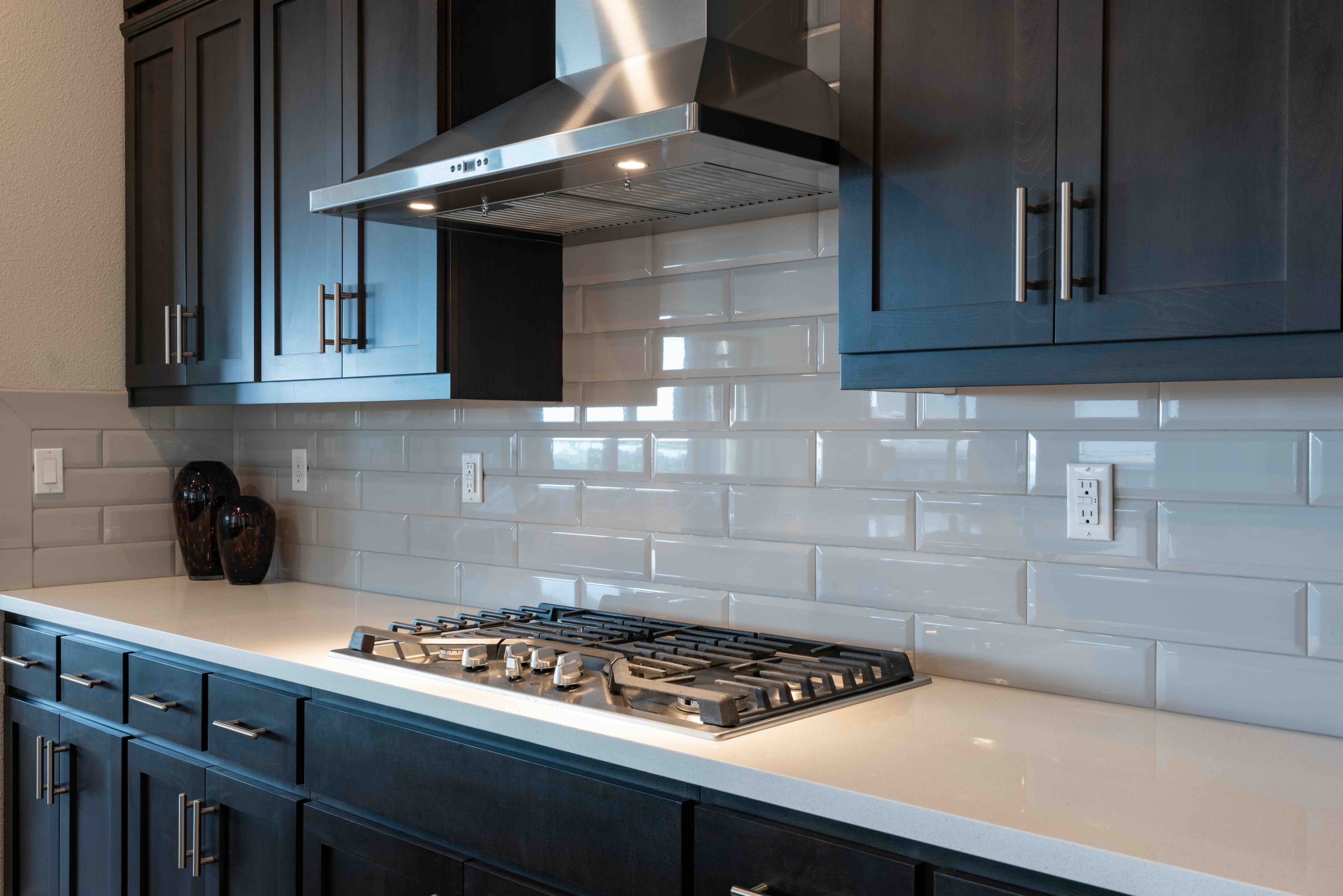
If you have ever leaned over your stovetop to squint at a simmering pot in dim light, you already understand why the range light bulb exists. This small but surprisingly important component lives inside your oven or beneath your range hood, and its whole job is to illuminate your cooking surface so you can actually see what you are doing. It sounds simple, and honestly, it is. But there is more to it than screwing in any old bulb and calling it a day. The type of bulb, its heat resistance, its wattage, and how it interacts with your specific appliance all matter more than most homeowners realize.
How a Range Light Bulb Works Inside Your Appliance
Range light bulbs are engineered to handle environments that would destroy a standard household bulb within minutes. Inside an oven cavity, temperatures can exceed 500 degrees Fahrenheit during self-cleaning cycles. The bulbs designed for this purpose are typically made with heat-resistant glass and are sealed tightly to protect against moisture, grease vapor, and the constant temperature swings that happen every time you preheat or cool down your oven. Most oven bulbs operate at 40 watts and use an appliance-grade incandescent design, though some newer ranges use halogen or LED alternatives. Range hood bulbs, by contrast, deal more with grease exposure and vibration from the fan motor than with extreme heat, so their construction priorities are slightly different.
The Two Main Types of Range Light Bulbs
Understanding which kind of bulb your range uses is the first practical step toward maintaining it properly. There are two primary categories worth knowing.
- Oven interior bulbs: These are the appliance-rated incandescent or halogen bulbs mounted inside the oven cavity. They must withstand high heat and are usually rated up to 300 degrees Celsius. Replacing them with a non-rated bulb is a genuine safety risk.
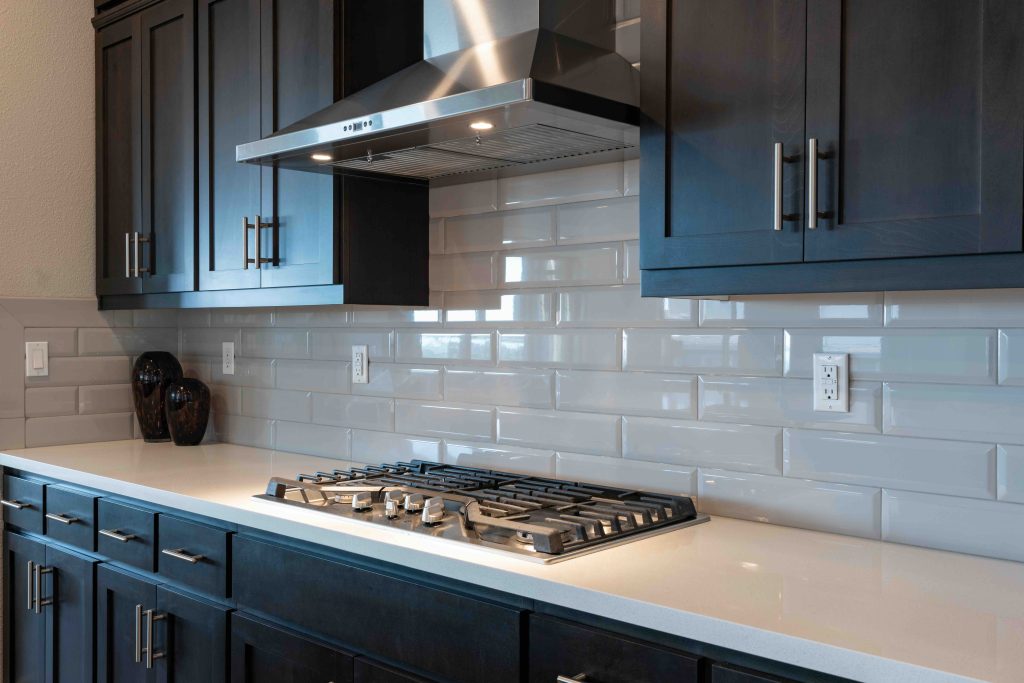
- Range hood bulbs: These sit beneath the ventilation hood above your cooktop. They prioritize brightness and grease resistance over heat tolerance. Many hoods now accept LED bulbs, which last longer and run cooler.
Knowing which type you have before you head to the hardware store saves you from returning home with the wrong bulb entirely, which, yes, happens more than it should.
Key Advantages of a Properly Functioning Range Light
It is easy to overlook how much a functioning range light contributes to your daily cooking experience. Good lighting over and inside your cooking surface is not just a convenience feature. It is a safety feature. When you can clearly see the color of a sear on your steak, the bubbling of a sauce, or the browning of a casserole through the oven window, you make better cooking decisions. You are also less likely to open the oven door repeatedly, which affects cooking temperature and efficiency. For range hoods specifically, proper illumination means you can monitor your cooktop without repositioning yourself under overhead lighting. It is a small thing that adds up over hundreds of cooking sessions.
Common Problems Homeowners Run Into
Range light bulbs fail, and when they do, the issues range from mildly annoying to genuinely confusing. The most common problem is simply burnout from normal use, but there are a few other culprits that homeowners encounter regularly.
- Using the wrong bulb type, such as a standard A19 bulb in an oven socket, which can shatter due to heat exposure
- Grease buildup on the bulb cover reducing brightness over time without the bulb actually failing
- A faulty bulb socket or wiring connection that causes flickering or no illumination even with a new bulb installed
- LED compatibility issues in older range hoods that were wired specifically for incandescent loads
If you replace the bulb and the light still does not work, the issue has likely moved beyond the bulb itself and into the appliance’s electrical components. That is when it is time to call a professional.
How to Replace a Range Light Bulb Safely
Replacing a range light bulb is a task most homeowners can handle themselves, provided they follow a few non-negotiable steps. First, turn off power to the appliance. For an oven bulb, unplug the range or switch off the breaker. Let the oven cool completely if it has been in use. Locate the bulb cover, which is usually a glass dome secured by a small metal ring or held in place by a quarter-turn twist. Remove the cover carefully, unscrew the old bulb, and insert the replacement. Always use the wattage and bulb type specified in your appliance manual. If you cannot find your manual, the model number on the appliance door frame or back panel will point you to the right specifications online. Reassemble, restore power, and test.
Choosing the Right Replacement Bulb
The appliance market has expanded considerably when it comes to range bulb options, and not all replacements are created equal. For oven interiors, stick with bulbs specifically labeled as appliance bulbs, oven bulbs, or high-temperature rated. For range hoods, you have more flexibility. LED hood bulbs have improved significantly and are worth considering for their energy efficiency and longer lifespan. Just confirm LED compatibility with your hood model before purchasing. Brand-name replacements from your appliance manufacturer are the safest bet, though reputable third-party options often cost less and perform just as reliably. The key is the heat rating, not the brand name on the packaging.
When a Range Light Issue Points to a Bigger Problem
A dead range light bulb is usually just that, a dead bulb. But occasionally, a lighting failure is the first sign of a broader electrical issue inside your appliance. If you notice the light flickering before it goes out, if the socket looks discolored or melted, or if the replacement bulb burns out far sooner than it should, those are signals worth paying attention to. Oven light sockets can develop issues related to heat damage over years of use, and range hood wiring can degrade in greasy kitchen environments. These are appliance repair situations, not DIY territory, and they are exactly the kind of unexpected repair that home warranty coverage is designed to address.
Maintenance Tips to Extend the Life of Your Range Bulb
A little routine care goes a long way toward keeping your range light functional longer. Wipe down the glass cover regularly to remove grease buildup, since a dirty cover reduces light output and can cause localized heat spots. Avoid touching a new halogen bulb with bare hands, as the oils from your skin can cause uneven heating and premature failure. When cleaning inside the oven, remove the bulb cover and wash it separately rather than spraying it directly. And if you run self-cleaning cycles frequently, be aware that the extreme heat involved shortens bulb lifespan, so plan to inspect the bulb after each cleaning cycle as part of your routine.
Why Armadillo Home Warranty Has You Covered When Appliances Let You Down
A burned-out range bulb is an easy fix. A failed oven light socket or a range hood with wiring issues is a different story entirely. Repair costs for appliance electrical components add up quickly, and the timing is never convenient. That is where a reliable home warranty makes a real difference. Armadillo home warranty coverage for kitchen appliances and home systems is designed to take the financial sting out of those unexpected repair calls, including the ones that start with something as small as a flickering oven light and turn into a visit from a service technician. When your range, your oven, or your range hood develops a problem that goes beyond a simple bulb swap, you want coverage that responds without drama. You can get a free home warranty quote for your kitchen appliances and major home systems in just a few minutes, and find out exactly what kind of protection fits your home and your budget. Armadillo keeps things straightforward, so you can focus on cooking instead of worrying about what happens when something breaks.

Frequently Asked Questions About Range Light Bulbs
Here are answers to the most common questions homeowners ask about range light bulbs, replacement, and appliance care.
What type of bulb does an oven use?
Most ovens use a 40-watt appliance-grade incandescent bulb that is rated to withstand high temperatures. Some newer models use halogen bulbs. Always check your appliance manual or the existing bulb for the correct specifications before purchasing a replacement.
Can I use a regular LED bulb in my oven?
No. Standard LED bulbs are not rated for oven temperatures and can fail or shatter inside the cavity. If your oven is compatible with LED bulbs, the manufacturer will specify that, and you would need a high-temperature LED designed specifically for appliance use.
How do I know if my range hood is compatible with LED bulbs?
Check your range hood’s owner manual or the manufacturer’s product page. Many hoods from the last decade accept LED replacements, but older models wired for incandescent loads may flicker or not function properly with LED bulbs.
Why does my oven light keep burning out quickly?
Frequent bulb failure can indicate that you are using the wrong bulb type, that the socket has heat damage, or that the self-cleaning cycle is running at temperatures that shorten bulb life. It could also point to a wiring issue that a technician should inspect.
Is it safe to use my oven without a working light bulb?
Yes, the oven light is not required for the appliance to function safely. However, cooking without it means you cannot monitor your food without opening the door, which affects temperature consistency and cooking results.
Can I replace an oven light bulb myself?
In most cases, yes. Replacing an oven bulb is a simple task if you turn off power to the appliance, allow it to cool completely, and use the correct replacement bulb. If the problem persists after replacement, contact a professional appliance technician.
What wattage bulb does a range hood use?
Range hood bulbs commonly range from 20 to 50 watts depending on the model. Halogen and LED options are frequently used in modern hoods. Refer to your hood’s documentation to confirm the correct wattage and base type.
Does a home warranty cover oven light socket repairs?
Coverage varies by plan and provider. Some home warranty plans cover internal electrical components of covered appliances, which may include a damaged light socket. Review your specific plan terms or speak with your warranty provider to confirm what is included.
How often should I replace my range light bulb?
There is no fixed schedule. Appliance bulbs typically last one to three years depending on usage frequency. Inspect the bulb periodically as part of routine appliance maintenance, especially after self-cleaning cycles.
What happens if grease gets on my oven or range hood bulb?
Grease on a halogen bulb can cause uneven heating and early failure. For oven bulbs, the glass cover should prevent direct exposure. Clean the cover regularly and handle replacement bulbs with gloves or a clean cloth to avoid transferring oils to the glass surface.