What Does It Really Cost to Replace a Furnace and Air Conditioner?
If your HVAC system is starting to act up, you have probably already started wondering what a full replacement might run you. It is one of those home expenses that nobody wants to think about until they absolutely have to, and then suddenly it feels urgent. The short answer is that replacing a furnace and air conditioner together is a significant investment, typically ranging from $5,000 to $12,000 or more depending on your home, your location, and the equipment you choose. But there is a lot more nuance to that number than most people realize, and understanding the full picture can save you from some genuinely unpleasant surprises.
How a Furnace and Air Conditioner Work Together
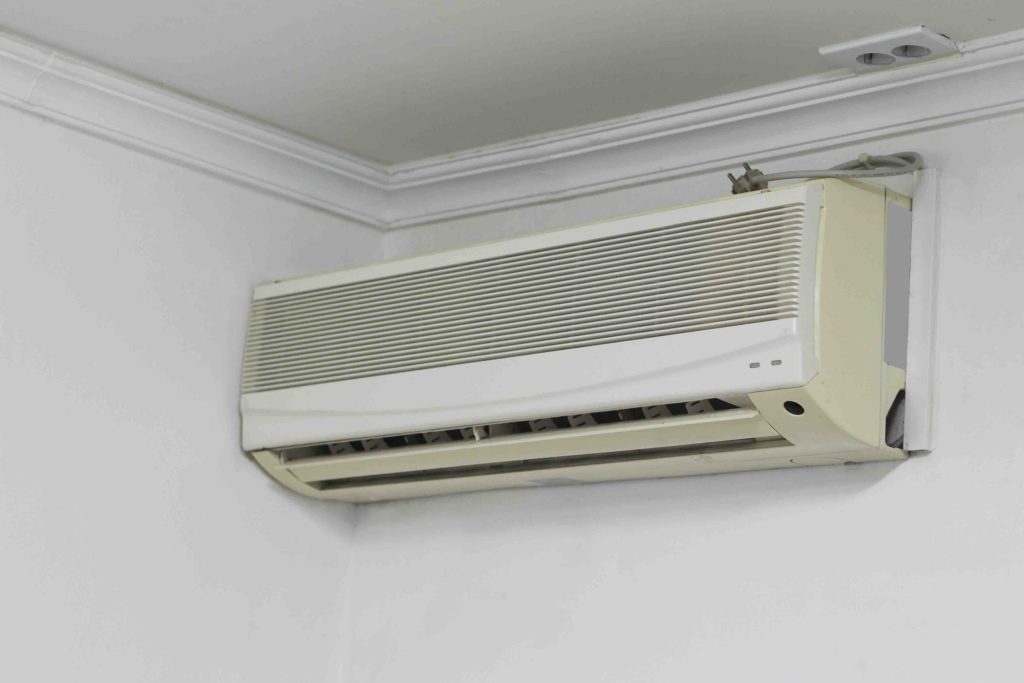
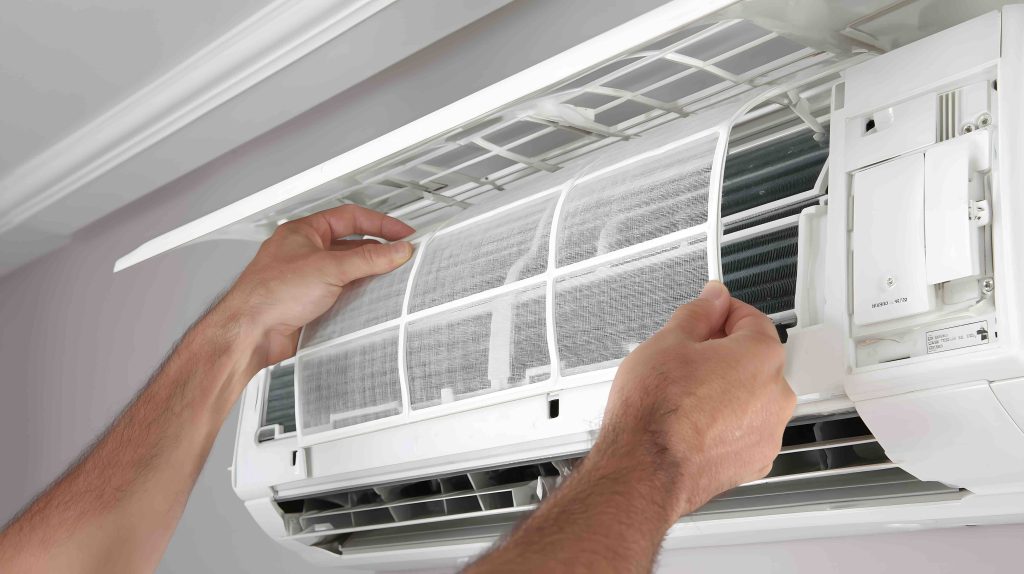
Your furnace and central air conditioner are actually two separate systems that share some of the same infrastructure, mainly the ductwork and the air handler or blower inside your home. The furnace handles heating by burning fuel, usually natural gas, propane, or oil, or in some cases using electric resistance. The air conditioner handles cooling by using refrigerant to pull heat out of your indoor air and exhaust it outside through the condenser unit. When one of these systems fails, it often makes financial sense to replace both at the same time, since the labor and installation costs overlap significantly. Replacing them together can also ensure the systems are properly matched in capacity and efficiency, which matters more than most homeowners expect.
Breaking Down the Replacement Costs
Here is where things get specific. Furnace replacement on its own typically costs between $2,500 and $6,000, while a central air conditioner replacement usually runs between $3,000 and $7,500. When you bundle them together, you may save on labor, but the combined price tag can still land anywhere from $7,000 to $14,000 for a mid-to-high-efficiency setup. Several factors drive that range:
- The size of your home and the system capacity required, measured in tons for the AC and BTUs for the furnace
- The efficiency ratings you choose, with higher SEER2 and AFUE ratings costing more upfront but less monthly
- Whether your existing ductwork needs repair, replacement, or sealing
- Local labor rates and permit costs, which vary considerably by region
- Brand and equipment tier, since there is a meaningful price gap between builder-grade and premium equipment
Understanding Efficiency Ratings and Why They Matter
When contractors start throwing around terms like SEER2, AFUE, and HSPF, it can feel like alphabet soup. But these ratings directly affect how much you pay every month to run your system, so they are worth understanding. AFUE stands for Annual Fuel Utilization Efficiency and applies to furnaces. A 90% AFUE furnace converts 90 cents of every dollar of fuel into heat, while a standard 80% AFUE unit wastes more. SEER2 applies to air conditioners and measures cooling efficiency over a season. A higher SEER2 rating means lower operating costs. The tradeoff is that high-efficiency equipment costs more upfront, so the payback period matters depending on your climate and how often you run your system.

The Advantages of Replacing Both Systems at Once
There is a real argument for doing the full replacement at the same time even if only one unit has failed. For starters, the labor costs overlap, so you are not paying for two separate installation visits. More importantly, newer furnaces and air conditioners are engineered to work together as matched systems. A mismatched setup, like a new AC paired with an aging furnace, can reduce efficiency and potentially cause premature wear on the newer equipment. You also get the benefit of a single warranty start date, which simplifies your coverage tracking going forward. And from a planning perspective, knowing that both systems are new gives you real peace of mind about your comfort for the next 15 to 20 years.
Common Drawbacks and Hidden Costs to Watch For
Even with a well-planned replacement, there are costs that tend to catch homeowners off guard. Ductwork is probably the biggest one. If your existing ducts are undersized, leaky, or just old, a new high-efficiency system will not perform the way it should without addressing them first. Duct repairs or partial replacement can add $1,000 to $5,000 or more to the project. Some homes also need electrical panel upgrades to support new equipment, particularly if you are switching from gas to a heat pump setup. Additionally, disposal fees for old equipment, new thermostat installation, and the cost of permits can add up quickly. Always ask your contractor for a fully itemized estimate rather than a single lump sum.
When Should You Repair Versus Replace?
This is the question most homeowners wrestle with when something breaks. A useful rule of thumb is the 5,000 rule: multiply the age of your system by the repair cost. If that number exceeds $5,000, replacement is generally the smarter financial move. A furnace or AC that is more than 15 years old and requires a repair exceeding $1,000 is usually a strong candidate for replacement. If the system is under 10 years old and the repair is relatively minor, fixing it often makes more sense. However, if your system has been requiring repeated repairs over the past few years, those cumulative costs can easily justify moving forward with a new installation even if each individual repair seemed manageable at the time.
Practical Tips for Getting the Best Deal on Replacement
Replacing your HVAC system is not the kind of purchase you want to rush into, even when your furnace dies in January and you are genuinely desperate. Here are a few approaches that can help you make a better decision under pressure:
- Get at least three quotes from licensed HVAC contractors, and make sure each one includes the same equipment specs so you are comparing apples to apples
- Ask about manufacturer rebates and federal tax credits for high-efficiency equipment, which can meaningfully reduce your out-of-pocket cost
- Check whether your utility company offers rebates for upgrading to high-efficiency systems, since many do
- Ask the contractor to assess your ductwork before finalizing the quote, so you are not blindsided by additional costs after the project starts
- Avoid purchasing the cheapest available equipment, since low upfront cost often means higher operating costs and shorter system lifespan
How a Home Warranty Fits Into This Conversation
Here is the part where a lot of homeowners start to connect some dots. A home warranty is a service contract that covers the repair or replacement of major home systems and appliances when they break down due to normal wear and tear. HVAC systems, including furnaces and air conditioners, are typically among the most valuable components a home warranty covers. If your furnace fails and you have an active home warranty, you call your provider, pay a service fee, and a technician comes out to diagnose and address the problem. Depending on your plan and the terms, covered repairs or replacements are handled without you absorbing the full cost out of pocket. For a system that can cost thousands to replace, that coverage can be genuinely significant.
Why Armadillo Is Worth a Close Look for HVAC Coverage
When your furnace or air conditioner fails, the last thing you want is to navigate a complicated claims process or discover that your coverage has a long list of exclusions buried in the fine print. That is exactly where Armadillo home warranty plans for HVAC systems and major home appliances stand apart. Armadillo was built with transparency in mind, which means straightforward coverage terms, responsive service, and no unpleasant surprises when something goes wrong. For homeowners who want protection against the kind of sudden, high-cost HVAC failure that can derail a household budget, Armadillo offers an approachable way to get covered. You can get a personalized home warranty quote to cover your furnace and air conditioner replacement costs in just a few minutes, and see exactly what your plan would include before committing to anything. When a furnace or AC replacement can run $10,000 or more, having a plan in place before something breaks is simply the smarter move.

Frequently Asked Questions About Furnace and Air Conditioner Replacement Costs
These are the questions homeowners ask most often when navigating HVAC replacement decisions, answered directly and without the runaround.
How much does it cost to replace a furnace and air conditioner at the same time?
Replacing both a furnace and air conditioner together typically costs between $7,000 and $14,000, depending on equipment efficiency, home size, location, and whether ductwork needs attention. Some projects fall below that range with basic equipment, while premium installs can exceed it.
Is it better to replace a furnace and AC at the same time or separately?
Replacing them together is generally more cost-effective because labor costs overlap and matched systems tend to operate more efficiently. Replacing them separately can result in mismatched equipment and two separate installation expenses.
How long does a furnace or air conditioner typically last?
A well-maintained furnace generally lasts 15 to 20 years, while a central air conditioner typically lasts 12 to 17 years. Systems in extreme climates or those that have been poorly maintained often fall on the shorter end of those ranges.
What efficiency rating should I look for in a new furnace or AC?
For furnaces, a minimum AFUE of 90% is recommended for most climates. For air conditioners, look for a SEER2 rating of at least 15. Higher ratings cost more upfront but reduce monthly energy bills and may qualify for rebates or tax credits.
Does a home warranty cover furnace and air conditioner replacement?
Many home warranty plans cover HVAC systems, including repair and sometimes replacement of furnaces and air conditioners that fail due to normal wear and tear. Coverage limits, exclusions, and terms vary by provider and plan, so reviewing the details carefully is important.
What factors affect the cost of HVAC replacement the most?
The biggest cost drivers are the size of your home, the efficiency tier of the equipment, local labor rates, the condition of your existing ductwork, and whether any electrical upgrades are required. Getting multiple itemized quotes helps you understand which factors are affecting your specific project.
Can I replace just the air conditioner without replacing the furnace?
Yes, but if your furnace is approaching the end of its useful life, doing so may not be the most cost-effective strategy. A new AC paired with an aging furnace can also create efficiency and compatibility issues, particularly with variable-speed equipment.
Are there tax credits available for replacing a furnace or AC?
Yes. Under current federal energy efficiency incentive programs, homeowners may qualify for tax credits when upgrading to high-efficiency heating and cooling equipment. Eligible equipment typically must meet specific efficiency thresholds, and annual credit limits apply. Consulting a tax professional and checking current IRS guidance is advisable.
How do I know if my furnace or AC needs to be replaced versus repaired?
A practical approach is the 5,000 rule: multiply the system’s age by the estimated repair cost. If the result exceeds $5,000, replacement is often the smarter financial choice. Repeated breakdowns, inconsistent performance, and rising energy bills are also strong indicators that replacement makes more sense than repair.
What should I ask an HVAC contractor before agreeing to a replacement?
Ask for a fully itemized estimate, confirmation that the equipment is properly sized for your home through a load calculation, details on warranty coverage for both equipment and labor, and an assessment of your existing ductwork. Also ask whether the contractor handles permit filing, since unpermitted work can create problems during a future home sale.