






What Is a Screw-In Light Fixture and Why Does Grounding Matter?
Most homeowners have replaced a light bulb at some point, but fewer think about what is actually happening inside the fixture holding that bulb. A screw-in light fixture is one of the most common electrical components in any home. It accepts a bulb via a threaded socket, usually an Edison-style base, and connects to your home’s electrical wiring to deliver power. Simple enough on the surface. But the grounding component of that fixture is where things get a little more interesting, and honestly, a lot more important.
How a Screw-In Light Fixture Actually Works
When you flip a light switch, electricity travels from your home’s electrical panel, through the circuit wiring, and into the fixture. Inside the socket, two electrical contacts meet the base of the bulb. One delivers the live current; the other completes the return path. The fixture itself is mounted to a junction box in the ceiling or wall, and it is that junction box where the fixture’s wiring connects to your home’s branch circuit. Most modern fixtures have three wires involved: a black wire carrying the hot current, a white neutral wire, and a bare copper or green grounding wire. That third wire is the one that often gets overlooked.
Understanding the Grounding Wire in Light Fixtures
Grounding in electrical systems serves one purpose above all others: safety. A grounded fixture provides a low-resistance path for electricity to follow in the event of a fault. If a loose wire or a failed component sends current somewhere it should not go, the ground wire redirects that energy safely back to the panel, which trips the breaker before anyone gets hurt. Without a proper ground, that stray current has nowhere to go except potentially through the fixture housing, the mounting box, or a person who touches the wrong thing at the wrong time. Older homes sometimes have two-wire systems with no ground at all, which is worth knowing if you are planning any fixture upgrades.

Types of Screw-In Light Fixtures Found in Homes
Not all screw-in fixtures are created equal. The base size and fixture style vary depending on the application and the era the home was built. Here is a quick look at the most common types you will encounter:
- Medium base (E26): The standard household base used in most ceiling fixtures, table lamps, and recessed cans.
- Candelabra base (E12): Smaller base typically found in chandeliers, decorative wall sconces, and some ceiling fans.
- Mogul base (E39): A larger base used in high-output commercial or specialty applications, less common in residential settings.
- GU24 base: A twist-and-lock style that is technically not a screw-in, but frequently grouped alongside them in fixture comparisons.
Key Advantages of Screw-In Light Fixtures
There is a reason screw-in fixtures have dominated residential lighting for over a century. They are straightforward to install, widely available, and compatible with an enormous range of bulb types including incandescent, CFL, and LED. Replacing a bulb takes seconds. Replacing an entire fixture is typically a manageable DIY project for someone comfortable with basic electrical work. The standardized socket design also means you are rarely locked into a specific brand or product line, giving you flexibility as lighting technology continues to evolve. From a home warranty perspective, these fixtures are considered standard components, which matters when something stops working and you need coverage that actually applies.
Common Drawbacks and Limitations to Know
For all their convenience, screw-in fixtures do have limitations worth understanding before you commit to a lighting plan or a renovation. Older fixtures may lack a grounding terminal entirely, which creates a code compliance issue in modern installations. Some fixtures have wattage caps that are easy to ignore but genuinely important for fire prevention. Heat buildup inside enclosed fixtures can also shorten bulb life significantly, especially with LED bulbs that are sensitive to temperature. And while DIY installation is common, improper wiring connections, particularly loose ground connections, are among the leading causes of electrical faults in residential lighting. This is not meant to discourage confidence; it is meant to encourage care.
How to Tell If Your Light Fixture Is Properly Grounded
If you are wondering whether your existing fixtures are grounded, there are a few practical ways to check without calling an electrician immediately. First, look at the fixture wiring where it connects to the junction box. If you see a bare copper wire or a green wire attached to a screw on the mounting bracket or the box itself, grounding is likely in place. If only two wires are present, black and white only, you are working with an ungrounded circuit. A non-contact voltage tester and a simple outlet tester can help confirm grounding status. When in doubt, a licensed electrician can assess your panel and branch circuits quickly and give you a clear answer. Some home warranty plans even cover electrical system diagnostics, which is worth checking if you have coverage in place.
Practical Tips for Installing or Replacing a Screw-In Light Fixture
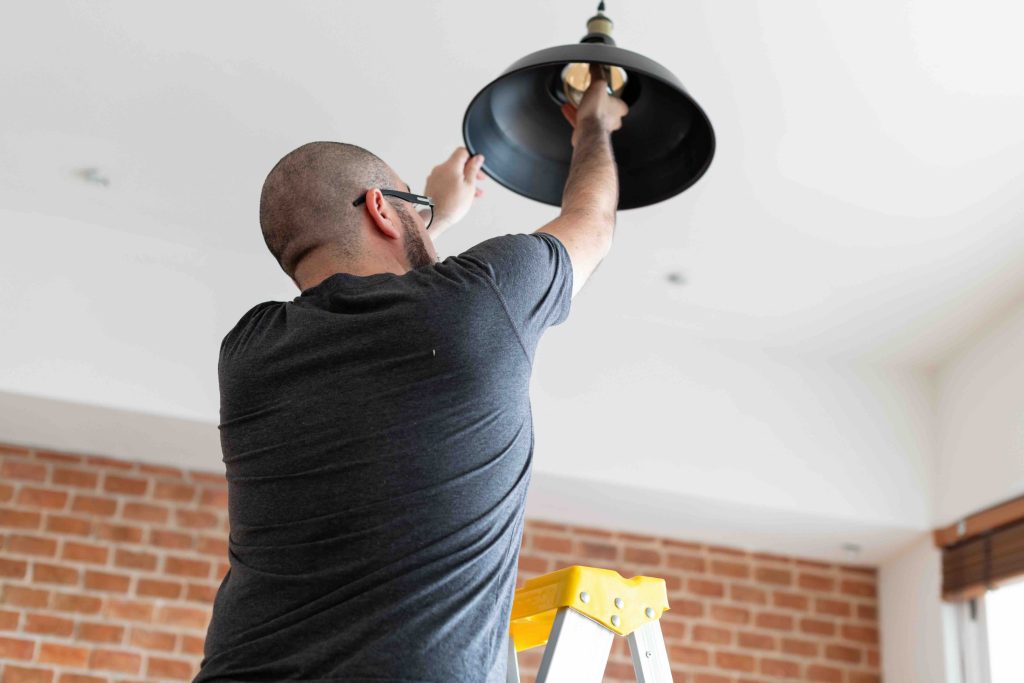
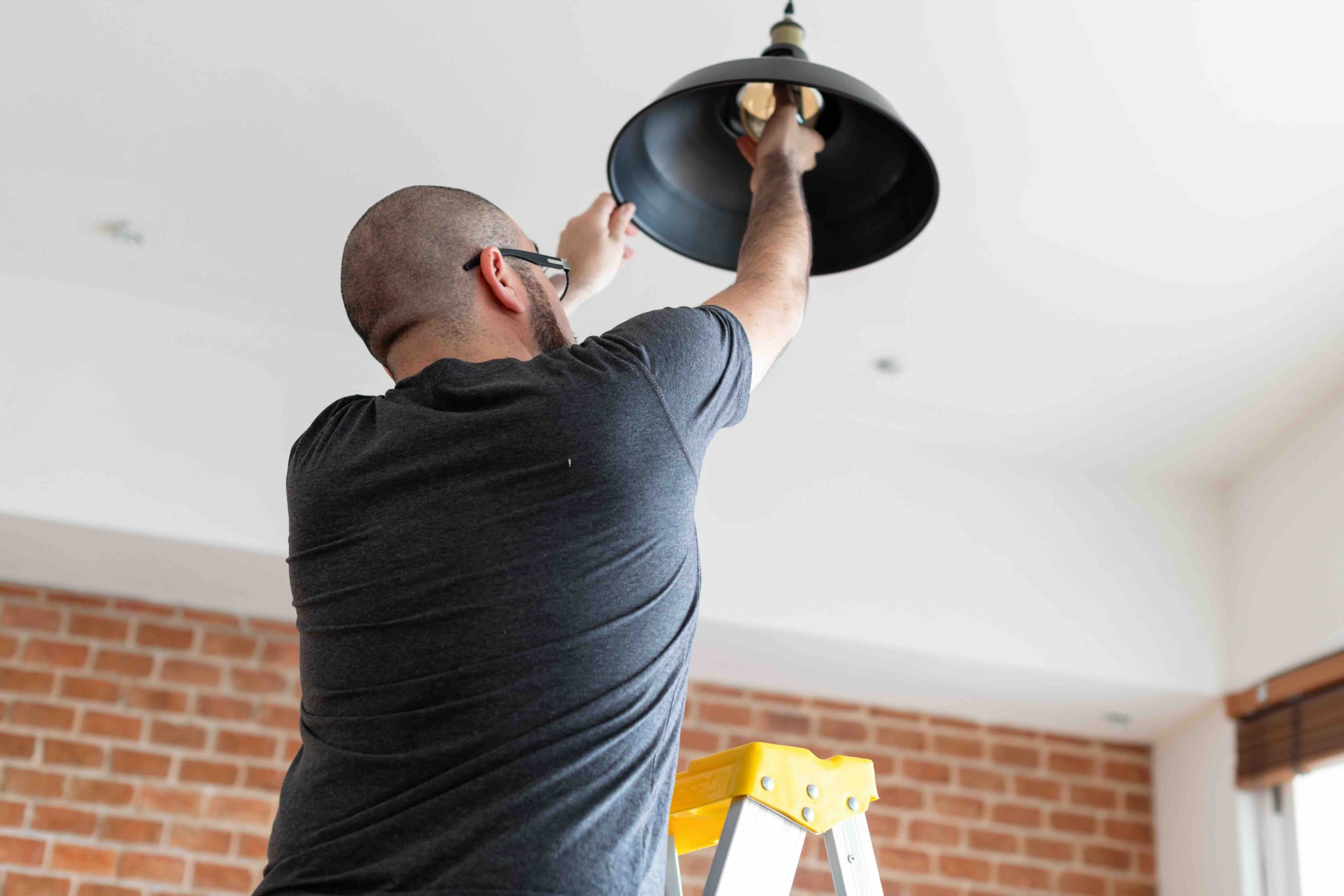
Whether you are swapping out a dated ceiling fixture or installing something new entirely, a few habits make the process safer and cleaner:
- Always turn off the circuit breaker, not just the wall switch, before touching any wiring.
- Use a non-contact voltage tester to confirm the power is off before proceeding.
- Connect the ground wire first, before making any other connections.
- Do not exceed the fixture’s maximum wattage rating, even with LED bulbs, unless the fixture is explicitly rated for higher output.
- Secure all wire nuts tightly and tug each connection gently to confirm it will not pull loose.
- If the junction box is not rated for fan or fixture support, replace it before hanging anything heavy.
When to Call a Professional Instead of DIYing
There is a fair amount a confident homeowner can handle when it comes to light fixture work. But there are clear signals that a licensed electrician should take over. If you open the junction box and find aluminum wiring, scorched insulation, multiple melted wire nuts, or wiring that does not match any standard color code, stop immediately. Older homes with knob-and-tube wiring present a particular risk when connecting modern fixtures. Any time you are adding a fixture to an existing circuit rather than replacing one in kind, you may be crossing into permit territory depending on your local code. Electrical work that exceeds your comfort level is not worth the risk, and it is not worth voiding coverage either.
Why Armadillo Is the Right Partner When Electrical Issues Come Home
Light fixtures seem minor until one fails and reveals a deeper electrical problem behind the wall. That is when having the right home warranty coverage becomes less of a nice-to-have and a lot more of a necessity. Armadillo was built to cover the systems and components that actually matter to homeowners, including the electrical infrastructure that powers everyday life. If you are thinking about what a solid plan looks like for your home, explore Armadillo’s home warranty plans for electrical system coverage and see exactly what is included before something goes wrong. When you are ready to take the next step, you can get a free home warranty quote for grounded electrical fixtures and systems in just a few minutes. Armadillo keeps things transparent, straightforward, and actually useful, which is exactly what home protection should feel like.

Frequently Asked Questions About Screw-In and Grounded Light Fixtures
Real questions homeowners ask about screw-in light fixtures, grounding, and what it means for home safety and warranty coverage.
What does it mean for a light fixture to be grounded?
A grounded light fixture has a dedicated wire, typically bare copper or green, that connects the fixture housing to the home’s electrical grounding system. This provides a safe path for fault current, reducing the risk of electric shock or fire.
Can I install a grounded fixture in an ungrounded junction box?
You can physically install it, but the grounding wire will have nothing to connect to, which defeats its purpose. The correct solution is to either run a new ground wire, use a GFCI-protected circuit, or consult an electrician about code-compliant options for your situation.
Is it safe to use a light fixture without a ground wire?
Many older homes have ungrounded fixtures that have operated for decades without incident. However, an ungrounded fixture does carry elevated risk in a fault scenario. Modern electrical code requires grounding in new installations for this reason.
What is the standard screw-in base size for household light fixtures?
The E26 medium base is the most common standard in North American residential fixtures. It fits the vast majority of bulbs sold in hardware and home improvement stores.
How do I know if my junction box can support the fixture I want to install?
Junction boxes are rated by weight. Standard boxes typically support fixtures up to 35 pounds. If your fixture is heavier, or if you are installing a ceiling fan, you need a fan-rated brace box anchored directly to the ceiling structure.
Does a home warranty cover light fixture repairs or replacements?
Coverage varies by plan and provider. Some home warranties cover built-in light fixtures as part of an electrical system component, while others exclude fixtures entirely. Reviewing your plan’s coverage list before assuming protection is in place is always the right move.
Why does my light fixture buzz when the bulb is on?
Buzzing is often caused by a dimmer switch that is incompatible with the bulb type in the fixture, particularly LED bulbs. It can also indicate a loose connection inside the fixture or at the junction box. If the sound is persistent or accompanied by flickering, have an electrician inspect it.
What is the difference between a grounded and a polarized fixture?
Polarization refers to the orientation of the hot and neutral wires, ensuring the hot connection reaches the center contact of the socket rather than the outer shell. Grounding is a separate safety feature that provides a fault current path. A fixture can be polarized without being grounded, though modern fixtures are typically both.
Can I replace a two-prong ungrounded fixture with a three-prong grounded model?
If your home’s wiring includes a ground conductor in the circuit, yes. If the existing wiring has no ground wire, simply installing a grounded fixture does not add ground protection. An electrician would need to evaluate whether rewiring or a GFCI solution is appropriate.
How often should light fixtures be inspected or replaced?
There is no universal replacement schedule, but fixtures in high-use areas or those more than 20 to 30 years old are worth inspecting. Signs of heat damage, discoloration inside the socket, flickering with a known good bulb, or any burning smell are indicators that a fixture should be evaluated promptly.