





What Are Attic Ladder Replacement Parts and Why Do They Matter?
Most homeowners never think twice about their attic ladder until something goes wrong. A creak here, a wobble there, maybe a hinge that just stopped cooperating entirely. And then suddenly, accessing that storage space above your head becomes either a minor ordeal or a safety concern. Attic ladder replacement parts are the individual components that keep a folding or pull-down attic stair system functioning safely and correctly. Understanding what these parts are, how they work together, and when to replace them is genuinely useful knowledge for any homeowner who relies on attic access regularly.
How a Pull-Down Attic Ladder System Actually Works
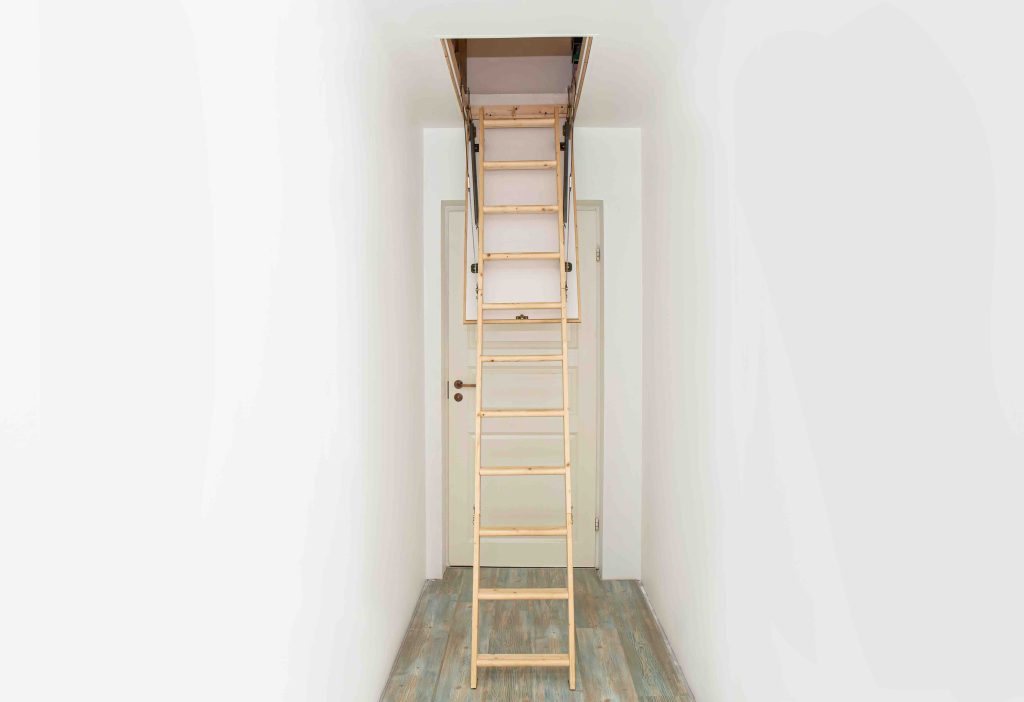
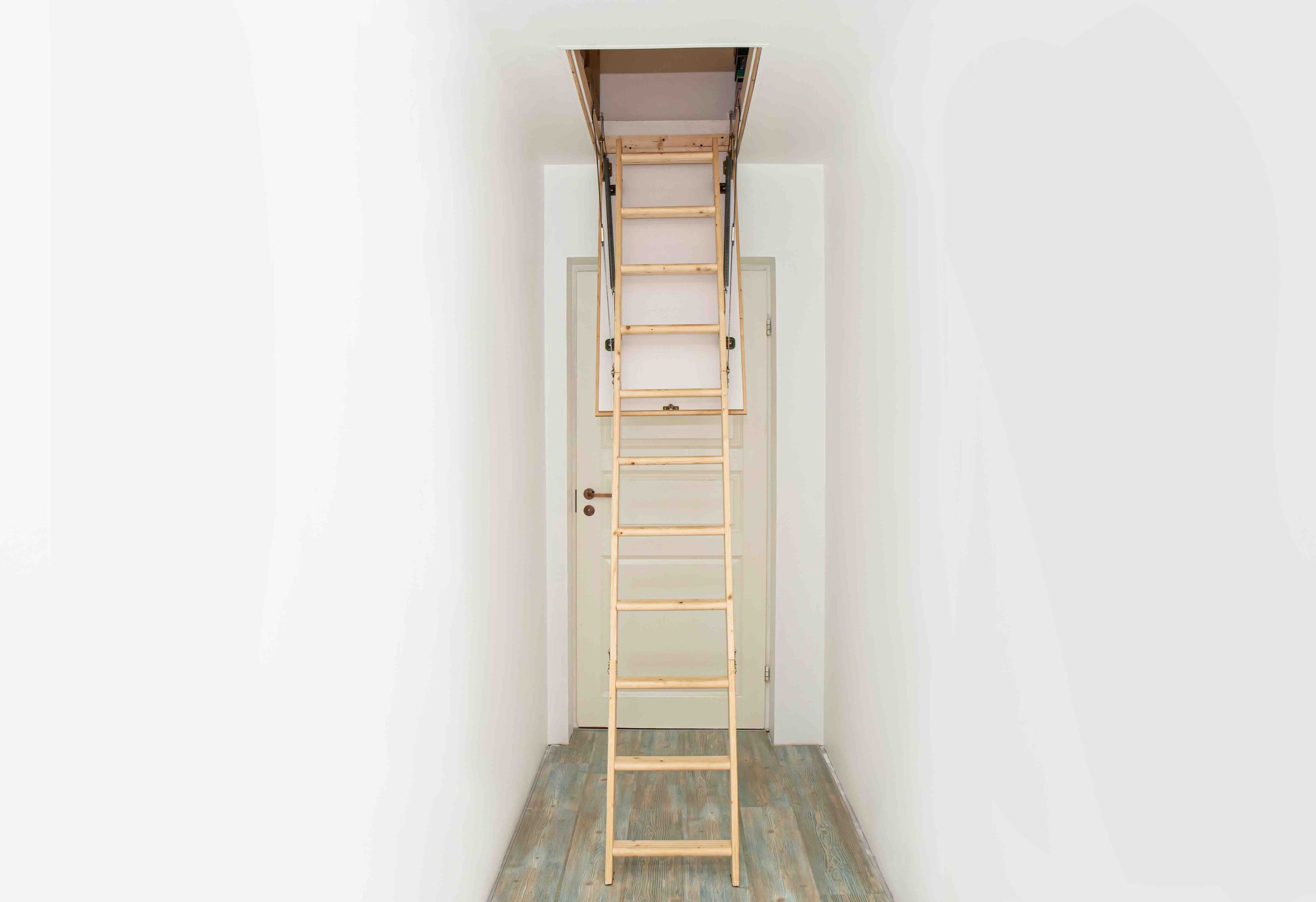
A pull-down attic ladder is a folding stair assembly mounted inside a hatch frame in the ceiling. When you pull the cord or handle, the hatch door swings down and the ladder unfolds in sections until it reaches the floor. The whole system relies on spring tension, hinges, and hardware working in sync. Springs counterbalance the weight of the door and ladder so the unit opens smoothly and does not crash down. Hinges connect the ladder sections and allow them to fold flat when stored. Mounting hardware secures the entire frame to the ceiling joists. Every single one of these components endures repeated mechanical stress, and over time, individual parts degrade. That is exactly why replacement parts exist, and why knowing which part has failed can save you from replacing the entire unit.
The Most Common Attic Ladder Parts That Need Replacing
It helps to know what you are working with before anything breaks. The components most likely to wear out or fail include the following:
- Torsion springs or extension springs that control the opening and closing tension
- Hinges that connect ladder sections and the door frame
- Ladder feet or end caps that make floor contact
- The pull cord or handle assembly
- Wood ladder sections or rungs themselves
- Hardware such as bolts, nuts, and screws specific to the ladder model
- The hatch door panel if it warps, cracks, or loses its insulation value
Springs are probably the most frequently replaced component. They weaken with use and can snap, which is both a safety issue and a functional one since the ladder will either fall open too fast or be extremely difficult to lower and raise. When shopping for replacement springs, the model number of your ladder matters more than anything else because spring tension is calibrated to a specific unit weight.
Signs Your Attic Ladder Parts Need Attention
There are a few telltale indicators that something in your attic ladder system is not performing the way it should. A ladder that drops open faster than it used to usually points to spring failure. Grinding or squeaking sounds during operation often indicate hinge wear or hardware loosening over time. If the ladder sways noticeably when you are on it, the mounting bolts or frame hardware may need tightening or replacement. Damaged rungs are a clear safety issue and should be addressed immediately rather than worked around. One thing homeowners sometimes overlook is the condition of the hatch door seal. A poorly sealing door allows conditioned air to escape into the attic year-round, which affects your energy bills in ways that are easy to miss but genuinely costly.
Replacing Attic Ladder Parts Yourself vs. Hiring a Professional
Some attic ladder repairs are genuinely manageable for a handy homeowner. Replacing end caps, tightening hardware, swapping a pull cord, or lubricating hinges are all relatively low-stakes tasks. Spring replacement, on the other hand, is a different situation. Torsion springs are under significant tension and require careful handling. A spring that releases unexpectedly can cause serious injury. If you are not confident working with tensioned components or do not have the right tools, hiring a professional for that specific task is a reasonable decision. The cost of professional repair for most attic ladder components is modest compared to a full unit replacement, and it is almost always worth it when safety is the variable in question.

How to Find the Right Replacement Parts for Your Attic Ladder
The most important thing you can do before ordering any replacement part is locate your ladder’s model number. This is typically printed on a label attached to the side of the ladder frame or hatch door. Manufacturers like Werner, Louisville Ladder, and Fakro produce attic stair systems with proprietary parts that are not universally interchangeable. Once you have the model number, parts can often be ordered directly through the manufacturer’s website, through major home improvement retailers, or through specialty hardware suppliers. Attempting to guess at compatibility based on general dimensions alone often leads to parts that technically fit but do not perform correctly, which can introduce new problems rather than solve the original one.
Key Advantages of Repairing Rather Than Replacing Your Attic Ladder
When a component fails, the instinct can be to replace the entire unit, but that is rarely necessary and almost always more expensive than targeted repair. Replacing a set of springs typically costs between fifteen and fifty dollars in parts. A full attic ladder replacement, including materials and installation labor, can run anywhere from two hundred to over six hundred dollars depending on the unit type and ceiling height. Repair also preserves the existing frame that is already anchored to your ceiling joists, which means you avoid the labor involved in removing and remounting a new assembly. As long as the structural elements of the ladder are sound, part-level repair is usually the smarter financial move.
Common Drawbacks and Limitations to Be Aware Of
There are situations where replacement parts are either unavailable or impractical. Older attic ladder models may be discontinued, and proprietary parts for those units simply no longer exist in the market. In those cases, a full replacement is unavoidable. Additionally, if the wooden ladder sections themselves have suffered significant rot or insect damage, structural integrity is compromised in a way that individual part swaps cannot address. It is also worth noting that some budget-tier ladder models are not engineered with user-serviceable parts in mind, meaning repair options are genuinely limited from the start. If you find yourself in any of these scenarios, investing in a higher-quality replacement unit often pays off over the long term by reducing ongoing maintenance needs.
Practical Tips for Extending the Life of Your Attic Ladder
Maintenance habits make a measurable difference in how long your attic ladder components last. Lubricating hinges and moving parts once or twice a year using a dry lubricant or light machine oil reduces friction-related wear significantly. Inspect the mounting hardware annually and retighten anything that has worked loose. Keep the hatch frame clear of debris and check the door seal for gaps that could allow moisture into the attic space. And always observe the weight rating printed on your ladder. Exceeding the load capacity even occasionally puts undue stress on springs and hinges that are not designed to accommodate it. These are simple habits, but they compound over time into a ladder system that functions reliably for years longer than one that receives no attention at all.
Why Armadillo Is the Smart Choice When Attic Ladder Repairs Catch You Off Guard
Attic ladder issues almost never announce themselves in advance. One day the spring holds, and the next it does not. That kind of unexpected mechanical failure is exactly what a home warranty is designed to handle, and it is exactly the kind of situation where having the right coverage partner changes the experience entirely. Armadillo home warranty coverage for attic access systems and household mechanical components is built around protecting homeowners from the unpredictable costs that come with owning a home. No one budgets for a snapped attic ladder spring or a damaged hinge that needs professional attention, and that is the gap a quality warranty fills. When you are ready to stop leaving those repair costs to chance, get a free home warranty quote for attic ladder and home system protection and find out what plan fits your home and your budget. Armadillo keeps things simple, straightforward, and genuinely useful, which is exactly what homeowners deserve.

Frequently Asked Questions About Attic Ladder Replacement Parts
Answers to the most common questions homeowners have about attic ladder components, repairs, and maintenance.
What are the most commonly replaced parts on a pull-down attic ladder?
The parts that fail most often are the tension springs, hinges, ladder end caps, and pull cord assemblies. Springs are particularly prone to wear because they absorb mechanical stress every time the ladder is used.
How do I know if my attic ladder spring needs to be replaced?
If your attic ladder drops open much faster than it used to, feels unusually heavy when you raise it, or if you can see a visible break or separation in the spring itself, replacement is needed. Do not continue using the ladder until the spring is repaired.
Can I replace attic ladder parts myself?
Many components such as end caps, hinges, and pull cords can be replaced with basic tools and moderate DIY confidence. Spring replacement is the one task that carries a higher safety risk due to tension load, and professional assistance is often the better choice for that specific repair.
Where can I find replacement parts for my specific attic ladder model?
Start with the manufacturer’s website using the model number printed on your ladder’s label. Major home improvement retailers and specialty hardware suppliers also carry parts for popular brands. The model number is critical because parts are often not interchangeable between models.
How much does it cost to replace attic ladder parts?
Individual parts like springs, hinges, or end caps typically cost between ten and sixty dollars. If professional labor is involved, the total repair cost may range from seventy-five to two hundred dollars, which is still substantially less than a full ladder replacement.
What happens if replacement parts are no longer available for my attic ladder model?
If a model has been discontinued and proprietary parts are unavailable, full unit replacement becomes necessary. This is more common with older or budget-tier ladders. Choosing a current, widely supported model for your replacement ensures better long-term parts availability.
How often should I perform maintenance on my attic ladder?
A basic inspection and lubrication of hinges and moving parts once or twice per year is a reasonable maintenance schedule for most households. More frequent use may warrant more frequent checks, particularly of the spring tension and mounting hardware.
Does a home warranty cover attic ladder repairs?
Coverage depends on the specific home warranty plan and provider. Some plans cover mechanical components of attic access systems, particularly when failure is due to normal wear and tear. Reviewing your plan details or speaking with your provider directly is the best way to confirm what is included.
Is it safe to use an attic ladder with a damaged spring?
No. A failed or weakened spring compromises the controlled movement of the ladder, which creates a real fall or injury risk. The ladder should be taken out of use until the spring is replaced by someone with appropriate knowledge and tools.
How long do attic ladder springs typically last?
Under normal residential use, attic ladder springs can last anywhere from ten to twenty years. Frequency of use, the quality of the original spring, and whether maintenance has been performed all influence how quickly they degrade.