





What Does It Mean to Reset a Power Outlet, and Why Should You Care?
If you have ever plugged something into an outlet and gotten absolutely nothing, no power, no response, just silence, your first instinct might be to assume something is broken or, worse, that you have a serious electrical problem on your hands. Before you call an electrician or start worrying about rewiring costs, there is a good chance you are dealing with something far simpler: a tripped outlet that just needs to be reset. Understanding how to reset a power outlet is one of those genuinely useful homeowner skills that takes about thirty seconds to learn and can save you a lot of unnecessary stress. It is also a great entry point into understanding how your home’s electrical system is actually designed to protect you.
The Basics: What Kind of Outlet Are You Actually Dealing With?
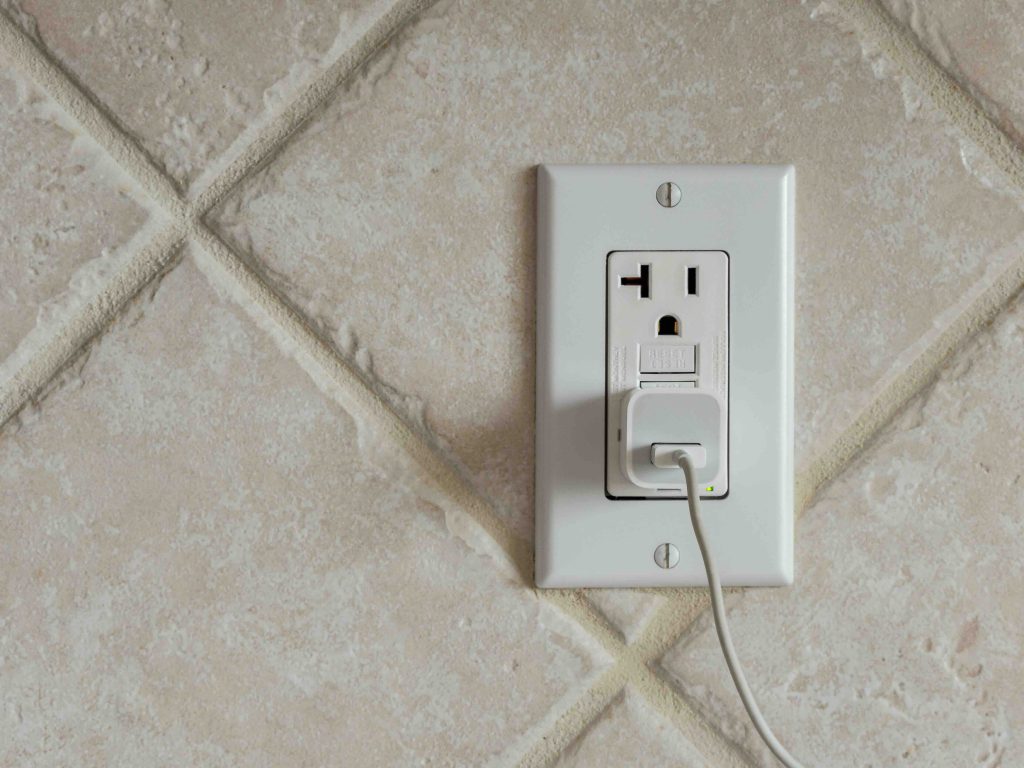
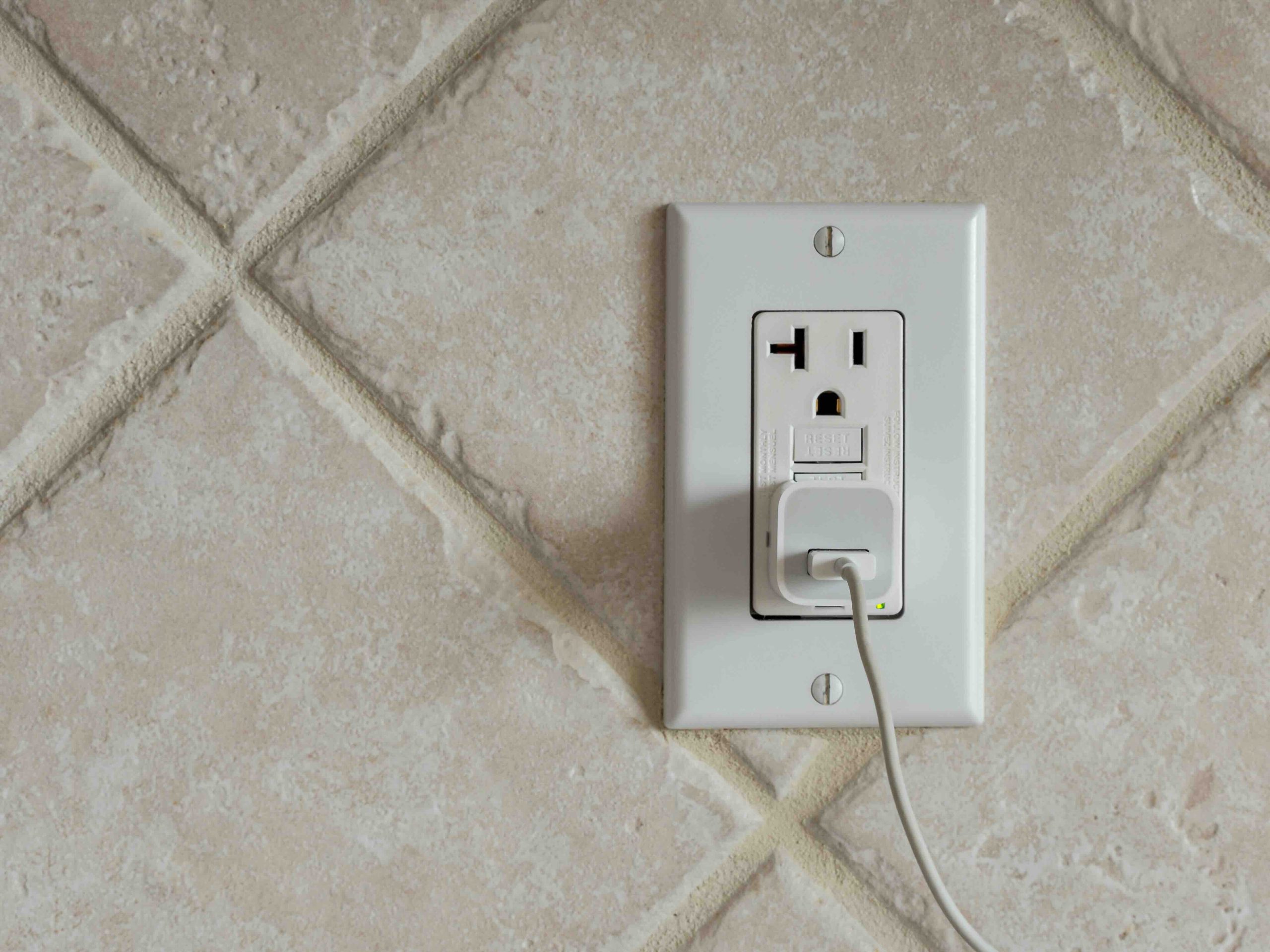
Not all outlets are created equal. Most homes have a mix of standard outlets and GFCI outlets, which stands for Ground Fault Circuit Interrupter. GFCI outlets are the ones you typically find in bathrooms, kitchens, garages, and outdoor areas, basically anywhere near water. They are easy to spot because they have two small buttons on the face of the outlet, usually labeled TEST and RESET. These outlets are specifically designed to cut power instantly when they detect an imbalance in the electrical current, which is a safety feature that protects you from electric shock. When the GFCI trips, the outlet stops working entirely until it is manually reset. That is the scenario most homeowners run into when they find a dead outlet, and the fix is usually straightforward.
How to Reset a Power Outlet Step by Step
Resetting a GFCI outlet is genuinely simple, but it helps to follow the right sequence to make sure it actually holds. Here is what to do:
- Unplug any devices that are connected to the outlet before you attempt a reset
- Locate the RESET button on the outlet face, it is typically the smaller button in the center
- Press the RESET button firmly until you hear or feel a click
- Test the outlet by plugging in a lamp or another low-draw device to confirm power is restored
- If the outlet trips again immediately, stop and investigate further before continuing
One thing worth knowing is that a single GFCI outlet can actually control several standard outlets in the same circuit. So if you have a dead outlet somewhere else in the house that does not have RESET buttons, look for the GFCI outlet that shares that circuit. Resetting the GFCI outlet could bring the other outlets back to life as well. Bathrooms, kitchens, and garages often share circuits, so it is worth checking those areas first.
When Resetting the Outlet Does Not Work
Sometimes you press that RESET button and nothing happens, or the outlet trips again right away. That is your home’s electrical system telling you something is off. A GFCI outlet that keeps tripping could indicate a ground fault in a connected device, moisture inside the outlet box, a wiring issue, or even a failing GFCI outlet that needs to be replaced. If the outlet simply refuses to reset, the problem may also lie upstream at the circuit breaker panel. A tripped breaker will cut power to an entire circuit, and no amount of button pressing at the outlet level will fix that until the breaker is reset first. Check your panel, locate any breakers that are in the middle position between ON and OFF, flip them fully to OFF and then back to ON, and then retry the outlet reset.

Key Advantages of GFCI Outlets in Your Home
The tripping behavior that can feel like a nuisance is actually the entire point. GFCI outlets are one of the most effective passive safety tools in residential electrical systems. They can detect a fault in as little as one-fortieth of a second, which is fast enough to prevent serious injury in most situations. Homes built after the mid-1970s were required to include GFCI protection in wet areas, and current building codes have expanded those requirements significantly. If your home is older and you have never updated your outlets, adding GFCI protection is a relatively affordable upgrade that delivers meaningful safety value. The cost of a GFCI outlet is modest, and installation is within reach for a competent DIYer, though there is no shame in having an electrician handle it if you are not comfortable working with wiring.
Common Drawbacks and Frustrations Homeowners Experience
For all of their benefits, GFCI outlets do come with a few legitimate frustrations. They can trip unexpectedly, sometimes due to a sensitive device or a brief power fluctuation, which means you might find your bathroom outlets dead after a storm even if nothing is damaged. Older GFCI outlets, typically those more than ten years old, can become less reliable over time and may either fail to reset or fail to trip when they should, which defeats the purpose entirely. They also tend to wear out faster in outdoor or humid environments. If your GFCI outlet clicks but does not restore power, or if it no longer trips during a test, it is time to replace it. Replacement is inexpensive and generally not complicated, but it is a step many homeowners overlook.
AFCI Outlets and Breakers: The Other Reset You Should Know About
Beyond GFCI, many modern homes also include AFCI protection, which stands for Arc Fault Circuit Interrupter. Where GFCI protects against ground faults near water, AFCI protects against arc faults, which are dangerous electrical sparks that can happen inside walls due to damaged or deteriorating wiring. AFCI protection is typically built into the breaker rather than the outlet, so resetting it means going to your electrical panel and resetting the specific breaker. Some AFCI breakers also have a TEST button directly on the breaker itself. If your AFCI breaker trips, unplug devices on that circuit, reset the breaker, and if it trips again immediately, that is a situation that genuinely warrants a call to a licensed electrician. Arc faults can be a fire hazard, so this is not the time to troubleshoot aggressively on your own.
Outlet Safety Habits Every Homeowner Should Practice
Knowing how to reset an outlet is useful, but building smart habits around outlet use is even better. Here are a few practical guidelines worth keeping in mind:
- Test GFCI outlets monthly using the TEST and RESET buttons to confirm they are functioning correctly
- Do not use extension cords as permanent wiring solutions, they are a temporary fix and can create overload risks
- Avoid plugging high-draw appliances like space heaters into the same circuit as other power-hungry devices
- Replace any outlet that feels warm to the touch, shows scorch marks, or makes a crackling sound immediately
- Have an electrician inspect your home’s outlets if the property is more than twenty-five years old and has never had an electrical update
What Home Warranties Cover When It Comes to Electrical Systems
Here is where things get practically important. If you find yourself dealing with recurring outlet failures, tripping breakers, or electrical issues that go beyond a simple reset, repair costs can add up faster than you might expect. A home warranty plan that covers your electrical system can help offset those costs significantly. Depending on the plan, covered electrical components may include internal wiring, outlets, switches, and circuit breakers. It is worth reviewing your plan’s fine print carefully to understand exactly what is included, because coverage varies quite a bit between providers. Homeowners who have electrical coverage often find it especially valuable in older homes where wiring and components are more likely to need attention.
Why Armadillo Is Worth Considering for Your Home Warranty Coverage
When electrical issues go beyond a simple outlet reset, having the right home warranty in your corner changes the entire experience. Armadillo offers straightforward, homeowner-friendly coverage that is easy to understand, with no runaround when you actually need to use it. If you are exploring your options, home warranty plans that cover electrical systems and major appliances can give you the financial cushion that makes owning a home a lot less stressful. And if you are ready to see what coverage looks like for your specific property, you can get a personalized home warranty quote for electrical and systems coverage in just a few minutes. Armadillo is built around clarity and trust, because homeowners deserve to know exactly what they are paying for and what they will get when something goes wrong.

Frequently Asked Questions About Resetting Power Outlets
Why is my outlet not working even after I press the reset button?
If the outlet does not respond after pressing RESET, check your circuit breaker panel for a tripped breaker first. If the breaker is fine and the outlet still does not work, the GFCI outlet itself may be faulty and need to be replaced.
How do I know if my outlet is a GFCI outlet?
GFCI outlets have two small buttons on the face, typically labeled TEST and RESET. They are most commonly found in bathrooms, kitchens, garages, laundry rooms, and outdoor spaces.
Can one GFCI outlet control other outlets in my home?
Yes. A single GFCI outlet can be wired to protect multiple standard outlets on the same circuit. If a non-GFCI outlet stops working, look for a GFCI outlet nearby and reset it to restore power to the other outlets.
How often should I test my GFCI outlets?
Most electrical safety organizations recommend testing GFCI outlets once a month. Use the TEST button to trip the outlet and the RESET button to restore it, confirming both functions are working properly.
Is it safe to reset a tripping outlet myself?
Resetting a GFCI outlet is safe for most homeowners. However, if the outlet repeatedly trips after being reset, that signals an underlying issue that should be evaluated by a licensed electrician rather than repeatedly reset.
What causes a GFCI outlet to keep tripping?
Repeated tripping is usually caused by a ground fault in a connected device, moisture inside the outlet box, a wiring problem, or a worn-out GFCI outlet that needs replacement. Each of these scenarios warrants further investigation.
How long do GFCI outlets typically last?
GFCI outlets generally have a lifespan of around ten to fifteen years, though outlets in high-humidity or outdoor environments may wear out sooner. If the outlet no longer responds to the TEST button, replace it promptly.
Does a home warranty cover GFCI outlet repairs or replacements?
Coverage depends on the specific home warranty plan. Many plans cover internal wiring, outlets, and circuit breakers, but it is important to review your policy terms to understand what electrical components are included.
What is the difference between a GFCI outlet and an AFCI breaker?
A GFCI outlet protects against ground faults, which are dangerous when near water. An AFCI breaker protects against arc faults, which are electrical sparks that can occur inside walls due to damaged wiring and pose a fire risk.
Should I replace all outlets in an older home with GFCI outlets?
In wet or high-risk areas, yes, GFCI protection is strongly recommended and may be required by current building codes. A licensed electrician can assess your home and identify where GFCI upgrades would provide the most benefit.