





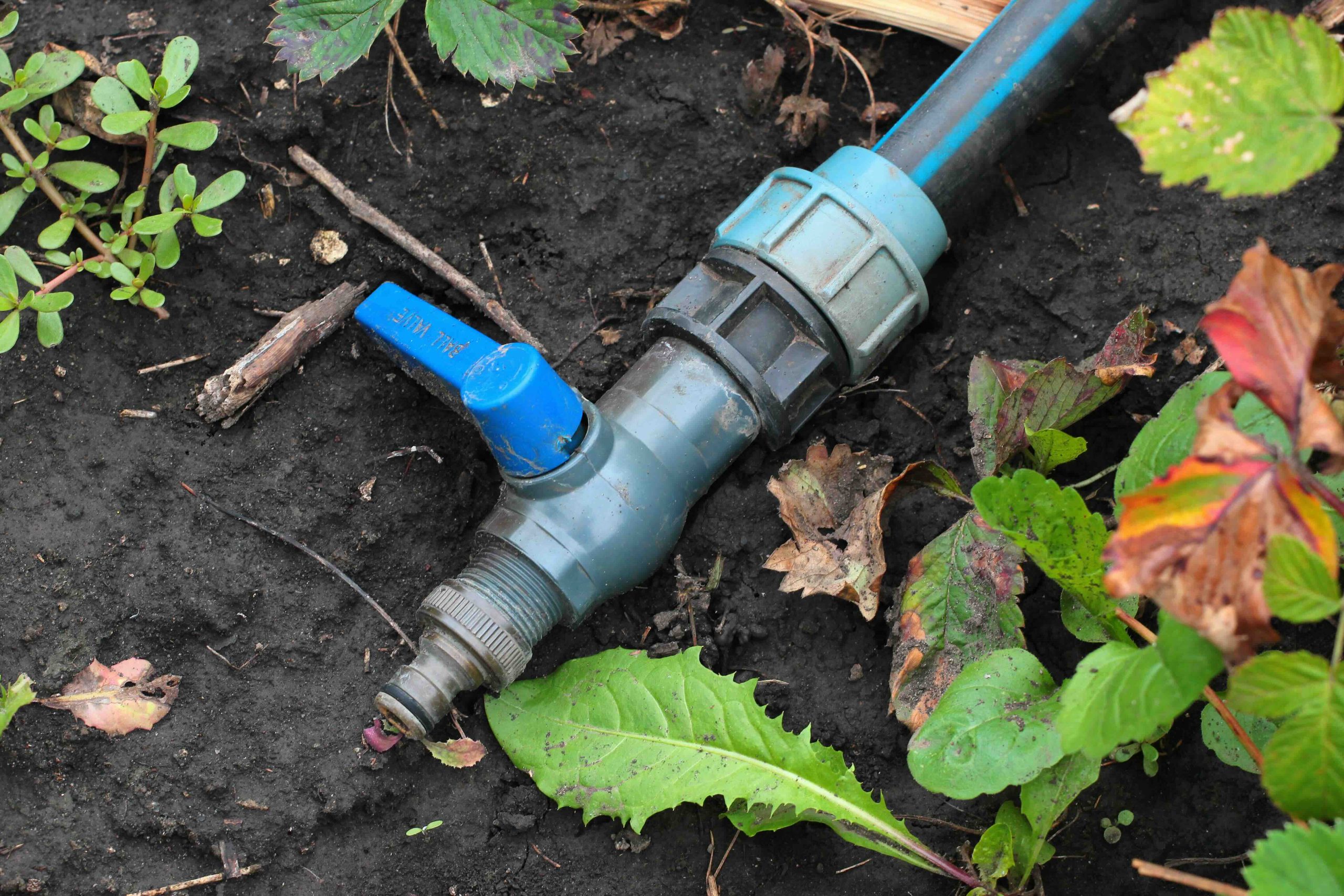
What Is a Sprinkler Valve and Why Does It Matter?
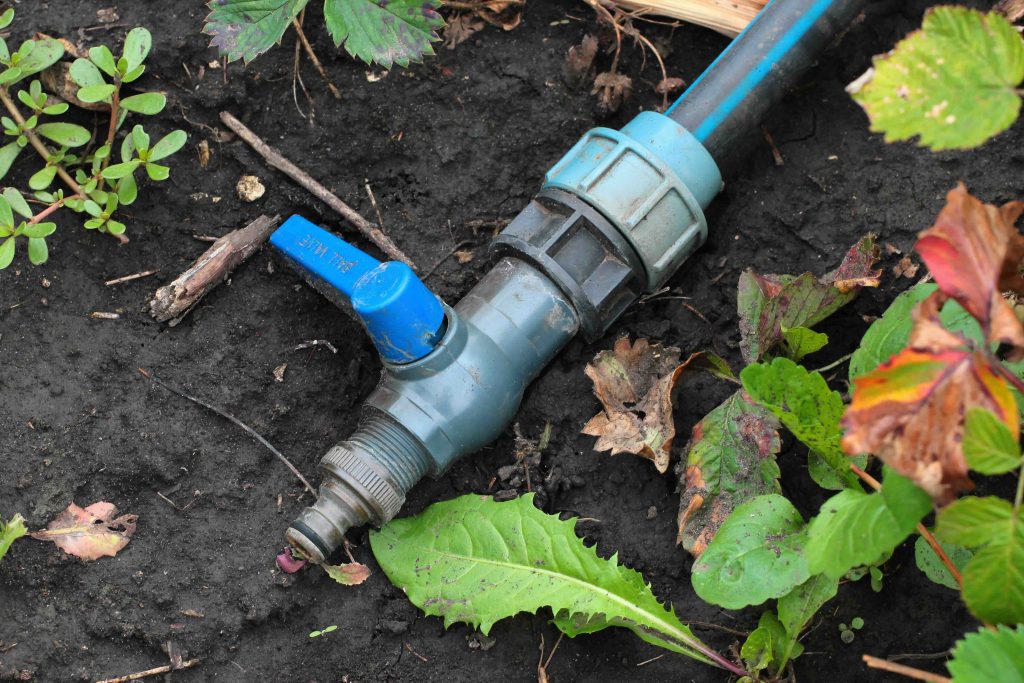
If you have an irrigation system, the sprinkler valve is essentially the gatekeeper of your entire setup. It controls when and where water flows to each zone in your yard. Think of it like a traffic light for your lawn, directing water to the right place at the right time. When everything is working properly, you barely notice it. When something goes wrong, you notice it immediately, usually because one section of your yard is either bone dry or turning into a swamp. Replacing a sprinkler valve is one of the more common irrigation repairs homeowners face, and understanding how it works can save you a lot of frustration and money.
How a Sprinkler Valve Actually Works
A sprinkler valve is an electromechanical device that opens and closes based on signals from your irrigation controller. When the controller sends an electrical signal to a specific zone, the solenoid on the valve energizes and lifts a small plunger, which allows water pressure to shift and opens the valve diaphragm. Water then flows through to that zone. Once the signal stops, the solenoid de-energizes, the spring pushes the plunger back down, and the diaphragm closes. The whole process happens in seconds and repeats on whatever schedule you have programmed. There are also manual override features built into most valves, which is helpful when you need to test a specific zone without running through the full controller cycle.
Signs That a Sprinkler Valve Needs to Be Replaced
Valves do not last forever. Most have a lifespan somewhere between seven and fifteen years depending on water quality, usage frequency, and the quality of the valve itself. There are a few telltale signs that a valve has reached the end of its road.
- A zone that stays on even after the controller has shut off, which usually points to a torn or warped diaphragm
- A zone that refuses to turn on at all, which could indicate a failed solenoid or a blocked valve
- Visible water leaking from around the valve body or valve box
- Inconsistent water pressure in one zone compared to the others
- Debris or sediment buildup inside the valve that cannot be cleared through cleaning
Sometimes a valve just needs a new diaphragm or solenoid rather than a full replacement. It is worth diagnosing the exact issue before purchasing a whole new unit.
The Replacement Process: What to Expect
Replacing a sprinkler valve is a moderately involved task. A licensed irrigator or plumber will typically start by shutting off the water supply to the irrigation system. Then they locate the valve box in your yard, which is usually a green or black rectangular box flush with the ground. The old valve is disconnected from the irrigation lines and the wiring, and a new valve is installed in its place. The wiring has to match correctly since each zone runs on a specific wire connected to the controller. After installation, the technician will test each zone to confirm proper function. The whole job can take anywhere from thirty minutes to a couple of hours depending on how many valves are being replaced and how accessible the valve box is.

DIY vs. Professional Replacement: Knowing the Difference
Some homeowners are comfortable replacing a sprinkler valve themselves, especially if it is a straightforward diaphragm swap or solenoid replacement. The parts are relatively inexpensive and widely available at hardware stores. However, if the repair involves cutting into existing irrigation lines, working with older systems that use non-standard fittings, or diagnosing electrical issues at the controller level, bringing in a professional is the smarter call. Irrigation systems can develop pressure problems, leaks, or zone failures if the new valve is not properly seated or if the wiring is connected incorrectly. A professional diagnosis also ensures you are replacing the right component rather than swapping out a part that was not actually the problem.
How Much Does It Cost to Replace a Sprinkler Valve?
Valve replacement costs can vary quite a bit based on your location, the type of valve, and how many zones you are dealing with. On average, a single valve replacement runs somewhere between seventy-five and two hundred fifty dollars when you factor in parts and labor. Higher-end valves with flow control features or anti-siphon capabilities will sit at the upper end of that range. If multiple valves need replacing at the same time, many irrigation companies offer a reduced per-unit rate. It is always a good idea to get at least two quotes before committing to a service provider, particularly for multi-valve jobs.
Key Advantages of a Properly Functioning Sprinkler Valve
A well-maintained irrigation valve does more than just water your lawn. It plays a direct role in water efficiency, plant health, and system longevity. When valves are operating correctly, each zone receives water at the right pressure and for the correct duration. This prevents overwatering, which can lead to root rot, fungal growth, and inflated water bills. It also prevents underwatering, which stresses plants and turf during hot or dry periods. Modern valves often include flow control features that let you dial in the exact pressure for each zone, giving you a level of precision that older manual systems simply cannot match.
Common Drawbacks and Limitations to Be Aware Of
Sprinkler valves are not without their frustrations. One of the most common complaints homeowners have is that valve boxes are poorly positioned, making them difficult to access without digging or moving landscaping. Valves can also be sensitive to water quality. If your water supply has high mineral content or carries sediment, valves can clog or degrade faster than expected. Cold climates present their own challenges since valves can crack if water freezes inside them during winter. Additionally, wiring issues at the solenoid or controller can mimic valve failure, leading to unnecessary part replacements if the diagnosis is not thorough.
Maintenance Tips to Extend Valve Life
A little preventive care goes a long way when it comes to irrigation valves. Running through a simple seasonal checklist can help you catch problems before they turn into expensive repairs.
- Flush your system at the start of each irrigation season to clear any debris that may have settled over the winter
- Inspect valve boxes periodically for standing water, root intrusion, or physical damage to the valve body
- Test each zone manually a few times per year to confirm consistent pressure and coverage
- Winterize your system properly in cold climates by blowing out the lines with compressed air before the first hard freeze
- Replace solenoids proactively if they are more than ten years old, since they are inexpensive and are often the first component to fail
How Armadillo Can Help Protect Your Irrigation System
Sprinkler valve failures are exactly the kind of unexpected repair that can catch homeowners off guard, and that is where a solid home warranty makes a real difference. Armadillo home warranty coverage for irrigation systems and sprinkler valves is built to take the financial sting out of repairs you did not plan for. Instead of scrambling to find a reliable technician and worrying about what the bill is going to look like, you have a plan in place that handles the heavy lifting. Armadillo keeps things transparent, with straightforward coverage terms and a network of vetted professionals who know what they are doing. If you want real peace of mind heading into irrigation season, now is the right time to get a free sprinkler system home warranty quote from Armadillo and see exactly what your home could be covered for.

Frequently Asked Questions About Replacing a Sprinkler Valve
These are some of the most common questions homeowners ask when dealing with sprinkler valve issues.
How do I know if my sprinkler valve is bad or if it is the controller?
You can test this by manually activating the valve using the bleed screw on the valve body. If the zone works manually but not through the controller, the issue is likely with the controller or wiring. If it does not work manually either, the valve itself is the problem.
Can I replace just the solenoid instead of the entire valve?
Yes, in many cases the solenoid is the only component that has failed. Solenoids are typically inexpensive and can be replaced without removing the entire valve from the irrigation line, making it a quick and cost-effective fix.
How long does a sprinkler valve last?
Most sprinkler valves last between seven and fifteen years. Water quality, system usage frequency, and proper winterization all affect how long a valve will remain in reliable working condition.
Do home warranties cover sprinkler valve replacement?
Coverage varies by provider and plan. Some home warranties include irrigation systems as an optional add-on or as part of a broader coverage package. It is important to review your specific policy terms or ask your warranty provider directly about what is included.
What causes a sprinkler valve to stay open and not shut off?
A valve that stays open is usually caused by a torn or warped diaphragm, debris stuck in the valve seat preventing a full seal, or a solenoid that has failed in the energized position. In most cases, replacing the diaphragm or solenoid resolves the problem.
Is it safe to replace a sprinkler valve myself?
For straightforward replacements on accessible valves, many homeowners handle the job themselves. However, if it involves cutting irrigation lines, older pipe materials, or troubleshooting electrical connections at the controller, a licensed irrigator is the safer choice.
How many sprinkler valves does the average home have?
Most residential irrigation systems have one valve per zone, so the total number depends on how many zones your system has. Typical residential systems range from four to ten zones, though larger properties can have significantly more.
Why is one zone getting less water pressure than the others?
Low pressure in a single zone often points to a partially closed or malfunctioning valve, a clog within the valve body, or a leak somewhere along that zone’s line. A flow control adjustment on the valve may also have been inadvertently turned down.
How do I find my sprinkler valve boxes?
Valve boxes are typically installed near the main water source or scattered throughout the yard near the zones they control. They are usually green or black rectangular covers flush with the ground. If you cannot locate them visually, a licensed irrigator can use a wire tracer tool to find buried valves.
What type of sprinkler valve should I buy as a replacement?
You should match the replacement valve to the same size, thread type, and flow rating as the original. Anti-siphon valves are commonly required in areas with backflow regulations. When in doubt, take the old valve to the hardware store or consult a professional to ensure compatibility with your existing system.