





What Is a GFI Outlet and Why Does It Keep Tripping in Your Home?
If you have ever been mid-task in the bathroom, kitchen, or garage and suddenly lost power to an outlet, there is a good chance a GFI was involved. Ground fault interrupters, commonly called GFI or GFCI outlets, are one of the most important safety features in a modern home. They are also one of the most misunderstood. Homeowners often call them nuisances when they trip, but the truth is, when a GFI does its job, it might be preventing a serious electrical injury. Understanding what these devices actually do and why they behave the way they do can save you time, money, and a lot of confusion when something goes wrong.
GFI vs. GFCI: Is There Actually a Difference?
Short answer: not really. GFI stands for ground fault interrupter, while GFCI stands for ground fault circuit interrupter. These terms are used interchangeably in the industry and among electricians. You might see one abbreviation on a product label and the other in a home warranty contract, but they refer to the same protective device. For the sake of consistency, this article will use GFI throughout, but do not let the terminology trip you up if your home warranty documentation uses GFCI instead.
How a GFI Outlet Actually Works
A GFI outlet monitors the flow of electricity moving through a circuit in real time. Under normal conditions, electrical current flows in and returns at equal levels. The moment those levels become unequal, even by a small margin, the GFI detects a ground fault and interrupts the circuit almost instantly. That reaction time is measured in milliseconds, which is fast enough to prevent electrocution in most cases. The device accomplishes this through an internal sensor that compares incoming and outgoing current. When the difference exceeds a threshold of about 5 milliamps, the outlet cuts power automatically. That is why a GFI trips so quickly and why it is so effective in areas where water is present.
Where GFI Outlets Are Required by Code
Building codes in the United States, as governed by the National Electrical Code, require GFI protection in specific locations throughout a home. These are areas where the combination of electricity and moisture creates elevated risk. While requirements have evolved over time and vary by when your home was built, GFI outlets are generally required in these locations:
- Bathrooms, including all receptacles within the space
- Kitchen countertop outlets within six feet of a sink
- Garages and detached structures without dedicated use areas
- Outdoor receptacles exposed to the elements
- Unfinished basements and crawl spaces
- Near swimming pools, hot tubs, and whirlpool bathtubs
- Boathouses and areas near bodies of water
If your home was built before certain code updates took effect, you may not have GFI protection in all of these areas. That is worth investigating, especially if you are purchasing an older home or completing a renovation.
Common Reasons Your GFI Keeps Tripping
A GFI that trips once and resets cleanly is probably doing its job correctly. A GFI that trips repeatedly or will not reset at all is telling you something more specific. Nuisance tripping is a real phenomenon, but persistent tripping usually points to a legitimate issue. Moisture is the most common culprit, particularly in bathrooms where steam and humidity build up over time. A faulty appliance plugged into the outlet can also cause tripping, as can deteriorated wiring behind the wall. In some cases, a GFI outlet itself ages out and becomes oversensitive or fails entirely. One thing worth noting is that a GFI protecting multiple outlets downstream can cause confusion when a device plugged into a different outlet in the circuit is the actual problem.
How to Reset a GFI Outlet the Right Way
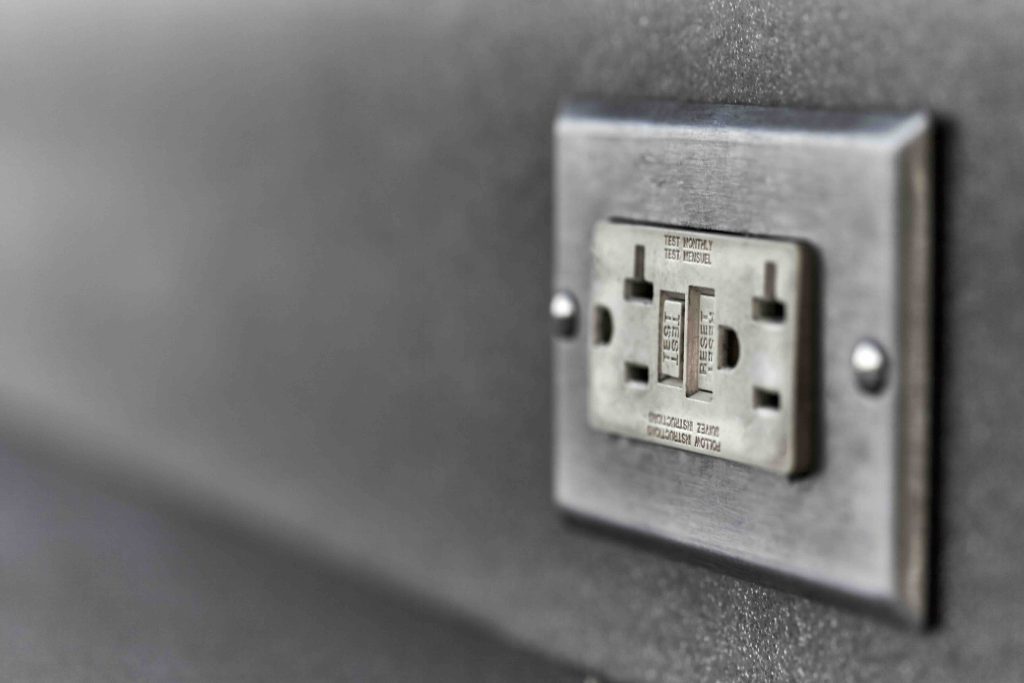
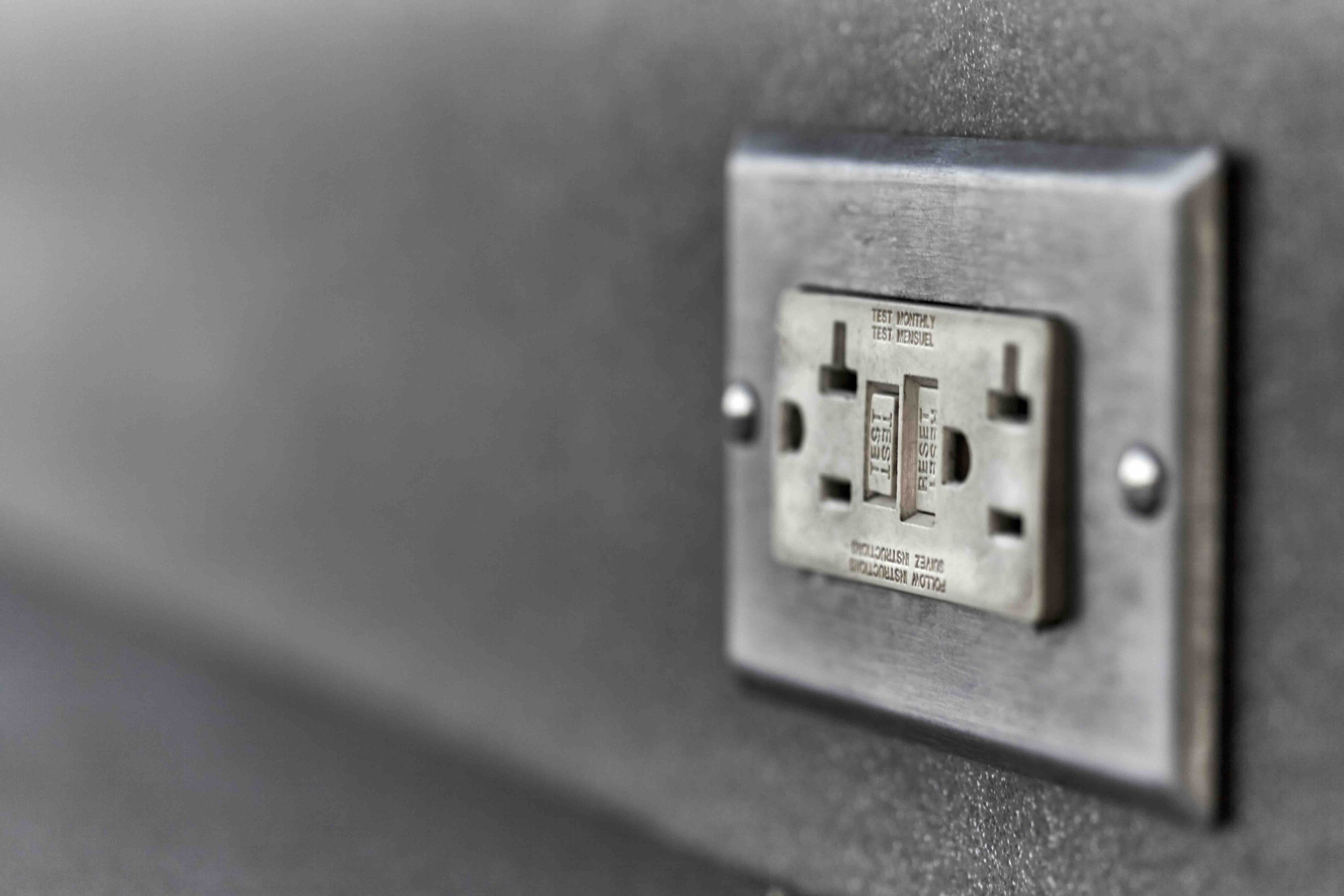
Resetting a GFI is straightforward, but homeowners often skip a critical step. When an outlet loses power, locate the GFI outlet in the circuit, which may not be the outlet closest to where you lost power. Press the test button first, then press the reset button firmly until you hear or feel a click. If the outlet does not reset, do not keep pressing repeatedly. That often means the fault condition is still present. Unplug everything connected to the circuit, then try resetting again. If power is restored, plug devices back in one at a time to identify which one triggered the fault. If the outlet still will not reset, or if it trips again immediately after resetting, that is a signal to stop and call a licensed electrician.

The Key Advantages of GFI Protection in Your Home
Beyond the obvious safety benefit, GFI outlets offer several practical advantages that make them worth understanding and maintaining properly. They are relatively inexpensive compared to the level of protection they provide. A single GFI outlet can protect multiple downstream receptacles on the same circuit, which means you do not necessarily need to replace every outlet in a bathroom or kitchen to bring the area up to code. They also reset without requiring a breaker panel visit in most situations, which is convenient. For homeowners with young children, older family members, or anyone working around water-heavy spaces, the peace of mind alone has real value.
Drawbacks and Limitations Homeowners Should Know
GFI outlets are not without their frustrations. One of the most common complaints is nuisance tripping caused by normal appliance operation. Certain motors, tools, and older appliances can produce small imbalances that a GFI interprets as a fault even when there is no real danger present. In garages and workshops, this can become disruptive. GFI outlets also have a finite lifespan, typically between 10 and 25 years depending on brand and usage conditions. An outlet that is no longer tripping when it should be is actually more dangerous than one that trips too often, because it has silently failed. Testing your GFI outlets monthly using the built-in test button is the only reliable way to verify they are still functional.
GFI Outlets and Home Warranty Coverage: What to Expect
This is where things get a bit more nuanced. Home warranty plans vary considerably in how they handle electrical system components, and GFI outlets tend to fall into gray areas depending on the provider and plan language. Generally speaking, standard home warranty coverage for electrical systems includes wiring, panels, and outlets but may exclude certain components labeled as code compliance items. A GFI outlet that fails due to normal wear and tear is more likely to be covered than one that was never properly installed or was damaged by external conditions. If your home warranty contract references grounded or protected outlets, take a closer look at whether GFI devices are explicitly included or excluded. Knowing that distinction before you file a claim can prevent a frustrating outcome.
Why Armadillo Is the Right Choice When Electrical Issues Come Up
Electrical problems like a failed GFI outlet have a way of surfacing at inconvenient times, and navigating the home warranty claims process on top of diagnosing the issue can feel like a lot. That is where having the right coverage partner makes a genuine difference. Armadillo home warranty plans for electrical systems and major home components are designed to be transparent, straightforward, and actually useful when something goes wrong. The contract language is clear, the claims process is not buried in fine print, and the coverage is built with real homeowners in mind, not just the ideal scenario. Whether you are dealing with a GFI outlet that will not reset, a wiring issue behind it, or a broader electrical concern in your home, having a reliable warranty in place matters. If you are ready to explore your options, get a free home warranty quote for GFI and electrical coverage today and see exactly what your home qualifies for without any pressure or guesswork.

Frequently Asked Questions About GFI Outlets and Home Warranty Coverage
Answers to the most common questions homeowners ask about GFI outlets, tripping behavior, and how these devices interact with home warranty plans.
What does GFI stand for and what does it do?
GFI stands for ground fault interrupter. It is an electrical safety device that monitors current flow in a circuit and cuts power within milliseconds when it detects an imbalance, protecting people from electric shock.
Why does my GFI outlet keep tripping for no obvious reason?
Repeated tripping usually points to moisture exposure, a faulty appliance on the circuit, aging wiring, or a worn-out GFI outlet that has become oversensitive. A licensed electrician can diagnose the root cause accurately.
Can a GFI outlet fail without tripping?
Yes. A GFI can fail silently, meaning it no longer trips when it should. This is why monthly testing using the built-in test button is essential. An outlet that does not trip during testing has failed and needs to be replaced.
How do I know if my GFI outlet is protecting other outlets in the room?
If multiple outlets in a bathroom, kitchen, or garage all lost power at the same time, they are likely on the same GFI-protected circuit. The GFI outlet itself is typically the one with the test and reset buttons, and it controls the others downstream.
Is a GFI outlet the same as a GFCI outlet?
Yes. GFI and GFCI refer to the same device. The terms are used interchangeably by electricians, manufacturers, and home warranty companies, so both abbreviations may appear in your documentation.
Does a home warranty cover GFI outlet replacement?
Coverage depends on the specific home warranty plan and provider. Many standard electrical system warranties cover outlet failures due to normal wear and tear, but code compliance upgrades or improperly installed outlets may be excluded. Review your contract language carefully.
How long do GFI outlets last?
The typical lifespan of a GFI outlet ranges from 10 to 25 years. Age, frequency of use, moisture exposure, and product quality all affect longevity. Outlets in bathrooms and outdoor locations often wear out faster than those in dry interior spaces.
Where are GFI outlets required in a home?
GFI outlets are required by the National Electrical Code in bathrooms, kitchens near sinks, garages, outdoor areas, unfinished basements, and locations near pools or water features. Requirements vary based on when your home was built.
Can I replace a GFI outlet myself?
Replacing a GFI outlet is a task some experienced homeowners handle themselves, but it involves working with live wiring. If you are not comfortable with electrical work, hiring a licensed electrician is the safer and often smarter choice, especially if the replacement might be covered under a home warranty.
What should I do if my GFI outlet will not reset?
Unplug all devices connected to the circuit, then press the reset button firmly. If the outlet still will not reset, the fault condition may still be active or the outlet itself may have failed. Stop pressing the button and contact a licensed electrician to inspect the outlet and the wiring behind it.