





Why a Heater Tune-Up Is One of the Smartest Things You Can Do Before Winter Hits
Most homeowners do not think about their heating system until the first cold snap hits and something goes wrong. That is a pattern worth breaking. A heater tune-up is a relatively simple, scheduled maintenance service that can mean the difference between a warm, comfortable home and an emergency repair call in the middle of January. Think of it like an oil change for your car. You do not wait until the engine starts knocking. You stay ahead of the problem. That same logic applies here, and understanding what a tune-up actually involves helps you make a much more confident decision about your home.
What Exactly Is a Heater Tune-Up
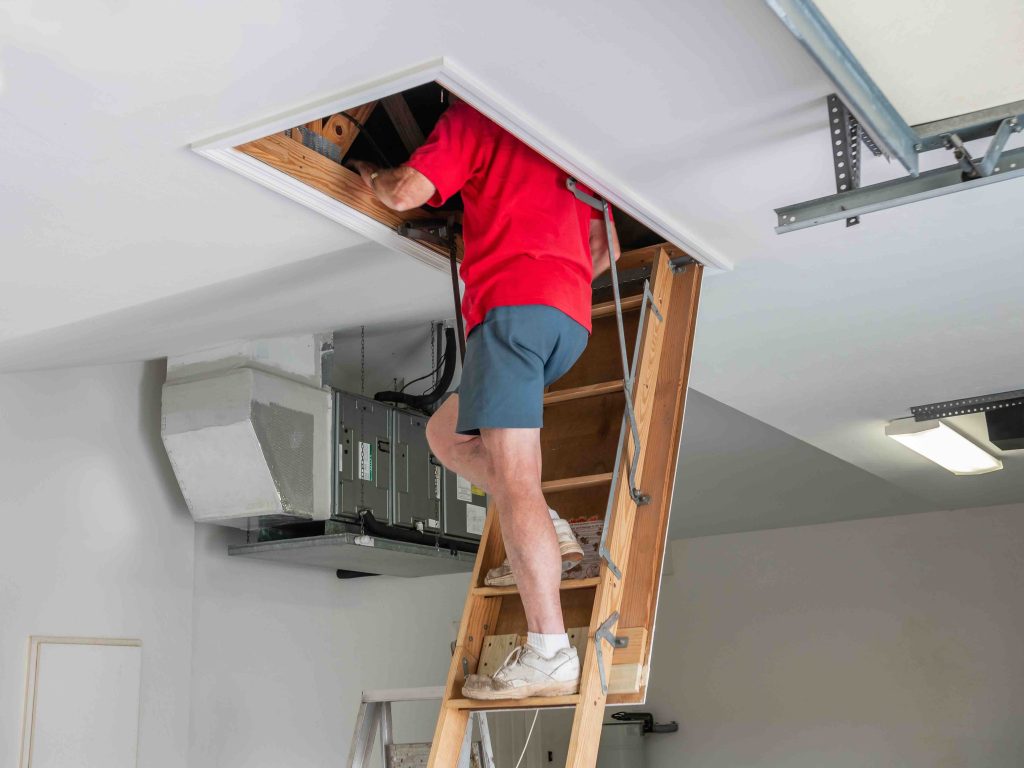
A heater tune-up, sometimes called a furnace tune-up or heating system inspection, is a professional maintenance visit performed by an HVAC technician. The technician goes through a detailed checklist to inspect, clean, test, and adjust the components that make your heating system run. This applies to gas furnaces, electric furnaces, heat pumps, and other forced-air systems. It is not a repair visit, although problems discovered during the tune-up can often be addressed at the same time. The goal is to confirm that every part of the system is operating within its intended range before you actually need it to carry the full load of heating your home through cold weather.
What Happens During a Typical Tune-Up Visit
The specific steps vary slightly depending on the technician and the type of system, but most tune-up services cover a consistent set of core tasks. Here is what a thorough inspection typically includes:
- Inspecting and replacing the air filter if needed
- Cleaning the burners and heat exchanger on gas furnaces
- Checking the blower motor and fan belt for wear
- Testing the ignition system and flame sensor
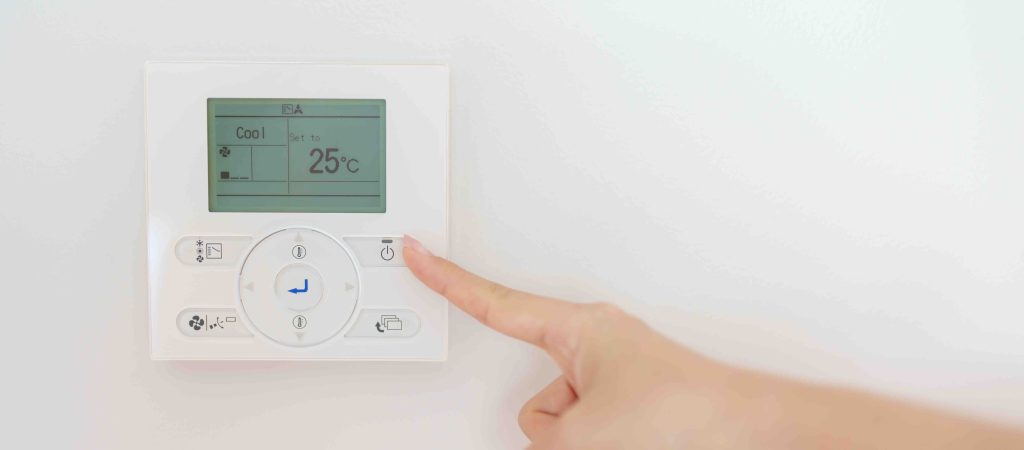
- Measuring and calibrating the thermostat
- Inspecting flue pipes and venting for blockages or damage
- Checking electrical connections and testing voltage
- Lubricating moving parts to reduce friction
- Running a carbon monoxide safety check
- Testing overall system performance and airflow
A thorough tune-up usually takes between sixty and ninety minutes. After the visit, the technician should walk you through any findings, flag parts that may be approaching the end of their useful life, and confirm that the system is ready for the season ahead.
The Real Benefits of Scheduling Annual Heater Maintenance
Skipping routine maintenance on your heating system is one of those things that feels harmless in the short term but accumulates into bigger issues over time. Scheduling a tune-up every year before heating season brings several meaningful advantages that compound the longer you keep up with it. Efficiency is a major one. A dirty, poorly maintained furnace has to work harder to produce the same amount of heat, and that extra effort shows up directly in your energy bills. A well-tuned system operates at or close to its rated efficiency, which keeps monthly costs in check. Beyond that, regular maintenance extends the overall lifespan of the equipment. Furnaces that receive consistent care routinely reach fifteen to twenty years of service. Neglected systems often fail well before the ten-year mark. Catching small problems early, like a cracked heat exchanger or a failing capacitor, also prevents those small issues from cascading into expensive emergency repairs or full system replacements.

Safety Is Not a Secondary Concern
This part deserves its own section because it genuinely matters. Gas furnaces produce combustion gases as part of their normal operation, and when the system is functioning correctly, those gases are safely vented out of the home. When components like the heat exchanger develop cracks, or when venting becomes obstructed, carbon monoxide can enter your living space. Carbon monoxide is colorless, odorless, and potentially fatal. A professional tune-up includes a carbon monoxide check that a carbon monoxide detector alone cannot fully replace. The detector tells you when there is already a problem. The tune-up helps prevent the problem from occurring in the first place. For households with gas heating systems, this safety inspection alone makes the annual service worthwhile.
Common Drawbacks and Honest Considerations
A heater tune-up is not without its limitations, and it is worth going into the process with realistic expectations. The service comes with an upfront cost that typically ranges from seventy-five to one hundred fifty dollars depending on your region and the type of system. If the technician identifies parts that need replacement, those costs are separate. Some homeowners find that tune-up visits come packaged with upsells for service contracts or part replacements that may not always be immediately necessary. Choosing a reputable, licensed HVAC company helps minimize that concern. Additionally, a tune-up is maintenance, not a guarantee. It significantly reduces the likelihood of a breakdown but cannot eliminate the possibility entirely, especially in older systems where components are simply aging out. That reality is worth acknowledging.
When to Schedule Your Heater Tune-Up
The timing of your tune-up matters more than most people realize. The ideal window is late summer to early fall, roughly August through October, before the heating season begins. Scheduling during this window gives you first access to technician availability before their calendars fill up with emergency calls, and it means your system is inspected and ready before you actually need to rely on it. If you missed that window, scheduling any time before the coldest months in your area is still better than waiting. Most HVAC companies also offer combination tune-ups that cover both your heating and cooling systems, which can be a practical and cost-effective approach to annual home maintenance.
Simple Things Homeowners Can Do Between Professional Visits
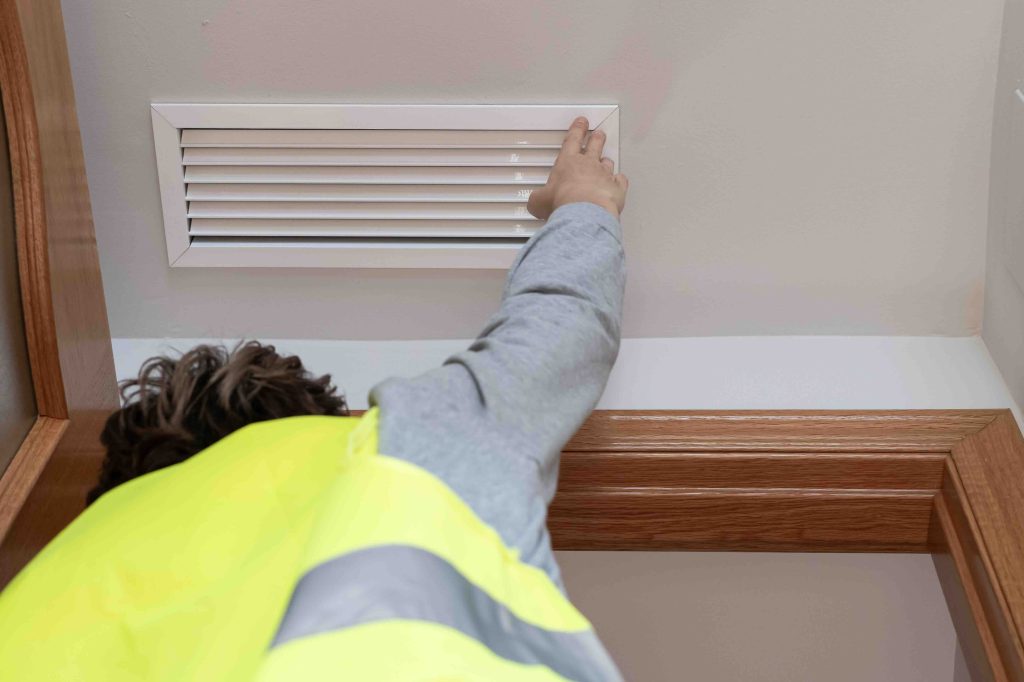
A professional tune-up is not a substitute for ongoing awareness, and there are things you can do between annual visits to keep your system running well. Replacing your air filter every one to three months is one of the highest-impact habits a homeowner can build. A clogged filter restricts airflow and forces the system to work harder, reducing efficiency and accelerating wear. Keeping vents and registers clear of furniture, rugs, and debris also helps maintain balanced airflow throughout the home. Pay attention to any unusual sounds, smells, or changes in how quickly your home heats up. Those signals are often early indicators of something worth having looked at before it worsens. Keeping the area around the furnace clean and unobstructed is another basic step that goes a long way.
How Heater Tune-Ups Relate to Home Warranty Coverage
A home warranty plan is designed to cover the cost of repairing or replacing covered systems and appliances when they break down due to normal wear and tear. Heating systems are among the most commonly covered components in a standard home warranty. However, most home warranty providers, and this is worth reading carefully in any plan you consider, require that covered systems be properly maintained. If a heating system fails and there is evidence that routine maintenance was neglected, a claim could be denied. This is why a heater tune-up and a home warranty plan are genuinely complementary. The tune-up keeps the system in good working order and demonstrates that you have been a responsible homeowner. The warranty provides a financial safety net for the unexpected failures that can occur even in well-maintained systems.
Why Armadillo Is the Home Warranty Partner Your Heating System Deserves
When your heating system is well maintained but still encounters an unexpected failure, having the right coverage in place makes all the difference. Armadillo was built around a straightforward idea: home warranty protection should be transparent, fair, and actually useful when you need it. As a homeowner who stays on top of annual heater maintenance and tune-ups, you are already doing your part. Armadillo does its part by covering the repairs and replacements that fall outside your control. If you are looking for a home warranty plan that covers your heating system and major home systems with honest, no-surprise terms, Armadillo is worth a serious look. Whether you are comparing plans for the first time or switching from a provider that disappointed you, you can get a free home warranty quote for furnace and heating system coverage in seconds and see exactly what protection looks like for your home.

Frequently Asked Questions About Heater Tune-Ups
These are the questions homeowners ask most often when considering a heater tune-up for the first time or evaluating whether their current maintenance routine is sufficient.
How often should I schedule a heater tune-up?
Once per year is the standard recommendation for most heating systems. Annual maintenance keeps the system running efficiently, extends its lifespan, and ensures any developing issues are caught before they become serious problems.
What is the average cost of a heater tune-up?
Most professional heater tune-ups cost between seventy-five and one hundred fifty dollars, though prices vary by region, system type, and provider. Some HVAC companies offer bundled maintenance plans that cover both heating and cooling systems at a discounted annual rate.
Can I perform a heater tune-up myself?
Homeowners can handle basic tasks like replacing the air filter and keeping vents clear, but a true tune-up requires professional tools, technical knowledge, and safety testing that should not be attempted without proper training, especially for gas systems.
Will a heater tune-up lower my energy bills?
Yes, in most cases. A clean, properly calibrated heating system operates closer to its rated efficiency, which means it uses less energy to produce the same amount of heat. The savings vary depending on how long maintenance was deferred and the current condition of the system.
Does a heater tune-up include carbon monoxide testing?
A reputable HVAC technician will include a carbon monoxide safety check as part of a complete tune-up, particularly for gas furnaces. This inspection checks for heat exchanger cracks and venting issues that could allow dangerous gases to enter the home.
What is the best time of year to schedule a heater tune-up?
Late summer to early fall, between August and October, is the optimal window. Scheduling before peak heating season ensures technician availability and gives you time to address any issues before temperatures drop significantly.
Does skipping a tune-up affect my home warranty coverage?
It can. Many home warranty providers require covered systems to be properly maintained. If a heating system failure is linked to neglected maintenance, a claim may be denied. Keeping records of annual tune-ups protects both your equipment and your warranty coverage.
How long does a professional heater tune-up take?
Most tune-up visits take between sixty and ninety minutes for a standard forced-air system. If the technician identifies issues that require additional repair work, the visit may take longer or require a follow-up appointment.
What are the signs that my heater needs a tune-up or repair?
Unusual noises like banging or rattling, uneven heating throughout the home, a sudden increase in energy bills, short cycling, or a yellow or flickering burner flame on a gas furnace are all signs that your system needs professional attention.
How does a heater tune-up extend the life of my furnace?
Regular maintenance reduces strain on the system by keeping components clean, lubricated, and properly calibrated. Systems that run under unnecessary stress wear out faster. Consistent annual service allows a furnace to operate as intended throughout its full expected lifespan.