





Why Cleaning the Inside of Your Garbage Disposal Actually Matters
Most homeowners spend a fair amount of time cleaning their kitchen, wiping down counters, scrubbing the sink, and running the dishwasher. The garbage disposal, though, tends to get overlooked. Out of sight, out of mind, right? Not exactly. The inside of your garbage disposal is one of the grimiest spots in the entire kitchen, and ignoring it can lead to persistent odors, bacterial buildup, and eventually, mechanical problems that are a lot more expensive to deal with than a simple cleaning session. Understanding how to clean inside of garbage disposal units properly is one of those small habits that quietly keeps your kitchen running the way it should.
How a Garbage Disposal Actually Works
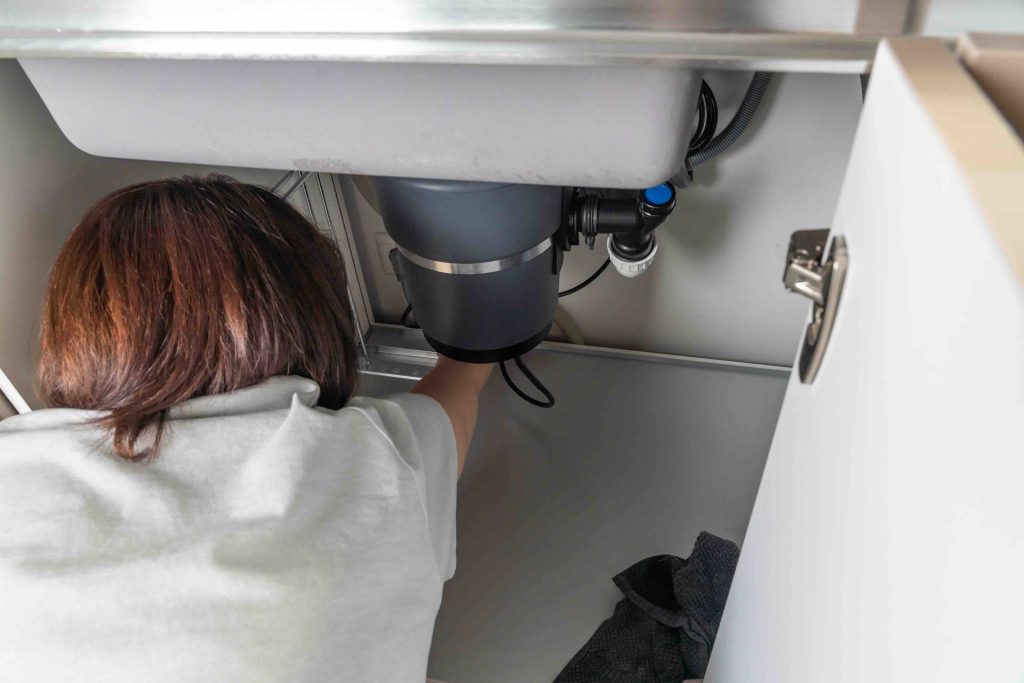
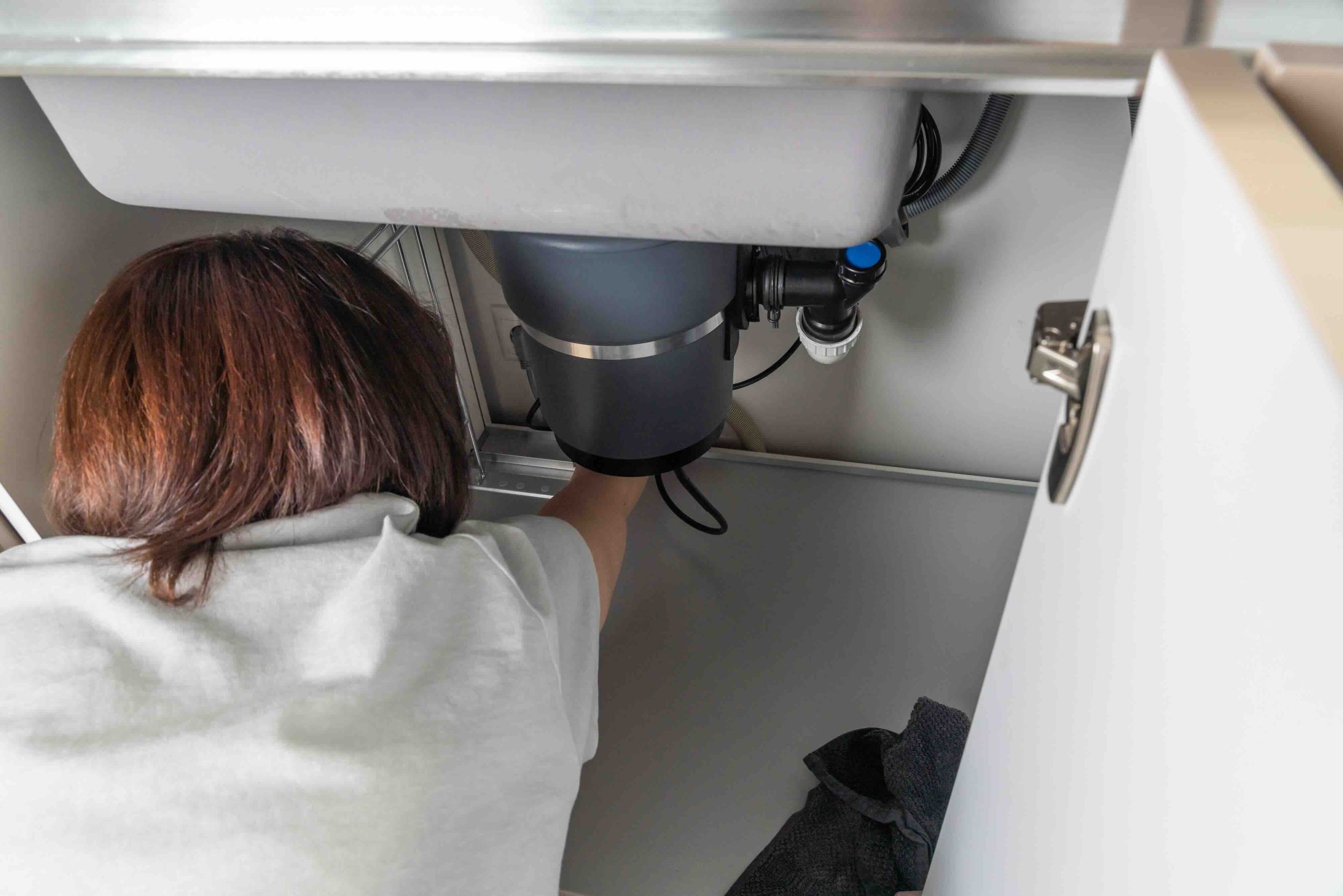
Before getting into the cleaning process, it helps to know what you are working with. A garbage disposal is a motor-driven appliance installed beneath your kitchen sink, between the drain and the P-trap. When you run it, an electric motor spins a plate called an impeller at high speed. That spinning motion forces food waste against a grinding ring, breaking it into small particles that can safely pass through your plumbing. The whole thing is designed to handle soft food scraps like cooked vegetables, fruit peels, and small bits of leftover food. What it is not designed to handle are things like grease, fibrous vegetables, hard bones, or anything non-food related. When those items end up in the disposal anyway, they leave residue that builds up inside the grinding chamber, on the impellers, and especially on the rubber splash guard, which is the flexible black flap you see at the drain opening. That buildup is where the smell comes from, and that smell is a signal that bacteria have made themselves at home.
What You Need to Clean Inside a Garbage Disposal
The good news is that cleaning a garbage disposal does not require any specialty tools or professional-grade products. Most of what you need is probably already under your sink or in your pantry. Here is a solid starting point for supplies:
- Dish soap and a stiff-bristled brush or an old toothbrush
- Baking soda and white vinegar
- Coarse salt and ice cubes
- Citrus peels, specifically lemon or orange, for deodorizing
- A flashlight for checking inside the chamber before you start
Never put your hand inside the disposal, even when it is turned off. If you need to remove something lodged inside, use tongs or needle-nose pliers. Safety comes first with this appliance, always.
Step-by-Step: How to Clean Inside of Garbage Disposal the Right Way
Start by turning off the disposal completely. Do not just flip the switch, actually unplug it from the outlet under the sink or turn off the circuit breaker if it is hardwired. Once it is safely off, use a flashlight to look inside the grinding chamber. If there is visible debris, remove it carefully with tongs. Next, peel back the rubber splash guard and clean both sides of it thoroughly with dish soap and a brush. This piece traps an enormous amount of gunk and is usually the primary source of that sour smell. After cleaning the splash guard, fill the disposal with two cups of ice and one cup of coarse salt, then run cold water and turn the unit on. The ice and salt act as a mild abrasive to scrub the grinding components without damaging them. Once that cycle completes, pour half a cup of baking soda down the drain followed by one cup of white vinegar. Let it fizz for several minutes, then flush with hot water. Finally, toss in a few citrus peels and run the disposal one more time with cold water for a fresh finish. The whole process takes maybe ten minutes and makes a noticeable difference.

How Often Should You Be Cleaning It
This is one of the most common questions homeowners have, and the honest answer depends on how much you use the disposal. For an average household that runs it daily, a thorough cleaning every one to two weeks is a reasonable target. If odors appear sooner than that, clean it sooner. As a daily habit, running cold water for at least thirty seconds after each use helps flush residue before it has a chance to settle. Dropping a few citrus peels in once a week keeps things smelling fresh between deeper cleanings. These are small, low-effort habits that add up to a meaningfully cleaner and longer-lasting appliance.
Common Mistakes That Make Things Worse
Cleaning a garbage disposal incorrectly can create new problems instead of solving existing ones. Using bleach or harsh chemical drain cleaners is one of the most frequent mistakes. These products can corrode the internal components and damage the rubber seals over time. Hot water is another culprit. Many people assume hot water is more effective at cleaning, but when it comes to the disposal, hot water melts fats and grease that then re-solidify further down the drain, causing blockages. Cold water is always preferred when running the disposal. Overloading the unit with too much food at once, particularly starchy or fibrous foods, contributes to buildup faster than most people realize. Keeping those habits in check is just as important as the cleaning itself.
Signs Your Garbage Disposal Needs More Than a Cleaning
Cleaning the inside of your garbage disposal handles a lot of common issues, but there are times when something more serious is going on. If the disposal is making loud grinding or rattling sounds, something may be lodged in the chamber or the grinding components may be worn down. If it trips the reset button frequently, the motor may be struggling. Persistent leaks from the bottom or sides of the unit are a sign of failing seals or internal cracks. Slow draining after cleaning can indicate a partial clog further down the pipe. None of these are problems a baking soda and vinegar treatment will fix. These situations typically call for a professional inspection or even a full unit replacement.
The Link Between Appliance Maintenance and Home Warranty Coverage
Here is something worth knowing. When a garbage disposal fails and you have a home warranty, the outcome of your claim can be influenced by whether the unit was reasonably maintained. Home warranty providers generally cover mechanical breakdowns that result from normal wear and tear. What they do not cover are failures caused by neglect or improper use. A disposal that was never cleaned, regularly jammed with inappropriate items, or used carelessly may be viewed differently during the claims process. Routine maintenance, including regular cleaning, positions you as a responsible homeowner and strengthens your case if something does go wrong. Keeping a basic log of when you clean and maintain your appliances is a surprisingly useful habit, especially for warranty purposes.
Practical Tips to Keep Your Disposal Running Longer
Extending the life of a garbage disposal is less about any single action and more about consistent habits built over time. A few things that genuinely help:
- Always run cold water before, during, and for thirty seconds after using the disposal
- Avoid putting fibrous items like celery, artichokes, or corn husks down the drain
- Never pour grease, oils, or fats into the disposal or the drain
- Clean the rubber splash guard weekly since it is the most bacteria-prone part
- Use the ice and salt method monthly to keep the grinding components clean
- Run the disposal regularly, even when you do not need it, to prevent rust and corrosion
These habits are not complicated, but they are the difference between a disposal that lasts seven years and one that lasts fifteen.
Why Armadillo Is the Smart Choice for Homeowners Who Take Maintenance Seriously
If you are the kind of homeowner who cleans the inside of the garbage disposal, checks on appliances, and actually reads up on how your home systems work, then you already understand that preparation matters. That same mindset is exactly what makes a home warranty worth having. Armadillo was built for homeowners who want straightforward, reliable coverage without the fine print surprises. Whether your garbage disposal needs a replacement motor or your HVAC system decides to give out in August, having coverage in place means you are not scrambling to find a technician and figure out how to pay for it at the same time. Homeowners who want to understand exactly what they are getting before they commit can explore Armadillo home warranty plans for kitchen appliances and major home systems to see how coverage is structured and what is included. When you are ready to take the next step, you can get a free home warranty quote that covers your garbage disposal and more in just a few minutes. Maintaining your home is the first layer of protection. A warranty is the second. Together, they give you a level of confidence that is hard to put a price on.

Frequently Asked Questions About Cleaning the Inside of a Garbage Disposal
Answers to the questions homeowners ask most often about garbage disposal cleaning, maintenance, and care.
How do I clean the inside of a garbage disposal without putting my hand in it?
Use a stiff brush, an old toothbrush, or a bottle brush to scrub the interior walls and the underside of the rubber splash guard. For debris inside the chamber, use tongs or needle-nose pliers. Never insert your hand into the disposal, even when the power is off.
What is the best natural way to deodorize a garbage disposal?
A combination of baking soda and white vinegar is highly effective. Pour half a cup of baking soda into the drain, follow it with one cup of vinegar, let it fizz for five minutes, then flush with hot water. Grinding citrus peels afterward adds a fresh scent.
Can I use bleach to clean my garbage disposal?
It is not recommended. Bleach can degrade the rubber components and corrode the internal mechanisms over time. Stick to gentler, food-safe options like baking soda, vinegar, dish soap, and citrus.
Why does my garbage disposal still smell after cleaning it?
The most likely culprit is the rubber splash guard. Food particles and bacteria accumulate on the underside of this flap and are easy to miss. Pull it back and scrub both sides thoroughly with a brush and dish soap.
How often should I clean my garbage disposal?
A thorough cleaning every one to two weeks is ideal for households that use the disposal daily. A quick rinse with dish soap and a citrus peel can be done weekly to manage odors between deeper cleanings.
Is it safe to put ice in a garbage disposal?
Yes. Ice is one of the most effective and safe ways to clean the grinding components. Combine two cups of ice with one cup of coarse salt, run cold water, and turn on the disposal. The abrasive action scrubs the impellers without causing damage.
What should I never put in a garbage disposal?
Avoid grease, oils, fats, fibrous vegetables like celery and artichokes, starchy foods like pasta and potato peels, large bones, coffee grounds in large amounts, and any non-food items. These cause buildup, clogs, and mechanical strain.
Does cleaning a garbage disposal help it last longer?
Yes. Regular cleaning prevents corrosion, reduces mechanical strain from buildup, and extends the overall lifespan of the unit. A well-maintained disposal can last ten to fifteen years compared to seven or fewer for a neglected one.
Will a home warranty cover my garbage disposal if it breaks down?
Many home warranty plans include garbage disposal coverage under kitchen appliances or plumbing components. Coverage typically applies to mechanical and electrical failures from normal wear and tear. Failures resulting from neglect or misuse may not be covered, which is another reason regular maintenance matters.
When should I call a professional instead of trying to fix my disposal myself?
Call a professional if the disposal makes unusual grinding or rattling sounds, frequently trips the reset button, leaks from the bottom or sides, or fails to turn on at all after resetting. These are signs of internal mechanical failure that go beyond what cleaning can address.