





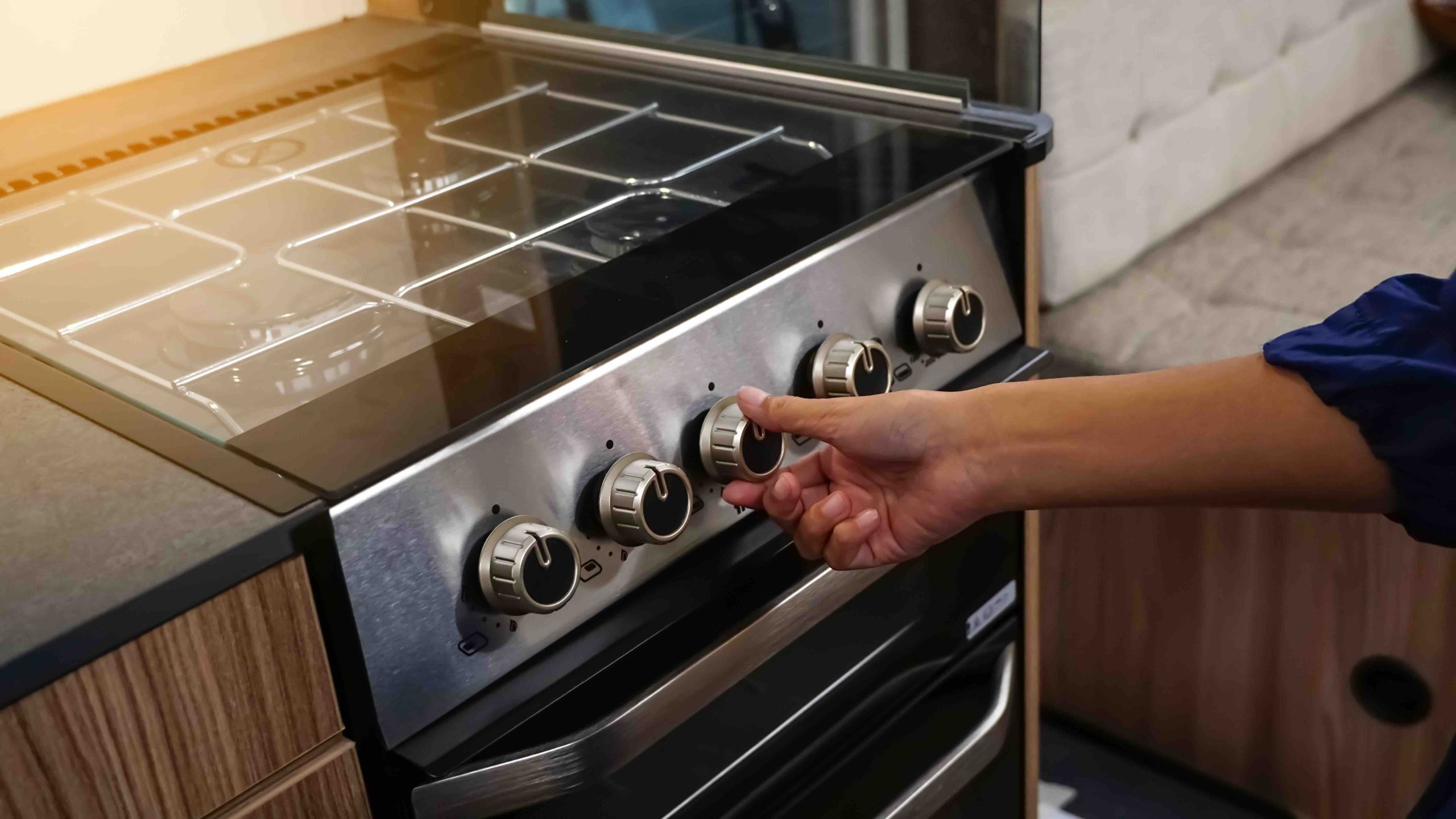
When the Oven Refuses to Light: What Every Homeowner Should Know
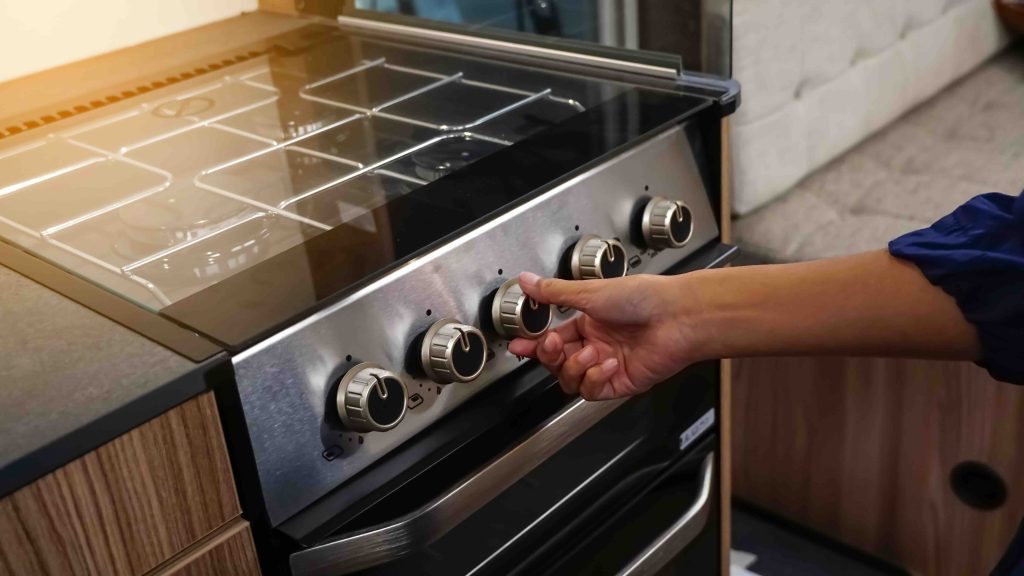
It happens at the worst possible moment. You have guests coming over, dinner is planned, and you turn on the oven only to realize nothing is happening. No ignition, no heat, no familiar whomp of gas catching flame. A gas stove oven that will not light is one of the more frustrating appliance issues a homeowner can face, partly because it feels urgent and partly because the cause is not always obvious. The good news is that this problem is more common than you might think, and understanding how your oven works is the first step toward fixing it, or at least knowing when to call someone who can.
How a Gas Stove Oven Ignition System Actually Works
Most modern gas ovens use one of two ignition methods: a standing pilot light or an electronic igniter. Older models relied on a small, continuously burning pilot flame to ignite the gas when the oven was turned on. Newer ovens, which represent the majority of units installed in homes today, use an electronic igniter that glows hot enough to ignite the gas flowing into the burner. When you set the oven temperature and the control clicks into place, the igniter draws electrical current, heats up to a very high temperature, and signals the gas valve to open. If the igniter is glowing but the oven is not lighting, or if the igniter is not activating at all, something in that chain has broken down. It is a surprisingly elegant system until it is not working.
The Most Common Reasons a Gas Oven Will Not Light
Before assuming the worst, it helps to work through the most likely culprits. Some of these you can investigate yourself, while others will require a technician.
- A faulty or weakened igniter is the single most common cause of a gas oven that will not light. Igniters degrade over time and may glow but not reach the temperature needed to open the gas valve.
- A malfunctioning safety valve, which controls the flow of gas to the burner, can prevent lighting even when the igniter is working correctly.
- A blown thermal fuse or tripped breaker can cut power to the ignition system entirely.
- Clogged burner ports from food debris or grease buildup can block gas flow to the burner.
- A disrupted gas supply, whether from a closed shutoff valve, a pressure issue, or a problem at the meter, can prevent any ignition from occurring.
- Control board failures, though less common, can cause ignition signals to fail before they ever reach the igniter.
Pinpointing the cause takes some patience. Start with the simplest checks before moving toward more complex diagnostics.
What You Can Safely Check Yourself
There is a reasonable amount a homeowner can do before picking up the phone. First, confirm that the gas supply is active. If your stovetop burners light normally, the gas supply is likely fine. Next, check your electrical panel for any tripped breakers, since the igniter in a gas oven still requires electricity to function. Open the oven and look at the igniter when you turn the oven on. If it glows orange or red but the oven does not light within 90 seconds, that is a classic sign the igniter is too weak to open the gas valve. If it does not glow at all, the issue could be electrical. Inspect the burner ports for visible debris and clean them carefully with a soft brush if needed. These are the boundaries of what most homeowners should attempt without specialized tools or training.

When to Stop DIY and Call a Professional
Gas appliances carry real risks, and there is a clear line between checking things out and actually working on them. If you smell gas at any point, do not attempt to troubleshoot further. Leave the home, avoid using any switches or open flames, and call your gas utility provider immediately. Beyond that obvious scenario, replacing components like the igniter, safety valve, or control board should be handled by a qualified appliance repair technician. These are not complicated jobs for someone with the right training, but they involve gas lines and electrical components that can cause serious harm if handled incorrectly. Knowing when to step back is part of being a smart homeowner.
How Much Does It Cost to Repair a Gas Oven That Will Not Light
Repair costs vary depending on what has failed. A straightforward igniter replacement typically runs between $150 and $300 including labor, which makes it one of the more affordable appliance repairs. A faulty safety valve can push that number closer to $200 to $400. Control board replacements, which are less common but not unheard of, can range from $300 to $600 or more depending on the appliance brand and model. Diagnostic fees alone can run $75 to $150, which is often applied toward the final repair cost. On the higher end of the spectrum, if the repair quote approaches or exceeds the cost of a new oven, replacement becomes the more financially sound decision.
Repair vs. Replace: How to Make the Right Call
A general rule of thumb in the appliance industry is that if a repair costs more than 50 percent of the appliance’s current value, replacement is worth serious consideration. Gas ranges typically last between 15 and 20 years with proper maintenance, so age matters here. An eight-year-old oven with a failing igniter is almost always worth repairing. A 17-year-old oven with a bad control board and a history of recurring issues is probably telling you something. Factor in the age of the appliance, its overall condition, the cost of the repair, and whether replacement models offer meaningful upgrades in efficiency or features that would benefit your household.
The Role of Maintenance in Preventing Ignition Problems
Preventive maintenance does not get enough attention when it comes to gas ovens, and that is a missed opportunity for homeowners. Keeping the interior clean, particularly around burner ports and the igniter area, reduces the chance of debris interfering with ignition. Avoid using excessive water or harsh chemicals near the igniter when cleaning, since moisture damage is a surprisingly common cause of igniter failure. Periodically checking that the oven door seal is intact helps maintain proper temperature, which reduces overall strain on the appliance. None of this is complicated, but consistency matters. A well-maintained oven is simply less likely to leave you stranded at dinnertime.
Understanding the Limits of Standard Homeowners Insurance
A lot of homeowners assume their property insurance covers appliance breakdowns. It generally does not. Standard homeowners insurance is designed to protect against sudden, accidental damage from external events like fires, storms, or water intrusion. A gas oven igniter that wears out from normal use is considered mechanical failure, which falls entirely outside the scope of typical homeowners insurance policies. That distinction matters, because it leaves a significant coverage gap that many people do not discover until they are already facing an unexpected repair bill.
Why a Home Warranty Makes Sense When Appliances Start Failing
A home warranty is specifically designed to fill the gap that homeowners insurance leaves open. When your gas oven stops lighting due to a covered mechanical or electrical failure, a home warranty plan can cover the cost of diagnosis, repair, or even replacement, depending on the terms of your plan. That kind of financial predictability is genuinely valuable, especially in a home with aging appliances. Armadillo home warranty coverage for kitchen appliances and home systems is built to be straightforward and honest, without the layers of fine print that make other warranty products frustrating to use. If you have been dealing with appliance headaches and want a smarter way to protect your budget, now is a good time to get a free home warranty quote for gas appliance protection and see what coverage looks like for your specific home. Appliances break down on their own schedule, not yours, and having a plan in place before something fails is always the better position to be in.

Frequently Asked Questions About Gas Oven Ignition Problems
Answers to the questions homeowners ask most often when their gas oven refuses to light.
Why is my gas oven not lighting but my stovetop burners work fine?
The oven and stovetop burners operate on separate components. Your oven uses a dedicated igniter and safety valve that can fail independently of the surface burners. A working stovetop confirms gas supply is active, but the oven igniter, valve, or a tripped electrical breaker affecting the oven circuit may still be the source of the problem.
Is it safe to use my oven if the igniter is glowing but not lighting the gas?
No. If the igniter is activating but gas is not igniting, there is a risk of gas accumulating inside the oven cavity. Turn the oven off and avoid using it until a technician has diagnosed and resolved the issue.
Can I replace a gas oven igniter myself?
Technically, some homeowners with mechanical aptitude do replace igniters themselves, as the process involves disconnecting the old igniter and connecting a replacement. However, because the repair involves gas components and requires the oven to be properly tested afterward, professional service is the safer and generally recommended approach.
How long does a gas oven igniter typically last?
Most gas oven igniters last between five and ten years under normal use. Frequency of use, cleaning habits, and the quality of the original component all influence how long an igniter remains functional.
What does it mean when my oven igniter glows but takes a long time to light?
A slow-lighting oven is often a sign that the igniter is weakening. As igniters age, they may still glow but fail to reach the precise temperature required to signal the gas safety valve to open promptly. This is a common precursor to complete igniter failure.
Will a home warranty cover a gas oven that will not light?
Most home warranty plans cover gas oven failures that result from mechanical or electrical breakdown, including issues with igniters and safety valves. Coverage details vary by provider and plan, so reviewing your specific terms is important to understand what is and is not included.
How do I know if the problem is the igniter or the gas valve?
If the igniter glows brightly and the oven still does not light within 90 seconds, the safety valve is a likely culprit. If the igniter does not glow at all, the igniter itself or an electrical issue affecting it is the more probable cause. A technician can test both components with a multimeter to confirm which has failed.
Can food debris or grease actually prevent a gas oven from lighting?
Yes. Accumulated grease and food debris can clog the burner ports in the oven, restricting gas flow and preventing reliable ignition. Regular cleaning of the oven interior, particularly around the burner area, helps prevent this type of blockage.
What should I do if I smell gas when trying to light my oven?
If you detect a gas odor, stop what you are doing immediately. Do not operate any electrical switches, do not use your phone inside the home, and leave the premises right away. Once outside, call your gas utility provider using their emergency line. Do not re-enter until the issue has been assessed and cleared by a professional.
Does the age of my oven affect whether I should repair or replace it?
Age is one of the most important factors in that decision. If an oven is within the first ten years of its lifespan, repair almost always makes financial sense for common failures like an igniter. Beyond 15 years, particularly when repair costs are significant, replacement becomes a more reasonable option worth evaluating against the cost and features of newer models.