





What Is a Boiler Maintenance Contract and Do You Actually Need One?
If your home runs on a boiler system, you already know how central it is to daily comfort. Hot water for showers, heat radiating through the floors or radiators, the quiet hum of a system working exactly as it should. But when something goes wrong with a boiler, it rarely goes wrong small. Repair costs can be significant, and the timing is almost never convenient. That is where a boiler maintenance contract comes in. It is one of those things many homeowners overlook until they are standing in a cold house wondering why they did not think ahead. So let us break this down properly.
What Is a Boiler Maintenance Contract?
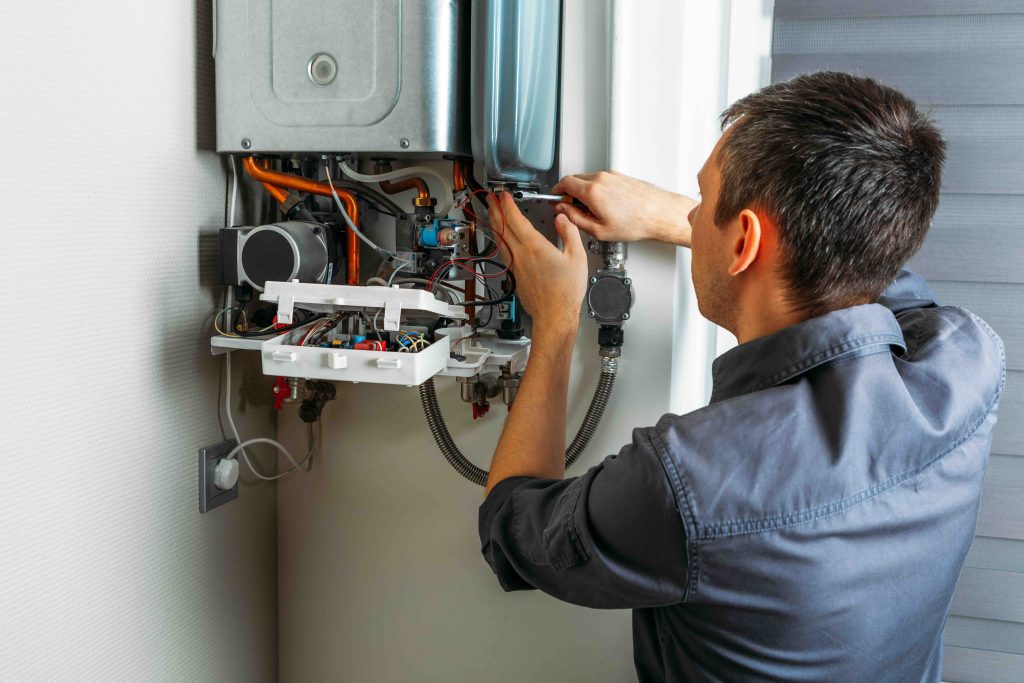
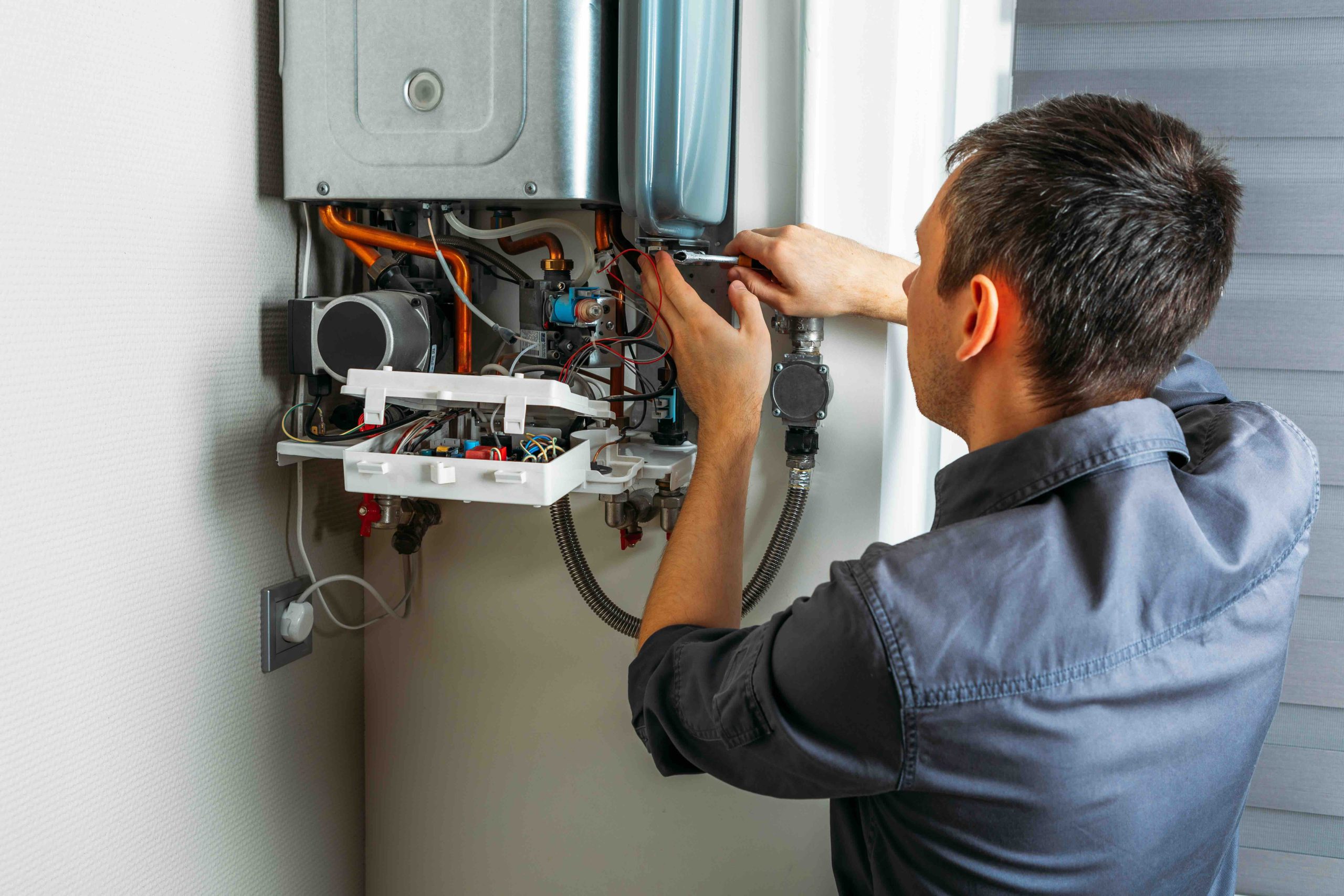
A boiler maintenance contract is a service agreement between a homeowner and either a heating company or a home warranty provider that covers routine maintenance, inspections, and sometimes repairs or parts replacement for a boiler system. Think of it as a scheduled relationship with your heating system. Rather than calling someone in a panic when the pressure drops or the pilot light fails, you have a plan already in place. Some contracts are annual service agreements through HVAC or plumbing contractors, while others are part of a broader home warranty plan that covers multiple systems throughout the home. The scope of what is included can vary quite a bit depending on the provider, so understanding what you are actually signing up for matters enormously.
How Does a Boiler System Actually Work?
Before getting into the contract details, it helps to understand what a boiler does. A boiler heats water and distributes that heated water or steam throughout your home via pipes connected to radiators, baseboard units, or radiant floor systems. Unlike forced-air systems that blow warm air through ducts, boilers provide radiant heat, which many people find more comfortable and consistent. The boiler itself typically runs on natural gas, oil, propane, or electricity. It includes components like the heat exchanger, circulator pump, expansion tank, pressure relief valve, and thermostat controls. Each of these parts plays a specific role, and when one fails, the entire system can be affected. That is exactly why maintenance matters and why contracts exist to support it.

What Does a Boiler Maintenance Contract Typically Cover?
Coverage varies by provider, but most boiler maintenance contracts or home warranty plans that include boiler coverage will address some combination of the following areas. Understanding this list before you sign anything is worth your time.
- Annual inspection and tune-up of the boiler unit
- Cleaning of burners and heat exchanger components
- Testing of safety controls and pressure relief valve
- Checking and adjusting water pressure levels
- Inspecting and bleeding radiators or baseboard units
- Repair or replacement of covered mechanical parts
- Labor costs associated with covered repairs
Some plans stop at inspection and tune-up only, while others extend to full repair and parts replacement. The distinction is significant. A maintenance-only agreement keeps your boiler healthy but does not help you financially when something breaks. A home warranty plan that includes boiler coverage goes further, addressing both upkeep and unexpected failure.
The Key Advantages of Having a Boiler Maintenance Contract
The case for having some form of boiler maintenance agreement in place is genuinely strong. Boilers are built to last, often running reliably for 15 to 30 years, but that longevity depends heavily on whether they are maintained consistently. Skipping annual service is one of the fastest ways to shorten a boiler’s lifespan or invite an expensive breakdown. A maintenance contract keeps that annual service from falling through the cracks. Beyond scheduling convenience, there are real financial benefits. Catching a small issue during a routine inspection costs far less than an emergency repair call in January. Some estimates suggest that regular boiler maintenance can reduce energy consumption by 10 to 15 percent, which translates directly to lower utility bills over time. There is also the safety angle, and this one is not minor. Boilers that are not serviced regularly can develop pressure problems, flue blockages, or carbon monoxide risks. A qualified technician checking these things annually is not optional, it is genuinely important for your household’s safety.
Common Drawbacks and Limitations to Be Aware Of
No product or plan is without its limitations, and boiler maintenance contracts are no exception. Here are some of the more common frustrations homeowners encounter.
- Contracts from local HVAC companies may not transfer if you sell your home
- Older boilers may be excluded from certain coverage tiers
- Some plans exclude pre-existing conditions or known issues at time of enrollment
- Annual contracts often auto-renew, sometimes at higher rates
- Repair-inclusive plans typically come with service call fees or deductibles
- Response times during peak heating season can vary significantly
Reading the fine print before committing is non-negotiable. Pay close attention to what is specifically excluded, what the claims process looks like, and whether there are dollar caps on covered repairs. These details determine whether a plan actually delivers value when you need it most.
Boiler Maintenance Contracts vs. Home Warranty Plans
This is a distinction worth drawing clearly. A boiler maintenance contract from a local heating contractor typically focuses on that one system, providing scheduled service and sometimes priority repair access. A home warranty plan from a provider like Armadillo takes a broader approach, covering multiple major systems and appliances under one umbrella, often including boiler or heating system coverage as part of that package. For homeowners who own multiple aging systems, a home warranty plan can offer significantly better overall value. Instead of managing separate service contracts for your boiler, water heater, HVAC, and electrical system, you have one plan that addresses all of them. The administrative simplicity alone is worth something, but the financial protection across multiple systems is where the real value lies.
Practical Tips for Boiler Owners Before You Sign Anything
If you are weighing your options, a few practical steps can help you make a smarter decision. First, know your boiler. Find the make, model, age, and any service history you have. This information directly affects what coverage you qualify for and what questions you should be asking. Second, compare what you are actually getting. A lower monthly cost means nothing if the plan excludes the parts most likely to fail. Third, ask about technician qualifications. Whether it is a local contractor or a home warranty network technician, you want someone who is certified and experienced with your specific type of boiler system. Fourth, think about your risk tolerance. If your boiler is newer and under manufacturer warranty, a basic maintenance agreement might be enough for now. If it is older and repair history is starting to accumulate, broader coverage becomes a much more important consideration.
Why Armadillo Is Worth Your Consideration for Boiler and Home System Coverage
When it comes to protecting something as critical as your home’s heating system, the provider you choose matters just as much as the plan itself. Armadillo was built around the idea that home warranty coverage should be straightforward, honest, and actually helpful when something goes wrong. If you have been looking for comprehensive home warranty coverage that includes boiler and heating system protection, Armadillo offers plans designed to cover the systems homeowners rely on most, without the confusing exclusion language that makes other plans frustrating to use. The claims process is designed to be simple, the network of service professionals is vetted, and the coverage tiers are structured to match where you are in your homeownership journey. Whether your boiler is a decade old or newer, taking a few minutes to get a personalized home warranty quote that covers your boiler system is one of the more practical things you can do for your household budget and your peace of mind heading into colder months.

Frequently Asked Questions About Boiler Maintenance Contracts
Here are answers to the questions homeowners ask most often when exploring boiler maintenance contracts and related home warranty coverage.
What is typically included in a boiler maintenance contract?
Most boiler maintenance contracts include an annual inspection, burner cleaning, safety control testing, pressure checks, and an assessment of key components like the heat exchanger and expansion tank. Some contracts also include priority repair service or parts coverage, depending on the provider.
How much does a boiler maintenance contract cost per year?
Costs vary by region and provider, but standalone boiler service contracts from local heating companies typically range from $100 to $300 annually. Home warranty plans that include boiler coverage as part of broader system protection may cost more monthly but offer significantly wider coverage.
Is a boiler maintenance contract the same as a home warranty?
No. A boiler maintenance contract is usually focused on one system and may be limited to service and inspection only. A home warranty is a broader protection plan that covers multiple systems and appliances, often including boiler or heating coverage, and typically addresses repair and replacement costs when covered components fail.
Can I get a boiler maintenance contract on an older boiler?
Many providers will service older boilers, but some warranty plans impose age restrictions or exclude pre-existing conditions. It is important to disclose your boiler’s age and condition upfront and review the terms carefully before enrolling.
How often should a boiler be serviced?
Most manufacturers and HVAC professionals recommend annual servicing, ideally before the heating season begins. Regular annual maintenance keeps the system running efficiently, helps identify small issues before they escalate, and is often required to maintain any active manufacturer warranty.
What happens if my boiler breaks down and I do not have a maintenance contract?
Without a contract or home warranty, you pay for all repair costs out of pocket. Emergency boiler repairs can range from a few hundred dollars to well over a thousand depending on the component that failed, plus any after-hours service premiums if the failure occurs during a weekend or holiday.
Does a home warranty cover boiler replacement?
Some home warranty plans include coverage for replacement if a covered boiler cannot be repaired, but this varies by provider and plan tier. Always check whether your plan specifies replacement coverage and whether there is a dollar cap that applies.
Will a boiler maintenance contract improve energy efficiency?
Yes, regular maintenance does support better energy efficiency. A clean, well-calibrated boiler operates more effectively than one running with dirty burners or miscalibrated controls. Industry data suggests properly maintained boilers can operate 10 to 15 percent more efficiently than neglected units.
Are boiler maintenance contracts transferable when I sell my home?
This depends entirely on the provider. Some local contractor agreements are not transferable, while certain home warranty plans can be transferred to a new homeowner, which can actually be a selling point during a real estate transaction.
What should I ask before signing a boiler maintenance contract?
Ask specifically what is and is not covered, whether there are service call fees or deductibles, how repairs are handled, what the response time is during peak heating season, whether the contract auto-renews, and whether older or previously serviced boilers qualify for full coverage under the terms offered.