





When Water Has Nowhere to Go: Understanding Backed Up Drains in Your Home
There is a particular kind of dread that comes with standing in a shower while the water level rises around your feet, or watching the kitchen sink sit full and motionless no matter how long you wait. Backed up drains are one of those household problems that start small and quietly escalate into something far more disruptive. Most homeowners do not think much about their drain system until it stops working, which is fair. Drain systems are not exactly glamorous. But understanding how they function, why they fail, and what you can actually do about it is genuinely useful information that can save you money, stress, and a flooded bathroom floor.
How Your Home Drain System Actually Works
Your home plumbing system is made up of two sides: the supply side, which brings clean water in, and the drain-waste-vent system, which carries used water and waste out. Every sink, tub, toilet, and appliance that uses water connects to a series of pipes that slope downward, using gravity to move water toward the main sewer line or septic system. Along the way, each fixture has a trap, that curved section of pipe beneath a sink, which holds a small amount of water to block sewer gases from entering the home. Vents run up through the walls and exit through the roof, allowing air into the system so water can drain freely without creating a vacuum. When any part of this system is disrupted, whether by a clog, a damaged pipe, or a venting issue, drainage slows or stops entirely.
What Causes Drains to Back Up
The causes behind a backed up drain range from embarrassingly simple to genuinely complicated. Most homeowners will encounter at least one clog in their lifetime that was entirely preventable. Common culprits include hair and soap scum in bathroom drains, food debris and grease in kitchen drains, and flushed items that were never meant to go down a toilet. Then there are the less obvious causes. Tree roots are a significant one. Roots naturally grow toward moisture, and sewer lines buried in the ground are an attractive target. Over time, roots can infiltrate pipe joints, causing partial or complete blockages. Older homes with cast iron or clay pipes face the added risk of corrosion and pipe deterioration, which can cause sections of pipe to collapse or misalign. Hard water mineral buildup is another slow-moving issue that gradually narrows pipe interiors until flow becomes restricted.
Signs Your Drains Are Trying to Tell You Something
A completely blocked drain is obvious, but the warning signs that lead up to it are worth recognizing early. Slow drainage in one fixture is usually a localized clog. Multiple fixtures draining slowly at the same time, especially on the same floor or throughout the house, points to a deeper issue in the main line. Gurgling sounds coming from drains or toilets after water is used elsewhere in the house suggest a venting problem or a partial main line blockage. A sewage smell coming up from drains could mean a dry trap or a more serious sewer line issue. Water backing up in one fixture when another is used, like water appearing in the tub when you flush the toilet, is a significant red flag that warrants professional attention quickly.

The Difference Between a Localized Clog and a Main Line Problem
This distinction matters more than most homeowners realize, and mixing them up can lead to wasted time, money, and effort. A localized clog sits within the drain line of a single fixture and is typically close to the drain opening. These are generally the easiest to address and respond well to basic interventions. A main line blockage, by contrast, sits in the primary pipe that connects your home to the municipal sewer or your septic system. This is the drain line that all your individual fixture drains feed into. When this line is blocked, it affects the entire house. No amount of drain cleaner poured into a single sink is going to clear a root intrusion fifty feet down the line. Knowing which type of problem you are dealing with determines your next step.
Practical Steps Homeowners Can Take
Not every backed up drain requires an immediate call to a plumber. There are reasonable first steps worth taking depending on the severity and location of the issue. A few approaches that tend to be effective include the following:
- Use a drain snake or hand auger for single-fixture clogs within the first few feet of the drain
- Try a plunger before anything else, ensuring a tight seal and using firm, consistent pressure
- Pour boiling water slowly down kitchen drains to dissolve grease buildup
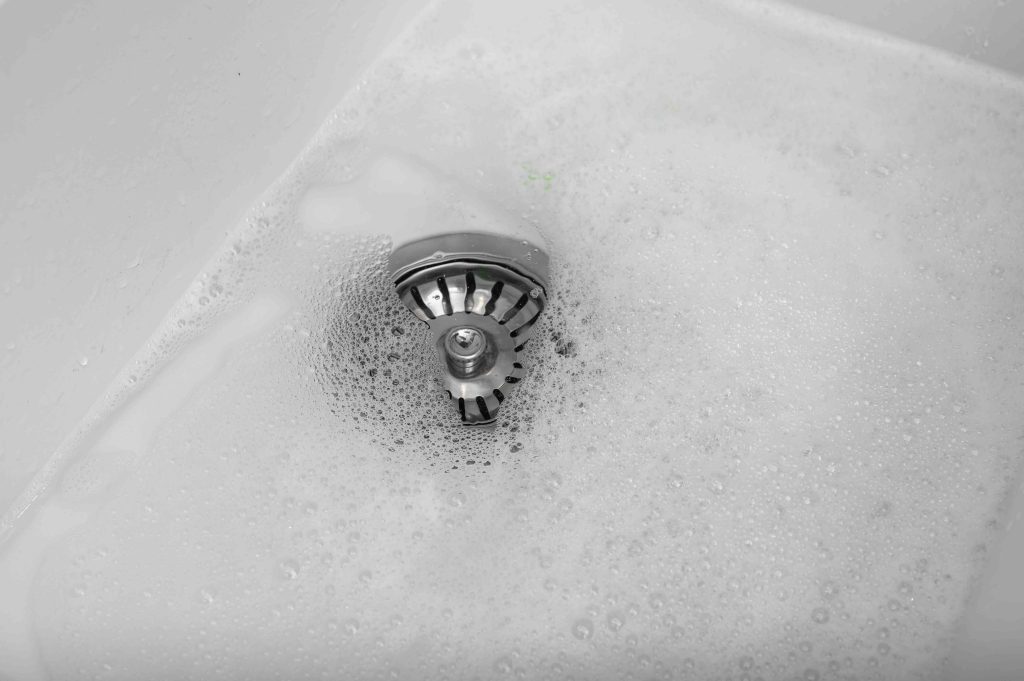
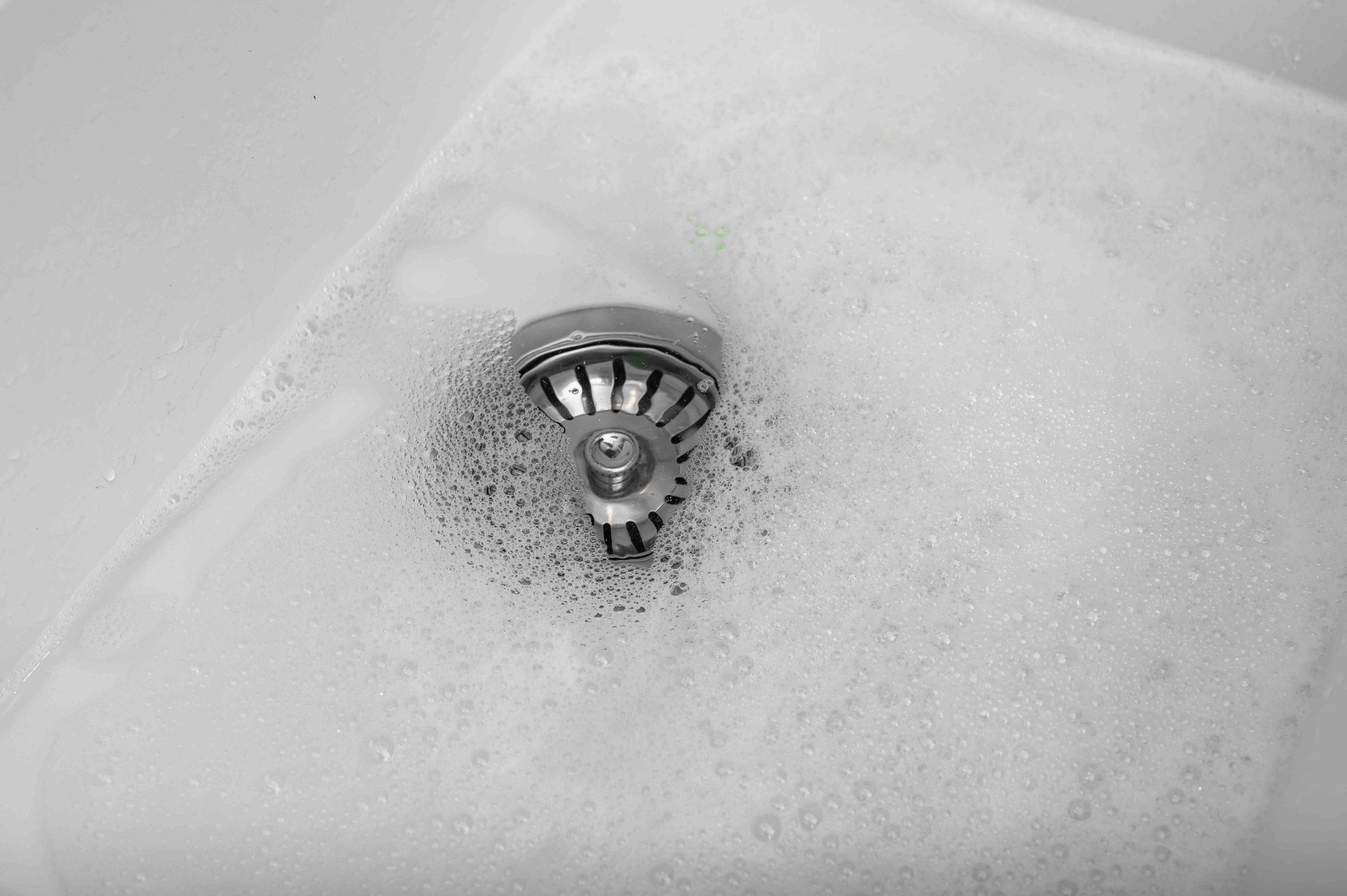
- Remove and clean drain stoppers and screens, which collect more debris than most people expect
- Avoid chemical drain cleaners when possible, as repeated use degrades pipe interiors over time
If these steps do not resolve the issue within a reasonable attempt, or if multiple drains are affected, it is time to bring in a licensed plumber. Attempting to force a main line clog with consumer tools can sometimes worsen the blockage or damage fragile older pipes.
When Professional Intervention Is Required
A plumber has access to tools that go well beyond what is available at a hardware store. Motorized drain augers can reach deep into sewer lines and break up stubborn blockages. Hydrojetting equipment uses high-pressure water to clear grease, mineral deposits, and even root intrusion. For situations where the cause is not immediately clear, a plumber can run a sewer camera through the line to visually inspect the interior of the pipe and identify exactly what is happening and where. This camera inspection is particularly valuable in older homes or when recurring clogs suggest something structural is going on. Repairs at this level, whether relining a damaged pipe or excavating a collapsed section, are not inexpensive, which is exactly where the conversation around home warranties becomes relevant.
Key Advantages of Staying Ahead of Drain Issues
Proactive drain maintenance has real financial and practical benefits that are easy to overlook until something goes wrong. Keeping drains clear and functioning properly protects your home in the following ways:
- Prevents water damage caused by overflow or sewage backup into living spaces
- Extends the lifespan of your plumbing infrastructure by reducing stress on pipes
- Eliminates the presence of sewer gases, which are both unpleasant and potentially hazardous
- Reduces the likelihood of emergency repair calls, which are almost always more expensive than scheduled service
- Protects flooring, cabinetry, and structural elements from water exposure over time
Common Drawbacks and Limitations Homeowners Should Know
Even with good habits, drain issues happen. Older homes with aging infrastructure are particularly vulnerable, and some causes like tree root intrusion or ground shifting are genuinely outside a homeowner’s control. It is also worth noting that not all home warranty plans cover drain issues in the same way. Some policies exclude main line backups, limit coverage to interior drain lines only, or require that the cause of the blockage meet specific criteria. Reading the coverage details carefully before assuming a drain problem will be covered is essential. The gap between what a homeowner expects and what a warranty actually covers is one of the most common sources of frustration in the home service industry.
Why Armadillo Is Worth Considering for Plumbing and Drain Coverage
When a backed up drain escalates into a main line repair or a sewer line replacement, the costs can climb into thousands of dollars without much warning. That is the kind of financial exposure that a solid home warranty is designed to address. Armadillo home warranty coverage for plumbing systems and drain line backups is built to be transparent and straightforward, so homeowners are not left guessing about what is actually included when something goes wrong. There are no complicated exclusions designed to catch you off guard and no confusing fine print that only reveals itself at claim time. If you are a homeowner who wants real protection against the unpredictable costs that come with drain failures, sewer issues, and plumbing system breakdowns, the best move is to get a free home warranty quote for drain and plumbing protection and see exactly what coverage looks like for your home and budget. Armadillo was built for exactly this kind of moment: the one where something breaks and you want to know someone has your back.

Frequently Asked Questions About Backed Up Drains
What is the most common cause of a backed up drain?
The most common cause is an accumulation of debris such as hair, grease, food particles, or soap residue within the drain line. In main sewer lines, tree root intrusion and pipe deterioration are leading causes in older homes.
How do I know if my main sewer line is clogged?
If multiple drains throughout your home are slow or backed up simultaneously, or if flushing a toilet causes water to back up in a tub or sink, the main sewer line is likely involved and a professional inspection is warranted.
Can I use chemical drain cleaners to fix a backed up drain?
Chemical drain cleaners can dissolve minor organic clogs, but they are corrosive and can damage pipe interiors with repeated use. They are not effective against root intrusion, collapsed pipes, or deep main line blockages.
How often should drains be professionally cleaned?
For most homes, a professional drain cleaning every one to two years is a reasonable preventive measure. Homes with older plumbing, heavy use, or a history of clogs may benefit from more frequent service.
Does a home warranty cover backed up drains?
Coverage varies by provider and plan. Some home warranties cover interior drain line stoppages, while others extend coverage to the main sewer line. It is important to review the specific terms of your policy before assuming coverage applies.
What is hydrojetting and when is it necessary?
Hydrojetting uses high-pressure water to clear drain and sewer lines of grease, mineral deposits, and root intrusion. It is typically recommended when standard auger cleaning has not resolved the blockage or when buildup along pipe walls is significant.
Why does my drain smell even when it is not clogged?
A drain odor without a visible clog often indicates a dry trap, which occurs when a rarely used fixture loses the water in its trap and allows sewer gases to enter the home. Running water through the fixture typically resolves it.
Can tree roots really damage my drain lines?
Yes. Tree roots actively grow toward moisture sources and can infiltrate sewer line joints over time. Once inside, they expand and can cause significant blockages or even structural pipe damage that requires professional repair.
What is a sewer camera inspection and do I need one?
A sewer camera inspection involves passing a small camera through your drain line to visually assess its interior condition. It is useful when recurring clogs, slow drainage, or unexplained backups suggest an underlying structural issue that cannot be diagnosed from above ground.
How much does it cost to repair a backed up main sewer line?
Repair costs vary widely depending on the cause and extent of the damage. Basic clearing of a main line blockage may cost a few hundred dollars, while pipe lining or excavation and replacement can reach several thousand dollars or more, making coverage through a home warranty plan particularly valuable.