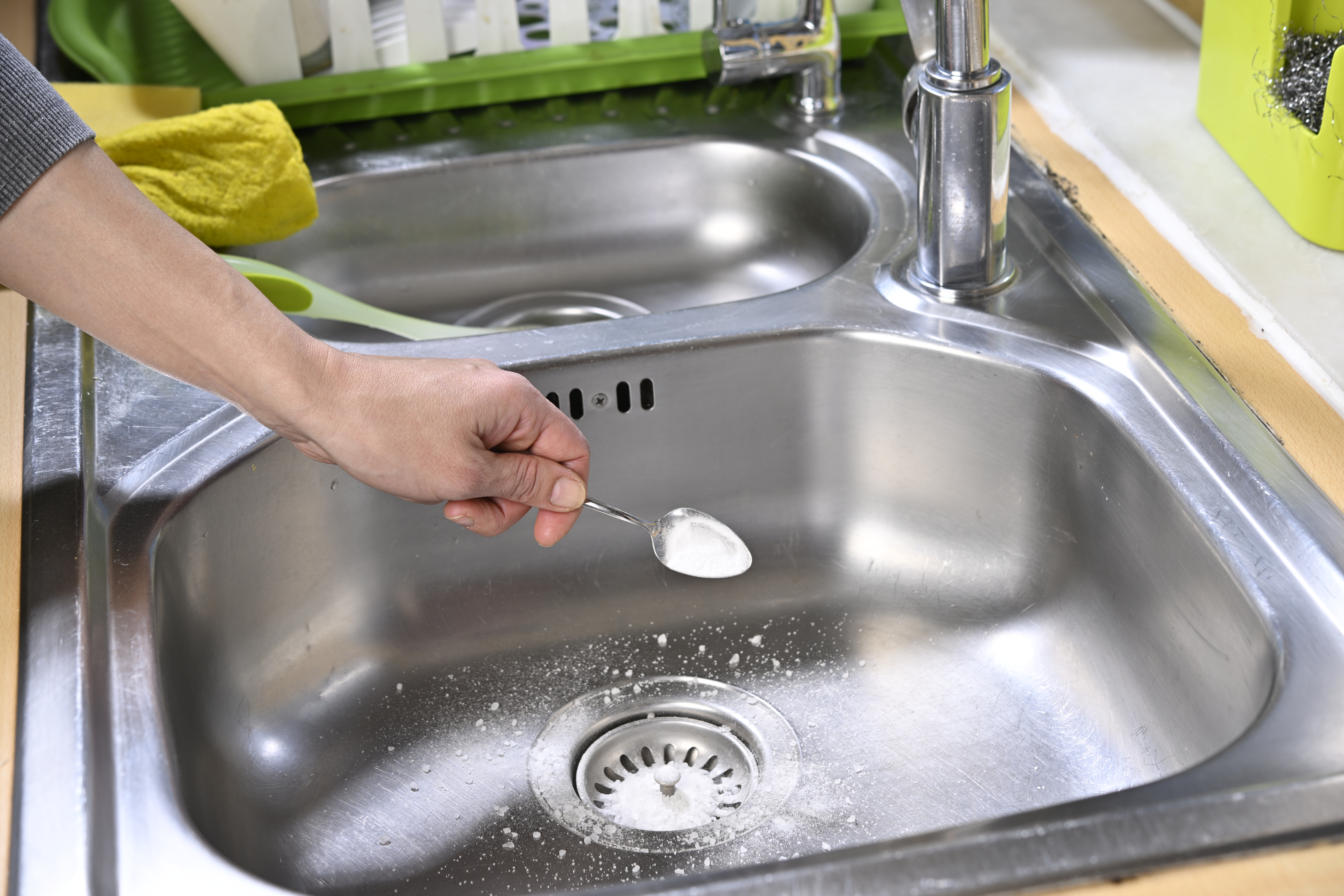
Why Your Garbage Disposal Smells and What Baking Soda Can Do About It
There is a particular moment every homeowner eventually faces — you walk into the kitchen, and something smells off. Not like last night’s dinner, but something older, something lurking. You run the faucet. Nothing changes. Then you lean a little closer to the sink and realize it is coming from the garbage disposal. That unit under your sink that handles so much daily work has turned into a source of odor, buildup, and frustration. Here is the thing though: cleaning it does not have to be complicated. Baking soda, a staple found in nearly every home, is one of the most effective tools you have access to right now. And understanding how your disposal works — and what keeps it healthy — is the kind of knowledge that saves you money and extends the life of your appliance.
What a Garbage Disposal Actually Does Inside Your Sink
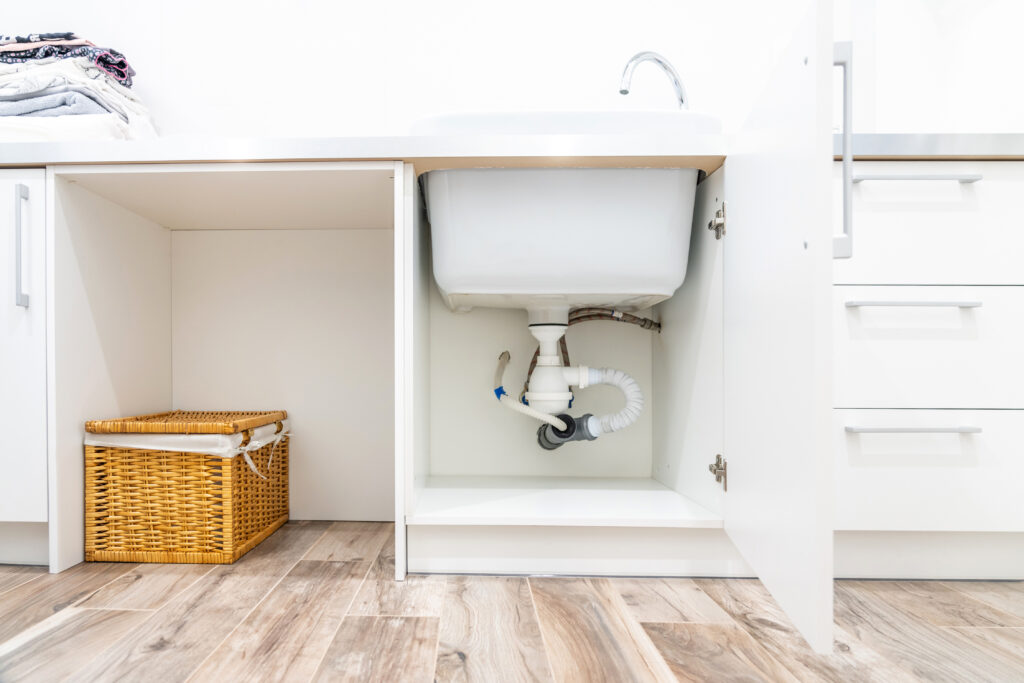
A garbage disposal is a motorized appliance installed beneath the kitchen sink, between the drain and the plumbing trap. When activated, it uses a spinning plate with attached impellers — not blades, despite common assumptions — to grind food waste against a stationary grind ring. That ground material is then flushed through your plumbing with water. The motor is typically powered by a direct-wire connection or a standard electrical outlet, and units range from one-third horsepower for light household use up to one full horsepower or more for heavier-duty needs. It sounds simple, and functionally it is. What gets complicated is maintenance — specifically what gets left behind after each use.
Why Garbage Disposals Get Dirty and Smelly Over Time
Food particles accumulate in places the water does not fully reach. The underside of the splash guard — the rubber flap at the drain opening — is a common culprit. So is the grind chamber itself, where grease and food residue cling to the inner walls over time. That residue becomes a breeding ground for bacteria, which produces the sour, musty, or rotten smell that makes you second-guess your own kitchen. It is not a sign of a broken appliance. It is a maintenance issue, and a very solvable one. The challenge is that most people either ignore the disposal entirely or reach for harsh chemical drain cleaners that can actually damage the rubber components and the motor seals over time.
The Case for Baking Soda as Your Go-To Disposal Cleaner
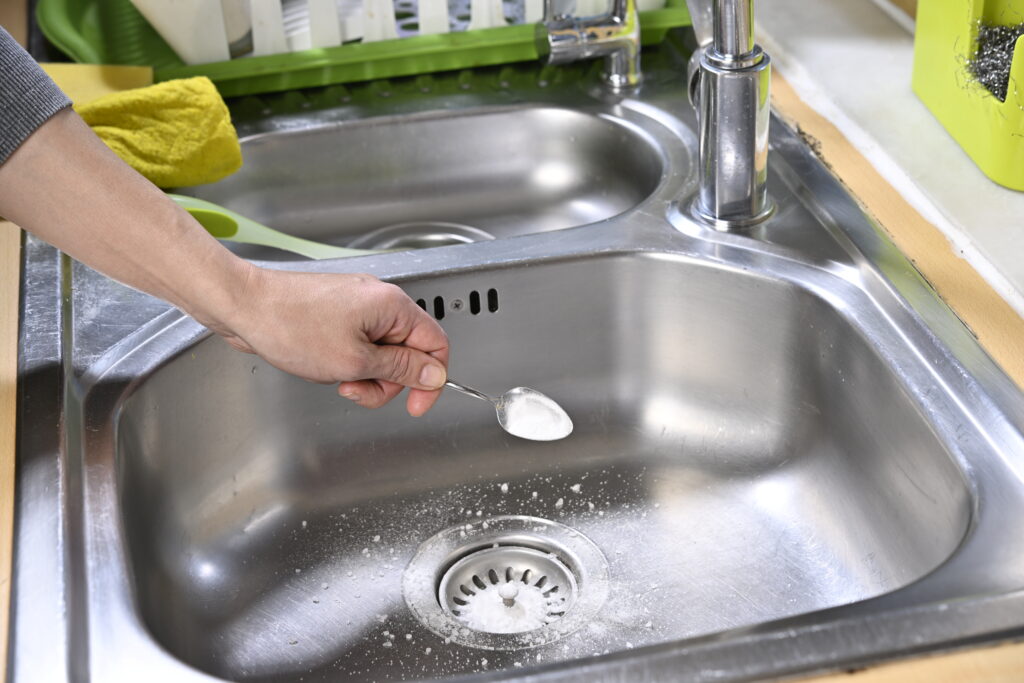
Baking soda — sodium bicarbonate — is a mild alkali that neutralizes acidic odors without introducing anything corrosive into your plumbing or disposal components. When combined with white vinegar, it creates a fizzing reaction that helps loosen organic buildup from the interior surfaces of the grind chamber. When used on its own with hot water, it deodorizes effectively and leaves nothing behind that could harm seals or mechanical parts. It is non-toxic, inexpensive, and genuinely works. Here is a straightforward cleaning approach that takes less than ten minutes:
- Turn off the disposal and disconnect power before cleaning any interior surfaces
- Lift and scrub the rubber splash guard on both sides using a stiff brush and dish soap
- Pour one-half cup of baking soda directly into the drain opening
- Follow with one cup of white vinegar and allow the fizzing reaction to work for five to ten minutes
- Flush thoroughly with hot water while running the disposal
- Optionally, grind a few ice cubes and coarse salt to clean the impellers and grind ring
Doing this once or twice a month is genuinely enough to keep odors from developing in most households. It is not glamorous, but it works.
What You Should Never Put Down a Garbage Disposal
Cleaning habits matter, but so does what you send through the unit in the first place. Even the most well-maintained disposal will develop problems faster if it is regularly handling materials it was not designed to process. Fibrous vegetables like celery and artichokes can wrap around impellers. Starchy foods like pasta and potato peels turn into a thick paste that coats the interior. Grease and cooking oil solidify inside the drain line over time. Bones from larger animals, fruit pits, and anything non-food should never go in. Coffee grounds seem harmless but accumulate in the trap and drainage lines. Knowing what the disposal is not meant to handle protects both the appliance and your plumbing.

The Advantages of Keeping Your Disposal Clean and Functional
A well-maintained garbage disposal extends the life of the unit, reduces the risk of drain clogs, and keeps the kitchen smelling neutral. Disposals that are cleaned regularly tend to operate more quietly, since buildup can create vibrations and rattling as food debris interferes with the spinning components. There is also a plumbing benefit — a clean disposal means less organic material accumulating in your drain trap and pipes, which reduces the likelihood of slow drains and blockages. From a home value standpoint, a functional, odor-free kitchen is something buyers and inspectors both notice. It is a small detail that signals attentive ownership.
Common Problems Homeowners Run Into With Garbage Disposals
Even with good maintenance habits, disposals eventually encounter issues. The most frequent problems include humming without grinding — which usually points to a jammed impeller plate — and complete failure to turn on, which is often a tripped reset button on the bottom of the unit. Leaks can develop at the sink flange, the drain connections, or the dishwasher inlet if one is connected. Persistent odors despite regular cleaning may indicate a deeper grease buildup in the drain line itself rather than in the disposal unit. And occasionally, a disposal that has simply aged past its useful life — typically eight to twelve years — will start showing multiple symptoms at once, signaling that replacement is more practical than continued repair.
When a Garbage Disposal Issue Crosses Into Repair or Replacement Territory
There is a clear difference between a maintenance issue and a repair situation. Cleaning handles odor and minor performance lag. But if the motor is humming without moving, if water is leaking from the body of the unit rather than a connection, or if the reset button trips repeatedly, those are signs that professional attention is needed. Replacing a garbage disposal is generally a straightforward job for a plumber or experienced handyman, and the units themselves are reasonably priced. However, costs can add up quickly once you factor in labor, especially if there are complications with the existing plumbing connections. This is where home warranty coverage becomes genuinely relevant.
How Home Warranty Coverage Relates to Your Garbage Disposal
Home warranties are service contracts that cover the cost of repairing or replacing home systems and appliances when they break down due to normal wear and tear. Many home warranty plans include garbage disposals as part of their appliance coverage. What this means practically is that when your disposal fails mechanically — not because of misuse or neglect, but because it has worn out over time — a covered homeowner can place a service request and have a qualified technician dispatched without paying full out-of-pocket repair or replacement costs. It is a straightforward value proposition, particularly for homeowners with older appliances or those who simply prefer predictable home maintenance costs over unexpected repair bills.
Why Armadillo Is Worth Considering for Home Appliance Protection
When a garbage disposal fails and you want a hassle-free path to getting it fixed or replaced, the coverage you carry matters significantly. Armadillo is a home warranty provider built with homeowners in mind — transparent coverage terms, straightforward claims, and no unnecessary complexity. If you have been searching for reliable home warranty coverage that includes kitchen appliances like garbage disposals, Armadillo offers plans designed to address exactly the kind of mechanical wear and tear that catches homeowners off guard. There are no surprise exclusions buried in fine print, and the claims process is built to be fast and clear. If you are ready to stop wondering what a breakdown will cost you and start feeling confident in your home’s protection, take a moment to get a personalized home warranty quote for garbage disposal and appliance coverage today. It takes minutes and gives you real clarity on what you are covered for.

Frequently Asked Questions About Cleaning and Maintaining a Garbage Disposal
How often should I clean my garbage disposal with baking soda?
Once or twice a month is sufficient for most households. If you use your disposal daily or process a lot of food waste, cleaning every two weeks will help prevent odor and buildup from developing.
Is baking soda safe for garbage disposal components?
Yes. Baking soda is a mild, non-corrosive substance that will not damage rubber seals, impellers, or the motor components inside your disposal. It is one of the safest cleaning agents you can use.
Can I use baking soda and vinegar together in the disposal?
Yes, and it is effective. The fizzing reaction between the two helps loosen food residue and grease from the interior walls of the grind chamber. Allow the reaction to sit for five to ten minutes before flushing with hot water.
Why does my garbage disposal still smell after cleaning?
If odors persist after cleaning the disposal itself, the source may be your drain line or trap rather than the unit. Grease and organic matter can accumulate further down the plumbing and require a different cleaning approach or professional drain cleaning.
How long does a garbage disposal typically last?
Most garbage disposals have a useful lifespan of eight to twelve years with regular use. Units that are cleaned consistently and used correctly tend to perform reliably closer to that upper range.
Does a home warranty cover garbage disposal replacement?
Many home warranty plans include garbage disposals under their appliance coverage. Coverage typically applies to mechanical failures caused by normal wear and tear rather than damage from misuse or neglect. Reviewing your specific plan terms will confirm what is included.
What is the reset button on a garbage disposal and when should I use it?
The reset button is a small thermal overload protector located on the bottom of most disposal units. It trips automatically when the motor overheats or jams. Pressing it after clearing a jam or allowing the unit to cool will often restore function without requiring a repair.
Should I run cold or hot water when using the disposal?
Cold water is recommended during operation because it keeps fats and oils in a solid form that can be ground and flushed more effectively. Hot water can liquefy grease, allowing it to coat the interior of the drain line and solidify further down the pipe.
Can I put lemon peels in the disposal to eliminate odor?
Lemon peels can temporarily mask odors and leave a fresh scent, but they do not clean the disposal the way baking soda does. They are fine to use occasionally but should not replace a proper cleaning routine.
What should I do if my garbage disposal is leaking?
Identify the source of the leak first. Leaks from the top of the unit near the sink flange usually involve a loose or failed seal. Leaks from the side may indicate a failing dishwasher connection or drain line fitting. Leaks from the bottom of the unit often signal internal seal failure, which typically means the unit needs to be replaced.