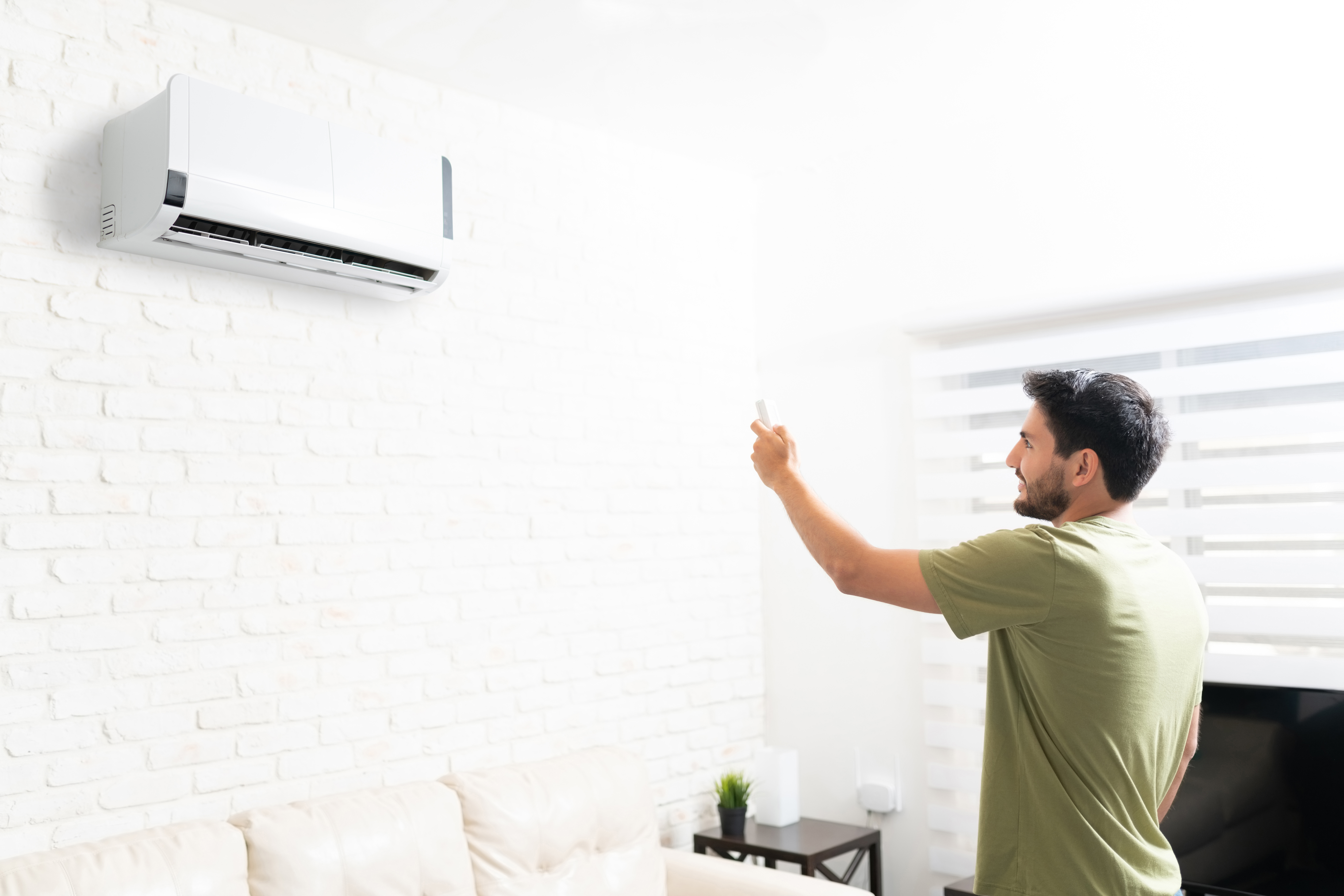
What Is a Ductless Air Conditioning and Heating System?
If you have ever lived in a home without central ductwork — or dealt with a room that just never seems to reach the right temperature — ductless systems are probably already on your radar. A ductless mini-split system is a type of heating and cooling unit that works without the need for air ducts running through your walls and ceilings. Instead, it connects an outdoor compressor unit to one or more indoor air-handling units through a small conduit that carries refrigerant lines, a power cable, and a condensate drain. The result is a flexible, efficient, and often surprisingly quiet way to control the climate in individual rooms or zones throughout your home.
How Does a Ductless Mini-Split System Actually Work?
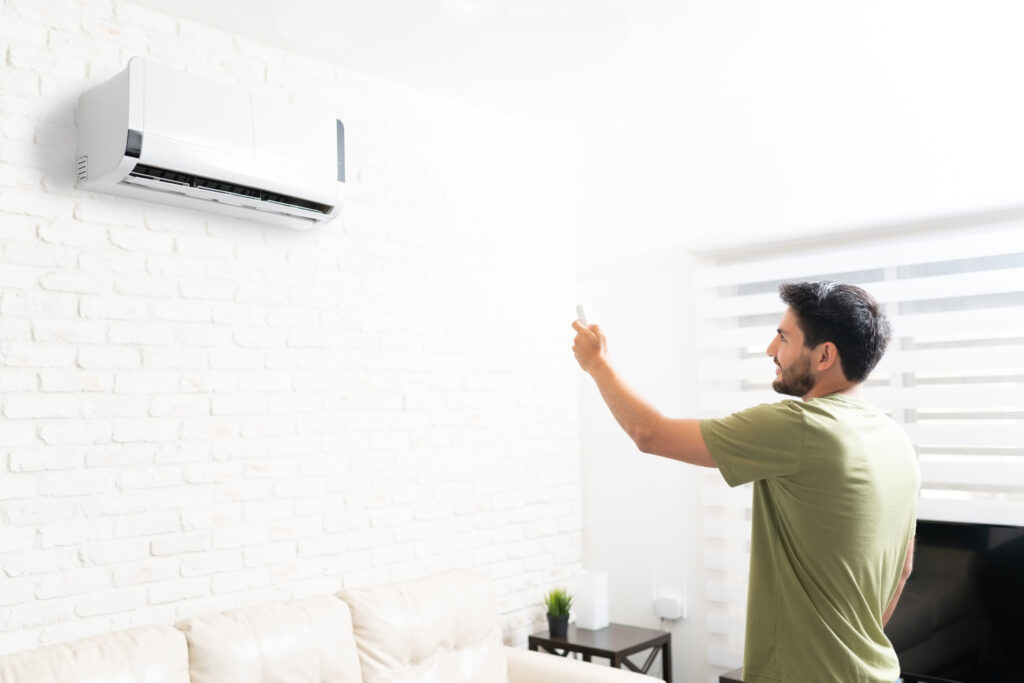
The core mechanics are not complicated once you break them down. The outdoor unit contains the compressor and condenser, which are responsible for moving refrigerant through the system. That refrigerant travels through a narrow conduit — usually requiring only a three-inch hole in the wall — to reach the indoor unit mounted on your wall or ceiling. In cooling mode, the indoor unit absorbs heat from the air inside the room and transfers it outside. In heating mode, the process reverses. Most ductless systems use heat pump technology, which means they can both heat and cool efficiently, even in moderately cold climates. A remote control or smart thermostat lets you manage each zone independently, which is one of the features homeowners tend to appreciate most.
Where Are Ductless Systems Most Commonly Used?
Ductless systems are incredibly versatile, and that adaptability is a big part of their appeal. They show up in a wide variety of residential situations, from new construction to older homes that were never built with ductwork in mind. Some of the most common applications include:
- Room additions, sunrooms, and garage conversions where extending existing ductwork would be costly or impractical
- Older homes with radiator or baseboard heating that lack central air
- Finished basements or attic spaces that need supplemental climate control
- Home offices or bedrooms where occupants want personalized temperature control
- Vacation homes or rental properties where efficiency and low maintenance are priorities
Key Advantages of Ductless Heating and Cooling Units
There is a reason ductless systems have grown significantly in popularity over the past decade. Energy efficiency is one of the biggest draws. Traditional ducted systems can lose anywhere from 20 to 30 percent of conditioned air through leaks and gaps in ductwork. Ductless systems eliminate that loss entirely. Because each indoor unit operates independently, you only condition the spaces you are actively using, which can lead to meaningful reductions in your monthly utility bills. Installation is also faster and far less invasive than a full central air system — most residential installations are completed in a single day. And the absence of ductwork means there is one less place for dust, allergens, and mold to accumulate, which is worth noting for households with respiratory sensitivities.
Potential Drawbacks You Should Know Before Buying
Ductless systems are not without their limitations, and it is worth going in with realistic expectations. The upfront cost tends to be higher than a window unit or portable air conditioner, sometimes significantly so. A single-zone system might run between $3,000 and $5,000 installed, while multi-zone setups can climb much higher depending on the number of indoor units. The indoor wall-mounted units are visible and may not suit every interior aesthetic. Some homeowners find them less subtle than vents built into the ceiling. Additionally, if the system is not sized correctly for the space — too small or too large — it can cycle inefficiently and wear out components faster. Proper installation by a licensed HVAC technician is not optional; it directly affects performance and system longevity.
Single-Zone vs. Multi-Zone Ductless Systems
Understanding the difference between single-zone and multi-zone configurations helps you choose the right setup for your home. A single-zone system pairs one outdoor unit with one indoor unit, making it ideal for targeting a specific problem area. A multi-zone system connects one outdoor unit to multiple indoor units — sometimes up to eight — allowing you to control temperatures in several rooms independently. Multi-zone systems cost more upfront but offer greater flexibility and can serve as a whole-home solution in smaller residences. Each indoor unit gets its own thermostat settings, so one family member can keep their bedroom cooler while another keeps a different room warmer. That level of control is something ducted systems simply cannot match without expensive zoning add-ons.
Maintenance Tips to Keep Your Ductless System Running Well
Ductless systems are relatively low-maintenance, but they are not entirely hands-off. The indoor unit’s air filters need to be cleaned every few weeks during periods of heavy use — most units have washable filters that slide out easily. The outdoor unit should be kept clear of debris, leaves, and overgrown vegetation, especially heading into seasons when the system sees the most demand. Once a year, it is a good idea to have a licensed HVAC technician inspect the refrigerant levels, check electrical connections, and clean the coils. Skipping annual maintenance is one of the fastest ways to shorten the life of a system that should otherwise last 15 to 20 years with proper care.

Are Ductless Systems Covered by Home Warranties?
This is a question that comes up more often as ductless systems become more mainstream in residential homes. Coverage varies widely depending on the home warranty provider and the specific plan you hold. Some home warranty plans cover ductless mini-split systems under their HVAC or heating and cooling categories, while others may treat them as optional add-ons or exclude them entirely. It is critical to read the fine print. Pay attention to what components are covered — compressors, refrigerant lines, and electrical components are common inclusions, but some plans draw the line at certain parts or cap repair costs at amounts that may not reflect real-world pricing. If you own a ductless system or are planning to install one, confirming coverage before something breaks is far better than finding out the hard way.
How to Choose the Right Ductless System for Your Home
Choosing the right system starts with understanding your space. Room size, ceiling height, insulation quality, and local climate all factor into what size and type of unit will perform best. A professional load calculation — sometimes called a Manual J calculation — gives you an accurate picture of what your home actually needs. Do not rely on rule-of-thumb estimates alone. Look for systems with high SEER2 ratings, which measure cooling efficiency, and high HSPF2 ratings for heating performance. Inverter-driven compressors, which adjust speed based on demand rather than cycling on and off, offer better efficiency and quieter operation. Brands vary in quality, warranty support, and parts availability, so factor in long-term serviceability alongside the purchase price.
Why Armadillo Is the Smart Choice for Ductless System Protection
When you invest in a ductless mini-split system, you are making a real commitment to your home’s comfort and efficiency. That investment deserves protection. Armadillo offers home warranty coverage designed to protect ductless heating and cooling systems alongside the other major systems and appliances that keep your home running. Repairs on ductless systems are not cheap — compressor replacements alone can run into thousands of dollars — and having a plan in place means you are not caught off guard when something inevitably goes wrong. If you are ready to protect your home’s climate control investment, you can get a free home warranty quote for ductless mini-split system coverage in just a few minutes. Armadillo keeps things straightforward, with clear plan details and none of the frustrating fine print that makes warranty shopping feel like a trap.

Frequently Asked Questions About Ductless Air Conditioning and Heating Systems
Below are answers to the most common questions homeowners ask about ductless mini-split systems, from installation basics to long-term ownership considerations.
What is the difference between a ductless mini-split and a central air system?
A central air system uses a network of ducts to distribute conditioned air throughout the home from a single unit. A ductless mini-split delivers heating and cooling directly to individual rooms through wall-mounted units connected to an outdoor compressor, with no ductwork required.
Can a ductless system heat a home in cold weather?
Yes. Most modern ductless systems use heat pump technology that can extract heat from outdoor air even in temperatures well below freezing. Some models are rated to operate efficiently at temperatures as low as negative 13 degrees Fahrenheit.
How long does a ductless mini-split system last?
With proper maintenance, a ductless system typically lasts between 15 and 20 years. Regular filter cleaning and annual professional servicing are the two most important factors in achieving that lifespan.
Is a ductless system more energy efficient than central air?
Generally, yes. Ductless systems avoid the energy losses associated with duct leakage, and their inverter-driven compressors adjust output based on actual demand rather than running at a fixed speed, which reduces overall energy consumption.
How much does it cost to install a ductless mini-split system?
A single-zone ductless system typically costs between $3,000 and $5,000 fully installed. Multi-zone systems with multiple indoor units can range from $5,000 to $15,000 or more depending on the number of zones and complexity of the installation.
Do I need a permit to install a ductless mini-split?
In most jurisdictions, yes. Installing a ductless system involves electrical work and refrigerant handling, both of which typically require permits and must be performed by licensed professionals. Always check local building codes before installation.
Are ductless systems covered under standard home warranty plans?
Coverage depends on the provider and plan. Some home warranties include ductless systems under HVAC coverage, while others offer it as an add-on or exclude it entirely. Reviewing your plan documents carefully is essential before assuming coverage exists.
How often should ductless system filters be cleaned?
Indoor unit filters should be cleaned every two to four weeks during periods of regular use. Most filters are washable and slide out easily for quick maintenance. Neglecting filter cleaning reduces efficiency and can strain the system over time.
Can one outdoor unit support multiple rooms?
Yes. Multi-zone ductless systems allow a single outdoor compressor to connect with multiple indoor units, each controlling a separate room or area. Depending on the system, a single outdoor unit can support anywhere from two to eight indoor units.
What size ductless system do I need for my space?
Sizing is based on a combination of factors including square footage, ceiling height, insulation quality, window area, and local climate. A professional load calculation performed by a licensed HVAC technician is the most accurate way to determine the correct size for your home.