What Is a Microwave Replacement Bulb and Why Does It Matter?
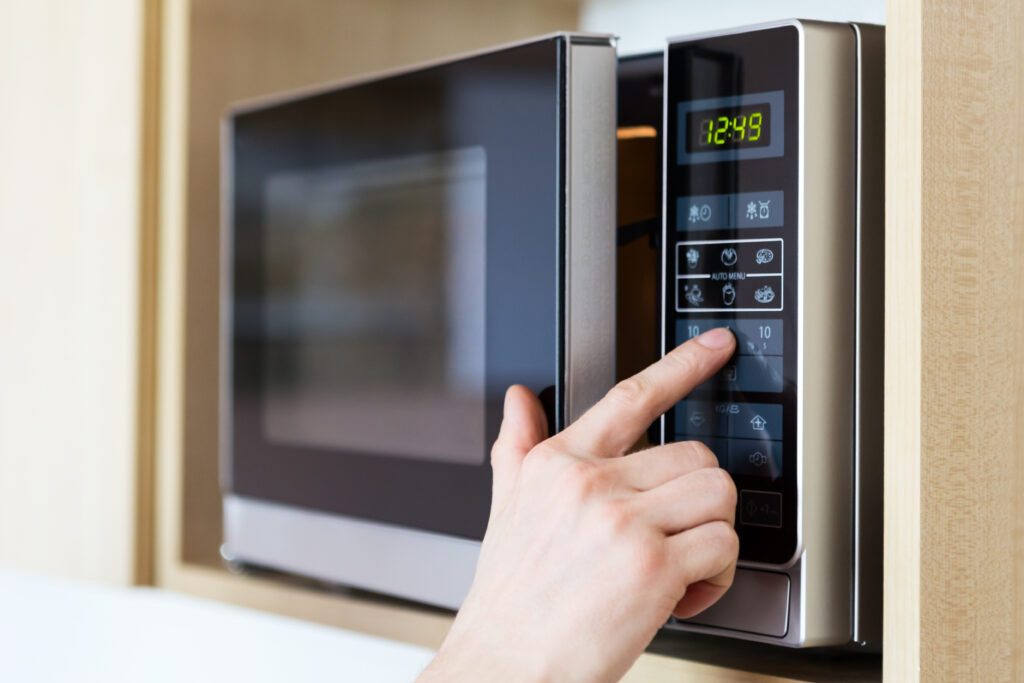
The interior light inside your microwave is one of those things you never think about until it stops working. Suddenly, you are peering through the door like you are trying to read something in the dark, wondering whether your soup is actually hot or just sitting there judging you. A replacement microwave bulb is exactly what it sounds like — a small but surprisingly important component that keeps the inside of your appliance illuminated during cooking. It lets you monitor food without opening the door, and honestly, it matters more to your cooking experience than most people give it credit for. Understanding what it is, how it works, and when to replace it can save you from unnecessary repair calls and a lot of squinting.
How a Microwave Light Bulb Actually Works
Microwave bulbs are not exactly the same as standard household bulbs, which is where a lot of homeowners get tripped up. These bulbs are designed to withstand the internal heat generated during cooking cycles, the vibrations of the appliance running, and in many cases, the electromagnetic environment inside the unit. Most microwaves use one of a few bulb types — incandescent, halogen, or LED — depending on the brand and model. The bulb is typically housed behind a small panel or cover inside the cooking cavity, or sometimes underneath the microwave if it is an over-the-range model that also serves as a range hood light. When the bulb burns out, the socket remains intact and functional; it is usually just the bulb itself that needs replacing. That is the good news.
Types of Microwave Bulbs You Should Know About
Not all microwave bulbs are interchangeable, and this is a detail that catches a lot of people off guard at the hardware store. Knowing which type you need before you shop will save you a return trip.
- Incandescent bulbs are the traditional option and still common in older microwave models. They tend to run hotter and have a shorter lifespan.
- Halogen bulbs offer a brighter, whiter light and are found in many mid-range to higher-end microwaves. They last longer than incandescent but still generate significant heat.
- LED bulbs are the newest and most energy-efficient option. They run cooler, last considerably longer, and are becoming the standard in newer appliance models.
- Appliance-specific bulbs are labeled as such for a reason — they are built to handle temperature fluctuations and vibration that standard bulbs simply are not rated for.
Always check your microwave’s owner manual or the manufacturer’s website to confirm the correct wattage and base type before purchasing a replacement. Using the wrong bulb can lead to premature failure or, in some cases, safety concerns.
Signs Your Microwave Bulb Needs Replacing
The most obvious sign is that the light simply does not come on when the microwave is running. But there are a few other indicators worth paying attention to. If the light flickers inconsistently, dims noticeably, or produces a buzzing sound when illuminated, those are early warning signs that the bulb is on its way out. In some cases, a discoloration or dark spot on the bulb itself is a visual confirmation. These are all normal signs of wear and not necessarily indicators of a larger appliance problem. The bulb is one of the first components to wear out in a microwave, and replacing it is usually a straightforward fix that does not require professional help.

How to Replace a Microwave Bulb Safely
Before anything else — unplug the microwave. This is non-negotiable. Microwaves store electrical charge even when they are not in use, and working on any internal component without disconnecting power is a genuine safety risk. Once unplugged, locate the bulb access panel. On countertop models, this is usually on the interior wall or ceiling of the cooking cavity. On over-the-range models, the light panel is often underneath the unit. Remove the panel screws with a small Phillips-head screwdriver, carefully extract the old bulb by turning it counterclockwise or pulling it straight out depending on the base type, and insert the new bulb. Reassemble the panel, plug the microwave back in, and test the light. The entire process usually takes under fifteen minutes.
Key Advantages of Keeping Your Microwave Light in Good Shape
It might seem like a minor convenience, but maintaining a functioning microwave bulb actually contributes to better cooking outcomes and appliance longevity. When you can see inside the cavity clearly, you are less likely to open the door mid-cycle, which interrupts the cooking process. For over-the-range models, the light also serves as task lighting over your cooktop — which means a burned-out bulb affects your stovetop visibility as well. Addressing the bulb promptly also means you are keeping tabs on your appliance, which leads to catching other minor issues before they become major ones.
Common Drawbacks and What to Watch For
The main frustration homeowners run into is finding the correct replacement bulb. Microwave models vary widely, and the wrong wattage or base type will not work — or worse, could damage the socket. Some newer microwave models use integrated LED systems that are not user-replaceable, which means a bulb failure in those units requires a service call or a component-level repair. Additionally, if you replace the bulb and the light still does not work, the issue may be with the socket, the wiring, or a door switch rather than the bulb itself. At that point, the repair crosses into territory that typically warrants professional attention.
When a Bulb Replacement Signals a Bigger Problem
There are times when a non-functioning microwave light is a symptom of something more significant going on with the appliance. Door interlock switches, for example, control multiple functions in a microwave — including the light. If the switch is faulty, the light may not work even with a brand-new bulb installed. Similarly, a blown internal fuse can affect the lighting circuit entirely. If you have confirmed the bulb is good and the light still does not function, it is worth consulting a technician. Microwaves contain high-voltage capacitors that retain charge even after unplugging, so internal electrical repairs beyond bulb replacement should not be attempted without professional training.
Why Home Warranty Coverage Makes Sense for Appliance Issues Like This
A microwave bulb replacement is a manageable DIY task for most homeowners, but it is a good reminder that appliances break down in ways both small and significant. When the issue goes beyond a bulb — when the magnetron fails, the control panel stops responding, or the door mechanism gives out — repair costs climb quickly. That is exactly the kind of scenario a home warranty is designed to address. Armadillo home warranty plans for kitchen appliances and major home systems are built to cover the repairs and replacements that catch homeowners off guard. Rather than absorbing the full cost of an unexpected appliance failure, you pay a predictable monthly rate and let the coverage do the heavy lifting. If you want to stop dreading the next appliance breakdown, now is a good time to get a free microwave and appliance home warranty quote from Armadillo and see what kind of protection fits your home and budget.

Frequently Asked Questions About Microwave Replacement Bulbs
Can I use a regular light bulb in my microwave?
No. Standard household bulbs are not designed to handle the heat, vibration, or electromagnetic environment inside a microwave. Always use an appliance-rated bulb with the correct wattage and base type specified in your owner’s manual.
How do I find out what bulb my microwave uses?
Check the owner’s manual first. If you no longer have it, the model number printed inside the microwave door frame can be used to search the manufacturer’s website or a parts retailer for the correct bulb specifications.
Is it safe to use my microwave without a working interior light?
Yes, the light is not required for the microwave to function safely. However, it does affect your ability to monitor food during cooking and, in over-the-range models, also impacts cooktop task lighting.
How long does a microwave bulb typically last?
Incandescent microwave bulbs generally last one to three years with regular use. Halogen bulbs can last somewhat longer, while LED bulbs in newer appliances can last several years before needing replacement.
Why is my new microwave bulb still not working after I replaced it?
If the light does not work after installing a new bulb, the issue may be with the door interlock switch, the bulb socket, or an internal fuse. These components require professional diagnosis and should not be repaired without proper technical knowledge.
Do all microwaves have replaceable bulbs?
Not all of them. Some newer models use integrated LED lighting that is not user-serviceable. In those cases, a bulb failure requires a technician or a replacement of the lighting assembly.
What wattage bulb do most microwaves use?
Most microwaves use bulbs ranging from 20 to 40 watts, but this varies by model. Using a higher wattage than specified can damage the socket or create a fire risk, so always confirm the correct rating before purchasing.
How much does it typically cost to replace a microwave bulb?
The bulb itself usually costs between two and ten dollars depending on the type. If professional service is needed due to a related electrical issue, repair costs can range from fifty to over one hundred fifty dollars depending on the problem.
Is a microwave bulb replacement covered by a home warranty?
Most home warranty plans cover functional failures of covered appliances, which can include microwave repairs. Coverage for routine consumables like bulbs varies by provider, so it is important to review your specific plan terms.
When should I consider replacing the microwave instead of repairing it?
If your microwave is more than eight to ten years old and requires repeated repairs, replacement is often the more economical choice. A single bulb swap is not cause for concern, but recurring mechanical or electrical failures in an aging unit suggest it may be time to upgrade.