When Your Clothes Dryer Breaks Down: What Every Homeowner Should Know
There are certain moments in homeownership that feel genuinely inconvenient in the most personal way possible. A broken clothes dryer is absolutely one of them. Wet laundry piling up, no clear answer about what went wrong, and suddenly you are Googling repair costs at eleven at night wondering if it is cheaper to just buy a new one. It is a situation most homeowners face at some point, and understanding how dryers work, what causes them to fail, and how to protect yourself financially can make a real difference when that moment arrives.
How a Clothes Dryer Actually Works
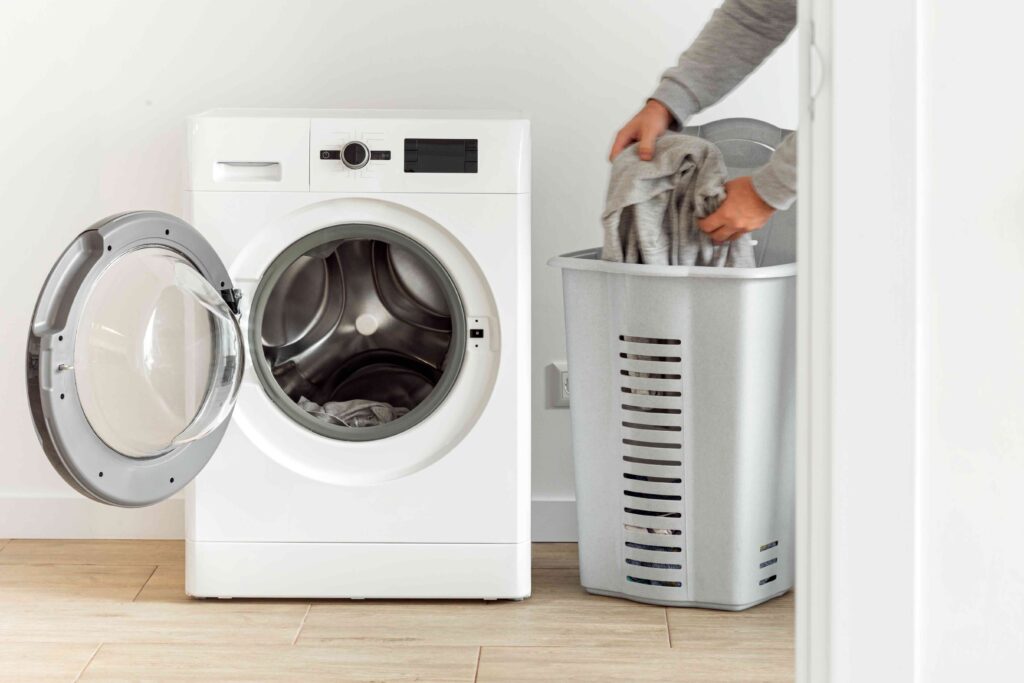
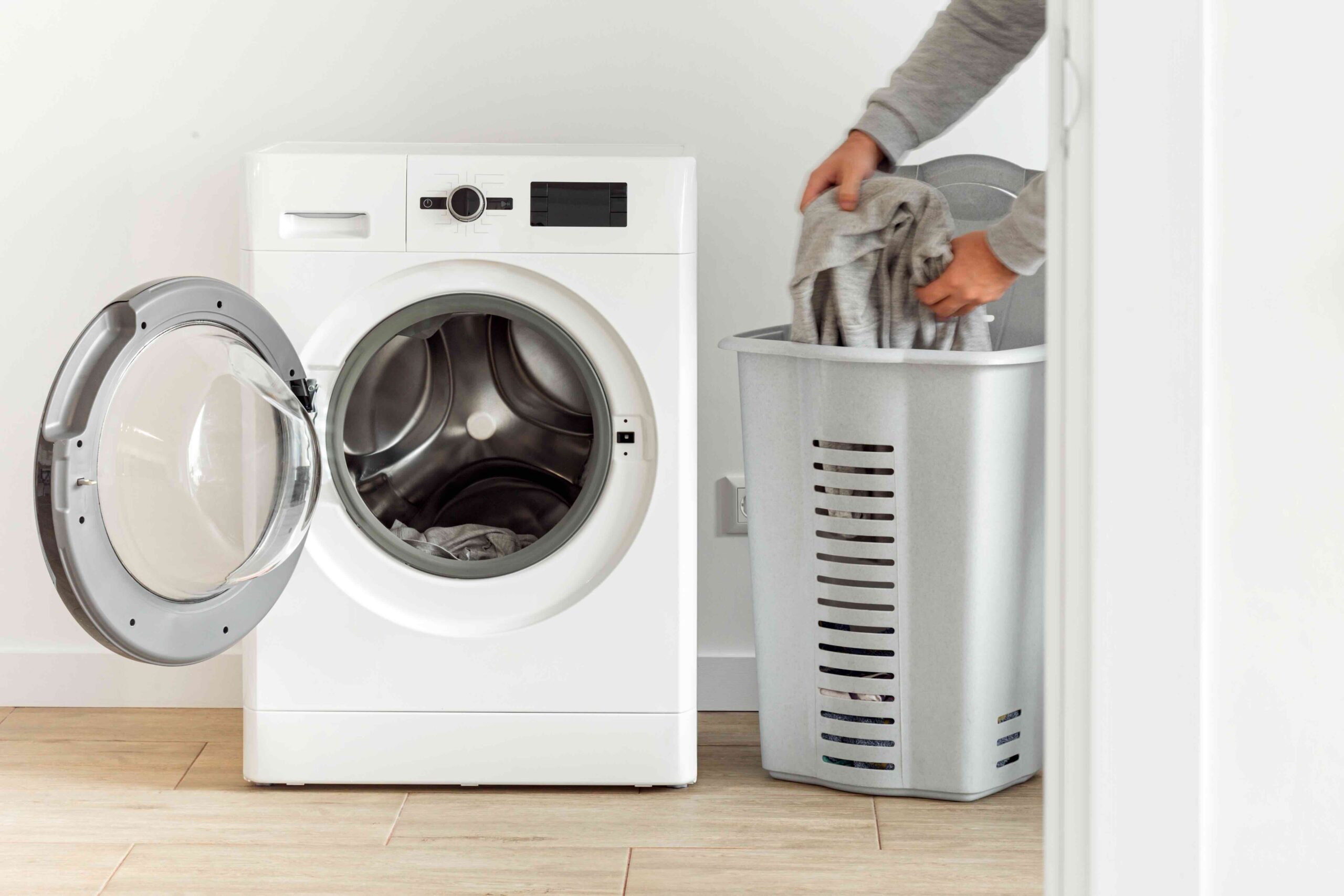
Before you can understand what breaks, it helps to understand what is happening inside the machine in the first place. A clothes dryer operates by pulling in ambient air, heating it using either an electric heating element or a gas burner, and then tumbling your clothes through that heated air while a blower fan pushes moisture-laden air out through the exhaust vent. The drum rotates continuously via a drive belt connected to a motor, and a thermostat or thermal fuse monitors and regulates temperature throughout the cycle. It is a relatively straightforward mechanical and thermal system, which is actually part of why dryers are so common in American homes. That simplicity, though, does not make them immune to failure. Components wear out, sensors drift, and years of heat cycling take a toll on even well-built machines.
The Most Common Reasons Dryers Stop Working
Understanding the most frequent failure points can help you diagnose a problem faster and have a more informed conversation with a repair technician. Here are the issues that come up most often:
- Clogged or restricted exhaust vent, which causes overheating and automatic shutoff
- Failed heating element in electric dryers, resulting in the drum spinning with no heat
- Blown thermal fuse, which is a safety device that cuts power when temperatures get too high
- Worn or broken drive belt, which causes the drum to stop turning entirely
- Faulty door switch, which prevents the dryer from starting at all
- Defective start switch or control board in newer electronic models
- Failed motor, which is less common but significantly more expensive to replace
- Gas igniter or valve issues in gas-powered units
The good news is that many of these components are relatively affordable as standalone parts. The challenge is that labor costs and diagnostic fees can add up quickly, especially if a technician needs multiple visits to identify the root cause.
Electric vs. Gas Dryers: Does It Matter When Something Breaks?
Yes, it matters quite a bit. Electric dryers are more common and tend to be less expensive to purchase, but they can be slightly more costly to operate depending on your local utility rates. When they malfunction, the issue is almost always electrical, including heating elements, thermostats, and control components. Gas dryers heat up faster and typically cost less to run, but their repair profile is different. Gas-specific components like igniters, flame sensors, and gas valves require a technician who is comfortable working with gas lines, which can affect both availability and pricing in your area. Neither type is inherently more reliable than the other, but knowing which one you have will shape your repair experience significantly.
Repair vs. Replace: How to Think Through the Decision
This is the question that comes up almost immediately when a dryer stops working, and the answer depends on several factors working together. A commonly cited rule of thumb in the appliance industry is the fifty percent rule: if the estimated repair cost exceeds fifty percent of the cost of a comparable new unit, replacement is usually the smarter long-term financial move. Age matters too. Most dryers have a functional lifespan of roughly ten to thirteen years with regular use and proper maintenance. If your dryer is already eight or nine years old and you are looking at a significant repair, that money might be better directed toward a newer, more efficient model. On the other hand, if the machine is only a few years old and the repair is relatively minor, fixing it almost always makes more sense than replacing it.

What Dryer Repairs Actually Cost Without Coverage
Out-of-pocket repair costs for clothes dryers vary widely based on the specific component, the brand of the machine, your geographic location, and the technician you hire. Diagnostic fees alone can range from fifty to one hundred dollars, and that amount may or may not be applied toward the final repair bill depending on the service provider. Replacing a heating element typically runs between one hundred fifty and three hundred dollars installed. A new drive belt might cost significantly less, somewhere in the fifty to one hundred fifty dollar range. Motor replacement, when it is needed, can push costs well above four hundred dollars. When you factor in that these failures often happen without warning and sometimes require emergency scheduling, the financial impact can feel disproportionate to what is, at its core, a relatively straightforward machine.
Dryer Maintenance Tips That Can Prevent Costly Breakdowns
Proactive maintenance is one of the most underrated things a homeowner can do to extend the life of a dryer and avoid unexpected repair bills. Cleaning the lint trap after every single load is non-negotiable. Beyond that, most homeowners overlook the exhaust vent system entirely until something goes wrong. A partially blocked vent forces the dryer to work harder, run hotter, and wear out components faster. It is also a fire hazard. Having the vent professionally cleaned once a year, or doing it yourself with the right equipment, goes a long way. Periodically checking the drum seals, listening for unusual sounds during operation, and avoiding overloading the machine are all habits that contribute to a longer appliance lifespan. None of this is complicated, but it requires consistency.
The Role of a Home Warranty When Your Dryer Breaks
A home warranty is a service contract that covers the repair or replacement of major home systems and appliances when they fail due to normal wear and tear. This is different from homeowners insurance, which typically covers damage caused by specific perils like fire or flooding. For appliances like clothes dryers, a home warranty can be particularly valuable because it addresses exactly the kind of mechanical failure that insurance does not. When your covered dryer stops working, you contact your warranty provider, they dispatch a vetted service technician, you pay a predetermined service fee, and the covered repair or replacement is handled from there. It removes the uncertainty of unknown costs and eliminates the scramble of finding a qualified technician on short notice.
What Home Warranty Plans Typically Cover for Dryers
Coverage specifics vary by provider, but most reputable home warranty plans that include appliances will cover the core mechanical and electrical components of a clothes dryer. This generally includes the heating element, drive belt, motor, drum bearings, thermostat, thermal fuse, and start switch. What is typically excluded includes cosmetic damage, issues resulting from improper installation, pre-existing conditions at the time of enrollment, and damage caused by misuse or lack of maintenance. Reading the terms of any warranty plan carefully before purchasing is essential. The best providers are transparent about what is and is not covered, and they make the claims process straightforward rather than a frustrating exercise in fine print navigation.
Why Armadillo Is the Right Choice When Your Dryer and Home Need Protection
When a clothes dryer breaks down, the last thing you want is a home warranty company that makes the claims process harder than it needs to be. Armadillo was built specifically to fix that problem. With clear, honest coverage terms and a service experience designed around the homeowner rather than bureaucratic inconvenience, Armadillo brings something genuinely different to a category that has not always had the best reputation. If you are looking for reliable home warranty coverage for appliances like your clothes dryer, Armadillo home warranty plans for appliances and home systems are worth a serious look. The platform is transparent, the coverage is real, and the process of getting protected is remarkably simple. You can take the first step right now and get a free home warranty quote that covers your clothes dryer and major appliances in just a few minutes. Protecting your home should not feel complicated, and with Armadillo, it genuinely does not.

Frequently Asked Questions About Broken Clothes Dryers and Home Warranty Coverage
Here are answers to the questions homeowners ask most often when their dryer stops working and they start exploring their options.
Why is my dryer running but not producing heat?
This is most commonly caused by a blown thermal fuse or a failed heating element in electric dryers. In gas dryers, the igniter or gas valve may be the issue. A failed thermostat can also prevent proper heat regulation. A qualified technician can diagnose the exact component with the right testing equipment.
Is a dryer repair covered under homeowners insurance?
Standard homeowners insurance does not cover appliance breakdowns caused by mechanical failure or normal wear and tear. Homeowners insurance is designed for sudden, accidental damage from specific perils. Appliance repair coverage is typically provided through a home warranty plan, not an insurance policy.
How long does a clothes dryer typically last?
Most clothes dryers have an expected lifespan of ten to thirteen years with regular use and proper maintenance. Consistent lint trap cleaning, annual vent cleaning, and avoiding overloading the machine can help extend that range closer to the upper end.
What is the first thing to check when a dryer stops working completely?
Start with the basics before assuming a mechanical failure. Check that the dryer is properly plugged in, that the circuit breaker has not tripped, and that the door is closing firmly and engaging the door switch. Many no-start situations are resolved at this step before any repair is needed.
Does a home warranty cover both electric and gas dryers?
Most home warranty plans that include appliance coverage will cover both electric and gas dryers, though the specific components covered may differ slightly. It is important to read the plan details and confirm that your dryer type is included before enrolling.
How much does it cost to repair a dryer heating element?
Heating element replacement for an electric dryer typically costs between one hundred fifty and three hundred dollars when factoring in both parts and labor. The price varies based on the brand, the local market, and the technician’s service fee structure.
Can I repair my clothes dryer myself to save money?
Some simple repairs, like replacing a drive belt or a door switch, are manageable for mechanically inclined homeowners with the right parts and guidance. However, anything involving gas lines, complex electrical components, or control boards is best left to a licensed technician for safety and accuracy.
What is a thermal fuse and why does it blow?
A thermal fuse is a safety device designed to cut power to the dryer if internal temperatures exceed a safe threshold. It blows most often because of a clogged exhaust vent that traps heat inside the machine. Once a thermal fuse blows, it must be replaced, and the underlying vent restriction must be addressed to prevent it from happening again.
When does it make more financial sense to replace a dryer instead of repairing it?
A common industry guideline is to replace when the repair cost exceeds fifty percent of what a comparable new dryer would cost. Age is a major factor as well. A dryer that is already ten or more years old and requires a significant repair is often better replaced than patched, especially given improvements in energy efficiency in newer models.
How does a home warranty claim work when a dryer breaks down?
The process typically starts with contacting your home warranty provider to report the failure. The provider then dispatches a vetted service technician to your home. You pay a predetermined service call fee, and if the repair is covered under your plan, the provider handles the cost of the covered parts and labor. Replacement may be offered if the unit cannot be economically repaired.