Turning Your Garage Into a Bedroom: What It Really Costs and What to Expect
At some point, most homeowners look at their garage and think the same thing: why is this space holding old bikes and cardboard boxes when it could be an actual room? Converting a garage into a bedroom is one of the more practical home improvement projects out there, and it can genuinely add livable square footage without the complexity of building an addition. But the cost? That varies wildly depending on what your garage is starting with and what you want the finished space to look like. This article walks you through the full picture so you can plan with confidence.
What Does a Garage-to-Bedroom Conversion Actually Involve
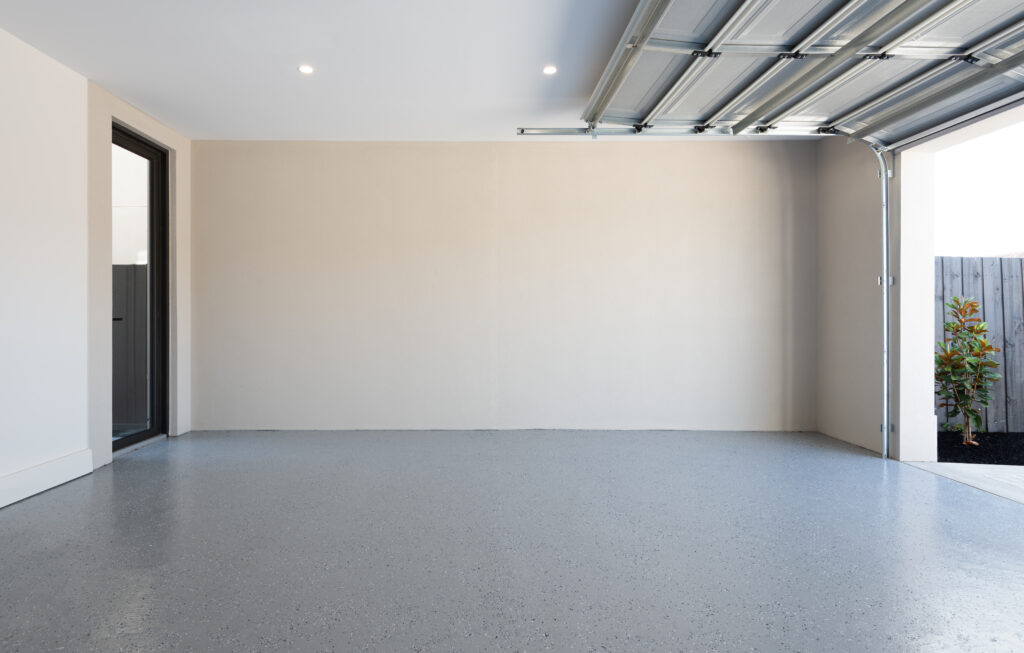
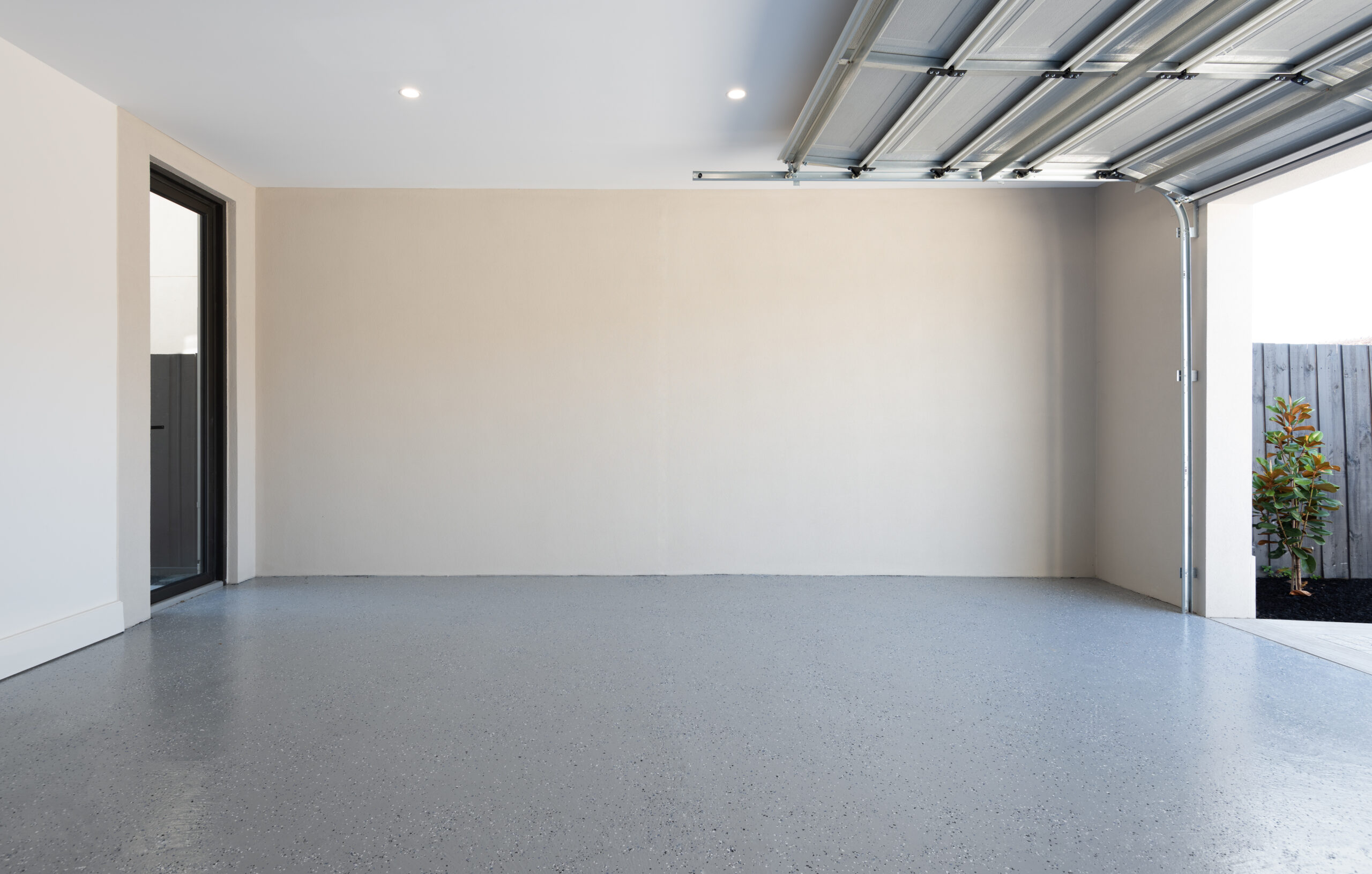
A garage conversion is not just slapping drywall over a concrete floor and calling it a bedroom. To meet building codes and make the space genuinely livable, you are looking at a series of interconnected upgrades. Insulation has to go into the walls and ceiling. The garage door gets removed and replaced with a framed wall, which usually includes a window for natural light and egress requirements. The floor needs to be addressed, whether that means leveling, adding subfloor, and laying new flooring on top of the concrete slab. Electrical work is almost always required, since garages typically lack the outlets and lighting a bedroom needs. And in many cases, heating and cooling need to be extended into the space. That is a real project, but a very doable one.
Average Cost to Convert a Garage Into a Bedroom
So what does this actually cost? For a standard single-car garage conversion, most homeowners spend somewhere between $5,000 and $25,000. That is a wide range, and where you land depends on the condition of the existing space, local labor rates, permit costs in your area, and how finished you want the final product. A basic conversion with minimal finishes might come in closer to the lower end. A full conversion with HVAC integration, hardwood floors, and custom closet work will push toward the higher end or beyond. Two-car garage conversions naturally cost more, often ranging from $15,000 to $50,000 depending on scope. Budget for permits too, because skipping that step creates problems when you sell the home.
Breaking Down the Key Cost Categories
It helps to think about this in terms of individual line items so nothing catches you off guard mid-project. Here is where the money typically goes during a garage bedroom conversion:
- Permits and inspections: $100 to $1,500 depending on your municipality
- Insulation: $500 to $2,500 for walls, ceiling, and potentially floor
- Framing and drywall: $1,000 to $4,000 to close off the garage door opening and finish walls
- Flooring: $500 to $4,000 depending on material choice and subfloor needs
- Electrical work: $500 to $2,500 for outlets, lighting, and panel upgrades if needed
- HVAC extension or mini-split installation: $1,500 to $5,000
- Windows and doors: $500 to $3,000 depending on number and style
- Finishing touches including paint, trim, closet: $500 to $2,000

Do You Need a Permit for a Garage Conversion
Yes, and this is not something to skip. Most jurisdictions require permits for any conversion that changes the use of a space, especially when electrical, structural, or HVAC work is involved. Unpermitted conversions can become a serious liability. When you go to sell your home, buyers and their inspectors will flag unpermitted work, and you may be required to bring it up to code before closing. In some cases, lenders will not finance a home with known unpermitted improvements. The permit process also ensures the work is inspected, which protects you as the homeowner. Call your local building department early in the planning process and ask specifically what is required for a residential garage conversion in your area.
Does Converting a Garage Add Home Value
This depends on your market, but in general, adding a legal bedroom increases a home’s appraised value because appraisers often use bedroom count as part of their comparable analysis. A finished, permitted garage bedroom can return a significant portion of the project cost at resale, and in high-demand markets with tight housing inventory, that extra bedroom can be a genuine selling advantage. The key word there is legal. A properly permitted conversion with a compliant egress window and appropriate ceiling height will be counted as a bedroom on the listing. A converted space that does not meet code requirements will be listed as a bonus room or flex space, which carries less value. Do it right and the return is real.
Common Challenges Homeowners Encounter Mid-Project
Even well-planned garage conversions run into surprises. The concrete slab may have moisture issues that require vapor barriers or self-leveling compound before any flooring goes down. Older homes might have inadequate electrical panels that need upgrading before you can add the circuits a bedroom requires. If your HVAC system is already working near capacity, extending it to cover a new room could mean undersizing the system or running inefficiently. And then there is the question of parking. Some neighborhoods and HOAs have rules about minimum garage requirements, and some municipalities will not issue a conversion permit at all if off-street parking drops below a certain threshold. Knowing these potential roadblocks before breaking ground saves time, money, and stress.
Practical Tips Before You Start the Conversion
A few things are worth doing before any contractor sets foot on your property. First, check your local zoning laws and HOA rules. Second, get at least three contractor quotes and ask each one to itemize labor and materials separately so you can compare them accurately. Third, look at your garage floor carefully for moisture, cracks, and grade issues before committing to a flooring plan. Fourth, think about the long-term use of the space. A bedroom that doubles as a home office or guest suite may need more outlets, better soundproofing, or specific closet configurations that affect the design. And fifth, do not overlook natural light. A window is required for egress in most jurisdictions, but a well-placed second window can make the difference between a room that feels like a bedroom and one that feels like a converted garage.
What Happens to Your Home Systems During a Conversion
Here is where things get interesting from a home systems perspective. Extending HVAC, adding electrical circuits, and tying into existing plumbing if you plan to include a bathroom all put demand on systems that may already be aging. A garage conversion is often the project that reveals the real condition of a home’s infrastructure. You might open up a wall and find wiring that needs to be updated, or discover that the HVAC unit is older than you realized and not worth extending without servicing first. These discoveries are not unusual, but they do affect your budget. Having some cushion in your project budget for system-related surprises is just smart planning.
Why Armadillo Home Warranty Is Worth Considering When You Add Living Space
Converting a garage into a bedroom is a meaningful investment in your home, and once that work is done, protecting what you have built matters just as much as the renovation itself. When you extend HVAC into a new room, add electrical circuits, or integrate new appliances into the space, those systems become part of your home’s daily operation and daily risk. That is exactly where a home warranty earns its value. Armadillo home warranty coverage for newly converted living spaces and home systems gives homeowners the kind of backup plan that makes sense when you have just spent tens of thousands of dollars improving your property. If the HVAC unit strains under its expanded workload and breaks down, or if an electrical issue surfaces in a newly converted room, a solid warranty plan means you are not facing a repair bill with no support. You can get a free home warranty quote to protect your garage bedroom conversion and home systems in just a few minutes and see exactly what coverage looks like for your home. After a project this size, that peace of mind is not a luxury, it is just good homeownership.

Frequently Asked Questions About Converting a Garage Into a Bedroom
Answers to the most common questions homeowners ask before starting a garage-to-bedroom conversion project.
How much does it cost to convert a garage into a bedroom on average?
Most single-car garage conversions cost between $5,000 and $25,000. The final cost depends on insulation, flooring, HVAC work, electrical upgrades, and the level of finish you choose for the space.
Does a converted garage count as a bedroom for home value purposes?
Yes, but only if the conversion is permitted and meets local building code requirements including minimum ceiling height, egress window, proper insulation, and heating. Unpermitted conversions are typically listed as flex space, not a bedroom.
Do I need a permit to convert my garage into a bedroom?
In most jurisdictions, yes. Any conversion that changes a space’s use and involves structural, electrical, or HVAC work requires a building permit. Skipping permits can cause problems at resale and may violate local codes.
How long does a garage-to-bedroom conversion take?
A straightforward single-car garage conversion typically takes two to four weeks once permits are approved. More complex projects involving HVAC integration, plumbing, or significant structural work can take six to eight weeks or longer.
Can any garage be converted into a bedroom?
Most attached garages can be converted, but detached garages, garages with very low ceilings, or garages in zones with strict parking minimums may face code restrictions. Always check local zoning laws before planning the project.
What is the most expensive part of a garage conversion?
HVAC work is often the most expensive single line item, particularly if a new mini-split system is needed or if the existing system requires upgrades to handle the added space. Electrical work and flooring are typically the next highest costs.
Does a garage conversion require a specific type of flooring?
No specific flooring is required by code, but the concrete slab typically needs moisture testing and subfloor preparation before carpet, hardwood, or luxury vinyl is installed. Skipping this step often leads to flooring failures within a year or two.
Will converting my garage void my homeowner’s insurance?
Not typically, but you should notify your insurance provider about the conversion so your coverage limits can be updated to reflect the added square footage and any system upgrades. Failing to report it could affect a future claim.
Is a garage conversion cheaper than building a home addition?
Yes, in most cases. A new home addition can cost $100 to $300 per square foot or more, while a garage conversion typically costs $50 to $150 per square foot because the foundation, walls, and roof structure already exist.
Can a home warranty cover systems installed during a garage conversion?
Yes. Systems like HVAC, electrical, and appliances installed or extended during a garage conversion can be covered under a home warranty plan, depending on the provider and plan terms. It is worth reviewing coverage options before and after major renovations.