Countertop Types Every Homeowner Should Know Before Making a Decision
Picking a countertop sounds straightforward until you are standing in a showroom surrounded by slabs of stone, laminate samples, and wood panels, suddenly unsure of everything. It happens to a lot of people. The truth is, countertops are one of the most-used surfaces in any home, and the type you choose affects everything from daily cleaning habits to long-term home value. Understanding what each material actually offers, and where it falls short, makes the whole process a lot less overwhelming.
Why Countertop Material Matters More Than You Think
A countertop is not just a flat surface. It absorbs heat, resists scratches, holds up against moisture, and takes the daily abuse of cooking, cleaning, and whatever else happens in a kitchen or bathroom. The right material for one household might be completely wrong for another. A busy family with young kids has different needs than someone who rarely cooks. Budget, maintenance tolerance, and aesthetic preferences all factor in, and so does the long-term cost of ownership. What seems affordable upfront can get expensive fast if the surface requires special sealers, professional cleaning, or early replacement.
Granite Countertops: The Classic With Staying Power
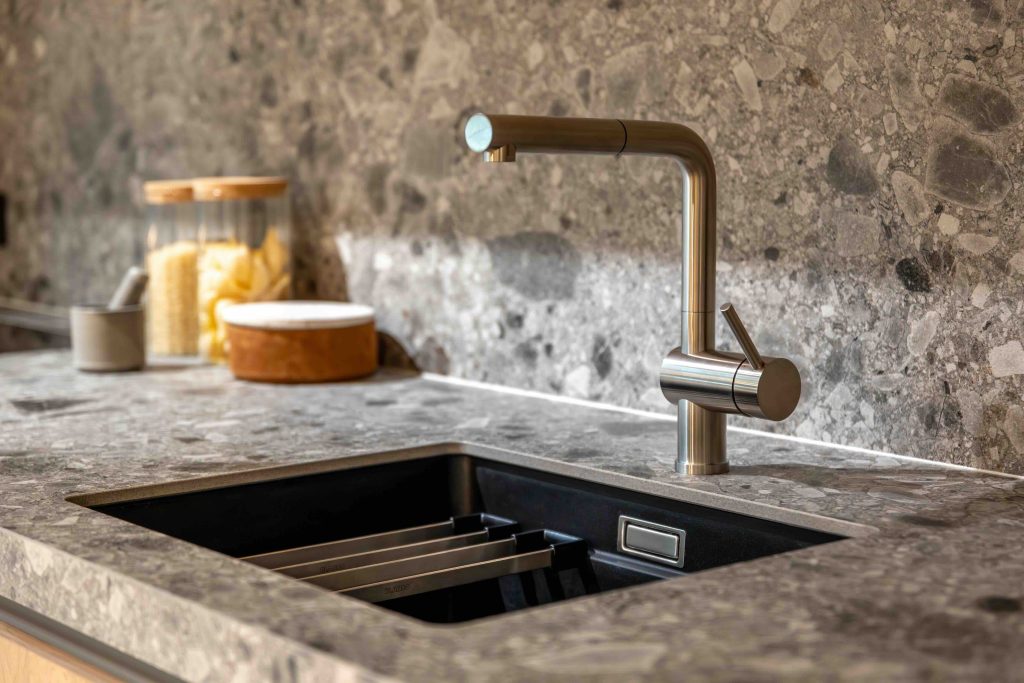
Granite has been a go-to countertop choice for decades, and it is not hard to see why. Each slab is unique, heat-resistant, and genuinely durable under normal use. Homeowners tend to love the natural variation in pattern and color, and granite holds its value well in resale situations. That said, it does require periodic sealing, usually once a year depending on use, and it is porous enough to stain if spills sit too long. It is also heavy and can crack under extreme impact. Installation costs vary widely, but granite generally lands in the mid-to-high range of countertop pricing.
Quartz Countertops: Engineered for Low Maintenance
Quartz has become one of the most popular countertop materials on the market, and the reason is mostly practical. It is engineered from natural quartz crystals combined with resins and pigments, which makes it non-porous, consistent in appearance, and resistant to bacteria. Unlike granite, it does not need sealing. It is harder to chip than many natural stones and holds up well in kitchens where cleaning products are used frequently. The downside is that quartz can be damaged by prolonged exposure to direct sunlight and is not as heat-resistant as granite, so using a trivet is still a good idea. It also tends to cost more than granite in many markets.
Laminate Countertops: Budget-Friendly and Underestimated
Laminate gets dismissed sometimes, but it deserves more credit than it typically receives. Modern laminate options have improved significantly in both appearance and durability. They are available in a wide range of styles, including designs that convincingly mimic stone or wood. The cost is substantially lower than natural stone, and installation is relatively simple. The limitations are real, though. Laminate is vulnerable to heat damage, can chip at the edges over time, and is difficult to repair once scratched. For homeowners working with a tighter renovation budget or staging a home for sale, laminate is a smart, practical choice.

Marble Countertops: Beautiful but Demanding
Marble is undeniably stunning. It has a timeless, high-end appearance that no engineered product has fully replicated. Architects and designers reach for it constantly in luxury kitchens and bathrooms. The problem is that marble is one of the higher-maintenance countertop materials available. It is soft relative to granite and quartz, which means it scratches and etches more easily. Acidic substances like lemon juice or vinegar can leave dull marks on the surface even with a sealer applied. Marble requires consistent upkeep and a homeowner who is prepared to treat the surface carefully. For baking-focused kitchens, the cool surface is genuinely useful, but the tradeoff in maintenance is real.
Butcher Block Countertops: Warmth With a Few Caveats
Butcher block brings a warmth and texture to kitchens that stone simply cannot match. It works beautifully in farmhouse-style or transitional spaces and is popular as an accent surface alongside other countertop materials. Cutting directly on the surface is possible, though it does cause marks over time. The bigger concern is moisture. Wood is susceptible to warping, staining, and bacteria buildup if not properly sealed and maintained. Regular oiling is necessary to keep the surface in good condition. Butcher block can be sanded and refinished, which extends its life considerably, but it demands more attention than most other countertop options.
Concrete Countertops: Customizable and One of a Kind
Concrete countertops offer a level of customization that most materials cannot. They can be poured, tinted, and shaped to fit virtually any space or design vision, which makes them appealing in modern and industrial-style homes. The weight is significant, and professional installation is generally necessary. Concrete is porous and requires sealing to resist staining, and hairline cracks can develop over time due to settling or temperature shifts. When well-maintained, a concrete countertop looks exceptional and holds up reasonably well. When neglected, it can deteriorate faster than expected. This is a high-reward option for the homeowner willing to put in the maintenance work.
Solid Surface Countertops: Seamless and Repairable
Solid surface materials, such as Corian and similar brands, are composed of acrylic or polyester resins and offer a seamless, non-porous surface. One of their biggest advantages is repairability. Scratches and minor damage can often be buffed out, which extends the usable life of the countertop considerably. Solid surface is easier to clean than natural stone and does not require sealing. It does not hold up as well against heat as granite or quartz, and the aesthetic tends to look less premium than natural stone, which can affect resale perception. For utility rooms, laundry areas, and bathrooms, solid surface is an excellent and often-overlooked choice.
How Armadillo Helps Protect Your Kitchen Investment
Countertops are a significant part of any kitchen renovation, but the appliances and systems surrounding them matter just as much. A new countertop installation often coincides with dishwasher upgrades, plumbing adjustments, or new appliances, and any of those components can fail when you least expect it. That is where having dependable coverage makes a real difference. Armadillo home warranty plans for kitchen appliances and home systems are built to give homeowners straightforward, affordable protection without the fine print headaches that come with other providers. Whether your refrigerator gives out six months after a kitchen remodel or your garbage disposal stops working right after the countertops go in, Armadillo is designed to handle those moments cleanly and without unnecessary friction. If you are investing in your kitchen, it makes sense to protect what is inside it too. Get a personalized home warranty quote to cover your kitchen appliances and systems and see how simple it is to add real protection to your home improvement investment.

Frequently Asked Questions About Countertop Types
These are the questions homeowners ask most often when researching countertop materials, answered directly and without the fluff.
What is the most durable countertop material for a busy kitchen?
Quartz is generally considered the most durable option for high-traffic kitchens because it is non-porous, scratch-resistant, and requires minimal maintenance compared to natural stone.
Does granite need to be sealed every year?
Most granite countertops benefit from sealing once a year, though the frequency depends on the specific stone and how heavily the surface is used. A simple water drop test can help you gauge when resealing is needed.
Is marble a good choice for kitchen countertops?
Marble is a viable choice if the homeowner is prepared for its maintenance demands. It etches easily from acidic substances and scratches more readily than granite or quartz, so it works best in lower-traffic kitchen areas or bathrooms.
What is the cheapest countertop option that still looks good?
Laminate is the most affordable countertop material and has improved considerably in appearance. Modern laminate can convincingly mimic stone or wood at a fraction of the cost of natural materials.
Can butcher block countertops be used in a full kitchen?
Yes, but they require regular oiling and careful moisture management. Many homeowners use butcher block as an accent section alongside another material rather than covering the entire kitchen in it.
How long do quartz countertops typically last?
With proper care, quartz countertops can last 25 years or more. They are resistant to chipping, staining, and bacteria, which contributes to their longevity in kitchen environments.
Are concrete countertops prone to cracking?
Hairline cracks can develop in concrete countertops over time due to settling or temperature fluctuations. Proper installation and regular sealing significantly reduce the risk of cracking and surface damage.
What is a solid surface countertop and how does it differ from quartz?
Solid surface countertops are made from acrylic or polyester resins and are fully non-porous. Unlike quartz, they can be sanded and buffed to repair surface damage, but they are generally less heat-resistant and have a less premium appearance.
Do countertop choices affect home resale value?
Yes, countertop material can influence buyer perception and home value. Granite and quartz tend to appeal most to buyers, while laminate may be seen as a dated choice in higher-end markets.
Are countertops covered under a home warranty?
Standard home warranty plans typically do not cover countertop surfaces themselves, as those are considered structural components of the home. However, the appliances and plumbing systems connected to countertop areas are commonly included in home warranty coverage.